Expert Tuckpointing & Masonry Restoration for Lasting Results
Elevating Masonry Longevity Through Expert Restoration Techniques
In the realm of building preservation and aesthetic enhancement, the interconnected processes of facade cleaning, tuckpointing, foundation stabilization, and concrete patchwork form the backbone of enduring structures. Advanced masonry restoration demands a nuanced understanding of material dynamics, environmental influences, and technique precision to ensure properties not only retain their visual appeal but also withstand the test of time. This comprehensive overview explores how specialists leverage cutting-edge methods and material science insights to achieve lasting results that transcend superficial repairs.
The Critical Role of Facade Cleaning in Structural Integrity and Aesthetic Preservation
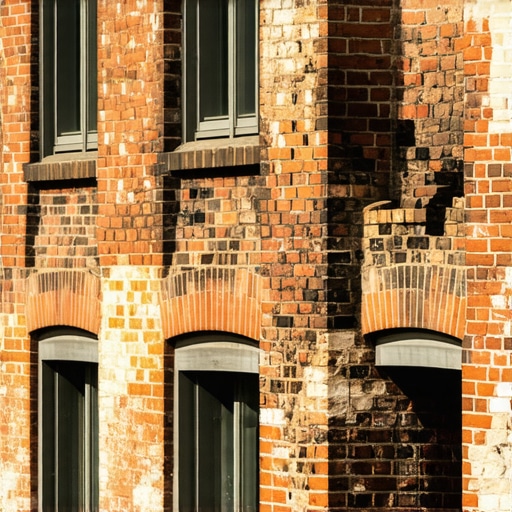
Facade cleaning serves as the first line of defense against environmental aggressors such as pollutants, mold, and biological growth, which can accelerate deterioration if neglected. Proper cleaning techniques, including low-pressure washing and chemical treatments, help remove damaging residues without harming the masonry substrate. This process not only revitalizes property appearance but also exposes underlying issues requiring targeted interventions. For instance, omitting thorough cleaning can mask early signs of mortar deterioration, leading to costly repairs down the line. Experts recommend routine maintenance schedules aligned with climate considerations to sustain building facade health, as detailed by leading industry standards.
Innovative Approaches to Tuckpointing for Enhanced Durability
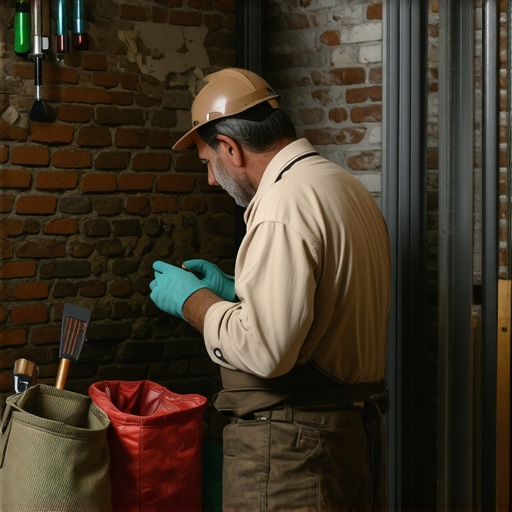
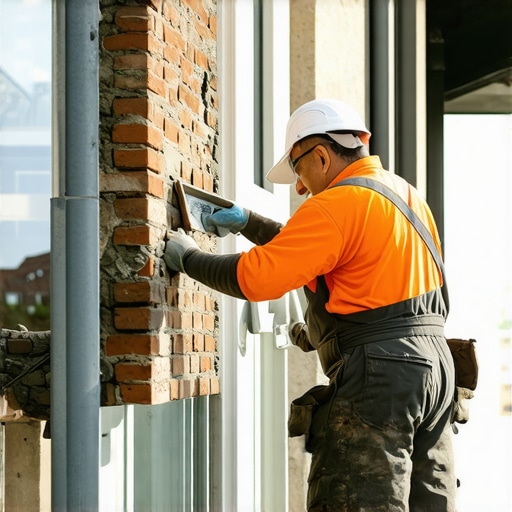
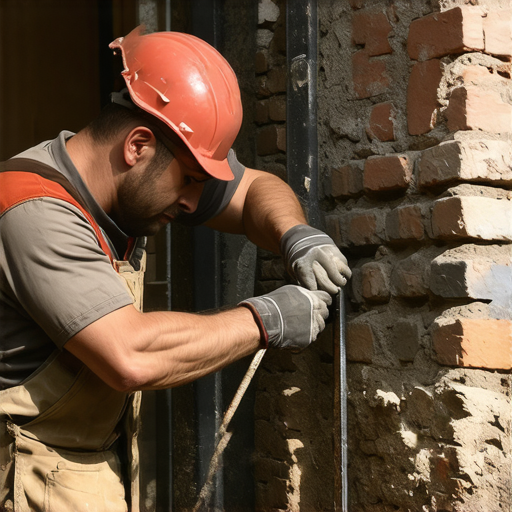
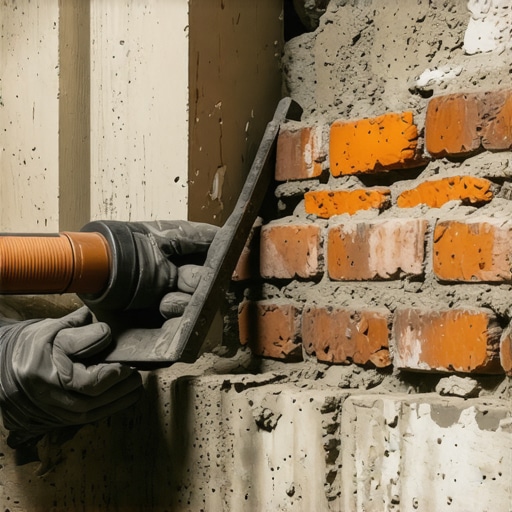
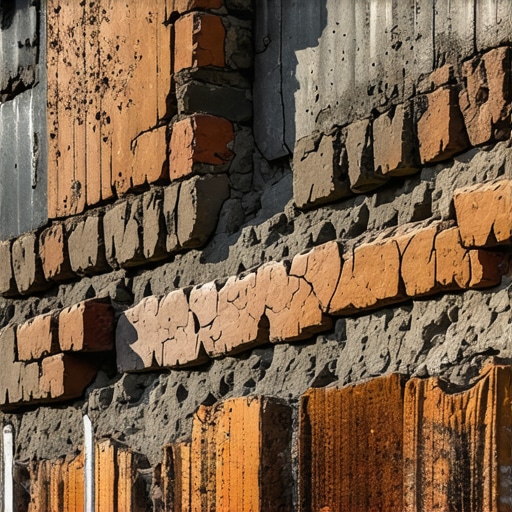
High-quality tuckpointing is instrumental in restoring mortar joints to prevent water ingress and structural weakening. Modern techniques involve the use of replacement mortars formulated with compatible materials that match the original composition, thereby preserving the building’s integrity. Advanced mortar formulations with improved bond strength and flexibility accommodate building movements, reducing crack formation. Skilled tuckpointing also entails meticulous joint raking and precise application, ensuring seamless integration with existing masonry. For a deeper dive into expert methods, see our detailed guide on tuckpointing strategies for durability.
Addressing Foundation Challenges through Targeted Repair Strategies
Foundation stability underpins the entire structure, making its maintenance vital. Foundational issues often manifest as cracks, uneven settlement, or moisture intrusion, which compromise safety and value. Modern foundation repair involves soil stabilization, underpinning, and foundation wall reinforcement, utilizing materials such as carbon fiber grids and epoxy injectables for crack sealing. Experts utilize non-invasive evaluation techniques, including geotechnical assessments and load testing, to tailor remediation plans that ensure long-term stability. For authoritative insights, refer to the comprehensive resource on foundation repair innovations.
Concrete Patching: Achieving Seamless Aesthetics and Strength
Concrete patching is critical in restoring surface uniformity, preventing water infiltration, and reinforcing structural components. Modern repair practices emphasize the use of high-performance patching compounds with rapid curing times and excellent adhesion. The process involves surface preparation, such as cleaning and roughening, followed by tailored application to fill voids and spalls. Skilled technicians also employ reinforcement meshes or catalysts to enhance durability, especially in high-stress zones. For advanced techniques, explore our expert guide on concrete patching for longevity.
What are the implications of improper repair techniques on the long-term performance of masonry structures?
Neglecting technical precision in masonry repairs can lead to inadequate bonding, joint failures, and accelerated deterioration. Substandard materials or hasty execution may create vulnerabilities that compromise structural safety and aesthetic value. Continuous monitoring, quality control, and adherence to industry standards are essential to mitigate these risks. Engaging with certified professionals ensures that repair methodologies are optimized for each unique site condition, aligning with best practices outlined by authoritative sources such as the National Park Service’s masonry preservation guidelines.
To deepen your expertise or contribute insights into masonry restoration, consider exploring our related resources or consulting with industry specialists specializing in complex structural rehabilitation. Staying abreast of technological innovations and material advancements can significantly enhance repair outcomes, safeguarding property investments for generations to come.
How Can Modern Masonry Restoration Methods Outperform Traditional Approaches
Contemporary masonry restoration leverages innovative materials and techniques designed to extend the lifespan of structures beyond what traditional methods could achieve. For example, the use of flexible,compatible mortars in tuckpointing has been shown to significantly reduce cracking and water intrusion, especially in climates with substantial freeze-thaw cycles. Similarly, advanced sealants and protective coatings shield masonry surfaces from environmental wear, preserving aesthetic appeal and structural integrity. Embracing these state-of-the-art practices often results in lower maintenance costs and improved property value over time. For comprehensive insights into enhanced masonry repair materials, visit trusted repair solutions.
Implementing Non-Invasive Evaluation Tools for Precise Damage Assessment
Before initiating any repair process, accurate assessment of masonry health is crucial. Modern diagnostics include laser scanning, ground-penetrating radar, and infrared thermography, which allow specialists to detect underlying issues such as voids, moisture intrusion, or buried cracks without damaging the surrounding structures. Incorporating these technologies enables the formulation of targeted repair strategies that prioritize durability and conservation. As a result, property owners benefit from repairs that are both minimally invasive and highly effective. To explore the latest evaluation technologies, see our guide on masonry assessment techniques.
Addressing Material Compatibility for Seamless Long-Lasting Repairs
An often-overlooked aspect of repair longevity involves ensuring material compatibility. Mismatched mortars or patching compounds can lead to differential movement, cracking, or delamination, undermining the repair’s durability. Utilizing materials formulated for specific masonry types and environmental conditions, such as low-alkali, breathable mortars, enhances adhesion and flexibility. Expert consultations can help determine optimal material choices to prevent future deterioration. For detailed guidance, consult our resources on compatible masonry materials.
Could integrative repair planning that combines surface cleaning, tuckpointing, and structural reinforcement provide the best long-term results for historic masonry?
Integrating various repair strategies ensures comprehensive preservation and strength, especially in historically significant structures. Coordinating facade cleaning, tuckpointing, and foundation reinforcement allows for addressing multiple vulnerabilities simultaneously, preventing future issues and maintaining aesthetic harmony. For example, cleaning not only enhances visual appeal but also reveals hidden structural flaws that may require reinforcement. This holistic approach aligns with best practices in masonry preservation, as highlighted by industry experts committed to sustaining architectural heritage effectively.
To stay updated on innovative masonry repair methods, consider subscribing to professional forums or engaging with specialists through trusted platforms like masonry restoration insights. Sharing your experiences or questions can foster learning and elevate industry standards, ultimately leading to more durable and resilient structures.
Harnessing Material Science to Elevate Masonry Longevity
Advancements in material science have revolutionized masonry restoration, offering solutions that were once incomplete or unreliable. Modern formulations of mortars and repair compounds incorporate polymers and nano-engineered additives, significantly enhancing adhesion, flexibility, and resistance to environmental factors. For instance, the integration of microfiber reinforcements into patching compounds provides tensile strength and crack resistance far superior to traditional materials, allowing structures to better withstand temperature fluctuations and seismic activity. These innovations demand a deep understanding of the underlying chemistry and their appropriate applications to avoid unintended consequences. Industry leaders emphasize continuous research and field testing to optimize material performance in diverse climates and structural exigencies, as documented comprehensively by the International Journal of Masonry Engineering (IJME).
What are the implications of nano-technology in masonry repair materials for structural resilience?
Nano-technology introduces particles so small that they can alter the physical properties of repair materials at the molecular level. This technological leap results in surface treatments that produce highly hydrophobic coatings, self-healing compounds, and ultra-strong bonding agents. For example, nano-silica additives have demonstrated the ability to enhance the density and impermeability of repair mortars, dramatically reducing water ingress and biological growth risks. However, integrating nanomaterials requires precise formulation and application techniques to ensure safety, cost-effectiveness, and environmental compatibility. Leading studies suggest that these innovations could dramatically extend the service life of repairs, decrease maintenance frequency, and improve overall structural resilience. To explore this potential further, visit the latest research summarized by the Masonry Innovation Consortium at Nano-Enhanced Masonry Repair.
Strategic Integration of Diagnostic Technologies for Preemptive Maintenance
Early detection of masonry deterioration is paramount in implementing cost-effective, long-lasting repairs. Modern non-invasive diagnostic tools—such as ultrasonic testing, 3D thermal imaging, and ground-penetrating radar—enable specialists to uncover hidden flaws like internal cracks, voids, or moisture pathway routes that are invisible to the naked eye. Advanced data analytics and machine learning models further interpret these datasets, predicting deterioration trends before visible symptoms manifest. This proactive approach shifts the paradigm from reactive repair to preventive maintenance, optimizing resource allocation and reducing intervention costs. Industry standards now increasingly advocate for regular diagnostic assessments, especially in historic or high-value structures, which are vulnerable to accelerated aging without proper oversight. For detailed methodologies, consult the Preemptive Diagnostic Frameworks for Masonry.
Harnessing Cutting-Edge Material Compatibility for Seamless Excavation of Long-Lasting Repairs
In the realm of masonry restoration, meticulous attention to material compatibility stands as a cornerstone for ensuring enduring quality. The interplay between repair mortars and original substrates necessitates a comprehensive understanding of chemical composition, porosity, and ecological adaptability. Engineers and craftsmen leverage spectroscopic analysis and petrographic studies to select harmonized materials, minimizing differential movement and delamination risks. Embracing this nuanced approach cultivates repairs that seamlessly integrate, preserving the aesthetic integrity and structural resilience of historic facades. For an in-depth technical perspective, consult the authoritative protocols outlined by the Masonry Preservation Scholars at the Historic Masonry Institute.
Can Integrating Advanced Diagnostic Technologies Revolutionize Masonry Maintenance?
Incorporating sophisticated inspection tools such as terahertz imaging and electromagnetic acoustic transducers enables predictive diagnostics that transcend traditional visual assessments. These technologies reveal internal anomalies like microcracks, moisture ingress, and bond failures at an early stage, empowering preservationists to implement preemptive interventions. The integration of AI-driven data analytics further refines deterioration models, allowing for precise maintenance scheduling and resource allocation. Transitioning towards a data-informed maintenance paradigm not only curtails costly repairs but also profoundly safeguards the structural health of masonry assets over extended periods. Explore the latest breakthroughs in structural health monitoring through the research repository maintained by the Structural Integrity Consortium.
Is It Possible to Combine Heritage Preservation with Modern Restoration Techniques Effectively?
Balancing the integrity of heritage masonry with contemporary repair practices demands a delicate synthesis of tradition and innovation. Techniques such as laser cleaning preserve surface patinas while eliminating harmful pollutants, whereas nanomaterial-infused sealants offer enhanced protection without altering appearance. Employing reversible interventions and documenting every phase aligns with conservation principles, ensuring future generations can appreciate the historical significance. Skilled artisans and engineers collaborate to tailor solutions that respect heritage aesthetics while extending longevity. For comprehensive methodologies, refer to the guidelines set forth in the International Conservation Framework for Masonry Structures.
Unlocking the Potential of Nano-Engineered Materials in Masonry Resilience
The advent of nanotechnology ushers in a new era for masonry durability, introducing materials with unprecedented properties. Nano-silica and carbon nanotubes incorporated into repair mortars significantly improve compressive strength, water resistance, and crack arresting capabilities. These innovations facilitate self-healing and adaptive responses to environmental stressors, drastically reducing maintenance frequency. Yet, integrating nanomaterials requires a profound understanding of their reactivity, environmental impact, and long-term behavior within complex masonry matrices. Industry research underscores the importance of rigorous testing protocols to harness nanotechnology’s full potential safely. Dive into the latest studies in the Journal of Advanced Nanomaterials for Masonry Applications.
Why Flexibility in Repair Approaches Accelerates Masonry Longevity
Rigid adherence to traditional methods can sometimes hinder adaptive responses to evolving structural challenges. Embracing flexible repair systems—such as elastomeric sealants and resilient mortars—accommodates building movements and temperature fluctuations, reducing stress accumulation. Such approaches are particularly vital in seismically active zones or structures subjected to cyclical thermal expansion. The essential factor lies in selecting materials that strike a balance between stiffness and elasticity, tailored to specific environmental contexts. By fostering a dynamic repair philosophy, practitioners can significantly prolong masonry service life and preserve historical authenticity. Consider consulting the FlexiMasonry Protocol, created by global experts in structural adaptability.
Tailoring Advanced Repair Strategies for Climate-Specific Challenges
No two climates are identical—each presenting unique stressors such as freeze-thaw cycles, high humidity, or acidic rain. Customizing repair methodologies to address these conditions enhances durability. For instance, in cold regions, incorporating de-icing salt-resistant aggregates prevents fleet corrosion, while in humid environments, breathable waterproof barriers prevent moisture entrapment. Climate-adaptive materials and installation techniques are guided by extensive environmental testing platforms, ensuring resilience against locale-specific deterioration mechanisms. To optimize strategies, refer to the Climate-Responsive Masonry Repair Guidelines issued by the Global Heritage Conservation Association.
Driving the Future of Masonry Preservation through Sustainable Innovations
Sustainability in masonry repair extends beyond eco-friendly materials; it encompasses longevity, resource optimization, and lifecycle assessments. Innovations such as bio-based mortars that promote self-healing through microbial activity represent a paradigm shift. Additionally, utilizing recycled aggregates and environmentally benign sealants mitigates ecological footprints. Advanced life-cycle modeling enables stakeholders to predict long-term performance, aligning repair projects with green building standards and regulatory frameworks. Industry leaders advocate for a holistic, eco-conscious approach to masonry restoration that harmonizes preservation goals with environmental stewardship. To explore sustainable masonry solutions, access the Sustainable Masonry Initiative’s comprehensive repository.
Elevate Your Expertise: Engage with the Next Generation of Masonry Innovation
As the field progresses, staying abreast of cutting-edge advancements becomes essential for professionals committed to excellence. Participate in specialized workshops, join global forums such as the Masonry Innovation Consortium, and contribute to research initiatives that push the boundaries of traditional practice. By fostering a culture of continuous learning and innovation, you position yourself at the forefront of masonry preservation mastery. Sharing insights and fostering collaborations can catalyze breakthroughs that redefine industry standards—your expertise can shape the future of durable, heritage-conscious masonry restoration.
In the ever-evolving landscape of masonry preservation, embracing innovative methods and materials is paramount for achieving unparalleled durability and aesthetic appeal. Leading experts emphasize that integrating advanced diagnostic tools, nano-engineered materials, and climate-responsive strategies can redefine restoration standards. These breakthroughs not only extend the lifespan of masonry structures but also preserve their historical integrity with precision and care.
Why Material Compatibility Decides Long-Term Success
Meticulous selection and application of compatible materials are fundamental for seamless, enduring repairs. When repair mortars align chemically and physically with original masonry, they mitigate issues like delamination and cracking, ensuring the longevity of the restoration work. Experts advocate for petrographic analysis and spectroscopic techniques to guide material choices tailored to specific environmental and structural contexts.
Embracing Non-Invasive Technologies for Accurate Assessments
Modern diagnostics such as ground-penetrating radar, infrared thermography, and 3D laser scanning enable specialists to uncover hidden deterioration without damaging existing structures. These insights facilitate targeted repairs, optimize resource deployment, and prevent unnecessary interventions, aligning with sustainability goals and preservation ethics.
Advanced Materials Transform Repair Dynamics
The advent of nano-enhanced mortars and self-healing compounds revolutionizes masonry restoration. These materials offer superior resistance to environmental stressors, reduce maintenance needs, and adapt to building movements. Industry research underscores the importance of ongoing testing to harness nanotechnology effectively and safely within historic and high-stakes structures.
Strategic Preservation: Combining Tradition with Innovation
Balancing heritage preservation with modern repair techniques requires a nuanced approach. Techniques like laser cleaning maintain surface patinas while removing pollutants, whereas flexible sealants absorb structural movements. This synergy ensures that restoration efforts honor the past while embracing future resilience.
Expert Resources to Elevate Your Practice
- Trusted Tuckpointing Strategies — A comprehensive guide on durable mortar work
- Foundation Repair Insights — Cutting-edge solutions for structural stability
- Concrete Patching Excellence — Techniques for seamless repairs
- Masonry Material Science — Staying ahead with innovative formulations
- Restoration Best Practices — Industry standards and emerging trends
Reflections from the Forefront of Masonry Innovation
Integrating sophisticated diagnostics with nanomaterial advancements creates a new paradigm for masonry restoration. The key lies in the seamless collaboration between structural assessment, material science, and preservation principles. By prioritizing compatibility, technological precision, and environmental responsiveness, industry professionals can craft solutions that stand the test of time. Your expertise and continuous learning are vital—immerse yourself in these innovations to elevate your craft and safeguard architectural heritage for generations to come.
![7 Best Tuckpointing Tools for DIY Projects [2026 Tested]](https://masonryrescue.com/wp-content/uploads/2026/02/7-Best-Tuckpointing-Tools-for-DIY-Projects-2026-Tested.jpeg)