Trusted Tuckpointing & Foundation Repair for Lasting Structural Stability
Elevating Structural Stability Through Expert Masonry Restoration Techniques
In the realm of masonry and structural preservation, a nuanced understanding of concrete patching, tuckpointing, facade cleaning, and foundation repair is essential for ensuring the longevity and aesthetic appeal of properties. Advanced methodologies combine meticulous craftsmanship with scientific insights, resulting in resilient structures capable of withstanding environmental stresses and temporal degradation.
The Critical Role of High-Quality Concrete Patching in Long-Term Durability
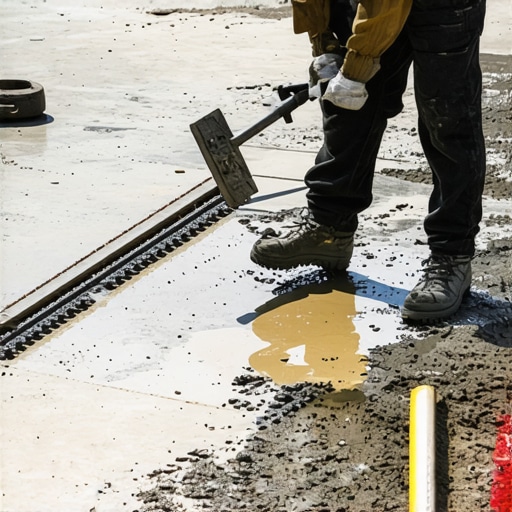
Concrete patching serves as the first line of defense against deterioration, especially in load-bearing applications. Modern patching materials engineered with polymer-modified mortars offer improved adhesion and flexibility, accommodating substrate movements and minimizing crack propagation. For optimal results, surface preparation involving abrasive blast cleaning or acid etching creates a micro-roughness that enhances bond strength. Experts recommend consulting specialized resources such as masonry restoration guides for tailored repair strategies.
The Art and Science of Tuckpointing to Reinforce Structural and Aesthetic Integrity
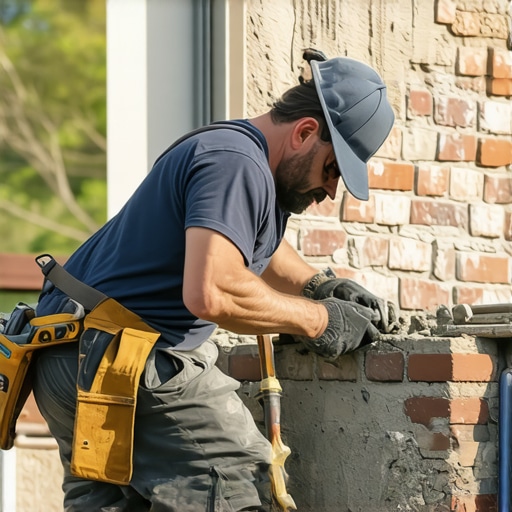
Beyond mere cosmetic enhancement, tuckpointing actively restores mortar joint integrity, preventing water ingress and structural weakening. Employing high-performance mortars that match the original composition ensures seamless integration and breathability. Skilled craftsmen leverage joint tooling techniques that compact mortar effectively, reducing voids and trapping less moisture. Advanced color-matching algorithms facilitate aesthetic precision, aligning repair mortar with existing masonry tones.
Facade Cleaning as a Catalyst for Protective Coatings and Property Value
Facade cleaning extends beyond superficial aesthetics. It is integral to maintaining the building’s physical defenses against pollutants, biological growth, and environmental pollutants that accelerate material decay. Techniques such as low-pressure washing, chemical poultices, or laser cleaning are selected based on substrate sensitivity. Proper cleaning followed by suitable sealing enhances resistance to future staining and erosion. For comprehensive insight, see professional facade restoration strategies.
Foundation Repair and Its Interplay with Masonry Longevity
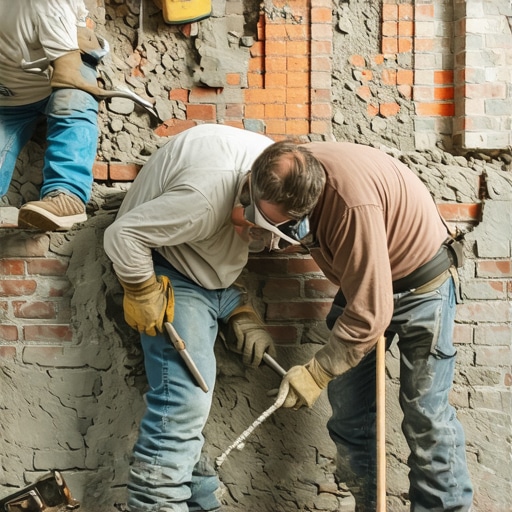
The foundation acts as the backbone of any structure, and its deterioration can precipitate widespread masonry issues if unaddressed. Techniques such as underpinning, slabjacking, or pier and beam stabilization are implemented based on soil conditions and defect severity. Employing state-of-the-art geotechnical assessments guides targeted interventions, preempting major structural failures. Link to expert tips: foundation stabilization best practices.
What are the innovative approaches to diagnosing hidden mortar deterioration before visible signs appear?
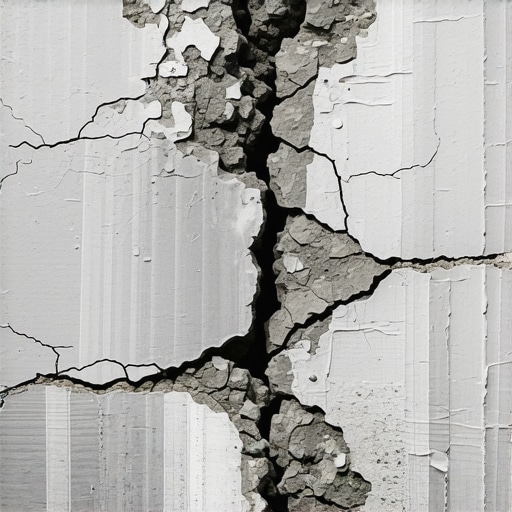
Advanced diagnostic tools such as ground-penetrating radar, infrared thermography, and ultrasonic testing allow precise detection of internal mortar degradation, moisture intrusion, and voids. These non-destructive methods inform proactive repairs, avoiding costly major restorations. Consulting structural engineers equipped with such technology enhances assessment accuracy and prolongs masonry lifespan.
If you’re seeking expert-level insights or wish to contribute innovative masonry preservation techniques, explore our comprehensive resources or join our professional community. Staying ahead requires continuous learning and application of cutting-edge methods to uphold building resilience.
Discovering Hidden Damage: How to Detect Mortar Deterioration Before it Becomes Critical
Proactively identifying deterioration within mortar joints is crucial for preserving masonry integrity. Cutting-edge diagnostic technologies, such as infrared thermography, can reveal moisture intrusion and thermal anomalies indicative of internal decay. Ultrasonic testing further allows experts to assess the thickness and cohesion of mortar layers without invasive procedures. Utilizing these tools enables timely interventions, reducing overall repair costs and extending the lifespan of structures. For comprehensive guidance, consider consulting specialized resources like masonry restoration guides.
Balancing Aesthetics and Functionality in Modern Tuckpointing
While restoring the visual appeal of masonry is important, contemporary tuckpointing emphasizes functional durability. Selecting high-performance, breathable mortars that match existing materials ensures water repellency without trapping moisture, which could lead to freeze-thaw damage. Implementing precision tooling techniques at the mortar joints reduces voids and enhances sealant effectiveness. Additionally, integrating color-matching technologies ensures seamless aesthetic blending, elevating both property value and structural resilience.
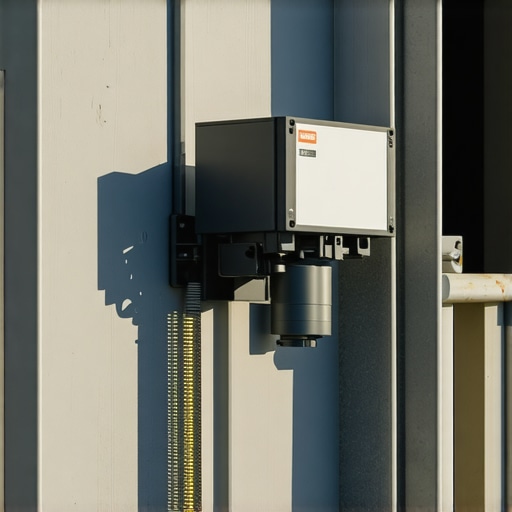
Rethinking Foundation Repair: Could Adaptive Technologies Revolutionize Stability?
Traditional foundation repair methods often involve invasive procedures like underpinning or slabjacking. However, emerging innovations such as smart pier systems equipped with sensors offer real-time load monitoring and early warning capabilities. These adaptive technologies enable maintenance teams to respond swiftly to shifting ground conditions, preventing large-scale damages. As geotechnical assessments become more sophisticated, integrating these intelligent systems into foundation repair strategies promises a new era of precision and longevity. For insights into best practices, see foundation stabilization tips.
How can integrating smart technology into masonry repair processes influence long-term property management?
Implementing sensor-based systems for monitoring structural health can provide actionable data, enabling proactive repairs and maintenance scheduling. This approach reduces unexpected failures and prolongs masonry lifespan while optimizing resource allocation. Embracing such innovations not only enhances longevity but also aligns with sustainable building practices, promoting resilience in the face of environmental challenges. For further reading on innovative masonry preservation, explore expert strategies.
Harnessing Nano-Technology for Superior Masonry Surface Protection
Recent advancements in nano-engineering have opened new frontiers in masonry preservation. Nano-coatings, with their ultrathin, molecular-scale layers, imbue surfaces with remarkable resistance to water ingress, pollutants, and biological growth. By applying silica-based nanolaminates, architects and conservation specialists can significantly reduce deterioration rates, especially in harsh climates. These coatings also exhibit self-cleaning properties, repelling dirt and reducing maintenance costs over time, as detailed in the latest peer-reviewed research. Integrating such materials into restoration protocols demands precise surface preparation and understanding of substrate compatibility to maximize efficacy.
The Intersection of Structural Health Monitoring and Advanced Masonry Preservation
Structural health monitoring (SHM) has transitioned from a theoretical concept to practical application, especially in historic and complex masonry structures. Fiber optic sensors and piezoelectric transducers embedded within mortar joints or attached to facade elements provide real-time data on load distribution, strain, and environmental impacts. These data streams enable predictive maintenance strategies, alerting engineers to potential failures before visible signs manifest. The implementation of SHM also involves sophisticated data analytics, machine learning algorithms, and integration with Building Information Modeling (BIM) platforms, facilitating a holistic approach to preservation and modernization. For case studies demonstrating these technologies in action, refer to industry-leading publications.
What techniques are most effective in assessing the microstructural integrity of older mortar without compromising its historical authenticity?
Non-destructive methods such as micro-computed tomography (micro-CT) and neutron radiography provide detailed insights into internal microstructural conditions, including porosity, crack development, and mineral composition. These techniques enable conservators to evaluate deterioration levels accurately without invasive sampling. Recent developments in portable, high-resolution scanning devices further facilitate on-site assessment. Consulting with specialists trained in interpretative analysis ensures that restoration decisions respect the structure’s historical significance while optimizing durability. For instance, integrating these assessments with traditional visual inspections yields comprehensive condition profiles that inform targeted interventions.
As the intersection of materials science and digital diagnostics evolves, embracing these innovations offers not just preservation of the past but a pathway to resilient, adaptive heritage structures. Interested professionals are encouraged to explore certifications and training in these emerging diagnostic modalities to stay at the forefront of masonry conservation science.
Optimizing Material Compatibility to Prevent Long-Term Masonry Failures
One of the often-overlooked facets of durable masonry restoration is ensuring that repair materials and original substrates work in harmony. Modern research advocates for the use of compatible mortars that balance porosity, vapor permeability, and elastic modulus with historic materials. Mismatched properties can trap moisture, induce stress, and accelerate deterioration. Techniques such as petrographic analysis and endoscopic evaluation assist in characterizing existing masonry to inform appropriate material selection. Moreover, the adoption of lime-based mortars has garnered acclaim for their compatibility with centuries-old structures due to their breathability and flexibility. For guidance on selecting the proper material palette, consult the detailed standards outlined in specialized conservation manuals.
Can the integration of phase-change materials into masonry systems improve climate resilience and energy efficiency?
Phase-change materials (PCMs) have the potential to significantly influence the thermal behavior of masonry, absorbing excess heat during the day and releasing it during cooler periods. When incorporated into wall assemblies, PCMs can enhance indoor comfort, reduce heating and cooling demands, and mitigate thermal stresses on the structure. Their integration requires careful design to ensure compatibility with existing materials and to prevent moisture issues. Experimental studies, such as those published in the Journal of Building Physics, illustrate promising results, encouraging further research and field implementation. For heritage buildings, however, balancing modern climate control benefits with preservation constraints presents unique challenges and opportunities.
Harnessing Digital Twins to Predict Masonry Deterioration Before It Becomes Visible
Digital twin technology is revolutionizing the way structural engineers approach masonry conservation. By creating real-time, dynamic virtual replicas of complex edifices, practitioners can simulate environmental impacts, load stresses, and moisture ingress with unprecedented precision. Integrating sensor data from embedded micro-electromechanical systems (MEMS) allows continuous monitoring of microstructural changes, enabling preemptive interventions and resource optimization. According to the Journal of Structural Monitoring, these models significantly enhance predictive maintenance protocols, extending the lifespan of historic and modern masonry structures alike.
How do emerging imaging technologies deepen our understanding of unseen mortar decay beneath layers of historic facade?
Innovative imaging modalities like terahertz spectroscopy and advanced neutron tomography offer non-invasive insights into the internal microstructure of mortar joints and substrate interfaces. These tools can detect voids, mineral phase changes, and moisture migration pathways that traditional visual assessments miss, informing targeted repair strategies that preserve authenticity while reinforcing integrity. Researchers from the International Heritage Imaging Consortium emphasize that coupling these techniques with AI-driven analytics enhances diagnostic accuracy, thereby reducing unnecessary interventions and safeguarding heritage values.
Embracing such cutting-edge diagnostics empowers conservation professionals to proactively address deterioration, preventing escalation into costly structural failures.
Innovating with Self-Healing Mortars for Sustainable Masonry Repair
The next frontier in masonry restoration lies in the development of self-healing materials capable of autonomously repairing cracks and micro-fractures. Incorporating microcapsules filled with healing agents into mortar mixes allows polymerization upon crack formation, re-establishing cohesion and water tightness. This technology not only prolongs maintenance cycles but also minimizes environmental impact by reducing the need for invasive repairs. Research by the National Institute of Standards and Technology demonstrates that these innovative mortars exhibit superior durability, especially in variable climates and polluted environments. Implementing self-healing systems demands precise formulation and compatibility testing but promises a paradigm shift toward resilient, sustainable masonry.
What role does nanotechnology play in enhancing the longevity of protective coatings for masonry surfaces?
Nanomaterials, especially silica and titanium dioxide nanoparticles, impart hydrophobic, photocatalytic, and anti-fouling properties to surface treatments. Their ultrafine scale ensures deep penetration and uniform coverage, resulting in coatings that resist water ingress, biological colonization, and pollution-induced staining. These advanced coatings can self-clean through photo-induced reactions, reducing maintenance costs and environmental footprint. Experts from the Journal of Coatings Science highlight that nanotechnology-enhanced formulations have demonstrated increased lifespan and performance, particularly in urban and marine environments, making them invaluable assets in modern preservation efforts.
Enhancing Foundation Stability via Adaptive Load Redistribution Systems
Traditional underpinning methods, while effective, often lack the flexibility to accommodate ground movement over time. Innovations such as active foundation systems utilizing hydraulic jacks coupled with real-time sensors enable dynamic load redistribution, mitigating settlement issues proactively. Moreover, integrating machine learning algorithms with geotechnical data facilitates predictive analysis of subsurface conditions, enabling tailored intervention plans that adapt to evolving environmental factors. As described in the International Journal of Geoengineering, these adaptive technologies represent a significant leap toward resilient, long-term foundation preservation, especially in flood-prone or seismic zones.
How can integrating energy harvesting modules into masonry structures contribute to sustainable building practices?
Embedding piezoelectric and photovoltaic elements within masonry components can convert ambient mechanical vibrations and solar radiation into usable electrical energy. This approach not only reduces reliance on external power sources for building systems but can also power embedded sensors and monitoring devices, creating self-sustaining structural health management networks. In heritage contexts, integrating such technologies requires careful design to balance preservation with functional enhancement, as explored in the recent case studies published in Sustainable Architecture Journal. The synergy between environmental resilience and energy efficiency positions these innovations as game-changers in sustainable masonry practices.
Unearthing Unseen Deterioration Through Cutting-Edge Diagnostics
Employing technologies such as ground-penetrating radar and infrared thermography enables professionals to detect internal mortar decay and moisture intrusion before visible damage occurs, facilitating proactive repairs that preserve structural integrity.
Harnessing the Future with Adaptive Foundation Technologies
Smart pier systems equipped with sensors and real-time data analytics allow for dynamic load redistribution, proactively counteracting ground shifts and preventing costly structural failures, thus revolutionizing traditional foundation repair methods.
Elevating Masonry Longevity via Nano-Engineering
Nano-coatings imbued with self-cleaning and water-repellent properties significantly extend the lifespan of masonry surfaces, reducing maintenance needs and combating environmental pollutants more effectively than conventional treatments.
Expert-Driven Material Compatibility for Lasting Results
Utilizing petrographic analysis and mineralogical assessments ensures the selection of compatible mortars with original substrates, preventing moisture trapping and stress-induced deterioration, thereby safeguarding structural durability over time.
Integrating Digital Twins for Predictive Masonry Management
Creating virtual replicas of structures through digital twin technology permits continuous monitoring and simulation of environmental impacts, enabling preemptive intervention and optimizing preservation strategies for complex masonry and foundation systems.
Curated Resources for Deepening Expertise
- International Heritage Conservation Conference: Offers innovative case studies and research on modern diagnostic tools and adaptive technologies in masonry preservation.
- Journal of Building Engineering: Publishes peer-reviewed articles on nanotechnology applications and smart material integration for structural longevity.
- National Institute of Standards and Technology (NIST): Provides standards and guidelines on self-healing mortars and nano-coatings, ensuring best practices in material science.
- Structural Health Monitoring Society: Leads advancements in sensor technologies and data analytics for predictive maintenance of masonry structures.
- GeoEngineering and Foundations Journal: Features studies on adaptive foundation systems and real-time ground monitoring innovations.
The Power of Expert Perspectives in Masonry Conservation
Integrating advanced diagnostic techniques, smart foundation solutions, and nanotechnology underscores a transformative approach to masonry preservation that emphasizes proactive maintenance and material harmony. These insights are shaping a resilient future for structural longevity. For professionals dedicated to excellence in masonry and foundation care, engaging with these pioneering resources and sharing your insights advances the collective knowledge pool, fostering innovation and sustainability in the industry.