Expert Facade Cleaning & Masonry Restoration for Lasting Curb Appeal
Elevating Building Integrity Through Expert Facade Maintenance
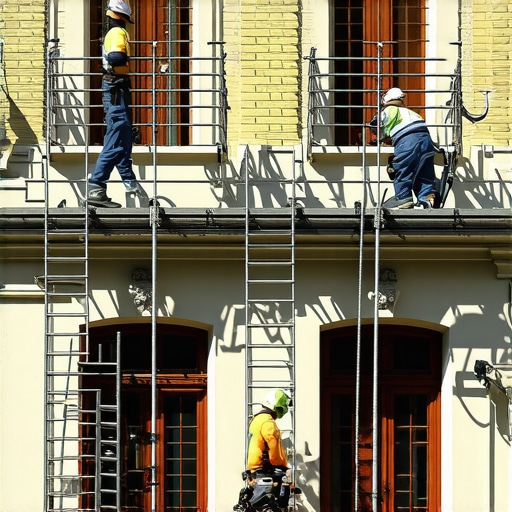
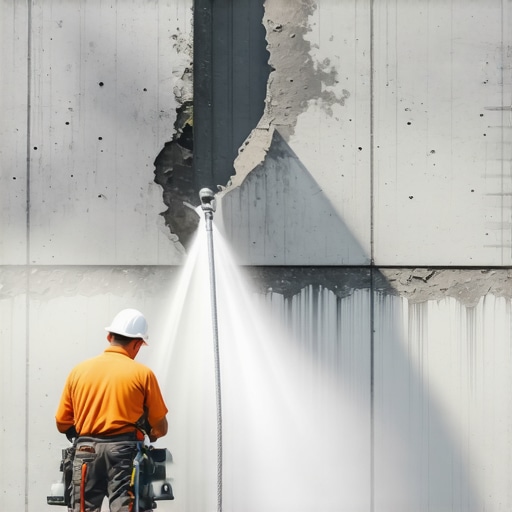
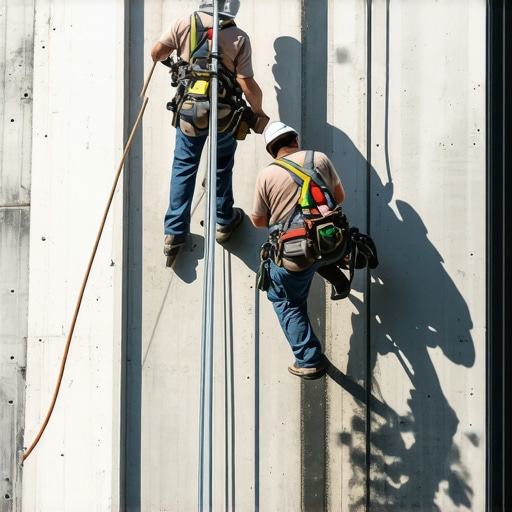
In the realm of masonry and structural preservation, maintaining the facade’s aesthetic appeal and structural soundness demands a blend of sophisticated techniques and deep industry knowledge. Professionally executed facade cleaning and masonry repairs serve as the cornerstone for enduring curb appeal, especially when integrated with specialized tuckpointing, concrete patching, and foundation reinforcement strategies.
Harnessing the Power of Tuckpointing for Superior Mortar Restoration
What innovations are redefining tuckpointing for long-term durability?
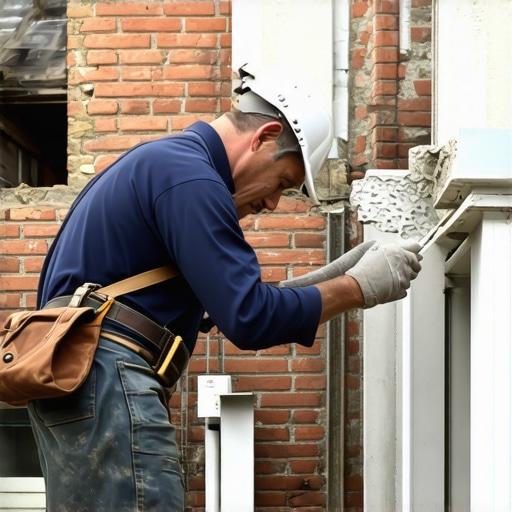
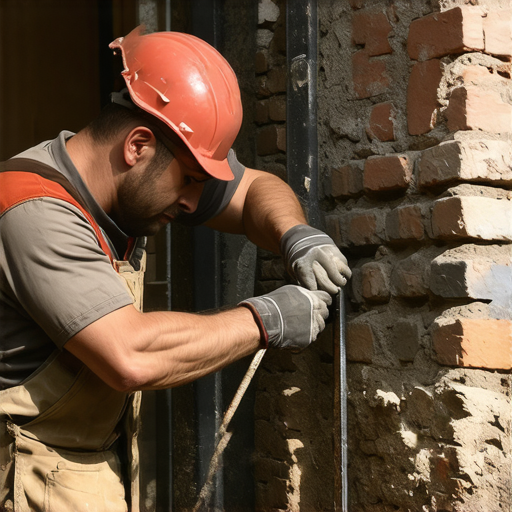
Modern tuckpointing techniques are evolving beyond traditional mortar replacement, incorporating high-performance materials and precision application methods. These advancements allow for seamless integration with existing masonry, effectively sealing joints against environmental ingress and preventing freeze-thaw damage. Notably, the strategic removal of deteriorated mortar coupled with the application of flexible, weather-resistant mortar compounds enhances the longevity of brickwork, fortifying the building’s facade against future wear.
Optimizing Concrete Patch Applications to Reinforce Structural Foundations
How does precision in concrete patching influence foundation resilience?
Crucial to the stability of any structure, concrete patching techniques must be executed with exacting standards. Utilizing high-quality repair mortars and controlled surface preparation, experts ensure that patched areas integrate perfectly with existing concrete, preventing water intrusion and chlorides from accelerating deterioration. For foundational repairs, incorporating epoxy-based consolidants or fast-setting repair mortars not only restores structural capacity but also extends the service life of the underlying framework. For comprehensive insights, see foundational concrete repair strategies.
Ensuring Long-Lasting Stability Through Foundation Reinforcement
Foundations bear the brunt of environmental forces and load stresses. Modern reinforcement methods involve underpinning, carbon fiber wrapping, and grouting techniques designed to remediate settling issues, crack propagation, and moisture ingress. When combined with targeted tuckpointing and facade cleaning, these measures establish a resilient barrier against structural failure. A comprehensive assessment from structural engineers can identify critical vulnerabilities, guiding precise intervention that aligns with modern codes and durability prerequisites.
Can Integrated Restoration Methods Prioritize Both Aesthetics and Load-Bearing Capacity?
Achieving a harmonious balance between visual appeal and structural integrity requires a meticulous, multidisciplinary approach. Expert insight into the sequencing of facade cleaning, mortar repair, and foundation strengthening ensures that aesthetic improvements do not compromise underlying stability. Engaging with specialists who leverage symbiotic techniques maximizes property lifespan and value. For detailed case studies, explore integrated masonry restoration insights.
To explore advanced masonry repair strategies further, or to share your professional experiences, visit our dedicated expert resources page.
Embracing Innovation for Resilient Masonry Solutions
As the construction industry advances, so does the sophistication of methods aimed at preserving masonry facades and foundations. Innovative materials such as fiber-reinforced mortars and nano-based sealants are revolutionizing traditional repair practices, offering enhanced durability and flexibility. Incorporating these cutting-edge solutions into tuckpointing and concrete patching can dramatically extend the lifespan of masonry structures, safeguarding them against the relentless effects of weathering and load stress.
What Are the Unseen Factors That Accelerate Masonry Deterioration?
While visible damage often prompts urgent repairs, several hidden elements silently undermine masonry integrity. Moisture infiltration through micro-cracks, chemical reactions from pollutants, and root intrusion from nearby vegetation can compromise mortar joints and foundation stability over time. Experts emphasize proactive inspection routines that utilize ultrasonic testing and infrared thermography to detect subsurface issues early, enabling targeted interventions before significant deterioration occurs. For deep insights into early detection of structural vulnerabilities, visit trusted foundation and tuckpointing tips.
Integrating Structural Reinforcement with Aesthetic Restoration
Maximizing the longevity of masonry assets requires a synchronized approach that addresses both function and form. Techniques such as underpinning combined with decorative facade cleaning ensure that structural enhancements do not diminish visual appeal. When reinforced with modern materials like carbon fiber wraps, these interventions strengthen load-bearing elements against seismic and settlement issues. A strategic sequence—assessing, repairing, then restoring—can create a resilient facade that stands the test of time, elegantly blending durability with aesthetic excellence. To learn more about these integrated strategies, explore expert tuckpointing and facade cleaning tips.
Is It Possible to Achieve Structural Resilience Without Compromising Historical Character?
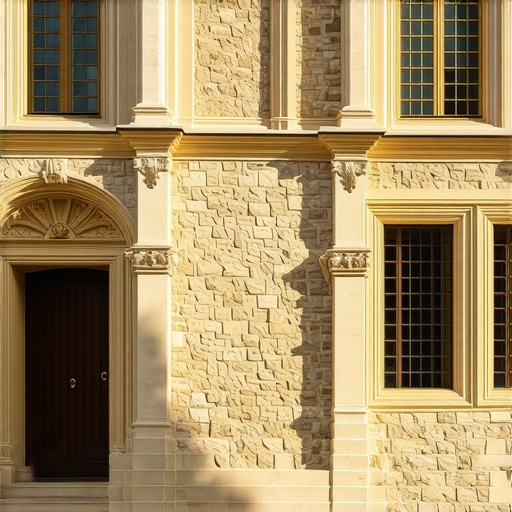
This compelling question challenges restorers who balance preservation with modernization, especially in heritage buildings. Modern reinforcement techniques can often be discreetly integrated to honor historical aesthetics while providing essential safety upgrades. For instance, surface-mounted carbon fiber systems can reinforce structural elements without altering the building’s appearance. Engaging specialists with expertise in heritage conservation ensures that interventions respect the building’s original character while enhancing its resilience. For case studies and best practices in historic masonry restoration, see trusted facade cleaning and restoration insights.
Discover more about emerging methods in masonry preservation and join the discussion by sharing your projects or insights in the comments section or through our professional network.
Harnessing Material Science to Prevent Masonry Fatigue
Recent advances in material science have opened new avenues for enhancing masonry resilience. The development of nano-engineered sealants and fiber-reinforced mortars specifically addresses micro-level deterioration mechanisms, providing superior bonding strength and crack bridging capabilities. These innovations not only extend the lifespan of repairs but also create a dynamic barrier against environmental stressors that traditionally accelerate masonry fatigue. Implementing such cutting-edge materials requires a keen understanding of their properties and compatibility with existing structures, emphasizing the need for specialized training and rigorous testing protocols. For a comprehensive review of these materials, consult the journal of Materials Science in Construction.
How to Integrate Structural Health Monitoring for Continuous Assessment
Can IoT and Sensor Technologies Revolutionize Masonry Maintenance?
Incorporating Internet of Things (IoT) devices into masonry structures represents a disruptive shift toward predictive maintenance. Embedded sensors monitor parameters such as strain, moisture levels, and temperature in real time, providing invaluable data to engineers. This continuous assessment capability enables early detection of anomalies before visible damage manifests, allowing interventions tailored to actual deterioration patterns. Such systems can also be programmed to trigger alerts or automated repairs, optimizing lifecycle costs and preventing catastrophic failures. According to a recent study published by the International Journal of Structural Monitoring, deploying sensor networks in historic and modern masonry can reduce maintenance costs by up to 30% while extending asset lifespan.
Interested in integrating such technologies into your projects? Engage with specialists experienced in structural health monitoring systems for masonry assets to develop a customized approach that aligns with your building’s unique characteristics.
Challenges in Rehabilitating Heritage Masonry Structures
Restoration of historic masonry demands a delicate balance between preservation and functionality. Modern interventions must respect original craftsmanship and materials, which often complicates repairs. For example, the use of high-performance modern mortars can sometimes lead to mismatched thermal expansion coefficients, creating new stress points. Therefore, selecting compatible materials that emulate historic aesthetics while providing durability involves rigorous testing and bespoke formulation. According to the National Park Service’s Preservation Briefs, understanding the original construction techniques and material composition is essential for successful rehabilitation. This process often involves non-destructive testing methods such as X-ray fluorescence (XRF) analysis and petrographic examination, enabling restorers to make informed decisions that honor the building’s integrity.
For professionals involved in heritage masonry, staying current with emerging materials and techniques—such as risk-based assessment models—can significantly improve restoration outcomes. To explore these methods more deeply, consider reviewing the comprehensive guidelines provided by organizations like the National Park Service Preservation Services.
Fostering Sustainable Masonry Practices for Future Generations
Finally, integrating sustainability principles into masonry repair and maintenance has become paramount. The adoption of environmentally friendly binders, recycled aggregates, and low-emission sealants reduces the carbon footprint of restoration projects. Moreover, incorporating water-repellent, breathable coatings helps maintain moisture balance, preventing decay while allowing the structure to ‘breathe.’ Engaging with sustainable sourcing and lifecycle analysis ensures that projects contribute to broader ecological goals without compromising structural integrity. The sector’s shift toward green masonry practices aligns with global initiatives aimed at reducing construction sector emissions, as highlighted by the Green Building Council’s recent reports. For practitioners eager to implement these strategies, participating in continuing education programs focused on sustainable construction materials is highly recommended.
Harnessing Advanced Material Science for Future-Proof Masonry Repairs
Recent breakthroughs in nanotechnology and fiber-reinforced composites are transforming masonry repair paradigms. Integrating nano-engineered sealants enhances permeability control and crack resistance, while fiber-reinforced mortars provide superior tensile strength, bridging microcracks before they propagate. These innovations extend the service life of repairs significantly, ensuring longevity amid escalating environmental challenges. For practitioners aiming to leverage these developments, consulting peer-reviewed journals such as Materials Science in Construction offers invaluable insights.
The Role of Digital Twins in Structural Heritage Conservation
The advent of digital twin technology facilitates comprehensive, real-time monitoring of masonry structures, enabling predictive maintenance and nuanced intervention planning. By creating virtual replicas embedded with sensor data, engineers can simulate environmental impacts, load stresses, and deterioration processes, allowing for pre-emptive repairs that preserve structural integrity and historical authenticity. Engaging with software providers specializing in digital twin solutions can revolutionize heritage conservation management and optimize resource allocation.
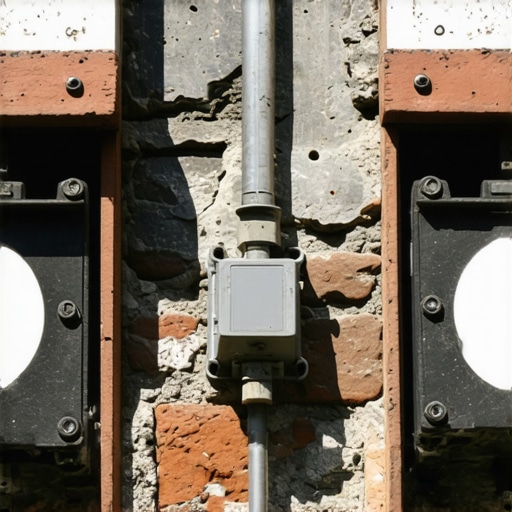
Decoding the Hidden Threats Wreaking Havoc on Masonry Stability
While surface cracks and discoloration are conspicuous indicators, clandestine factors like micro-erosion from chemical pollutants or subterranean moisture migration silently compromise masonry cores. These issues often evade traditional inspections, necessitating advanced diagnostic tools such as ground-penetrating radar and ultrasonic tomography. Regular surveillance employing these technologies allows for early detection of subsurface vulnerabilities, safeguarding against catastrophic failures and ensuring preservation priorities are met with precision.
Marrying Heritage Conservation with Modern Engineering Solutions
Bridging the gap between historical fidelity and structural resilience requires innovative methodologies. Techniques like concealed carbon-fiber reinforcement systems can bolster load-bearing capacity without disturbing visual heritage elements. Additionally, employing reversible and compatible repair materials aligns with conservation principles, providing durability while respecting original craftsmanship. Expertise in heritage-sensitive interventions ensures that modernization does not come at the expense of authenticity, fostering structures that honor their past while serving future generations.
Unlocking Sustainability in Masonry Revival Projects
Greater ecological mindfulness drives the adoption of low-impact materials and energy-efficient repair practices. Utilization of recycled aggregates, bio-based binders, and breathable, water-repellent coatings minimizes environmental footprints while maintaining performance standards. Integrating lifecycle assessment models into project planning emphasizes durability and recyclability, aligning restoration efforts with sustainable development goals. Industry leaders advocate for certification programs certifying sustainability compliance, guiding practitioners toward greener pathways.
Advanced Restoration Technologies Changing the Game
Emerging techniques such as laser cleaning and electrochemical corrosion inhibition offer non-invasive, precise restoration options. Laser ablation removes pollutants and deterioration deposits with minimal substrate disturbance, reducing the need for aggressive chemical treatments. Electrochemical methods can rejuvenate corroded reinforcements within concrete mass, halting deterioration at its source. Staying abreast of these advanced tools empowers specialists to deliver superior outcomes and extend the lifespan of masonry assets significantly.
Strategic Implementation of Structural Monitoring Systems
Are IoT Networks Critical for Maintaining Masonry Integrity Over Time?
Embedding sensor networks within masonry elements enables continuous assessment of parameters such as strain, humidity, and temperature, facilitating proactive responses to emerging issues. These systems support data-driven decision-making, prioritizing interventions based on real-time analytics. As the construction industry moves toward intelligent infrastructure, integrating Internet of Things (IoT) technologies becomes indispensable for long-term preservation and resilience. Partnering with specialized firms that develop tailored monitoring solutions can significantly enhance structure safety and operational efficiency.
Expert Insights That Reshape Masonry Maintenance
Pioneering Materials Enhance Longevity
Utilizing nano-engineered sealants and fiber-reinforced mortars, experts are pushing the boundaries of masonry repair, resulting in structures that withstand environmental stressors more effectively and extend service life significantly.
Harnessing Technology for Continuous Monitoring
Integrating IoT sensors into masonry elements allows for real-time health assessments, enabling proactive maintenance and early detection of potential issues before visible damage occurs, thus safeguarding structural integrity over time.
Balancing Heritage and Innovation
Modern reinforcement techniques, such as concealed carbon fiber systems, facilitate strengthening historic structures discreetly, respecting their original character while ensuring improved resilience for future generations.
Adopting Sustainable Practices Matters
Eco-friendly materials like recycled aggregates, breathable water-repellent coatings, and low-impact binders are transforming masonry restoration into an environmentally conscious process, aligning durability with sustainability goals.
Staying Ahead with Cutting-Edge Solutions
Emerging methods like laser cleaning and electrochemical corrosion inhibition provide non-invasive, precise options for maintaining masonry structures, reducing repair time and enhancing longevity.
Trusted Resources for Advanced Masonry Care
- Materials Science in Construction: Offers comprehensive research on nano-engineered sealants and innovative repair materials.
- International Journal of Structural Monitoring: Insights on sensor technology integration and predictive maintenance strategies.
- National Park Service Preservation Briefs: Guidelines on heritage conservation techniques and compatible reinforcement approaches.
- Green Building Council Publications: Resources on sustainable masonry practices and eco-friendly material adoption.
- Construction Technology Journals: Explore emerging technologies like laser cleaning and electrochemical repair methods.
Synthesizing the Future of Masonry Integrity
The evolution of masonry repair underscores a shift towards materials and methods that harmonize durability, heritage preservation, and sustainability. These high-impact insights advocate for a proactive, technologically empowered approach that not only extends the lifespan of masonry assets but also respects their historical and environmental significance. For professionals committed to excellence, diving into these advanced resources and adopting innovative techniques will ensure your projects stand resilient amid changing demands. Engage with us to share your expertise or explore further innovations in sophisticated masonry restoration, strengthening the field’s integrity and potential.