
The Forensic Scene: When the Wall Whispers
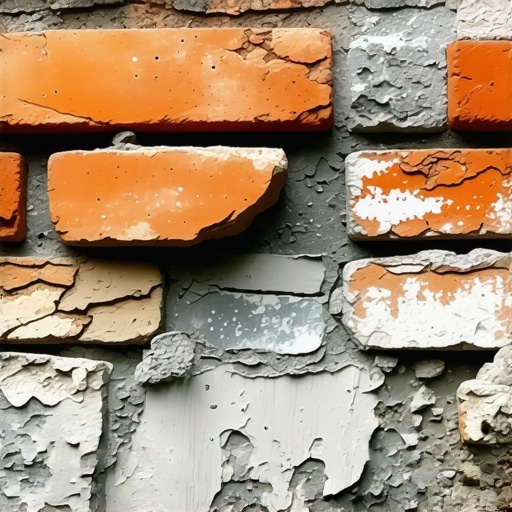
I was called out to an old industrial conversion where the homeowner thought they just had a bit of a cleaning problem. Every morning, a fine, tan powder would settle on the floor along the baseboards. They’d sweep it up; the next day, it was back. They thought it was sawdust. I walked up to that wall, took a simple 16-penny nail from my pocket, and pushed it three inches deep into the mortar joint with nothing but thumb pressure. The mortar didn’t just crumble; it turned into a dry, lifeless vapor. This wasn’t just a maintenance issue; it was a structural masonry inspection nightmare. The wall was essentially standing by gravity and habit alone. The culprit? A previous owner had ‘beautified’ the exterior with a high-strength Portland cement over the original lime-based mud, effectively sealing the building’s lungs and causing the interior face of the joints to turn to dust through sheer suffocation. This is the reality of crumbling mortar joint repair—it is never just about what you see on the surface; it is about the forensic chemistry happening inside the wall.
“Water penetration is the single greatest threat to masonry durability.” – BIA Technical Note 7
The Physics of the Sacrifice: Why Soft is Strong
In the world of historic restoration, we live by a rule that sounds backwards to the modern ‘lick-and-stick’ contractor: The mortar must always be softer than the brick. This is the ‘Sacrificial Principle.’ When you are dealing with pre-1940s masonry, the bricks were fired at lower temperatures, making them porous and relatively soft. They breathe. They expand and contract with the seasons. If you shove a modern, Type S Portland cement—which has a high compressive strength and zero flexibility—into those joints, you’ve essentially put a steel bar between two sponges. When the wall shifts, the mortar won’t give. Instead, the brick face will pop off in a process called spalling. This is why a historic mortar analysis is the first step in any real repair. We aren’t just looking for color; we are looking for the aggregate-to-binder ratio. We are looking for the ‘tooth’ of the sand. If you don’t match the vapor permeability, you are essentially sentencing that wall to death by brick veneer detachment repair needs within a decade.
The Chemistry of Decay: Carbonation vs. Hydration
To understand why your mortar is turning to dust, we have to micro-zoom into the hydration of lime. Modern cement cures through a rapid chemical reaction called hydration. Historic lime mortar, however, cures through carbonation. It absorbs CO2 from the air over decades, slowly turning back into limestone. This process allows for ‘autogenous healing’—where small hairline cracks actually seal themselves as lime leaches into the void and recarbonates. When you see mortar turning to dust, it usually means one of three things: the carbonation process was interrupted by a premature ‘flash set’ in the sun, the mortar was ‘burned’ by too much heat during the mix, or moisture has been trapped behind a non-breathable coating, like a modern elastomeric paint or an ill-conceived green roofing masonry integration project that didn’t account for vertical drainage. The moisture sits in the joint, the lime dissolves, and you’re left with nothing but a handful of dry sand.
The Tool Kit: Essential Tuckpointing Tools for DIY
If you’re going to fix this, put down the bag of pre-mixed ‘All-Purpose’ mortar from the big-box store. That stuff is poison for old brick. You need a hawk to hold your mud, a slicker (or tuckpointer) that is narrower than your joint, and a mash hammer for the chisel work. For a proper masonry joint sand repair, you can’t just ‘butter’ over the old stuff. That’s a ‘handyman special’ that will flake off in the first frost. You have to grind or chisel out the old joints to a depth of at least twice the width of the joint—usually about 3/4 of an inch to a full inch. This creates a mechanical ‘key’ for the new mud to bite into. Without that depth, the new mortar has no structural integrity; it’s just a cosmetic skin. If you are doing a chimney repair services level job, you’ll also need a dust shroud for your grinder, unless you want your neighbors to hate you.
“The lime should be slaked with water long before it is required for use, so that if any part is not sufficiently burnt, it may be dissolved by long immersion.” – Vitruvius, De Architectura
The Execution: Slicing the Mud and Striking the Joint
Mixing the mud is an art. You want it ‘thumb-print’ hard. If it’s too wet, it will smear and stain the brick (a rookie mistake). If it’s too dry, it won’t bond. You want to butter the back of your slicker and pack the mortar into the joint in ‘lifts’ or layers. Don’t try to fill a one-inch void in one go. Pack 1/4 inch, let it reach ‘thumb-print’ firmness, then pack the next layer. This prevents shrinkage cracks. When the final layer is firm, you ‘strike’ the joint. This isn’t just for looks; it’s for compaction. By pressing the tool into the joint, you are densifying the surface, making it more resistant to water penetration. In a fire-rated masonry installation, this compaction is what prevents gas migration through the wall. For those using AI masonry assessment tools, you’ll find that the algorithms look specifically for the consistency of these struck joints to determine the health of the facade.
The Mason’s Verdict: Do it Once, or Do it Twice
I’ve seen too many homeowners spend thousands on chimney repair services only to have the same cracks reappear two years later because the contractor used ‘hot’ cement on cold-weather brick. If your mortar is turning to dust, it’s a forensic signal that the wall is out of equilibrium. Whether it’s a brick veneer detachment repair or a simple repointing, the logic remains the same: respect the original materials. Use a lime-heavy mix (Type O or Type K for historic work), ensure your masonry joint sand repair matches the local grit, and never, ever trust a ‘lick-and-stick’ solution. A wall that has stood for a century deserves a repair that will last another. If you treat the wall like a living, breathing thing, it will protect you. If you treat it like a dead stack of rocks, it will crumble at your feet.