
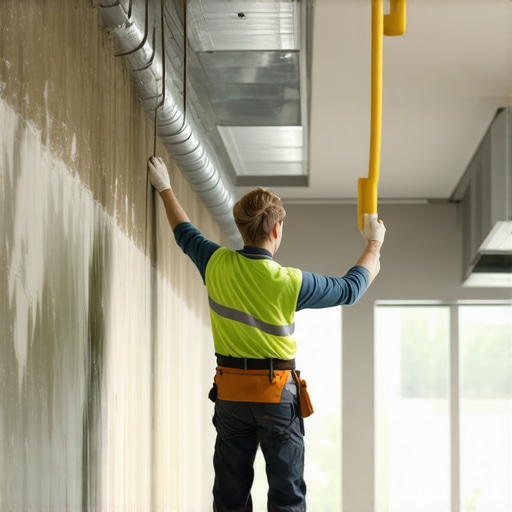
How to Stop Emergency Roof Leaks in Office Buildings Caused by Damp Masonry
When a facility manager receives a call at 3:00 AM regarding an Emergency Roof Leak for Office Building operations, the immediate reaction is often one of panic. It isn’t just about water dripping into a bucket; it is about the threat to expensive IT infrastructure, the potential for mold growth that compromises tenant health, and the long-term structural integrity of the asset. In the world of commercial real estate, downtime is a capital killer. However, after years of inspecting structures as a field consultant, I have noticed a recurring pattern: the “roof” leak is often not a roof leak at all.
For many business owners, the assumption is that the flat roof membrane – whether it be TPO, EPDM, or built-up roofing – has failed. They call a roofer, who applies a patch, and yet, the next wind-driven rainstorm brings the same ceiling tiles crashing down. This is because the water isn’t coming through the horizontal surface; it is migrating through the vertical masonry. To truly stop an emergency leak, you must look beyond the membrane and address the “damp masonry” that acts as a conduit for moisture. Understanding the relationship between your building’s masonry and its roofing system is the first step toward permanent asset protection.
Why Commercial Roof Leaks Aren’t Always About the Membrane
In the commercial roofing industry, we often talk about the “Building Envelope.” This term refers to the physical separator between the conditioned and unconditioned environment of a building. It includes the foundation, walls, windows, and the roof. When an Emergency Roof Leak for Office Building occurs, most stakeholders focus solely on the roof component of that envelope. However, the building envelope is a singular, integrated system.
Many commercial buildings utilize porous materials like brick, stone, or concrete block for their exterior walls. While these materials are durable, they are not naturally waterproof. They are water-resistant, meaning they can shed a certain amount of water, but under the pressure of a heavy storm, they can become saturated. Once masonry becomes “damp masonry,” it begins to hold moisture like a sponge. According to moisture control guidance from the EPA and major roofing associations, most flat roof leaks are preventable if the building envelope is managed as a whole rather than as isolated parts. If your masonry is saturated, gravity will eventually pull that moisture down, often bypassing the roof’s flashing and appearing as a leak inside the office space.
This migration is particularly common in older office buildings where the mortar joints have begun to degrade. When the mortar – the “glue” holding your bricks together – fails, it creates microscopic (and sometimes macroscopic) pathways for water to enter. This water doesn’t just stay in the wall; it travels behind the termination bar of your roofing membrane, leading to what looks like a catastrophic failure of the Commercial Roof Leak protection system, when in reality, the roof is performing exactly as designed.
The Hidden Culprit: Damp Masonry and Parapet Walls
If there is one area where the building envelope is most vulnerable, it is the parapet wall. These are the walls that extend above the roofline, often providing an aesthetic finish or acting as a fire barrier. Because parapet walls are exposed to the elements on both sides (the exterior face and the roof-side face), they take twice the abuse of a standard wall. They are the first line of defense against high winds and driving rain, and consequently, they are the first part of the masonry to fail.
When rain hits a parapet wall, it doesn’t just run off. Through a process called capillary action, moisture is “sucked” into the pores of the brick. If the masonry is not properly sealed, it becomes saturated. During a heavy storm, this saturated masonry “dumps” water into the building interior. Because the parapet is located directly above the roof-to-wall transition, the water enters the wall cavity and drips onto the ceiling grid below. This is Why a Commercial Roof Leak Often Starts in the Parapet Walls.
Furthermore, the flashing – the metal or membrane transition that connects the roof to the wall – is only as good as the substrate it is attached to. If the brick behind the flashing is crumbling or damp, the seal will fail. Wind-driven rain can be forced upward and behind the flashing, leading to a major emergency. Without addressing the porosity of the brick and the integrity of the mortar joints, no amount of roofing cement will stop the intrusion.
Immediate Steps: What to Do During an Emergency Roof Leak
When you are in the middle of an active Emergency Roof Leak for Office Building, you don’t have time for a full masonry analysis. You need to act fast to minimize damage. Follow this 4-step protocol:
- Prioritize Safety: Water and electricity are a lethal combination. If water is leaking near server racks, electrical panels, or lighting fixtures, shut off power to those zones immediately. Use “Wet Floor” signs to prevent slip-and-fall accidents among staff or tenants.
- Mitigate Interior Damage: Use heavy-duty trash cans or specialized “leak diverters” (tarp-like funnels) to catch water. Move computers, furniture, and sensitive documents away from the leak site. If ceiling tiles are saturated, remove them carefully before they collapse.
- Document Everything: Take photos and videos of the leak, the damaged interior, and the roof area directly above the leak. This is crucial for insurance claims and for helping a specialist diagnose the point of entry.
- Call a Professional: You need an Emergency Commercial Roofer who understands more than just shingles and membranes. You need someone who can identify if the water is coming through a puncture in the TPO or if it is migrating through the masonry.
While the emergency roofer provides the “band-aid” to stop the immediate flow, your next step must be a long-term solution that addresses the root cause: the damp masonry.
Long-Term Fixes for Masonry-Induced Leaks
Once the storm has passed and the immediate emergency is over, it is time to move beyond the “patch” mentality. As I often tell my clients, “A patch on the membrane won’t stop water that is entering through a crumbling mortar joint three feet above the roofline.” To ensure your office building remains dry, you must implement professional masonry restoration and waterproofing strategies.
Tuckpointing and Mortar Repair
If your mortar joints are cracked or receding, they are essentially open doors for water. Tuckpointing involves removing the old, damaged mortar and replacing it with new, high-quality mortar that matches the original strength and color. This restores the structural integrity and the water-shedding capability of the wall.
Breathable Sealants
Many owners make the mistake of painting their brick or using “waterproof” coatings that act like plastic wrap. This is a recipe for disaster. Masonry needs to “breathe” to allow internal moisture to escape. If you trap moisture inside a brick wall with non-breathable paint, the freeze-thaw cycle will cause the face of the brick to pop off (spalling). Instead, you should look into Why masonry waterproofing solutions are better than paint. We recommend silane or siloxane-based sealers that penetrate deep into the brick to create a hydrophobic barrier while remaining vapor-permeable. This is the gold standard for Stopping damp walls with invisible sealers.
Waterproofing Saturated Brick
If your building is already dealing with high moisture levels, you need a specific approach for How to waterproof a brick wall that is already damp. This involves ensuring the wall is clean, the joints are sound, and the sealer used is compatible with the existing moisture content. Applying the wrong product to a damp wall will result in a failed bond and a waste of capital.
Parapet Stabilization
If the parapet wall is structurally unsound or leaning, it may require more than just a sealer. However, you don’t always need a full tear-down. Modern techniques allow for Stabilizing Commercial Parapet Walls Without a Full Tear-Down, utilizing helical ties and internal reinforcement to secure the wall and prevent the movement that causes flashing to tear.
Prevention: The Role of Commercial Masonry Maintenance
The most cost-effective Emergency Roof Leak for Office Building is the one that never happens. Prevention is rooted in regular maintenance and a deep understanding of the building envelope. A mid-year check is vital for commercial properties. During these inspections, we look for early warning signs: efflorescence (white powdery salt deposits), small cracks in mortar, or moss growth on the brick. These are all indicators that the masonry is holding too much water.
Moisture control is fundamental to building design. By staying ahead of these issues, you extend the life of both your masonry and your roofing system. This is Why commercial masonry maintenance prevents emergency repairs. When you invest in the facade, you are directly protecting the roofing membrane from the “top-down” moisture intrusion that most roofers aren’t trained to see.
Finding a Professional Partner
When dealing with complex building envelope issues, you need a partner who understands the intersection of roofing and masonry. Whether you are in the middle of a crisis or planning your next capital improvement project, working with experts who prioritize the root cause of the leak is essential.
Conclusion & Call to Action
An Emergency Roof Leak for Office Building operations is a high-stakes event, but it doesn’t have to be a recurring nightmare. By shifting your perspective from “just the roof” to the entire “building envelope,” you can identify the true source of moisture intrusion. Remember, the roof and the walls work as a single system; if one fails, the other is soon to follow. Damp masonry and failing parapet walls are the silent culprits behind many of the most frustrating commercial leaks.
Don’t wait for the next major storm to test your building’s defenses. Take a proactive approach to your property’s health. Schedule a comprehensive building envelope assessment today to identify vulnerabilities in your masonry and roofing before they become expensive emergencies. Protect your tenants, your equipment, and your bottom line by addressing the root cause of the leak once and for all.