
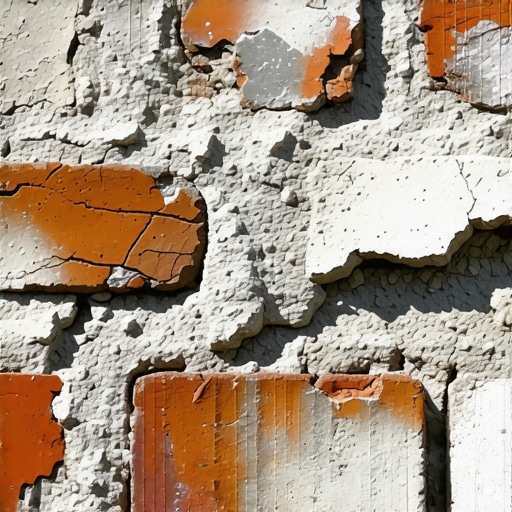
3 Reasons Your Brick Mortar is Turning to Sand
I remember my Uncle Joe, a man who had more limestone under his fingernails than blood in his veins, standing before a 19th-century warehouse in Philadelphia. He didn’t just look at the crumbling mortar joint repair jobs the previous ‘handymen’ had botched; he reached out and caught a handful of falling dust. He rubbed it between his thumb and forefinger, held it to his nose, and growled, ‘That’s the smell of a dying wall, kid. They fed it Portland cement when it wanted lime.’ He knew that when mortar turns to sand, the building is trying to tell you it’s being suffocated from the inside out. As a third-generation mason, I’ve seen this story play out a thousand times. You walk out to your porch or look at your chimney, and there it is: a pile of fine, gritty sand on the ledge. It’s not just an aesthetic nuisance; it’s a structural masonry inspection emergency waiting to happen.
1. The Portland Poisoning: Incompatible Mortar Mixes
The most common reason for brick wall restoration failure is the use of high-strength modern cements on historic, soft-fired bricks. Before the mid-1940s, most bricks were fired in kilns that produced a unit much softer and more porous than today’s extruded products. These bricks were designed to work in tandem with lime-based ‘mud.’ Lime mortar is breathable and, crucially, softer than the brick itself. In the masonry world, we have a golden rule: the mortar must always be the sacrificial lamb. It is designed to take the brunt of the environmental stress, to crack first, and to erode slowly over 50 years.
“The use of mortar that is stronger than the masonry units can lead to irreparable damage, as stresses that should be relieved in the joints are transferred to the units themselves.” – BIA Technical Note 1
When a modern contractor slaps a high-psi, Type S high-performance mortar mixes onto an 1890s soldier course, they are creating a structural trap. Portland cement is nearly impermeable. When moisture enters the wall—and it always does—it can’t evaporate through the hard cement joints. Instead, it’s forced into the soft brick. During a freeze-thaw cycle, that water expands by 9%, and because the ‘mud’ won’t budge, the face of your brick pops off in a process called spalling. The mortar behind it, trapped and unable to properly carbonate, loses its chemical bond and reverts to its base component: sand.
2. The Silent Killer: Hydrostatic Pressure and Rising Damp
If your foundation crack repair hasn’t addressed drainage, your mortar is doomed. Capillary action is a beast. Groundwater wicks up through the pores of your masonry like a sponge, carrying dissolved salts with it. As the water evaporates at the surface, the salts crystallize. This is called subflorescence. These salt crystals grow with enough force to shatter the internal structure of the mortar, turning a once-solid joint into a gritty mess that you can scrape out with a car key. This is why tuckpointing brick walls is more than just a cosmetic fix; it’s about restoring the ‘wicking’ balance of the facade. In modern digital twin masonry projects, we use thermal imaging and moisture mapping to see exactly where this hydrostatic pressure is highest. If you see sand at the base of your wall, you aren’t just looking at old mortar; you’re looking at a structural masonry inspection red flag that suggests your exterior grade is too high or your weeping holes are clogged.
3. The Flash Set: Improper Application in Heat
In hotter climates, the reason for crumbling mortar joint repair needs is often ‘flash setting.’ If a mason applies ‘mud’ to a bone-dry brick without pre-wetting it, the brick acts like a vacuum. It sucks the hydration right out of the mortar before the chemical crystalline structures have time to form. This leaves the joint ‘burnt.’ It looks like mortar, but it has no ‘tooth.’ It never truly bonds. When we perform a brick lintel replacement or a complex masonry birdsmouth cuts installation, we have to manage the moisture profile of every unit. If the mortar dries in twenty minutes instead of two hours, it hasn’t cured; it’s just dried out. This leads to a ‘cold joint’ where the bond is non-existent, and within a few seasons, the wind alone will start whipping the sand out of the joints.
“Mortar should be prepared to achieve a balance of workability, water retention, and durability as specified in ASTM C270 standards.” – ASTM Standards for Masonry
The Forensic Fix: Beyond the Surface
When I’m called out for a brick wall restoration, I’m not just looking to ‘butter’ the joints and leave. I’m looking at the physics. If the brick lintel replacement wasn’t done with proper flashing, the water is being channeled directly into the mortar beds. If the metallic brick colors application used on a modern renovation didn’t account for the vapor drive of the substrate, the wall is likely ‘sweating’ behind its skin. To fix a wall that’s turning to sand, you have to grind out the failing material to a depth of at least 2.5 times the width of the joint. We use a hawk and a slicker to tightly pack the new, historically accurate lime-rich mud into the void. This isn’t a job for a ‘handyman special.’ It requires an understanding of the suction rate of the brick and the carbonation depth of the lime. If you ignore the sand today, you’ll be paying for foundation crack repair and structural shoring tomorrow. Don’t let a $10 bag of the wrong cement destroy a $100,000 historic asset. Respect the trade, respect the chemistry, and for heaven’s sake, keep the Portland away from the old stuff.