
The Forensic Scene: When a Hairline is a Heart Attack
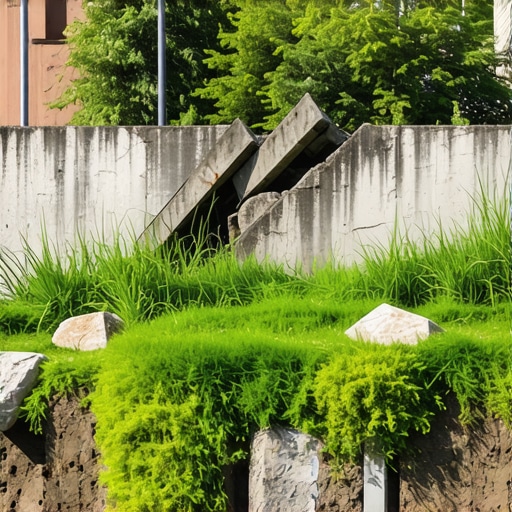
I recently stood on a sloping lot in the dead of a wet November, looking at what the homeowner described as a “minor cosmetic crack” in a forty-foot dry-stack limestone wall. To the untrained eye, it was a hairline fracture. But when I slid my fiber-optic scope into the void behind the soldier course, I didn’t see solid backfill. I saw a cavern of eroded fines and structural steel that had been oxidized to the point of looking like wet graham crackers. The structural integrity hadn’t just been compromised; it had vanished. That wall wasn’t holding back the earth anymore; it was merely a mask for a landslide waiting for the next heavy rain. This is the reality of forensic masonry. You have to look past the face and see the physics of the core. Most people wait until the wall is in their neighbor’s yard to call a pro, but by then, you aren’t looking at a repair—you’re looking at a total excavation and a massive bill.
“Water penetration is the single greatest threat to masonry durability, leading to the gradual dissolution of binder materials and the corrosion of internal reinforcements.” – BIA Technical Note 7
1. The Deflection of the Plumb Line: The 9% Expansion Rule
The first and most damning sign of a wall that has reached its terminal stage is “the lean.” In the trade, we call this deflection or surcharge failure. When you’re in a climate prone to the freeze-thaw damage restoration cycle, you are fighting a battle against the molecular expansion of water. When water trapped in the soil behind a wall freezes, it expands by roughly 9%. This creates a massive amount of lateral pressure that pushes against the back of your masonry. If your drainage is clogged or non-existent, that wall will eventually start to tilt. Once a wall moves more than a few degrees out of plumb, the center of gravity shifts. At that point, the friction holding the units together—the “tooth” of the stone or the bond of the high-performance mortar mixes—is no longer sufficient to counteract the weight of the saturated earth. This is often when we see brick veneer detachment repair becoming a losing battle; the facade is literally being peeled away from the structural backup. If you see a belly in the wall or a leaning top edge, foundation underpinning might save a house, but for a retaining wall, it’s usually time to pull the plug and start over with a proper digital twin masonry projects analysis to ensure the new wall can handle the actual loads.
2. Advanced Spalling and the Failure of the Binder
Second, we look at the chemistry of the units themselves. If you walk up to your wall and can pick off flakes of stone or brick with your fingernail, you’re looking at advanced spalling. This isn’t just an aesthetic issue; it’s a structural disintegration. In older walls, this often happens because some “handyman” used a modern, hard Portland cement for historic brickwork repointing on soft, lime-based bricks. The hard cement traps moisture inside the softer brick. When that moisture freezes, it doesn’t pop the mortar; it pops the face of the brick. You’ll see the retaining wall capstone replacement needs becoming more frequent as the top of the wall disintegrates. When the core of the masonry units begins to turn to powder, no amount of tuckpointing curved walls or surface-level patching will restore the compressive strength. I’ve seen homeowners try to “butter” over these areas with fresh mud, but it’s like putting a bandage on a gunshot wound. The bond is gone. At this stage, the wall has lost its ability to shed water, and the moisture is migrating deep into the self-healing concrete foundations if they were even used. When the binder fails at the molecular level, the wall is a ghost.
“The durability of a masonry wall is contingent upon the sacrificial nature of the mortar; if the mortar is harder than the masonry unit, the unit will inevitably fail.” – ASTM C270 Standards
3. The “Cold Joint” Separation and Foundation Heaving
The third sign is the presence of massive horizontal shifts or the opening of a cold joint. A cold joint occurs when two pours of concrete or two sections of masonry don’t bond properly, usually because the first section set before the second was applied. In a failing retaining wall, you’ll see this as a stair-step crack that doesn’t just sit there—it widens. This usually indicates that the footing itself is failing. Whether it’s due to poor compaction or a lack of foundation underpinning, the wall is sinking at different rates. If the wall was built with a hawk and trowel by a master, it might resist for a while, but eventually, the shear forces will snap the bond. You might also notice that the chimney rebuild services you had to call for the house are related; if the retaining wall fails, the soil stability for the entire property can shift. We are now seeing technologies like self-healing concrete foundations that use bacteria to seal microscopic cracks, but for an old, heaving wall, that’s science fiction. You need a total rebuild that addresses the geotechnical failure. Don’t be fooled by anyone who says they can just “inject” some epoxy and call it a day. If the base has moved, the wall is dead. You need to excavate, fix the drainage, and use a slicker to finish joints that are actually designed to shed water, not trap it.