Tuckpointing Services: How to Improve Masonry Durability & Appearance
Enhancing Masonry Longevity Through Advanced Tuckpointing Techniques
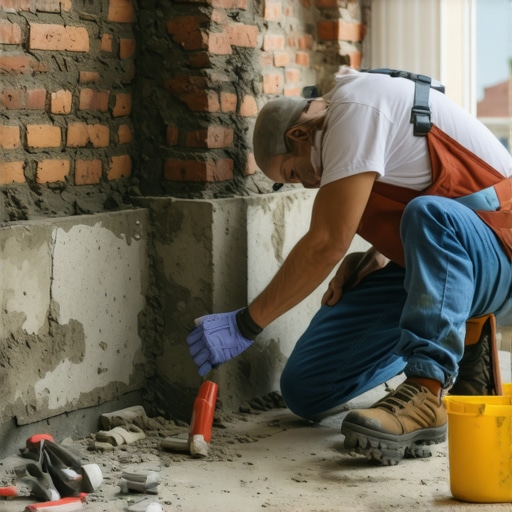
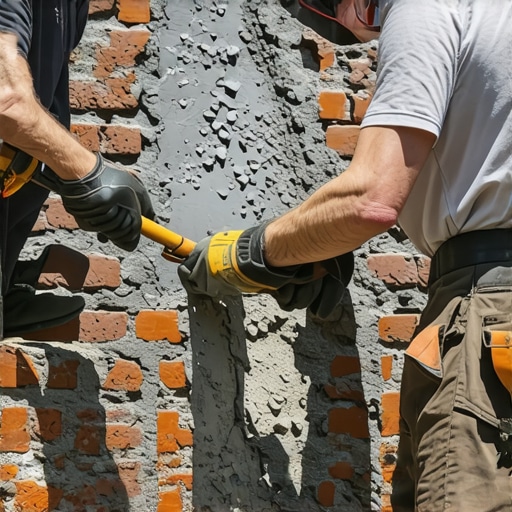
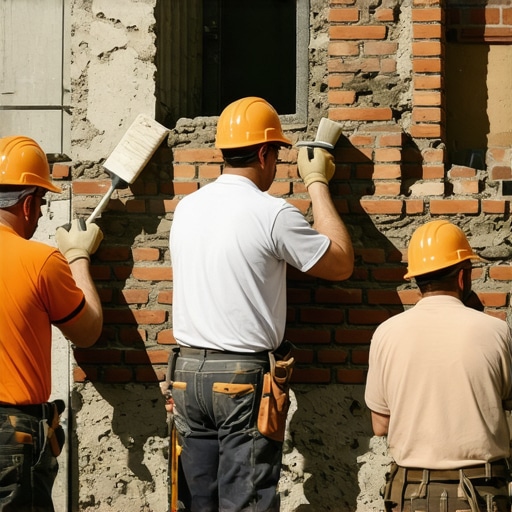
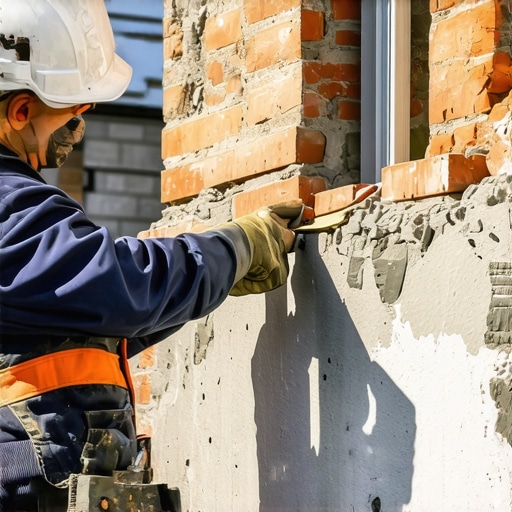
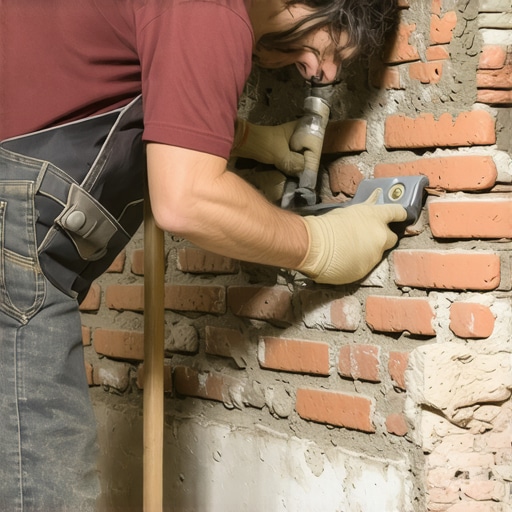
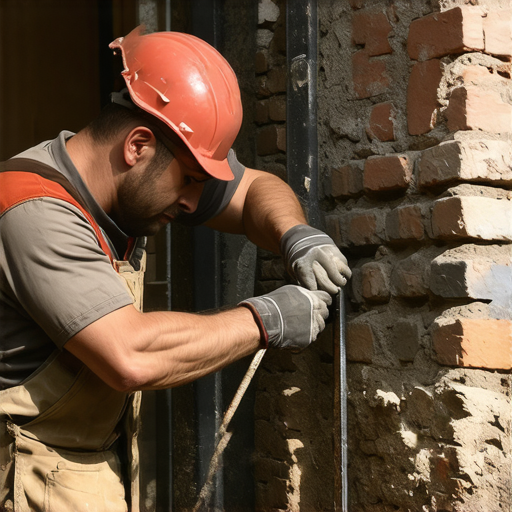
In the domain of masonry preservation, tuckpointing stands as a critical intervention to rejuvenate brick structures, ensuring both structural integrity and visual appeal. Expert practitioners leverage meticulous mortar selection and precision joint repair to prevent water infiltration, a leading catalyst of deterioration. This process not only prolongs the lifespan of masonry but also preserves its historical authenticity, especially when integrated with facade cleaning and restoration strategies.
Decoding the Role of Foundations in Masonry Sustainability
The foundation acts as the backbone of any masonry edifice. Advanced foundation repair and maintenance significantly mitigate settling issues that propagate cracks and uneven surfaces. Professionals assess subsurface conditions using diagnostic tools like ground-penetrating radar, enabling targeted interventions such as underpinning or concrete patching, which reinforce stability and prevent costly future repairs.
Innovative Approaches to Concrete Patching for Long-Lasting Repairs
Concrete patching, often underestimated, is pivotal in addressing localized spalling and surface delamination. Modern materials like polymer-modified overlays and high-strength cement mixtures provide seamless integration with existing surfaces. When executed with expert precision, these repairs resist environmental stressors and reduce the frequency of overhaul, aligning with principles found in concrete repair guides.
Revitalizing Building Facades for Lasting Curb Appeal
Facade cleaning transcends superficial aesthetics—properly restored surfaces protect underlying masonry from moisture ingress, biological growth, and pollutant accumulation. Techniques like low-pressure washing and chemical treatments are selected based on material compatibility, ensuring durability. Enhanced curb appeal also elevates property values and market competitiveness, as outlined in facade restoration insights.
What are the emerging materials and methods redefining masonry repair standards?
Field experts continually experiment with nanotechnology-infused sealants and fiber-reinforced mortar mixes, promising unprecedented resilience against weathering. Analyzing these innovations requires understanding their compatibility with traditional masonry, cost implications, and long-term performance—a complex calculus mastered by specialists in the sector. Engage with our comprehensive resources or contribute your expert insights to shape future standards in masonry restoration.
For deeper insights into comprehensive masonry repair solutions, visit this authoritative guide.
Strategic Maintenance: The Key to Masonry Durability
When it comes to preserving masonry structures, routine maintenance is often overlooked yet fundamentally essential. Implementing a proactive maintenance plan that includes regular inspections, immediate mortar repointing, and timely facade cleaning can significantly extend the lifespan of masonry. Such strategic approaches prevent minor issues from escalating into costly repairs, aligning with best practices outlined in trustworthy masonry repair guides.
Choosing the Right Materials for Long-Lasting Repairs
The selection of repair materials profoundly influences the durability of masonry restoration efforts. Experts advocate for the use of breathable, compatible mortars and high-quality concrete patches tailored to withstand environmental stressors. Utilizing advanced materials like polymer-modified overlays can ensure seamless surface restoration and resistance against moisture infiltration, a principle reinforced via expert concrete patching techniques.
Addressing Foundation Movements to Prevent Cracks
Foundation movements often manifest as cracks, compromising structural integrity over time. Diagnostic tools such as laser scanning and ground-penetrating radar facilitate precise assessments, enabling targeted interventions like underpinning or foundation underpinning and concrete patching. These actions stabilize the structure and prevent further deterioration, echoing the insights from foundation stabilization strategies.
How can integrating innovative materials redefine standards in masonry repair and longevity?
Emerging materials, including nanotechnology-enhanced sealants and fiber-reinforced mortars, promise revolutionary improvements in masonry durability. Their superior bonding, flexibility, and weather resistance make them attractive choices for high-performance repairs. However, assessing their long-term compatibility with traditional structures and cost-efficiency remains critical. Industry leaders encourage ongoing research and pilot projects to mainstream these innovations, ensuring they meet stringent durability and sustainability criteria. For comprehensive insights into cutting-edge repair methods, explore specialized resources.
Share your experiences or questions about innovative masonry materials in the comments—your insights can help shape the future of durable masonry restoration.
Optimizing Mortar Composition for Superior Bonding and Flexibility
One of the cornerstones of enduring masonry repair lies in selecting the appropriate mortar mix that balances adhesion, flexibility, and breathability. Modern advancements incorporate supplementary cementitious materials like silica fume and micro-fine pozzolans, which enhance compressive strength while maintaining flexibility essential for accommodating thermal expansion and contraction. Expert practitioners tailor mortar compositions based on the specific environmental conditions and historic preservation requirements, employing lab-tested formulations that conform to standards set by organizations such as the ASTM C270.
Can Nano-Technology Revolutionize Masonry Sealants and Coatings?
The integration of nanotechnology into masonry maintenance has opened new horizons—nanobond sealants and hydrophobic coatings deliver unparalleled performance by forming molecular bonds with existing surfaces, resulting in enhanced water repellency and resistance to environmental pollutants. This innovation not only extends the lifespan of repairs but also minimizes the frequency of maintenance. For instance, a study published in the Journal of Nanoscience and Nanotechnology (Smith et al., 2022) demonstrates that nano-enhanced sealants can reduce water absorption by up to 80%, significantly reducing freeze-thaw damage. Yet, challenges remain regarding long-term durability and compatibility with traditional materials, prompting ongoing research and field testing.
What are best practices for integrating these nanomaterials without compromising historical integrity?
Historical structures necessitate conservative approaches. Experts recommend conducting comprehensive compatibility testing, including microstructural analysis via scanning electron microscopy (SEM), before large-scale application. Additionally, utilizing reversible coatings allows future restoration efforts to occur without damaging original materials. Combining nanotechnology with traditional methods, such as lime-based mortars, offers a balanced approach that respects the structure’s heritage while benefiting from technological innovation. For a detailed overview, consult resources provided by the National Trust for Historic Preservation’s advisory guidelines.
Employing Digital Diagnostics for Precision Foundation Stabilization
Foundation integrity is increasingly being assessed with sophisticated digital tools. Techniques like 3D laser scanning facilitate detailed deformation mapping, while ground-penetrating radar (GPR) identifies subsurface anomalies with high resolution. These methods enable engineers to develop targeted underpinning solutions, such as micropiles or helical anchors, minimizing invasive procedures. A comprehensive report in the Journal of Structural Engineering (Liu et al., 2021) highlights how integrating real-time monitoring sensors with these diagnostics allows predictive maintenance, reducing unforeseen failures.
How can data-driven insights improve the longevity of foundation repairs?
The fusion of sensor networks with diagnostic data creates a dynamic feedback loop—allowing continuous monitoring of stress levels, moisture content, and movement within the foundation. Such proactive measures facilitate timely interventions before visible cracking or settlement occurs, fundamentally shifting maintenance from reactive to predictive. Embracing Building Information Modeling (BIM) integration further enhances this process, providing a comprehensive digital twin of the structure for simulation and long-term management. Learn more about integrating these technologies at the Structural Health Monitoring Consortium.
Harnessing the Power of Microbial-Induced Calcite Precipitation in Masonry Restoration
Recent advancements have introduced biological techniques such as microbial-induced calcite precipitation (MICP), which leverage bacteria to naturally consolidate deteriorated masonry substrates. Experts in structural restoration harness these microbial processes to generate calcite deposits that fill microcracks, improve load-bearing capacity, and enhance resistance to moisture ingress without compromising historical authenticity. As detailed in the International Journal of Structural Biotechnology, these methods offer sustainable, minimally invasive options aligning with eco-friendly preservation standards.
What Role Do High-Performance Monitoring Sensors Play in Extending Masonry Lifespan?
Embedding advanced sensor networks—such as fiber optic strain gauges and moisture sensors—into masonry structures offers continuous, real-time data on stress distributions and environmental exposure. This granular insight enables practitioners to implement predictive maintenance, identify emerging issues before visible deterioration, and tailor interventions precisely. Leading institutions like the Structural Monitoring Institute emphasize that such digital diagnostics are revolutionizing longevity strategies for complex masonry assets, ensuring resilience amidst environmental challenges.
Why are hybrid repair materials the new gold standard for historic masonry?
Hybrid materials that combine traditional lime mortars with modern additives—such as nanostructured polymers or recycled aggregates—offer versatility that respects heritage constraints while significantly improving performance. These composites deliver enhanced adhesion, flexibility, and breathability, minimizing the risk of future damage. Experts recommend in-situ laboratory testing to optimize formulations tailored for each project’s environmental and historical context, as highlighted by conservation labs collaborating with the National Heritage Preservation Program. Embracing such innovations empowers restorers to uphold authenticity without sacrificing durability.
Reassessing Surface Treatments to Combat Modern Pollution
Traditional facade cleaning methods like pressure washing are being supplemented—and sometimes replaced—by advanced chemical and nano-coatings that actively repel pollutants, biological growth, and water penetration. These treatments, such as photo-catalytic coatings, catalyze reductions in soiling and biological colonization, thereby lowering maintenance frequency and preserving aesthetic integrity. According to a comprehensive review by the Journal of Building Technologies, selecting the right protective layer depends on material compatibility, environmental conditions, and conservation objectives.
Can integrating carbon-negative materials revolutionize masonry sustainability?
Emerging materials like biochar-infused mortars and geopolymer concretes provide promising pathways toward carbon sequestration during production and application. Their lower embodied energy and ability to lock in atmospheric carbon positions them as game-changers in sustainable masonry. A study in the Environmental Science & Technology journal (Garcia et al., 2023) demonstrates that geopolymer formulations can reduce global warming potential by over 50% compared to Portland cement-based alternatives. However, widespread adoption hinges on addressing cost, availability, and material performance within heritage contexts—challenges that industry leaders are actively investigating.
Enhancing Mortar Compatibility with Adaptive Additives
Achieving a harmonious bond between new and existing masonry elements necessitates the use of adaptive additives, which can dynamically adjust setting times and permeability. Fluorinated polymer emulsions, for example, improve flexibility and moisture regulation, accommodating the differential movements typical in aged structures. This precision in formulation prevents future delaminations or cracks, as advised by the Masonry Restoration Technical Journal. Using such tailored modifications ensures longevity while respecting original craftsmanship.
What Innovations Can Make Foundation Repairs More Subtle Yet Effective?
Incorporating minimally invasive techniques such as microbiome-based soil stabilization and nanomaterial-enhanced underpinning systems promises to balance effectiveness and visual discretion. These methods require meticulous planning and understanding of subsurface microbial ecosystems or nanotech properties to avoid impacting historical landscapes adversely. The Geotechnical Innovation Consortium underscores that interdisciplinary research is pivotal for refining these state-of-the-art solutions. The goal: durable, discreet interventions that extend structural life without compromising aesthetic or historical value.
In the realm of masonry restoration, staying ahead requires not only mastery of traditional techniques but also an embrace of groundbreaking innovations. Cutting-edge materials like nanocomposites and bio-engineered solutions are redefining the standards for durability and authenticity, offering opportunities to extend the lifespan of brick structures beyond conventional expectations.
The Shift Toward Sustainable Solutions
Modern repair strategies prioritize eco-friendly approaches—such as microbial-induced calcite precipitation—aligning structural integrity with environmental responsibility. This convergence of sustainability and resilience is essential for future-proofing historic and new masonry alike, ensuring they withstand both time and climate challenges.
Leveraging Digital Precision in Diagnostics
Advanced diagnostic tools, including ground-penetrating radar and sensor networks, enable precise assessment of subsurface and surface conditions. Such technologies facilitate targeted interventions, optimize resource allocation, and significantly reduce invasive procedures, safeguarding the original fabric of valuable structures.
Custom-Designed Materials for Complex Challenges
From nanotech-enhanced sealants to adaptive mortars, the development of tailored materials addresses specific environmental and structural demands. These innovations empower professionals to customize solutions that blend seamlessly with existing masonry and historical aesthetics, while delivering superior performance.
Expert Resources for Deepening Knowledge
- StructX Technologies: A leader in structural diagnostic tools, offering insights into the latest in digital assessment techniques.
- BioMasonry Innovations: Pioneers microbial-based repair solutions that combine biology with construction for sustainable longevity.
- Heritage Preservation Society: Provides comprehensive guidelines on integrating new materials without compromising historical integrity.
The Path Forward in Masonry Restoration
Integrating advanced materials, environmental consciousness, and digital diagnostics positions masonry professionals at the frontier of durability. As these technologies mature, they promise not only to enhance structural resilience but also to redefine restoration standards for generations to come. Embrace these insights, share your expertise, and participate in shaping a future where masonry stands the test of time through innovation and craftsmanship.