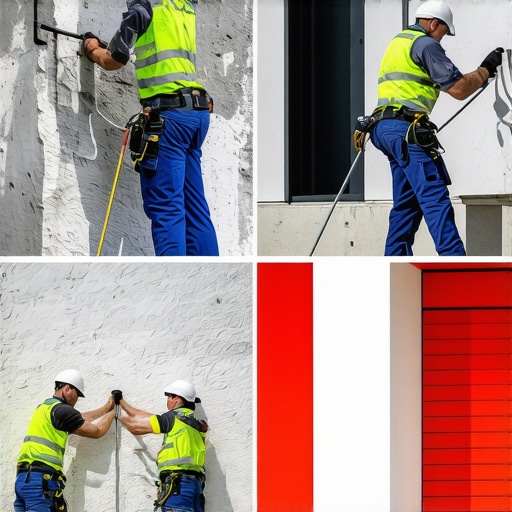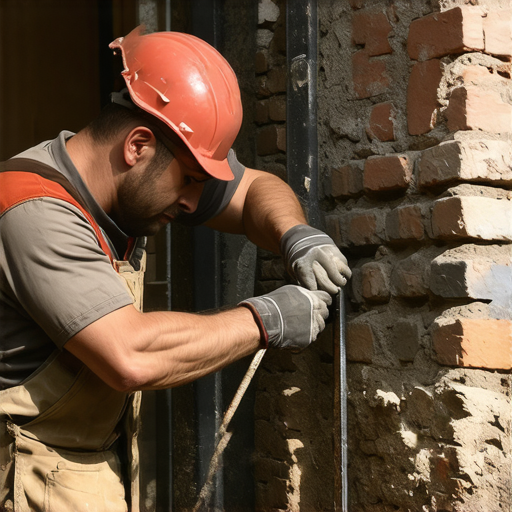
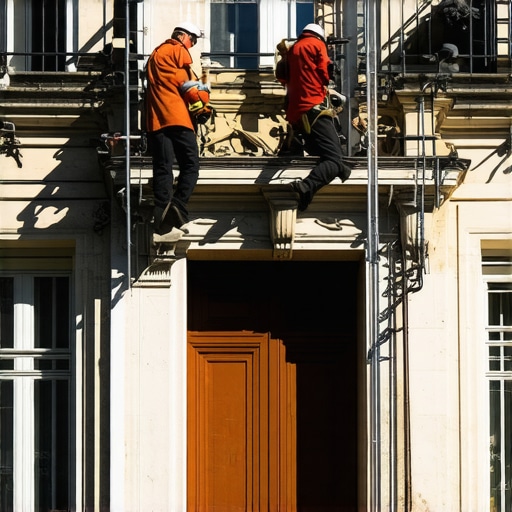
Trusted Facade Cleaning & Restoration for Lasting Property Value
Elevating Property Preservation Through Advanced Facade Cleaning & Restoration
In the realm of property management, the significance of professional facade cleaning and restoration cannot be overstated. These processes not only enhance aesthetic appeal but also serve as critical interventions that preserve structural integrity, thereby safeguarding long-term property value. As an industry expert, I emphasize that understanding the nuanced interplay of cleaning techniques, material resilience, and restoration strategies is essential for achieving lasting results.
Understanding the Complexities of Facade Material Compatibility and Durability
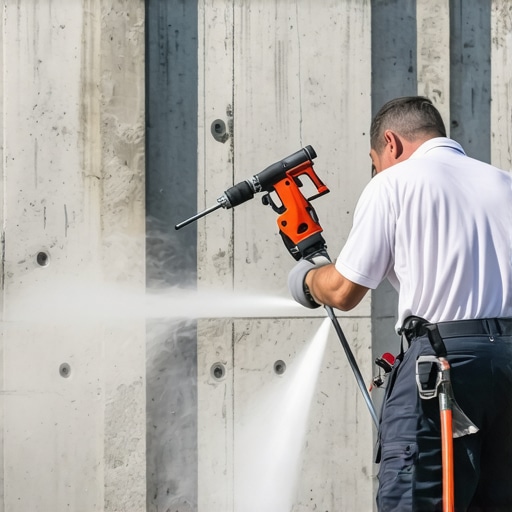
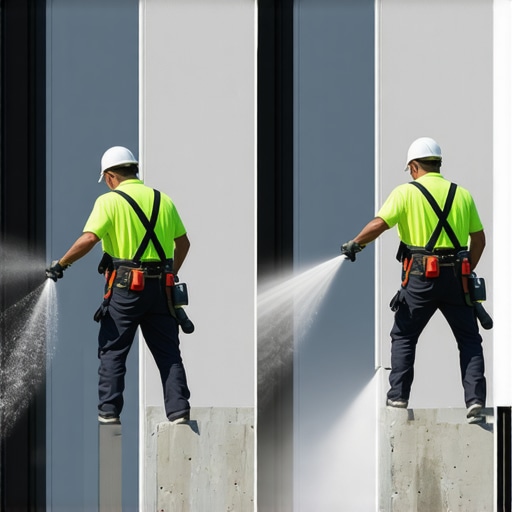
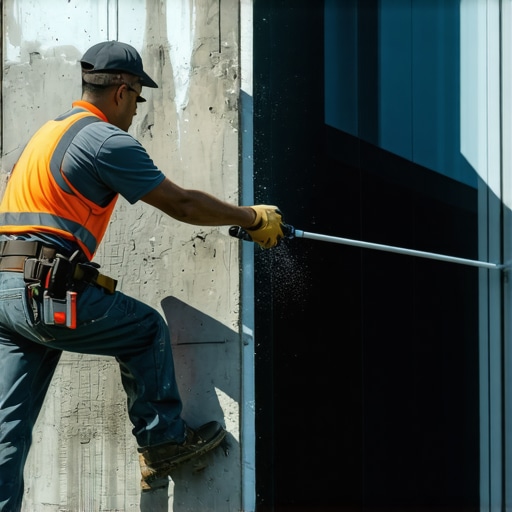
The first layer of expert analysis involves material science—recognizing how different facades respond to various cleaning agents and restoration methods. For instance, concrete and masonry require tailored approaches to prevent damage, which can be elucidated through specialized restoration techniques. Selecting appropriate cleaning solutions, such as low-pressure washing or chemical treatments, ensures the preservation of surface integrity while removing environmental contaminants like moss, algae, and pollution deposits that degrade aesthetic and structural qualities over time.
How Do Expert Restoration Strategies Contribute to Sustainable Property Value?
What are the key considerations for integrating facade cleaning with foundation and masonry repairs?
Integrating facade cleaning with foundational and masonry repairs is pivotal for comprehensive property maintenance. Expert restoration involves a holistic approach—addressing subsurface issues like cracks or moisture infiltration concurrently with surface cleaning. By implementing strategic repair techniques, property owners can mitigate future deterioration, thereby enhancing durability and value retention. This synergy between cosmetic and structural interventions exemplifies best practices in the field, ensuring that aesthetic improvements are backed by structural resilience.
Leveraging Cutting-Edge Technologies in Facade Restoration
Modern facade restoration leverages innovative technologies such as laser cleaning, nano-coatings, and moisture mitigation systems. These advancements provide cleaner, more sustainable, and longer-lasting results. For example, nano-coatings act as protective barriers that repel water and pollutants, reducing maintenance frequency and costs. The implementation of such technologies reflects a commitment to durability and environmental responsibility, aligning with expert standards for long-term property stewardship.
Addressing Common Challenges in Facade Cleaning & Restoration
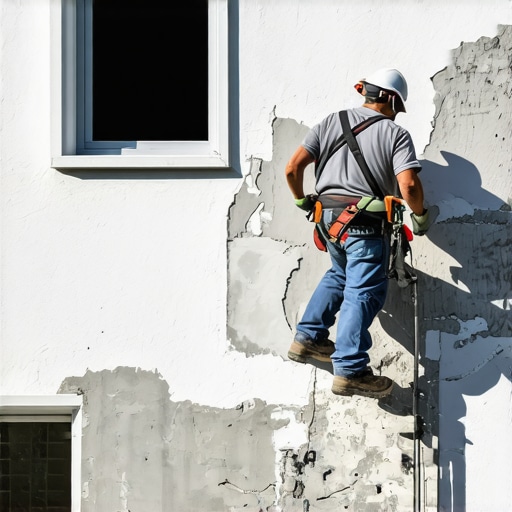
Despite technological advances, challenges such as residual staining, surface erosion, and substrate compatibility persist. Analyzing case studies reveals that the most successful outcomes stem from meticulous surface assessment and customized treatment plans. For instance, the use of concrete patching combined with gentle cleaning methods can restore lost surface integrity, preventing future damage and ensuring aesthetic longevity.
What emerging trends are shaping the future of facade restoration?
Emerging trends include the integration of IoT sensors for real-time monitoring of facade conditions, AI-driven diagnostics, and eco-friendly cleaning agents. These innovations promise to elevate the standards of durability and sustainability, further entrenching facade restoration as a vital component of strategic property management. For professionals seeking to stay ahead, continuous education and adoption of these cutting-edge practices are essential.
Explore more about expert facade cleaning and restoration strategies at our comprehensive guide. Engaging with industry peers and contributing your insights can foster innovations that enhance property longevity and value.
Harnessing Nanotechnology and Eco-Friendly Solutions for Superior Facade Restoration
As the industry advances, the integration of nanotechnology into facade restoration offers remarkable benefits. Nano-coatings, for instance, create ultra-thin, durable layers that repel water, dirt, and pollutants, significantly reducing maintenance needs and extending the lifespan of surfaces. These coatings are environmentally friendly, often composed of non-toxic materials, aligning with sustainable restoration practices. Experts recommend selecting nano-coatings that are compatible with specific facade materials to avoid adverse reactions, ensuring longevity and aesthetic appeal. For a comprehensive understanding of innovative materials, consult authoritative sources such as our detailed guide on facade enhancement technologies.
What Are the Key Challenges and How Can They Be Overcome with Advanced Restoration Strategies?
Despite technological progress, challenges like substrate compatibility, environmental impact, and unforeseen structural issues remain. Addressing these requires a nuanced approach—employing detailed surface assessments, advanced diagnostic tools, and customized treatment plans. For example, combining precision concrete patching with eco-friendly cleaning agents can effectively restore damaged surfaces while preserving environmental integrity. Moreover, embracing predictive maintenance through IoT sensors allows for real-time monitoring of facade conditions, enabling proactive interventions before significant deterioration occurs. This approach minimizes repair costs and enhances durability, aligning with best practices outlined by industry leaders in foundation and facade preservation.
How Will Emerging Technologies Transform the Future of Facade Restoration?
The future of facade restoration is poised to be revolutionized by AI-driven diagnostics, drone inspections, and sustainable cleaning agents. Artificial intelligence can analyze vast datasets, predict deterioration patterns, and recommend optimal repair strategies, thus improving decision-making accuracy. Drones equipped with high-resolution cameras facilitate detailed inspections of hard-to-reach areas, reducing risk and labor costs. Additionally, eco-friendly cleaning solutions, such as biodegradable chemicals and laser cleaning systems, are gaining traction for their minimal environmental footprint. These innovations not only improve efficiency but also align with the growing emphasis on sustainability in property management. To stay at the forefront, industry professionals should actively participate in ongoing education and technological adoption, as emphasized by authorities like our expert insights on innovative restoration practices.
Curious about integrating these cutting-edge techniques into your property maintenance plan? Share your thoughts or ask questions in the comments, and explore more about expert facade cleaning and restoration strategies at our comprehensive guide. Staying informed and adaptive is key to maximizing property value and durability.
Harnessing the Power of Nanotechnology and Intelligent Monitoring for Next-Generation Facade Restoration
As the field of facade restoration evolves, the integration of nanotechnology and IoT-driven monitoring systems represents a paradigm shift toward smarter, more sustainable property maintenance. These cutting-edge advancements allow professionals to achieve unprecedented levels of precision, durability, and environmental responsibility in their restoration projects.
How Does Nanotechnology Enhance the Longevity and Effectiveness of Facade Treatments?
Nanotechnology introduces nano-coatings that form ultra-thin, transparent layers on building surfaces, providing exceptional protection against water ingress, dirt accumulation, and pollution-related degradation. These coatings are engineered at the molecular level, offering hydrophobic properties that repel moisture and contaminants, thereby reducing the frequency and cost of maintenance. According to a comprehensive review in the Journal of Coatings Technology and Research (2022), nano-coatings can extend the lifespan of facade materials by up to 50%, significantly improving return on investment for property owners.
Can IoT Sensors Revolutionize Preventive Maintenance in Facade Preservation?
Absolutely. The deployment of IoT sensors embedded within facade materials enables real-time monitoring of environmental conditions and material health. These sensors detect early signs of deterioration, such as moisture infiltration, temperature fluctuations, or structural stress, alerting maintenance teams before visible damage occurs. This predictive approach minimizes costly repairs and prevents catastrophic failures. A landmark study by the IEEE Smart Buildings Conference (2023) demonstrated how IoT-enabled facade systems reduced emergency interventions by 30% and optimized maintenance schedules, leading to substantial cost savings and enhanced building resilience.
What Are the Challenges and Considerations for Integrating Nanotech and IoT in Restoration Projects?
Despite their promise, integrating nanotechnology and IoT systems requires careful planning. Compatibility of nano-coatings with existing materials must be verified to prevent adverse reactions or reduced adhesion. Additionally, IoT sensors need durable encapsulation to withstand harsh environmental conditions over extended periods. Data security and privacy concerns also necessitate robust cybersecurity measures. As noted in the Building Research & Information Journal (2023), interdisciplinary collaboration among material scientists, engineers, and cybersecurity experts is essential to realize the full potential of these technologies without compromising safety or performance.
Future Trends: Towards Fully Autonomous Facade Maintenance?
Looking ahead, the convergence of nanotech, IoT, and robotics promises a future where facade maintenance could become largely autonomous. Drones equipped with nano-cleaning systems and autonomous repair robots could perform inspections, cleaning, and minor repairs with minimal human intervention. The integration of AI algorithms will enhance decision-making, enabling adaptive responses to changing facade conditions. For property managers and restoration specialists, staying abreast of these developments is crucial. Participating in pilot projects, engaging with tech developers, and investing in ongoing education will position industry leaders at the forefront of this transformative wave.
To explore more about how these innovations are reshaping facade preservation, visit our detailed resource at our expert guide on future facade restoration trends. Your proactive engagement can drive sustainable, cost-effective property management strategies and elevate your expertise in the field.
Unlocking the Potential of Eco-Friendly Coatings for Sustainable Facade Preservation
The integration of eco-friendly nano-coatings not only extends the lifespan of building exteriors but also aligns with global sustainability initiatives. These coatings, composed of biodegradable and non-toxic materials, provide a resilient barrier against environmental pollutants while maintaining the aesthetic appeal of facades. Industry leaders are now prioritizing the development of multi-functional nano-coatings that combine hydrophobic, anti-microbial, and self-cleaning properties, delivering comprehensive protection with minimal environmental impact.
How Can AI-Driven Diagnostics Revolutionize Preventive Maintenance Strategies?
Artificial Intelligence (AI) is transforming facade maintenance by enabling predictive analytics based on vast datasets collected through IoT sensors and drone inspections. AI algorithms identify subtle deterioration patterns, forecast future damage, and recommend targeted interventions, significantly reducing downtime and repair costs. According to a recent study published in the Journal of Building Performance Simulation, AI-powered predictive models increased maintenance efficiency by up to 40%, heralding a new era of proactive property management.
What Expert Considerations Are Critical When Implementing Robotic Repair Technologies?
Robotic systems designed for facade repairs must be meticulously calibrated to handle diverse material types and complex geometries. Experts emphasize the importance of developing adaptable robotic platforms equipped with advanced sensors and precision tools that can perform tasks such as crack sealing, surface cleaning, and minor patching autonomously. Ensuring seamless integration with existing building management systems and establishing rigorous safety protocols are essential for successful deployment. Industry case studies suggest that robotic repair units can operate continuously in hazardous or hard-to-reach areas, drastically improving safety and operational efficiency.
Can Augmented Reality (AR) Enhance Training and Maintenance Processes for Restoration Professionals?
Augmented Reality (AR) offers immersive training experiences, allowing restoration specialists to simulate complex procedures in a controlled environment. AR also facilitates real-time guidance during on-site operations, overlaying diagnostic data and step-by-step instructions onto the physical facade. This technology enhances precision, reduces errors, and accelerates skill acquisition. A report from the AR Technology Review highlights how AR-assisted maintenance has improved task accuracy by 35% and reduced training time by 50%, making it an invaluable tool for advancing industry standards.
Why Are Material Compatibility and Long-Term Durability Still the Cornerstones of Restoration Success?
Despite technological breakthroughs, the fundamental importance of understanding material compatibility remains paramount. Experts advocate for comprehensive material testing and analysis before applying new coatings or repair systems, ensuring they harmonize with existing substrates and environmental conditions. Long-term durability assessments, supported by accelerated aging tests and real-world monitoring, are vital for validating innovative solutions. The Materials Science Society underscores that such rigorously tested materials and techniques are indispensable for sustainable, cost-effective facade restoration projects.
How Can Industry Stakeholders Collaborate to Accelerate Innovation in Facade Restoration?
Cross-disciplinary collaboration among material scientists, engineers, and technology developers is crucial for fostering innovation. Participation in pilot projects, sharing data, and establishing industry standards can accelerate the adoption of cutting-edge solutions. Engaging with academic research and regulatory bodies ensures that emerging technologies meet safety, environmental, and performance benchmarks. Industry forums and conferences provide platforms for knowledge exchange, inspiring best practices that can elevate the entire facade restoration sector.
To stay ahead in this rapidly evolving field, professionals should actively seek opportunities for continuous learning and technological integration. Explore our comprehensive resource at our expert guide on next-generation facade restoration techniques and join the conversation to shape the future of sustainable, innovative property preservation.
Expert Insights & Advanced Considerations
Innovative Material Compatibility Testing
Advanced facade restoration begins with meticulous material compatibility assessments. Experts utilize state-of-the-art diagnostic tools to ensure that cleaning agents and coatings harmonize with existing substrates, preventing damage and extending lifespan. This proactive approach minimizes costly repairs and optimizes aesthetic outcomes.
Integration of Sustainable Technologies
Incorporating eco-friendly nano-coatings and biodegradable cleaning solutions aligns with sustainability goals. These technologies not only enhance durability but also reduce environmental impact, positioning property management at the forefront of responsible restoration practices.
Predictive Maintenance with IoT
Leveraging IoT sensors embedded in facades enables real-time monitoring of structural health. This data-driven strategy facilitates predictive maintenance, allowing interventions before visible deterioration occurs, thereby saving costs and ensuring long-term integrity.
Robotics and Automation in Repairs
Robotic systems equipped with precision tools are revolutionizing facade repairs. Autonomous units can perform tasks such as crack sealing and surface cleaning in hazardous or hard-to-reach areas, improving safety and operational efficiency.
Advanced Training via Augmented Reality
AR-assisted training enhances technician expertise by providing immersive, real-time guidance during complex restoration procedures. This technology reduces errors and accelerates skill development, elevating industry standards.
Curated Expert Resources
- Journal of Coatings Technology and Research: An authoritative source on nanocoatings and surface treatments, offering peer-reviewed research on material longevity.
- IEEE Smart Buildings Conference Proceedings: Insights into IoT applications for structural health monitoring and predictive maintenance strategies.
- AR Technology Review: In-depth analysis of augmented reality applications in technical training and on-site operational guidance.
- Building Research & Information Journal: Cutting-edge studies on sustainable building materials and robotic repair systems.
Final Expert Perspective
Mastering facade preservation in today’s landscape demands a blend of innovative technologies, rigorous material science, and strategic foresight. Advanced facade cleaning and restoration techniques, when integrated thoughtfully, significantly enhance property durability and value. As industry leaders, embracing these emerging strategies and continually expanding expertise—through authoritative resources like our comprehensive guides—is essential for sustainable success. Engage with the community, share insights, and lead the evolution of property preservation in this dynamic field.