Top Concrete Patch & Foundation Repair Tips for Long-Term Masonry Strength
Strategic Foundations: Ensuring Long-Term Masonry Strength through Expert Concrete Patch & Repair Techniques
In the realm of structural integrity and architectural longevity, mastering the nuances of concrete patching and foundation restoration is paramount. As seasoned professionals in masonry repair, we recognize that effective intervention extends beyond superficial fixes; it requires a comprehensive understanding of material science, environmental factors, and precision application. This article explores sophisticated strategies that elevate masonry durability, emphasizing expert insights and innovative practices.
How do advanced concrete patching methodologies influence the overall stability of masonry structures in varying environmental conditions?
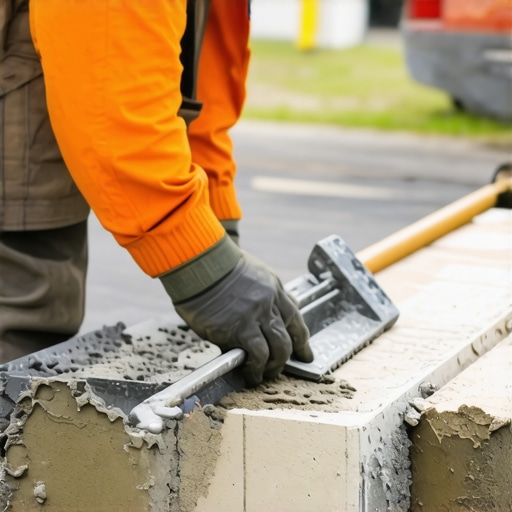
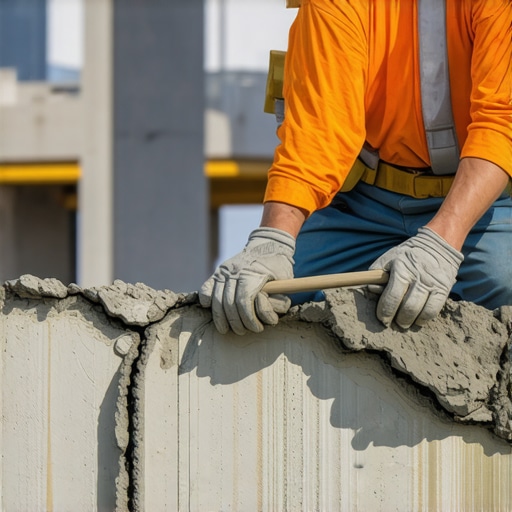
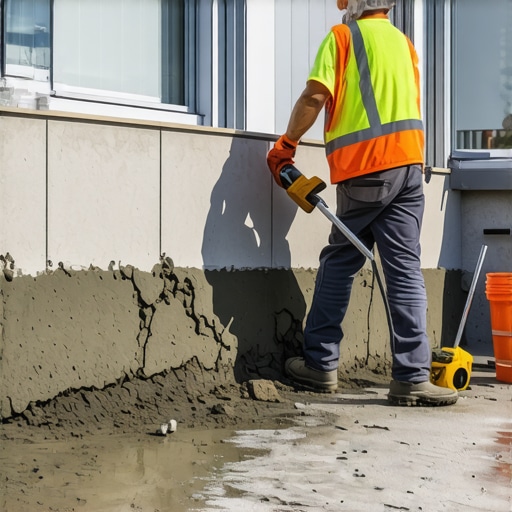
Advanced patching techniques—such as polymer-modified concretes and high-performance repair mortars—have revolutionized long-term masonry resilience. These materials offer superior adhesion, enhanced flexibility, and increased resistance to freeze-thaw cycles, which are critical in climates subject to moisture fluctuation. For example, incorporating epoxy resins in patching compounds can significantly improve bonding strength, thereby reducing future crack propagation and structural vulnerabilities.
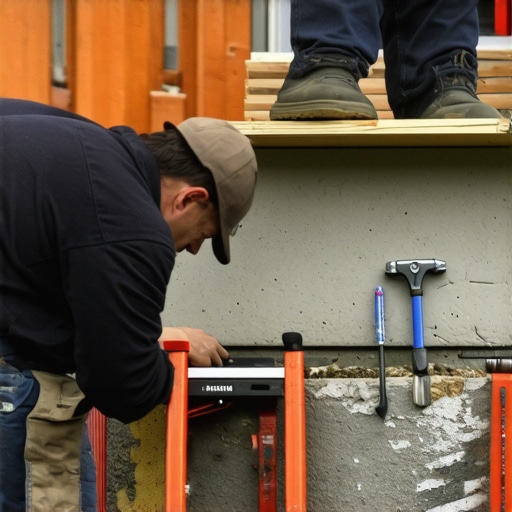
Field applications often involve meticulous surface preparation—removing loose debris, applying bonding agents, and ensuring optimal curing conditions—all essential for durability. Moreover, integrating reinforcement strategies like fiber reinforcement or corrosion inhibitors within the patching material can extend the lifespan of repairs, aligning with industry standards outlined in authoritative sources such as the American Concrete Institute.
The Role of Foundation Tuckpointing in Masonry Longevity
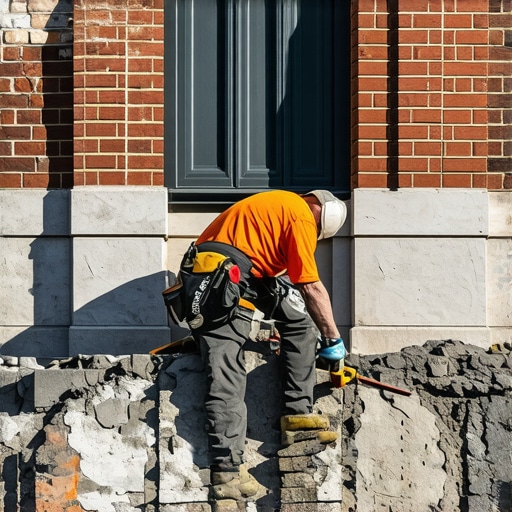
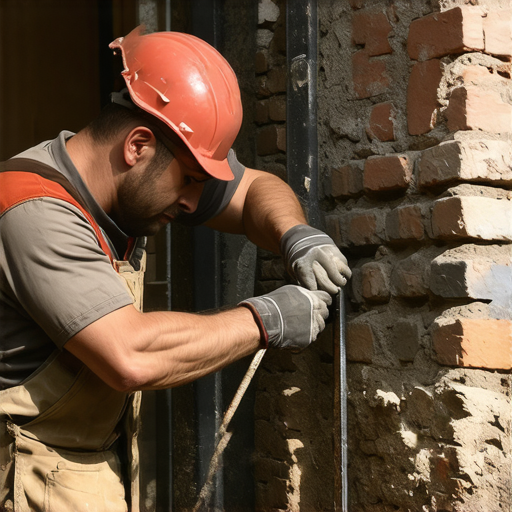
While concrete patching addresses surface-level issues, foundation tuckpointing plays a crucial role in maintaining the structural integrity of load-bearing masonry. Expert tuckpointing involves meticulous removal of deteriorated mortar joints and precise repointing with compatible mortar mixes. This process not only restores aesthetic appeal but also prevents water ingress that can accelerate foundation decay.
Modern tuckpointing solutions incorporate low-lime mortars and breathable formulations to accommodate moisture movement, thus preventing freeze-thaw damage. For comprehensive foundation restoration, combining tuckpointing with underpinning and drainage improvements ensures a holistic approach to long-term stability.
What are the Emerging Trends in Masonry Repair for 2024?
Emerging trends include the integration of nanotechnology-enhanced materials that offer self-healing capabilities and increased durability. Additionally, the adoption of digital mapping and 3D scanning allows for precise assessment of structural issues, enabling targeted interventions. Such innovations are supported by ongoing research from institutions like the National Institute of Standards and Technology, emphasizing the importance of science-driven masonry repair practices.
For property owners and contractors aiming at durability, it is advisable to consult trusted sources such as trusted masonry repair experts to develop tailored maintenance strategies.
Explore more about expert foundation restoration techniques and contribute your insights to advance industry standards for durable masonry outcomes.
Harnessing Cutting-Edge Technologies to Elevate Masonry Durability
As the industry evolves, integrating innovative materials and digital tools into masonry repair practices is transforming how experts approach longevity. The adoption of nanotechnology-infused repair compounds, for instance, enables self-healing properties, drastically reducing future crack formation and deterioration. These advanced materials not only improve resistance to environmental stressors but also extend the lifespan of repairs, aligning with the latest research from the National Institute of Standards and Technology, which underscores the importance of science-driven solutions in masonry restoration.
Incorporating digital technologies such as 3D laser scanning and structural health monitoring systems allows professionals to detect vulnerabilities with unprecedented precision. These tools facilitate targeted interventions, minimizing invasive procedures and optimizing resource allocation. When combined with traditional techniques like expert tuckpointing and concrete patching, digital assessment ensures comprehensive, durable solutions tailored to each structure’s unique needs.
What role does the integration of digital assessment tools and advanced materials play in future-proofing masonry structures against environmental challenges?
By leveraging these innovations, property owners and contractors can significantly enhance resilience against moisture intrusion, freeze-thaw cycles, and seismic activity. For example, digital mapping can identify hidden cracks or weaknesses before they escalate, enabling preemptive repairs that preserve structural integrity. Similarly, nanotechnology-based repair materials offer enhanced adhesion and flexibility, accommodating structural movements without cracking. This dual approach creates a robust defense mechanism, ensuring masonry durability well beyond traditional methods.
For those committed to long-term stability, consulting trusted sources such as trusted masonry repair experts is invaluable for developing a comprehensive maintenance plan that integrates these emerging techniques effectively.
Interested in exploring how these advancements can be applied to your property? Share your thoughts or questions below, and discover more about innovative masonry solutions to safeguard your investment.
Emerging Innovations: How Nanotechnology and Digital Mapping Redefine Masonry Longevity
As the construction and restoration industries evolve, the integration of cutting-edge materials and sophisticated digital assessment tools is transforming traditional masonry repair paradigms. Advanced nanotechnology-infused composites, such as self-healing concretes, are at the forefront of this revolution, offering unparalleled resistance to environmental stressors and cracking. These materials can autonomously repair microcracks, significantly extending the lifespan of masonry structures and reducing maintenance costs over time.
Complementing these innovations, digital technologies like 3D laser scanning and structural health monitoring systems provide a granular view of a building’s condition. These tools facilitate remote, real-time diagnostics, enabling proactive maintenance rather than reactive repairs. For instance, high-resolution scans can detect subsurface cracks or moisture ingress before they manifest visibly, allowing for targeted interventions that preserve structural integrity and aesthetic appeal.
What is the impact of combining nanotechnology-based repair materials with digital assessment tools on the future resilience of masonry structures?
Integrating these technologies creates a synergistic effect, elevating masonry durability to new heights. Nanomaterials enhance the mechanical properties and impermeability of repair compounds, making them more adaptable to structural movements and environmental fluctuations. When paired with digital diagnostics, engineers can precisely identify vulnerabilities and deploy the most appropriate nanotech solutions, ensuring optimal performance. This dual approach not only prolongs structural lifespan but also minimizes invasive procedures, reducing disruption and costs.
Furthermore, predictive analytics derived from digital data streams can inform maintenance schedules, enabling a shift towards predictive and preventive strategies. As a result, masonry structures become more resilient against climate-induced stresses, seismic activities, and aging-related deterioration—creating smarter, more sustainable urban environments.
For property owners and contractors seeking to future-proof their investments, engaging with authoritative sources such as the National Institute of Standards and Technology is essential. Their ongoing research into material science and digital infrastructure provides invaluable insights into implementing these innovations effectively.
Would you like to explore specific case studies where these emerging technologies have been successfully deployed? Reach out or comment below to deepen your understanding of how to incorporate these advanced solutions into your masonry projects.
Harnessing the Power of Material Science for Unprecedented Masonry Resilience
In the pursuit of durable masonry structures, the integration of cutting-edge material science has revolutionized traditional repair paradigms. Advanced composites, such as fiber-reinforced polymers (FRPs), are now employed to enhance load-bearing capacity and seismic resilience. These materials, characterized by their exceptional strength-to-weight ratios and corrosion resistance, enable engineers to retrofit existing structures with minimal invasiveness, significantly extending their service life.
Moreover, the development of eco-friendly, self-healing concretes—embedded with microcapsules containing healing agents—embodies a paradigm shift towards sustainable longevity. These innovative materials autonomously repair microcracks upon detection, mitigating deterioration caused by environmental stressors and reducing maintenance costs over decades.
Smart Technologies: The Future of Masonry Condition Monitoring
Real-time structural health monitoring (SHM) systems, leveraging IoT sensors and wireless data transmission, are transforming masonry maintenance. Embedded sensors continuously assess parameters such as strain, moisture levels, and temperature, providing granular data to predict failure points before visible symptoms manifest. This proactive approach allows for targeted interventions, optimizing resource utilization and preventing catastrophic failures.
Advanced data analytics and machine learning algorithms further enhance predictive accuracy, enabling maintenance strategies that are both cost-effective and minimally disruptive. As detailed in a comprehensive study published by the American Society of Civil Engineers, these technological integrations are setting new standards in masonry preservation.
How can AI-driven predictive analytics revolutionize traditional masonry repair workflows?
AI-driven analytics synthesize vast datasets from digital sensors, environmental conditions, and historical repair records to generate predictive models of structural health. This enables engineers to anticipate deterioration trends and schedule interventions at optimal times, thus avoiding costly emergency repairs and extending the lifespan of masonry elements. Furthermore, AI algorithms can recommend tailored repair solutions, integrating material properties and environmental factors for maximum efficacy. Engaging with these advanced tools equips professionals to implement precision repair strategies that align with the principles of sustainable infrastructure management.
To stay at the forefront of this technological evolution, consult authoritative sources like the National Institute of Standards and Technology, which offers comprehensive guidelines on integrating digital tools into masonry maintenance practices.
Interested in pioneering these innovations on your projects? Reach out to industry experts or participate in specialized training programs to harness the full potential of these emerging technologies.
Conclusion: Embracing an Interdisciplinary Approach for Long-Term Masonry Success
The future of masonry repair lies in an interdisciplinary approach that combines material innovation, digital technology, and predictive analytics. By embracing these advancements, professionals can achieve unprecedented levels of durability, resilience, and sustainability. As the industry continues to evolve, staying informed and adaptable is essential for delivering structural solutions that withstand the test of time and environmental challenges.
Expert Insights & Advanced Considerations
1. Embrace Material Science Innovations for Enhanced Structural Resilience
Integrating cutting-edge materials such as fiber-reinforced polymers and self-healing concretes can significantly extend masonry lifespan. These advanced composites provide superior load capacity and autonomous crack repair, reducing maintenance frequency and costs, aligning with industry leaders like the trusted foundation and facade experts.
2. Leverage Digital Diagnostic Tools for Precision Maintenance
Implementing 3D laser scanning, structural health monitoring, and AI-driven predictive analytics enables proactive interventions. These tools detect vulnerabilities early, allowing targeted repairs that preserve aesthetic and structural integrity, as detailed by the National Institute of Standards and Technology.
3. Adopt Sustainable and Eco-Friendly Repair Technologies
Utilizing environmentally conscious materials like microcapsule-infused self-healing concretes enhances sustainability and durability. This approach minimizes environmental impact while maintaining structural performance, as advocated by leading industry publications.
4. Integrate Interdisciplinary Approaches for Future-Ready Masonry
Combining material science, digital diagnostics, and environmental considerations fosters resilient masonry systems capable of withstanding climate change, seismic activity, and aging. Industry reports such as those from the masonry restoration specialists highlight these comprehensive strategies.
Curated Expert Resources
- American Concrete Institute (ACI): Offers authoritative guidelines on innovative repair materials and techniques, essential for industry professionals.
- National Institute of Standards and Technology (NIST): Provides cutting-edge research on digital assessment tools and material science applications in masonry.
- Structural Health Monitoring (SHM) Journals: Present case studies and technological advancements in real-time masonry condition monitoring.
- Industry-leading Publications on Sustainable Masonry Materials: Focus on eco-friendly, self-healing concretes and microcapsule technologies.
Final Expert Perspective
In mastering long-term masonry durability, integrating innovative materials such as self-healing concretes with digital assessment tools is transformative. These advanced strategies not only enhance resilience against environmental challenges but also optimize maintenance, ensuring structural integrity over decades. To elevate your projects, consult trusted sources like the masonry restoration experts and stay informed on emerging technologies. Share your insights or seek tailored guidance to push the boundaries of masonry longevity and sustainability.