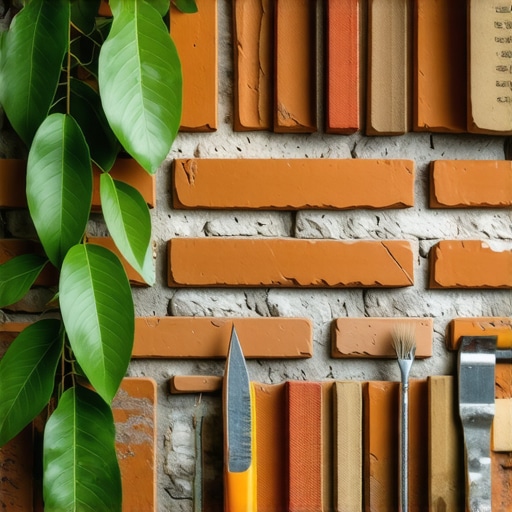
Sustainable Tuckpointing Mortars: Why 2026 Repairs Last Longer
The Ghost of Portland Past: Why Your Last Repair Failed
I remember a job back in the early nineties, standing before a pre-war brownstone that looked like it had been hit by shrapnel. The homeowner had hired a ‘generalist’ three years prior who had buttered the joints with a high-strength Portland cement mix. By the time I arrived, the faces of the historic bricks were popping off like scabs. That is the tragedy of modern masonry: using a hammer where you needed a sponge. My mentor, an old-world carver who treated every stone like a living lung, used to tell me that a wall needs to breathe or it will choke to death. He would run his calloused thumb over a joint and tell me if the ‘mud’ was too rich or too lean just by the grit. Today, as we look toward the advancements of 2026, we are finally returning to that wisdom, but with the added precision of AI masonry assessment and fiber-reinforced mortars.
“The selection of mortar for restoration must consider the physical properties of the masonry units to ensure the mortar is always weaker than the brick.” – ASTM C270 Standard Specification
The Physics of Breathability and the Sacrificial Joint
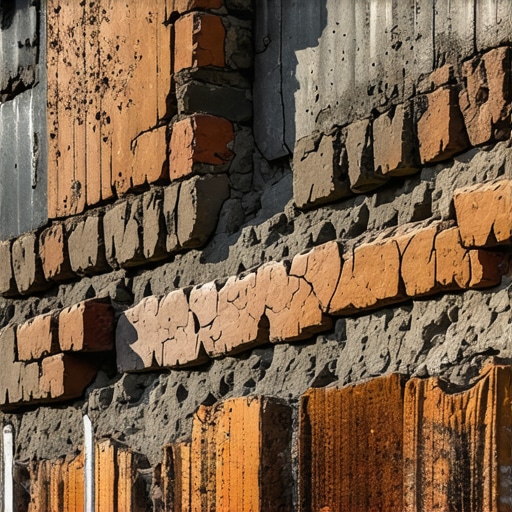
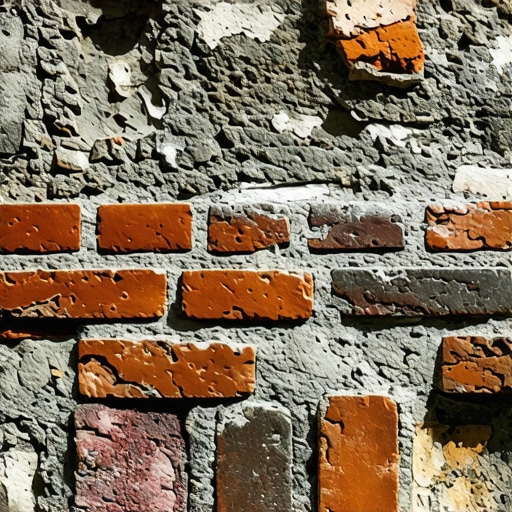
When we talk about historic tuckpointing, we are really talking about moisture management. Old brick, especially those fired in the late 19th or early 20th century, is remarkably porous. It acts as a wick. When rain hits a wall, the brick absorbs it. When the sun comes out, that moisture needs to escape. In a proper system, the mortar joint is the ‘exhaust valve.’ It is designed to be softer and more permeable than the brick itself. This is the ‘sacrificial principle.’ I’d rather replace the mortar every fifty years than replace the brick once. When you slap a hard, impermeable Type S cement into a soft brick wall, the moisture gets trapped. In the winter, that water freezes and expands by 9%, and since the cement won’t budge, the brick face explodes. This is called spalling, and it’s the hallmark of a hack job.
The 2026 Evolution: Sustainable Mortars and Historic Brick Salvage
What makes 2026 the turning point for concrete masonry unit restoration and brickwork? It is the marriage of material science and sustainability. We are now seeing the widespread use of natural hydraulic lime (NHL) infused with recycled pozzolans. These mortars don’t just sit there; they actively sequester carbon dioxide as they cure through a process called carbonation. We are also utilizing fiber-reinforced mortars that incorporate microscopic basalt fibers. These fibers provide tensile strength that traditional lime lacked, allowing us to perform tuckpointing curved walls with a level of structural integrity that previously required heavy-duty chemicals. When we combine this with historic brick salvage, we aren’t just repairing a building; we are maintaining a closed-loop cycle of material use that respects the original craftsmanship.
AI Masonry Assessment: The End of Guesswork
In the old days, I’d spend hours with a hawk and trowel, trying to match a mortar’s color and aggregate by eye. Today, AI masonry assessment tools allow us to scan a wall and instantly determine the original mix’s lime-to-sand ratio and mineral composition. This ensures that our emergency masonry repair isn’t just a patch, but a molecular match. This is critical for cracked brick wall repair where the structural load has shifted. If the new ‘mud’ doesn’t have the same modulus of elasticity as the old, you’re just creating a new stress point. You’ll end up with a cold joint—a failure of adhesion that lets water pour into your substrate like an open vein.
“Water penetration is the single greatest threat to masonry durability, and the interface between mortar and unit is the most common point of entry.” – BIA Technical Note 7
The Art of the Joint: From Chimney Crowns to Retaining Walls
It’s not just about the flat surfaces. Take chimney crown repair, for example. The crown is the most abused part of a house, taking the full brunt of UV rays and thermal shock. Using a standard mortar bed there is a death sentence for the masonry below. We now use high-performance, flexible mortars that can handle the expansion of the flue liner without cracking. The same logic applies to retaining wall installation. A wall that holds back ten tons of wet earth isn’t just a pile of stone; it’s a hydraulic machine. Without proper ‘weep holes’ and a mortar that can handle the hydrostatic pressure, that wall will eventually bow and kick out at the base, resulting in honeycombing of the concrete core.
The Process: How We Build for the Next Century
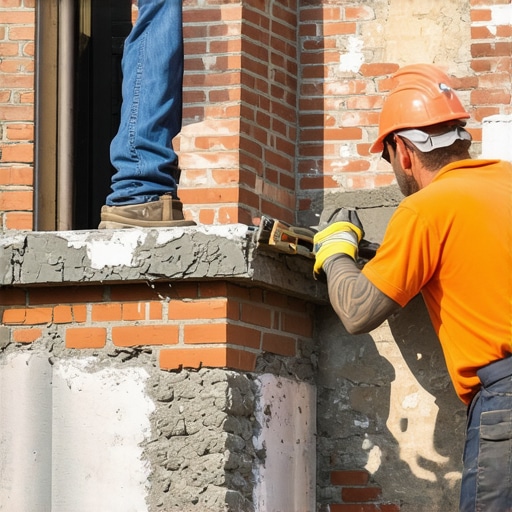
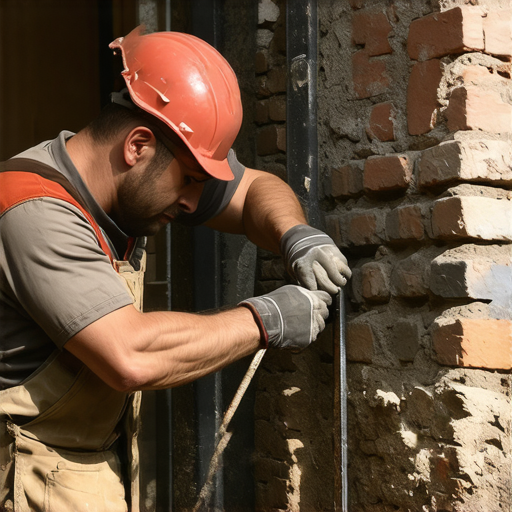
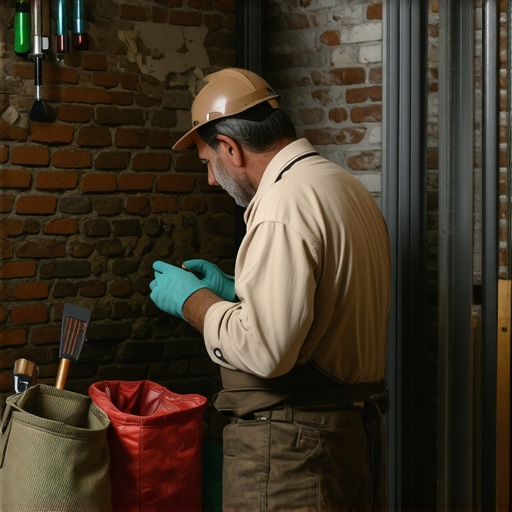
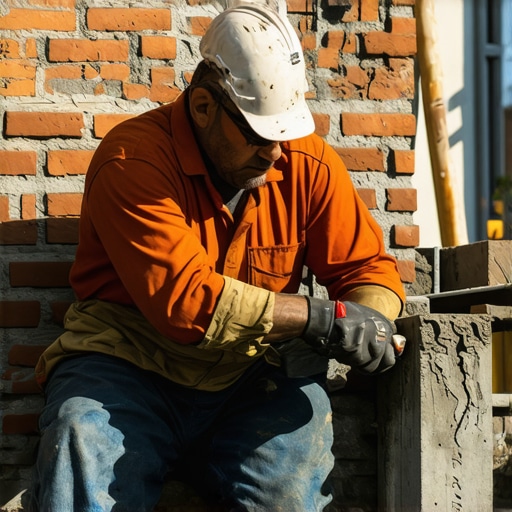
A true professional doesn’t just start slinging mud. We begin by grinding out the old, failing joints to a depth of at least twice the width of the joint. We don’t use aggressive power saws that nick the soldier course; we use precision vacuum-shrouded tools. Then comes the ‘suction’ check. If the brick is dry, it will suck the water out of the mortar instantly, ‘burning’ the mix and preventing a proper bond. We pre-wet the wall to a surface-saturated dry state. Then, we ‘butter’ the joints in lifts, packing the mortar tight with a slicker to eliminate voids. This isn’t just about aesthetics; it’s about compaction physics. A tightly packed joint is a weather-tight joint.
Conclusion: Do Not Settle for a Band-Aid
If you see a cracked brick wall repair being done with a tube of caulk or a bag of cheap premix from a big-box store, run. Sustainable tuckpointing mortars are about more than just ‘green’ labels; they are about the endurance of the built environment. By respecting the chemical realities of lime and the physical needs of historic masonry, we ensure that the repairs we make in 2026 will still be standing when our grandchildren are the ones holding the trowel. Don’t let a handyman turn your heritage home into a landfill candidate. Demand the ‘mud’ that matches the soul of your stone.
![7 Best Tuckpointing Tools for DIY Projects [2026 Tested]](https://masonryrescue.com/wp-content/uploads/2026/02/7-Best-Tuckpointing-Tools-for-DIY-Projects-2026-Tested.jpeg)