Stop Salt Damage: 3 Porous Stone Sealers for 2026 Projects
The Forensic Scene: When Stone Becomes Dust
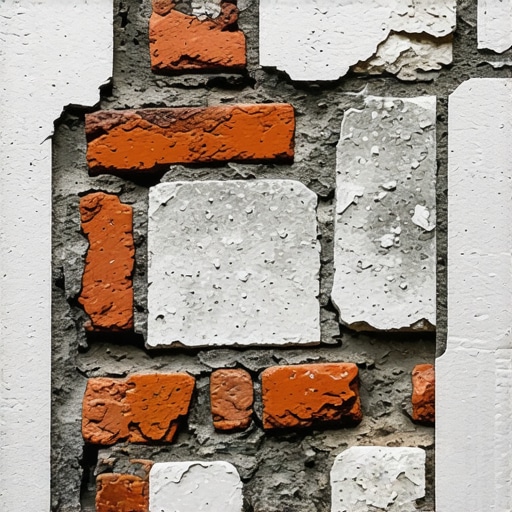
The building owner thought it was just ‘chalking’—a bit of white dust on the brickwork of his 1928 coastal heritage site. But when I pulled my 10x forensic loupe out and leaned into that limestone, I saw the structural reality. The matrix of the stone wasn’t just dirty; it was being shredded from the inside out. I saw microscopic shards of calcium carbonate being pushed out by salt crystals that had worked their way into the pores. This wasn’t a cosmetic issue. This was subflorescence—the silent killer of masonry. When I put my scope into a drill-hole in the mortar joint, I saw the structural steel lintel behind the stone was rusted to a jagged flake of rust. The salt had acted as an electrolyte, and the moisture was the fuel. This is the nightmare of professional masonry restoration: by the time you see the damage, the war is already half-lost.
“Water penetration is the single greatest threat to masonry durability, as it acts as a carrier for soluble salts and the primary agent in freeze-thaw degradation.” – BIA Technical Note 7
The Physics of the Pore: Why Modern ‘Lick-and-Stick’ Fails
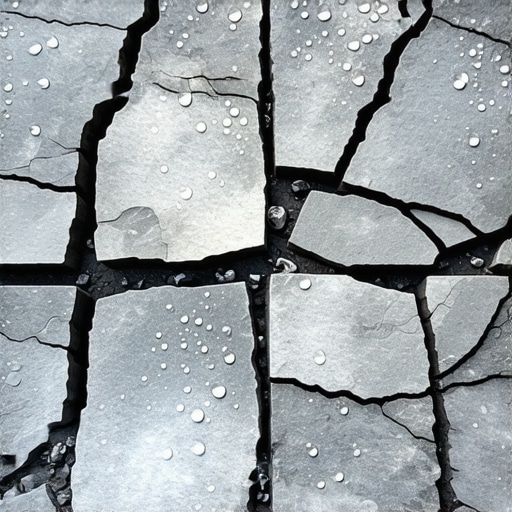
In the world of commercial tuckpointing and stone veneer repair, the biggest mistake is treating stone like it’s a solid, inert block of plastic. It’s not. Stone is a series of interconnected capillaries—a vertical sponge. If you’re working in the North, you’re fighting the 9% expansion rule. When water turns to ice, it expands. If that water is trapped behind a non-breathable sealer, it doesn’t just sit there; it pops the face of the stone off in a process called spalling. But salt adds a more sinister layer of physics. Salt crystals can exert up to 100,000 PSI of internal pressure as they grow within the stone’s pore structure. No limestone or sandstone on earth can withstand that. This is why masonry waterproofing solutions must be ‘breathable’—allowing vapor to escape while blocking liquid water and the salts it carries.
Tuckpointing Weatherproofing: More Than Just ‘Mud’
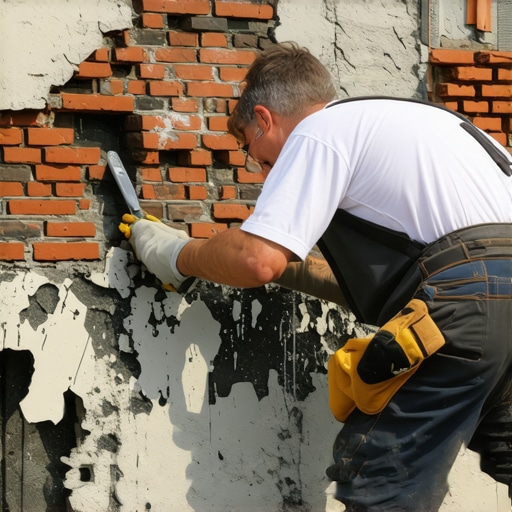
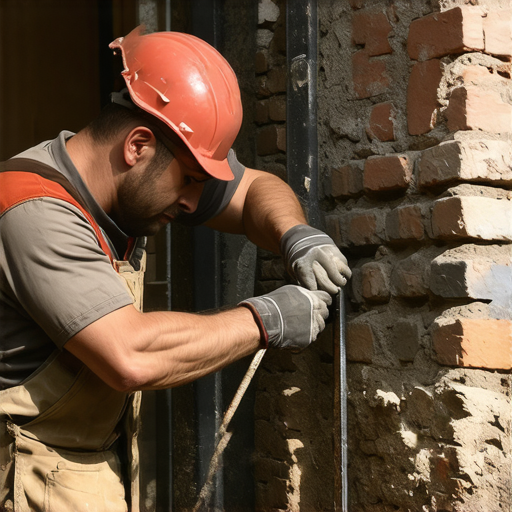
When we talk about mortar repointing services, we’re talking about chemistry, not just ‘mud.’ A third-generation mason knows that the mortar must be the sacrificial lamb of the wall. If the mortar is harder than the stone—which is what happens when a ‘handyman’ uses Type S Portland cement on old, soft brownstone—the stone will break before the mortar does. We use a hawk and a slicker to pack the joint tight, but the mix itself must have the right ‘tooth’ to bond with the substrate. We often ‘butter’ the back of the stone in a soldier course to ensure there are no voids. Voids are where water collects. Voids are where the freeze-thaw cycle begins its destructive work. A cold joint in a retaining wall installation is a direct invitation for hydrostatic pressure to buckle the entire structure.
The 3 Porous Stone Sealers for 2026
For 2026 projects, we are moving away from top-coats. We want deep penetration. Here are the three technologies that actually stand up to forensic scrutiny. First, Isobutyltriethoxysilane. This is a small-molecule silane that can penetrate up to 3/8 of an inch into dense masonry. It doesn’t change the look; it changes the surface tension of the pores. Second, Fluorinated Siloxanes. These are critical for commercial smokestack repair and high-traffic areas because they repel both water and oils, preventing the ‘wicking’ of road salts. Third, Nano-Lithium Densifiers used in conjunction with a siloxane shield. This is the gold standard for masonry cleaning and protection on soft volcanic stones or degraded lime mortars. It actually rebuilds some of the lost mineral matrix before sealing it off.
“The disintegration of the brick or stone can be caused by the crystallization of salts in the pores, a process often accelerated by improper surface coatings.” – ASTM C67 Standards
AI Masonry Assessment: The New Forensic Tool
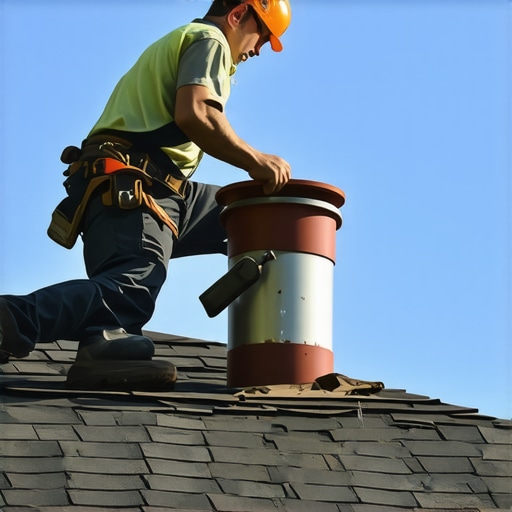
We are now integrating AI masonry assessment into our inspections. By using thermal imaging processed through neural networks, we can detect honeycombing inside a structural wall before it manifests as a crack. We can see where the moisture is ‘perched’ behind a stone veneer repair. This allows us to target our masonry cleaning and waterproofing exactly where it’s needed, rather than guessing. It’s the difference between a surgical strike and a shotgun approach. Whether it’s a residential chimney or a massive commercial smokestack repair, the goal is the same: manage the moisture, or the moisture will manage the demolition of your building.
The Hardscape Reality: Retaining Wall Installation
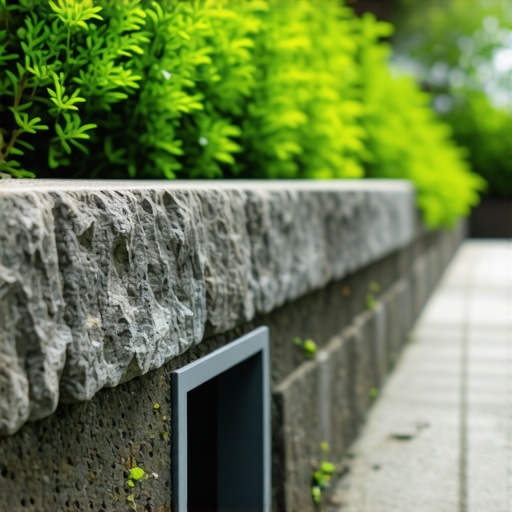
I’ve seen $100,000 retaining walls lean like the Tower of Pisa because the installer didn’t understand soil heaving. In high-clay environments, the hydrostatic pressure is relentless. If you don’t have a ‘breathable’ system—meaning proper drainage and a sealer that doesn’t trap moisture in the block—the wall will eventually fail. We use a slicker to finish joints in a way that sheds water away from the wall’s core. Every soldier course must be perfectly leveled, and every stone must be inspected for micro-fissures. If you see a wall with white ‘staining,’ that’s efflorescence. It’s the building’s way of screaming that it’s drowning. Professional masonry restoration isn’t about making it look pretty; it’s about restoring the building’s ability to breathe and shed the elements.