Stop 2026 Freeze-Thaw Damage with 4 Proven Porous Stone Sealers
The Forensic Scene: When the Face Falls Off
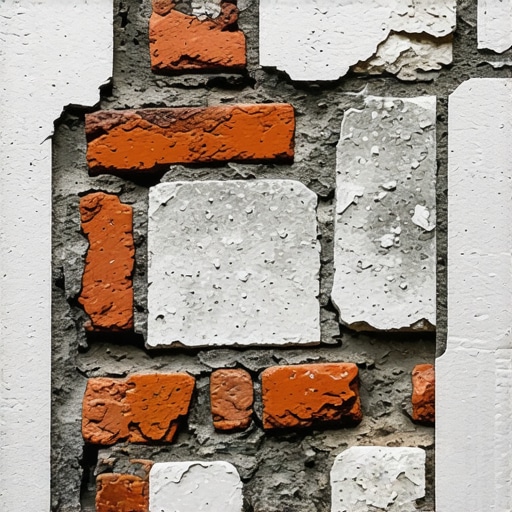
I remember standing on a rickety scaffold three stories up, looking at a commercial parapet wall that the owner swore was ‘just fine’ a year ago. From the ground, it looked solid. But when I got close, I could see the tell-tale signs of a slow-motion explosion. The brick faces weren’t just cracked; they were delaminating in thin, brittle sheets. When I tapped a soldier course with the butt of my trowel, it sounded like hollow ceramic rather than a dense, structural unit. Beneath the surface, the structural steel was sweating, and the ‘mud’—a term we use for mortar—had the consistency of damp sugar. This wasn’t a failure of the brick itself; it was a failure of the physics of moisture. The owner had applied a cheap, film-forming acrylic sealer the year before, effectively plastic-wrapping his building and trapping three gallons of water per square yard inside the masonry. When the first deep freeze hit, that trapped moisture expanded by nine percent. There was nowhere for the pressure to go but through the face of the brick. This is brick spalling prevention at its most desperate stage.
The Physics of the Freeze: Why Your Masonry is Exploding
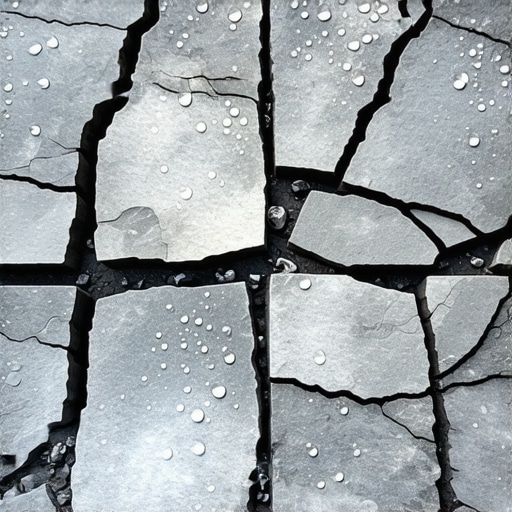
To understand how to protect your masonry for the 2026 season and beyond, you have to understand the ‘pore’ of the material. Whether you are dealing with a brick arch restoration or a simple chimney crown repair, you are fighting capillary suction. Stone and brick are not solid blocks; they are networks of microscopic straws. In a freeze-thaw environment, water enters these capillaries. As the temperature drops, the water transitions to ice. This phase change requires space. If the masonry is saturated and the exterior is sealed with a non-breathable coating, the resulting internal pressure exceeds the tensile strength of the stone. This is why sustainable tuckpointing mortars are so critical; they allow the wall to breathe through the joints rather than forcing the moisture through the brick faces.
“Water penetration is the single greatest threat to masonry durability. The primary defense against water penetration is the use of proper materials and workmanship that minimize the entry of water into the masonry system.” – BIA Technical Note 7
The Chemistry of Breathability: 4 Proven Porous Stone Sealers
Not all sealers are created equal. In the trade, we distinguish between ‘film-formers’ (the enemy) and ‘penetrating repellents’ (the cure). For commercial parapet wall repair and residential brick wall restoration, you need a sealer that maintains a high Water Vapor Transmission (WVT) rate. Here are the four technologies I trust after three generations in the mud.
1. Silane-Siloxane Blends
Silanes are small molecules that can penetrate deep into the stone—sometimes up to half an inch. Siloxanes are larger and tend to stay near the surface. When blended, they provide a multi-depth defense. They don’t fill the pores; they line them with a hydrophobic chemical bond. This creates a high ‘contact angle’ for water, causing it to bead and roll off while still letting water vapor escape from the inside. This is essential for tuckpointing weatherproofing because it protects both the brick and the mortar without altering the appearance of the facade.
2. Potassium Siliconates
This is my go-to for heavy, dense stones like limestone or certain types of granite used in foundation underpinning projects. Potassium siliconates react with the atmospheric carbon dioxide and the minerals in the stone to create a permanent water-repellent barrier. It is particularly effective for sustainable block cutting applications where you need to seal the raw, cut edges of a block immediately to prevent moisture uptake during the construction phase.
3. Nano-Lithium Sealers
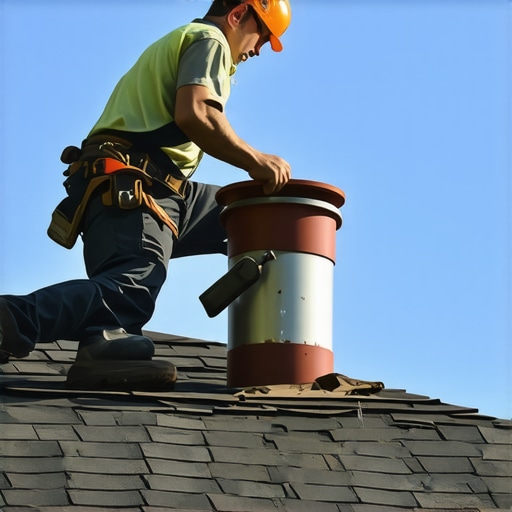
Lithium-based sealers are the newcomers to the forensic masonry scene, but they are impressive for chimney structural repair. Because lithium molecules are so small, they penetrate the densest bricks and consolidate the internal structure while providing water repellency. This is especially useful when you’re trying to save a chimney where the chimney crown repair was neglected for too long and the internal flues have already started to dampen.
4. Modified Fluoro-Polymers
While expensive, these are the heavy hitters for high-value brick arch restoration. They provide oleophobic (oil-repelling) as well as hydrophobic properties. In urban environments where smog and oils can degrade a facade, these sealers keep the stone clean while preventing the freeze-thaw cycles from ripping the mortar joints apart. When paired with sustainable tuckpointing mortars, they extend the life of a historic building by decades.
The Restoration Reality: Why ‘Lick-and-Stick’ Fails
Modern construction often relies on thin veneers—what we call ‘lick-and-stick’ stone. These systems are notorious for honeycombing behind the stone where water sits in a cold joint. If you are doing a brick wall restoration, you cannot just slap a sealer on top of a failing system. You must first ensure the structural integrity. This often involves foundation underpinning if the settlement has caused the masonry to shift. If you have horizontal cracks, you aren’t just looking at moisture; you’re looking at hydrostatic pressure. No sealer in the world will stop a wall from bowing if the drainage behind it is blocked. You have to fix the drainage, then the mortar, and then the sealer.
“The selection of mortar for masonry restoration should be based on the physical properties of the masonry units. Mortar should always be weaker than the surrounding units to ensure that stress is relieved through the mortar joints rather than the units themselves.” – ASTM C270 Standards
The Master’s Process: Applying the ‘Mud’ and the Seal
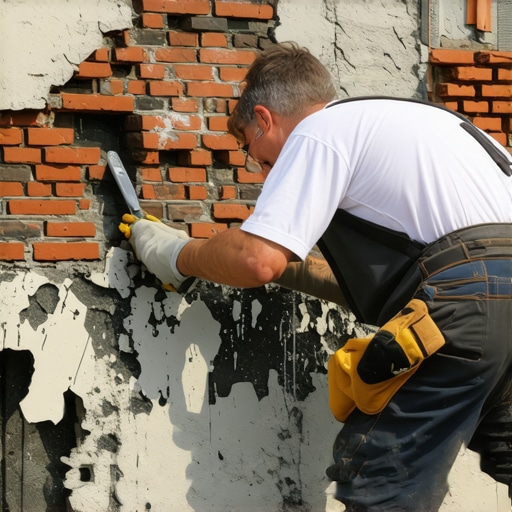
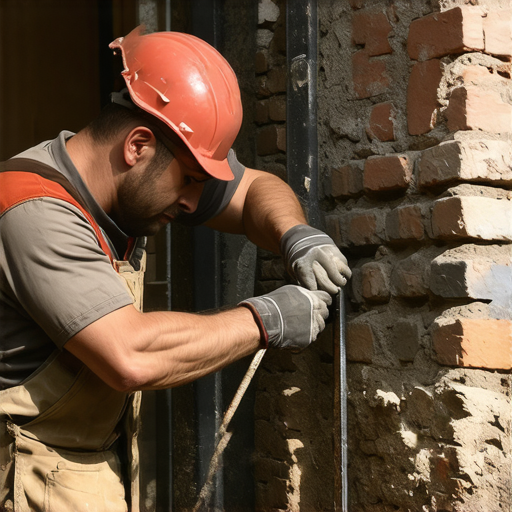
Before you even think about sealing for 2026, you need to check your joints. Grab your hawk and slicker. If the mortar is crumbly, you need to grind it out to a depth of at least twice the width of the joint. When we talk about sustainable tuckpointing mortars, we’re talking about lime-rich mixes that have the ‘tooth’ to grab onto the old brick. Once the repointing is finished and has cured for at least 28 days—allowing the hydration process to complete and the carbonation of the lime to begin—only then can you apply your sealer. Use a low-pressure sprayer and ‘butter’ the surface from the bottom up. You want to see a 6-inch run-down to ensure the stone is truly saturated with the repellent. If you just mist it, you’re wasting your time and the homeowner’s money.
When to Call a Forensic Inspector
If you see a soldier course (bricks standing on end) that is leaning outward, or if you see white, crusty powder (efflorescence) that won’t go away, you have a deep-seated moisture issue. A sealer might actually make it worse if the water is coming from behind the wall. This is common in commercial parapet wall repair where the flashing on the roof side has failed. Always perform a RILEM tube test to check the absorption rate of your masonry before choosing a sealer. Do it once, or do it twice—that’s the rule of the trade. If you don’t respect the physics of the stone, the freeze-thaw cycle will eventually turn your investment into a pile of rubble on the sidewalk.