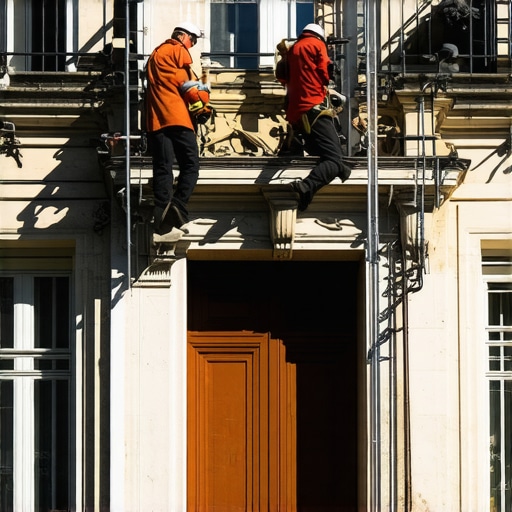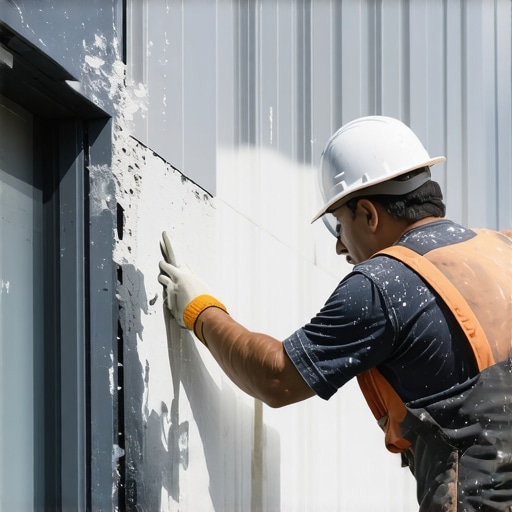
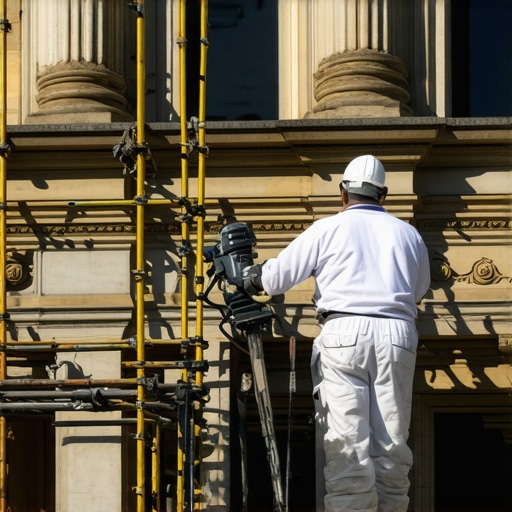
Facade Cleaning & Restoration: Expert Tips for Lasting Property Appeal
Elevating Masonry Restoration: The Interplay of Tuckpointing, Concrete Patching, and Facade Enhancement
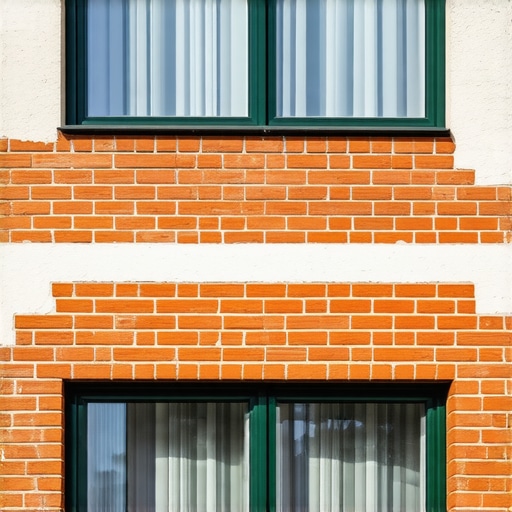
Within the realm of structural preservation, mastery over techniques such as tuckpointing and concrete patching becomes indispensable for safeguarding a building’s integrity and aesthetic value. As experts recognize, a comprehensive understanding of these processes—integrated with meticulous facade cleaning—translates into sustainable, long-lasting results that withstand environmental stresses and time.
Harnessing Material Science and Structural Mechanics for Effective Tuckpointing
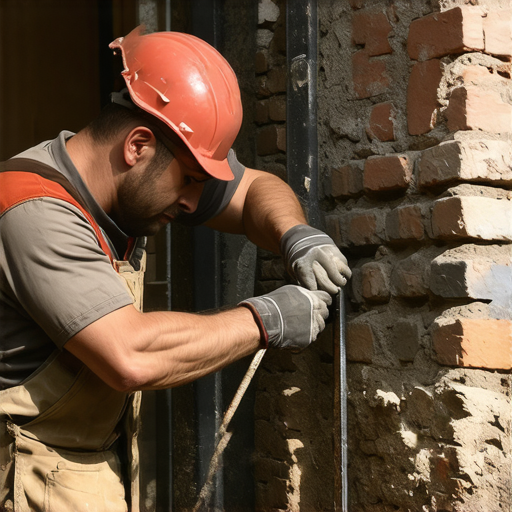
Modern tuckpointing involves more than superficial repointing; it’s an application rooted in material compatibility and stress distribution principles. The selection of high-performance mortar blends, such as lime-based or polymer-modified formulations, ensures adhesion and flexibility, minimizing crack propagation. Advanced experts often analyze joint dynamics using non-destructive testing methods to anticipate issues and strategize repairs that reinforce the wall’s load-bearing capacity.
The Role of Concrete Patching in Structural Rehabilitation
Concrete repair transcends surface aesthetics; it addresses fundamental issues of bonding, hydration, and durability. Technological innovations like rapid-setting, fiber-reinforced patches, and epoxy injections underpin concrete patching that restores structural coherence while resisting environmental ingress. Experts also leverage surface profiling and substrate analysis to optimize patching adhesion, ensuring that repairs do not create future points of failure.
Facade Cleaning’s Impact on Long-Term Durability and Curb Appeal
Facade cleaning, often underestimated, plays an essential role in maintaining masonry’s integrity. Pollutant accumulation accelerates chemical weathering, leading to material degradation. Employing methods such as low-pressure washing with specialized cleaning agents or laser treatment can remove contaminants without damaging delicate surfaces. Coupling cleaning with subsequent sealing and protective coatings significantly extends masonry lifespan, especially when integrated with competent tuckpointing and concrete patching practices.
How can microstructural analysis inform targeted masonry repairs to optimize durability?
Addressing this question requires an in-depth assessment of material porosity, tensile strength, and fatigue resistance at the micro-level, enabling tailored repair strategies that anticipate stress concentrations and environmental vulnerabilities.
Interested in elevating your masonry repair expertise? Explore detailed methodologies and case studies through our comprehensive guides, or contribute your insights to foster industry-wide excellence.
To deepen your understanding of masonry repair principles, consult authoritative sources such as the ASTM standards for mortar and concrete testing, which provide rigorous frameworks for quality assurance and longevity assessment.
Innovating Repair Materials for Superior Durability
Recent advancements in masonry repair emphasize the importance of selecting materials that offer enhanced adhesion, flexibility, and environmental resistance. Polymer-modified mortars and epoxy-based compounds provide superior bonding strength compared to traditional cement mixes, reducing the likelihood of cracks and failures over time. These innovative materials are not only compatible with existing masonry but also adaptable to varying substrate conditions, ensuring a resilient and lasting restoration. For a comprehensive understanding of effective foundation repair strategies utilizing these advanced materials, visit our detailed guide.
Innovative Approaches to Material Compatibility in Restoration Projects
Ensuring optimal longevity in masonry restoration hinges on the meticulous selection of materials that harmonize with existing substrates. Beyond traditional mortars, cutting-edge formulations incorporate nanomaterials and bio-based additives, which enhance bond strength and reduce permeability. These innovations mitigate moisture ingress and freeze-thaw damage, common culprits in masonry deterioration.
Developing Predictive Models for Structural Stress Management
How can computational simulations revolutionize repair strategies? Advanced finite element analysis (FEA) allows engineers to model complex stress distributions within masonry structures. By integrating material heterogeneity and environmental factors, predictive modeling pinpoint stress concentration zones, informing targeted interventions that preempt failure.1
Furthermore, sensor technologies embedded within walls, such as strain gauges and acoustic emission detectors, facilitate real-time monitoring of load shifts and crack propagation, enabling proactive maintenance before visible deterioration occurs.

Implementing Sustainable Practices in Masonry Restoration
Contemporary restoration projects increasingly prioritize eco-friendly methods and materials. Utilizing recycled aggregates in concrete patches or employing low-VOC cleaning agents reduces environmental impact without compromising quality. Moreover, techniques like passive biocide treatments inhibit microbial growth, extending surface lifespan naturally.
Can microbial-induced corrosion be effectively mitigated using bio-inspired coatings?
Addressing this nuanced issue involves understanding the biochemical mechanisms of MIC and developing coatings that emulate natural antimicrobial defenses, such as those found in plant exudates or marine organisms. Recent research indicates that bio-inspired nanocoatings incorporating silver ions or chitosan can significantly reduce microbial colonization, preserving masonry integrity—an area ripe for further exploration.
If you’re eager to deepen your expertise, consider participating in specialized workshops or consulting with research institutions pioneering sustainable masonry restoration techniques. Engaging with industry-specific standards, like those from ASTM for environmentally responsible materials, can further refine your practices and ensure adherence to best practices.
Emerging Technologies Shaping the Future of Masonry Repair
Augmented reality (AR) and 3D scanning are transforming site assessments, allowing specialists to visualize structural conditions at unprecedented levels of detail. These tools facilitate precise planning for tuckpointing and patching, minimizing material waste and optimizing labor efficiency.
Additionally, nanotechnology-enabled coatings that offer self-healing capabilities are on the horizon. Such materials can autonomously seal microcracks as they form, reducing the frequency of invasive repairs and extending the life cycle of masonry structures. Embracing these innovations requires a mindset open to continuous learning and adaptation in the ever-evolving field of structural preservation.
Leveraging Microstructural Analysis to Fine-Tune Masonry Reinforcement Strategies
Integrating micro-level insights into material porosity, tensile resilience, and fatigue resistance allows experts to tailor interventions that precisely address localized vulnerabilities. Techniques such as electron microscopy and nano-indentation offer unparalleled detail, enabling the development of customized repair solutions that mitigate stress concentration zones and environmental degradation pathways.
Deciphering the Synergy Between Material Compatibility and Eco-Friendly Innovations
Future-oriented restoration emphasizes harmonizing durability with sustainability by exploring bio-based additives, nanomaterials, and self-healing compounds. These advancements not only improve bond integrity and permeability resistance but also align with regulatory standards for environmentally responsible practices, such as ASTM C1664 for bio-based repair materials.
Why Integrate Computational Modeling into Reinforcement Planning?
Employing finite element analysis (FEA) and real-time structural health monitoring augments traditional assessment methods, offering predictive insights into stress redistribution, potential crack propagation, and long-term performance. Studies from the National Institute of Standards and Technology underscore how such digital tools refine repair accuracy and prolong structural lifespan.
Customizing Preservation Efforts for Irregular Masonry Geometries
Complex facades with intricate designs demand tailored solutions that respect architectural integrity. Techniques like laser scanning combined with parametric modeling enable precise material application and contouring, reducing waste and preserving aesthetic details. Mastery of these tools empowers restorers to deliver seamless integration of repairs within historic or irregular structures.
Adaptive Repair Approaches in Response to Climate-Induced Material Stress
With climate change accelerating environmental stresses, developing resilient repair strategies becomes crucial. Utilizing weather-responsive materials that adapt to temperature fluctuations or moisture levels can significantly enhance masonry durability. For example, smart mortars with phase-change materials (PCMs) buffer against thermal expansion and contraction, minimizing crack development.
Harnessing Cutting-Edge Coatings for Microbial and Chemical Defense
Emerging bio-inspired and nanotechnological coatings provide proactive defense against biotic and abiotic deterioration. Silver nanoparticle-infused coatings combat microbial-induced corrosion, while UV-resistant and hydrophobic layers prevent pollutant ingress. Continuous research from the Journal of Coatings Technology highlights how these innovations extend material longevity and reduce maintenance cycles.
How do emerging nanomaterials redefine masonry durability benchmarks for high-wear environments?
This involves analyzing new nanostructures’ ability to enhance corrosion resistance, mechanical strength, and environmental resilience, potentially setting new industry standards. Innovations like graphene-infused mortars demonstrate exceptional strength-to-weight ratios and impermeability, promising a transformative impact on long-term restoration capabilities.
Engage with the forefront of masonry preservation by exploring specialized training programs or collaborating with research institutions pushing the boundaries of material science. Staying abreast of standards such as ASTM C1785 for nanotechnology applications ensures your strategies remain both innovative and compliant.
Expert Insights for Cutting-Edge Masonry Repair
Prioritize Material Compatibility to Prevent Future Failures
Choosing repair materials that harmonize with existing masonry ensures longevity. Incorporating nanomaterials and bio-based additives enhances bond strength and environmental resistance, reducing crack formation and deterioration over time.
Leverage Predictive Modeling for Optimal Repair Strategies
Utilize finite element analysis (FEA) and structural health monitoring tools to identify stress hotspots. These technologies allow for targeted interventions, minimizing unnecessary work and extending the lifespan of masonry structures.
Integrate Sustainable Practices Without Compromising Durability
Employ recycled aggregates and low-VOC cleaning agents. Combining eco-friendly materials with advanced repair techniques results in resilient structures that meet environmental standards and perform reliably in harsh conditions.
Embrace Technological Innovations to Enhance Precision
Adopt 3D scanning and augmented reality for detailed assessment and planning. Self-healing coatings and smart mortars further reduce maintenance needs, fostering sustainable restoration solutions.
Develop Custom Approaches for Complex Geometries
Use laser scanning and parametric modeling to adjust repair contours accurately, preserving architectural integrity in intricate facades. This ensures seamless integration and aesthetic consistency.
Curated Resources to Elevate Your Expertise
- ASTM Standards for Masonry Materials: Providing rigorous testing protocols to ensure quality and durability in repair materials.
- Trusted Foundation Tuckpointing: A comprehensive guide on advanced repointing techniques that enhance structural integrity.
- Concrete Patching Innovations: Exploring the latest materials and methods for durable concrete repairs.
Your Next Steps in Masonry Mastery
Staying at the forefront of masonry restoration demands continual learning and embracing innovative practices. High-precision techniques like predictive modeling and sustainable materials can redefine standards, ensuring your work not only preserves history but advances the field. Engage with industry-leading resources and consider collaborating with research institutions to push the boundaries of what’s possible in masonry repair.