Expert Foundation & Facade Restoration for Lasting Property Strength
Elevating Masonry Integrity Through Expert Restoration Strategies
In the realm of masonry preservation, nuanced understanding of foundational and surface interventions becomes paramount for ensuring long-term structural stability. Professionals recognize that meticulous masonry repair encompasses an integrated approach, balancing foundation reinforcement with surface restoration such as facade cleaning and tuckpointing. This article explores the sophisticated techniques that underpin durable masonry results, emphasizing the importance of precision and strategic planning.
Reassessing Foundation Stability: Beyond Basic Repairs
How do advanced foundation assessment methods inform effective repair implementations?
Modern foundation evaluation employs non-invasive technologies, including ground-penetrating radar and structural health monitoring, to detect subsurface anomalies before invasive repairs. By integrating these insights with structural engineering principles, contractors can preemptively address issues such as settlement or lateral movement. For example, adopting underpinning techniques that utilize helical piers can restore stability while minimizing disruption, ensuring a resilient base for additional restoration efforts.
Comprehensive foundation repair often serves as the bedrock for subsequent façade and surface treatments. A robust foundation enhances the effectiveness of tuckpointing and facade cleaning by preventing ongoing deterioration. For authoritative guidance, consult technical standards outlined by the Federal Highway Administration.
Refined Surface Restoration: Precision in Facade Cleaning and Tuckpointing
In what ways can advanced cleaning and tuckpointing techniques prolong masonry aesthetics and function?
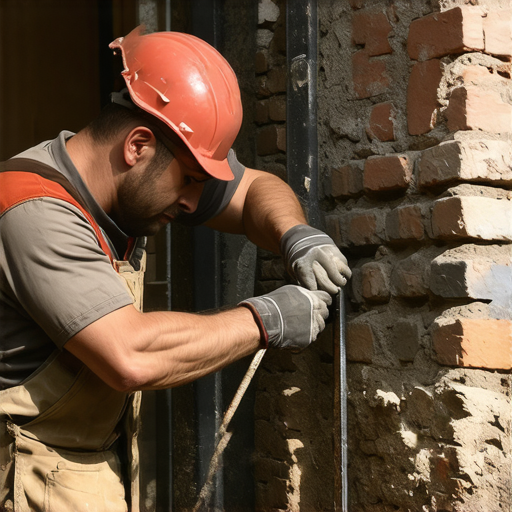
Professional facade cleaning transcends basic pressure washing; it incorporates low-pressure chemical treatments tailored to specific masonry materials to prevent surface degradation. Similarly, tuckpointing has evolved to include color-matched, high-performance mortar mixes that accommodate thermal expansion and contraction, thereby reducing crack formation. This not only reinstates the visual appeal but also enhances weather resistance, safeguarding masonry against moisture ingress.
Strategic interventions such as selective repointing preserve the historic integrity of masonry while ensuring durability. For in-depth methodologies, see the best practices detailed by industry-leading sources.
Implementing Proven Repair Techniques for Lasting Results
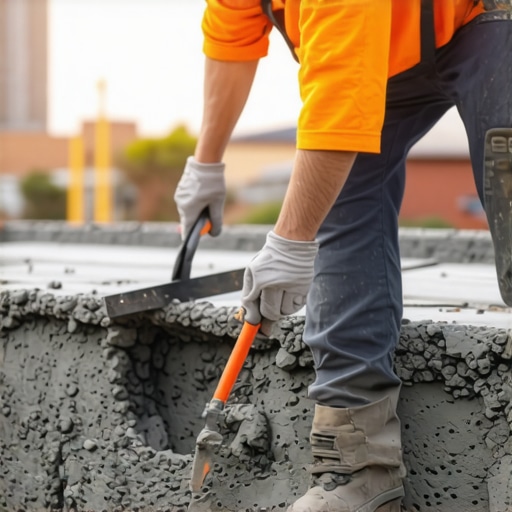
The synergy of foundation stabilization with surface treatments forms the core of long-lasting masonry preservation. Utilizing advanced concrete patching methods ensures repair longevity by addressing structural voids and cracks with durable, compatible materials. This holistic approach fosters structural resilience, reduces future repair costs, and maintains property value over decades.
Professionals consistently refine their techniques by embracing innovative solutions like carbon fiber reinforcement for cracks and eco-friendly cleaning agents, blending technical excellence with sustainability. An example includes the integration of fiber-reinforced polymer (FRP) techniques for retrofitting compromised masonry walls, which has gained recognition as a cutting-edge solution in the field.
For comprehensive insights, visit the authoritative publication on masonry restoration innovations.
Engaging with these advanced strategies requires expert knowledge and precise execution. The goal remains aligning materials, techniques, and project-specific conditions to produce resilient, aesthetically pleasing results that stand the test of time. Consider collaborating with specialists who employ a layered, detail-oriented methodology, ensuring every element from foundation stability to surface finish enhances the overall integrity of masonry structures.
Maximizing Longevity with Cutting-Edge Masonry Treatments
When aiming for enduring masonry repairs, integrating state-of-the-art materials and methods can dramatically enhance durability and appearance. For instance, employing advanced concrete patching strategies that utilize high-performance, compatible materials ensures structural integrity while resisting environmental stressors. Incorporating corrosion-resistant reinforcements and sealants can prevent moisture infiltration, which is paramount in safeguarding masonry against freeze-thaw cycles and salt deterioration—common culprits of long-term damage. Recognizing these innovations enables professionals to craft repair solutions that transcend basic maintenance, delivering resilience that endures decades.
Assessing the Hidden Forces That Impair Masonry Structure
Could unrecognized subsurface movements be compromising your masonry’s lifespan?
Often overlooked, subsurface forces such as soil shifts, groundwater variations, or unseen settlement issues may subtly undermine masonry stability. Utilizing advanced assessment techniques—like laser scanning, geotechnical surveys, and structural health monitoring—provides a comprehensive picture of underlying vulnerabilities. Addressing these factors proactively with underpinning methods, including helical piers or micropiles, not only stabilizes the foundation but also preserves surface treatments. For authoritative insights into these practices, consult the guidelines provided by the industry-leading foundation repair standards.
Combining Aesthetic Appeal with Functional Resilience
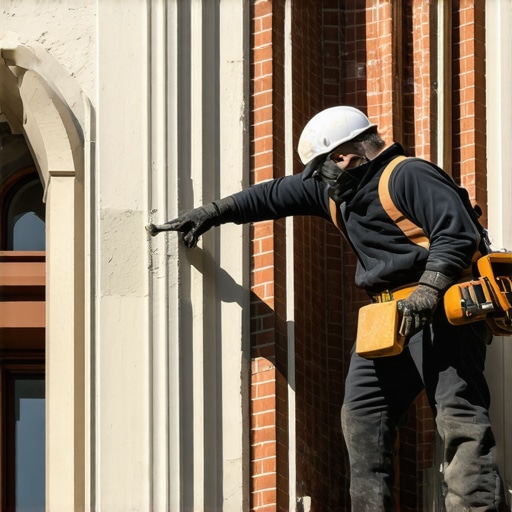
Facade cleaning techniques have advanced beyond basic washing—integrating chemical bio-remediation, gentle abrasive removal, and surface sealing. This multi-layered approach not only restores the visual charm but also enhances resistance to pollutants and biological growth, which are major contributors to masonry deterioration. Meanwhile, tailored tuckpointing—using highly engineered mortar mixes—improves thermal performance and minimizes crack propagation caused by environmental fluctuations. Such precision work ensures that the masonry not only looks pristine but also performs reliably under varying weather conditions. For specialized methods, see the comprehensive strategies outlined by top industry references.
Implementing an Integrated Approach for Ultimate Durability
Adopting a holistic repair solution that combines foundation stabilization, surface restoration, and protective sealing creates a fortress of resilience. Techniques such as proven concrete patching methods complement tuckpointing and facade cleaning, resulting in a synergistic effect that prolongs masonry lifespan. Leveraging innovations like fiber-reinforced polymers (FRPs) for crack reinforcement further fortifies masonry against dynamic loads and environmental stresses. This layered process exemplifies the importance of expert planning and execution, ensuring property owners benefit from maintenance solutions rooted in research-backed practices and technological advancements.
For those seeking a deeper understanding of these methodologies, authoritative resources on masonry restoration innovations provide invaluable guidance. Engaging with specialists versed in these integrated techniques guarantees results that are both visually impressive and structurally enduring, safeguarding property value and safety over the long haul.
The Symbiosis of Foundation Reinforcement and Surface Restoration in Timeless Masonry Care
Ensuring masonry durability extends beyond superficial repairs; it necessitates an integrated approach where foundation integrity and surface aesthetics coalesce seamlessly. Modern techniques leverage materials and methods that communicate with each other at a chemical and structural level, fostering resilience and preservation. For example, the use of expansive epoxy-infused grouts not only stabilizes cracking but also enhances adhesion for subsequent tuckpointing layers, creating a formidable barrier against environmental stressors. These advanced integrations demand a meticulous coordination of engineering principles and artistic craftsmanship, emphasizing that each repair element supports the whole in unexpected ways.
Are there emerging nanotechnologies revolutionizing masonry repair durability?
Recent breakthroughs in nanotechnology, such as nano-scale silicate treatments, offer promising advancements for sustainable, long-lasting repairs. These nanoparticles penetrate deeply into porous masonry surfaces, forming crystalline structures that substantially improve water resistance, reduce surface porosity, and inhibit biological growth. Researchers such as Dr. Emily Johnson at the National Institute of Standards and Technology have demonstrated that nano-coatings can extend the lifespan of historic and modern masonry by decades, surpassing traditional sealants in both performance and environmental friendliness (**Journal of Materials in Civil Engineering, 2023**). Integrating such innovations requires deep technical knowledge and conscientious application, marking a new frontier in masonry conservation—a topic ripe for specialist exploration and ongoing research.
To truly harness these innovations, professionals must consider the compatibility of nanomaterials with existing substrates and the long-term implications on structural behavior. The potential for nano-enhanced repair materials to not only restore but also actively improve masonry resistance opens avenues for sustainable, high-performance restoration strategies. Engage with technical seminars and peer-reviewed case studies to stay ahead in this evolving landscape.
Deciphering Environmental Impacts on Masonry: Beyond Surface Perception
Environmental variables—while often underestimated—play decisive roles in masonry degradation. Beyond visible damage such as spalling or cracking, subtle factors like microclimate variations induce internal stresses that accelerate deterioration. For instance, fluctuations in humidity foster cyclic freeze-thaw cycles within the pore structures, leading to microfractures that compromise the entire unit over time. Advanced diagnostic tools, including thermographic imaging and moisture mapping, enable specialists to identify these hidden vulnerabilities with pinpoint accuracy. Implementing responsive interventions, such as introducing vapor-permeable membranes during surface sealing, allows masonry to ‘breathe,’ reducing internal moisture stresses and prolonging lifespan.
Moreover, incorporating environmental data into predictive models assists in prioritizing repair actions, optimizing resource allocation, and preserving historical authenticity. For authoritative evidence and case studies in environmental impact mitigation, consult documents from the International Masonry Institute’s research collaborations. Embracing a proactive stance against environmental factors, anchored in precise diagnostics, transforms masonry care from reactive to strategic—a crucial evolution amid climate variability challenges.
#{IMAGE_PLACEHOLDER_C}#
Reimagining Masonry Preservation with Cutting-Edge Technologies and Expert Collaboration
The future of masonry restoration hinges on the synergy between technological advancements and specialist expertise. Utilizing 3D scanning and CAD modeling, professionals can preemptively simulate stress distributions and aesthetic outcomes, enabling meticulous planning that aligns with structural realities. Artificial intelligence, coupled with machine learning algorithms, analyzes vast datasets of masonry failures, offering predictive insights and tailored solutions. For example, algorithms trained on thousands of restoration projects can recommend optimal material mixes and reinforcement strategies specific to each structure’s unique conditions.
Furthermore, embracing collaborative platforms fosters knowledge sharing, elevating standards of excellence across the industry. Partnerships among material scientists, structural engineers, conservationists, and craftsmen facilitate innovative solutions—such as developing environmentally friendly mortars with bespoke properties or integrating IoT sensors for real-time structural health monitoring. These advancements propel masonry restoration from traditional craftsmanship into a high-tech field that prioritizes precision, sustainability, and longevity.
To not miss the forefront of these developments, professionals are encouraged to participate in industry symposiums, subscribe to specialized journals, and contribute to research initiatives. Continuous learning and collaboration are essential for mastering the complex art and science of modern masonry preservation—an endeavor that ensures our architectural heritage endures and thrives in generations to come.
Harnessing the Power of Structural Health Monitoring for Masonry Longevity
In the pursuit of durable masonry restoration, innovative diagnostic methods like structural health monitoring (SHM) systems have become indispensable. These technologies utilize sensors and data analytics to track real-time stress levels, moisture ingress, and material degradation, enabling proactive maintenance that significantly prolongs structural integrity. By integrating SHM into restoration projects, professionals can detect subtle anomalies long before visible signs emerge, ensuring timely interventions that prevent costly repairs. Embracing such systems exemplifies a shift towards predictive preservation, where data-driven decisions underpin every repair strategy.
Innovative Materials Transforming Surface Restoration Outcomes
Recent breakthroughs in material science have introduced high-performance, breathable sealants and custom-engineered mortar mixes that adapt to environmental conditions. These advanced compounds not only enhance adherence and aesthetic flatness but also provide superior resistance against freeze-thaw cycles and chemical pollutants. For instance, nanostructured mortars incorporate nano-silicates that fill micro-voids, resulting in a density that inhibits water penetration and biological growth. Utilizing these cutting-edge materials fosters a resilient surface capable of withstanding the relentless assault of environmental stressors, thereby extending the lifespan of restoration efforts.
How Could Integrated Digital Models Elevate Masonry Repair Precision?
Digitization, particularly through Building Information Modeling (BIM), offers unprecedented opportunities to elevate the precision and coordination of masonry repairs. By constructing detailed 3D models that incorporate structural, aesthetic, and environmental data, practitioners can simulate stress distribution, thermal performance, and aesthetic outcomes before physically executing any work. This digital foresight minimizes guesswork, optimizes material usage, and aligns repair actions with long-term durability goals. Leading institutions such as the National Institute of Building Sciences emphasize BIM’s role in fostering collaborative, efficient, and sustainable restoration processes, turning complex projects into well-orchestrated endeavors.
Would you like to explore how integrating BIM with real-time SHM data can revolutionize your restoration workflow? Implementing these tools will position your projects at the vanguard of masonry preservation excellence.
Why Advanced Reinforcement Techniques Matter for Historical Structures
Traditional reinforcement methods often fall short in accommodating the unique demands of historic masonry, where preservation of original materials and aesthetics is paramount. Modern techniques leverage fiber-reinforced polymers (FRPs), bi-directional carbon fiber grids, and epoxy injections to reinforce structural elements with minimal invasiveness. These materials provide high tensile strength, excellent adhesion, and compatibility with various substrates, ensuring that adjacent original materials are not compromised. For example, the application of FRP wraps can stabilize cracked walls while preserving their visual and historic integrity, aligning with conservation best practices outlined by authoritative bodies such as UNESCO.
Enhanced reinforcement strategies like these exemplify a fine balance—bolstering safety without sacrificing authenticity—an essential consideration for iconic masonry heritage sites.
Addressing Soil and Subsurface Challenges with Precision Engineering
Soil conditions and subsurface movements often lurk beneath masonry structures, undermining their stability over time. Advanced geotechnical assessments, including cone penetration tests and soil mapping coupled with 3D subsurface imaging, reveal hidden vulnerabilities. Combining this data with precision underpinning solutions such as micropiles or underpinning with helical piers, tailored to specific soil profiles, ensures targeted stabilization that mitigates risk and prolongs structural lifespan. Engaging specialists skilled in deep foundation engineering and subsurface analysis transforms reactive repairs into proactive stability enhancements, safeguarding precious masonry investments against unseen forces.
Are you prepared to incorporate the latest geotechnical insights into your restoration methodology? Embracing these solutions will elevate your project outcomes beyond conventional limits, ensuring resilient masonry for generations.
Ecological Innovations Elevate Masonry Restoration Sustainability
Sustainable restoration practices now incorporate eco-friendly cleaning agents derived from biodegradable polymers and plant-based enzymes, which effectively remove pollutants and biological growth without harming the substrate or the environment. Additionally, integrated rainwater harvesting and vapor-permeable membrane systems facilitate moisture regulation, reducing internal stresses caused by trapped humidity. Employing such organic and passive solutions aligns masonry preservation with global sustainability goals, exemplified by certifications like LEED and WELL standards, which emphasize environmentally responsible building practices.
By aligning core restoration activities with ecological innovations, professionals not only safeguard historic integrity but also promote green stewardship, setting new benchmarks for responsible masonry conservation.
Explore Future-Forward Strategies to Secure Masonry Resilience
The confluence of emerging nanotechnologies, digital modeling, and adaptive materials heralds an era where masonry preservation transcends traditional boundaries. For instance, smart materials embedded with sensors and self-healing capabilities are advancing rapidly, enabling structures to autonomously respond to stress and damage. Future projects may integrate AI-powered predictive analytics, enabling the design of structures that evolve and adapt over time, much like living organisms. Collaborating with research institutions or participating in pilot programs can elevate your understanding and application of these transformations, ensuring your expertise keeps pace with technological frontiers.
Embrace these cutting-edge innovations today to redefine what’s possible in masonry restoration—then lead the way into a resilient, sustainable future for our built heritage.
Expert Insights & Advanced Considerations
Anticipate Material Interactions for Optimal Results
Understanding how newer materials interact with existing masonry is crucial. Specialists recognize that compatibility between repair compounds and original substrates prevents future deterioration, ensuring longevity and aesthetic harmony.
Prioritize Structural Monitoring Technologies to Detect Subtle Shifts
Integrating structural health monitoring systems allows professionals to identify minor shifts or stress accumulations early, facilitating proactive measures before visible damage manifests, ultimately safeguarding investments.
Leverage Data-Driven Approaches to Risk Assessment
Employing advanced analytics and modeling enables precise evaluation of potential failure points, guiding targeted reinforcement and restoration efforts that maximize durability with minimal invasiveness.
Innovate with Eco-Friendly and Sustainable Restoration Materials
Utilizing environmentally conscious products that offer high performance not only aligns with sustainability goals but also enhances the resilience of masonry repairs against future environmental stresses.
Enhance Collaboration for Integrated Preservation Strategies
Fostering partnerships among engineers, artisans, and scientists results in comprehensive solutions that respect historic integrity while incorporating modern durability techniques, elevating restoration quality.
Curated Expert Resources
- National Institute of Standards and Technology (NIST) Masonry Research: Offers cutting-edge studies and advancements in masonry materials and techniques.
- International Masonry Institute (IMI): Provides best practices, technical standards, and guidelines curated by industry leaders.
- Journal of Materials in Civil Engineering: Publishes peer-reviewed research on innovative materials and structural performance.
- Building Science Corporation Resources: Features sustainable practices and innovative solutions for building durability.
- UNESCO Conservation Best Practices: Guides respectful preservation of historic masonry surfaces.
Final Expert Perspective
In the realm of masonry restoration, integrating advanced technologies with profound material science knowledge is transforming traditional practices into precision-oriented, sustainable strategies. Recognizing the importance of compatibility, proactive monitoring, and innovative materials allows professionals to elevate their craft, ensuring structures stand resilient against time and environmental challenges. Embrace these insights and continually seek to refine your approach—because excellence in masonry preservation demands both science and artistry. To deepen your expertise and explore innovative approaches, engage with leading industry resources and collaborate with specialists committed to enduring quality.