Concrete Patch & Repair Solutions for Lasting Durability
Elevating Masonry Durability with Precision Concrete Repair Techniques
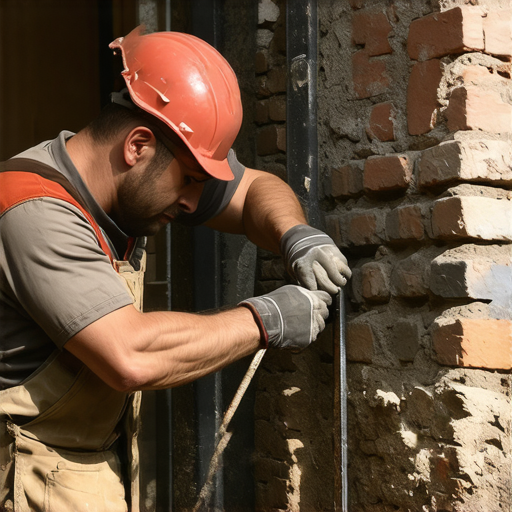
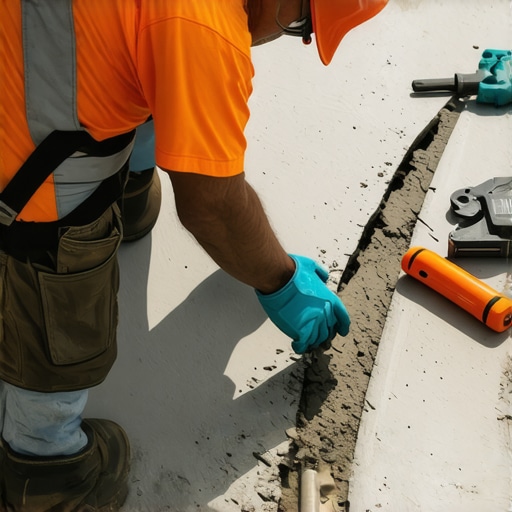
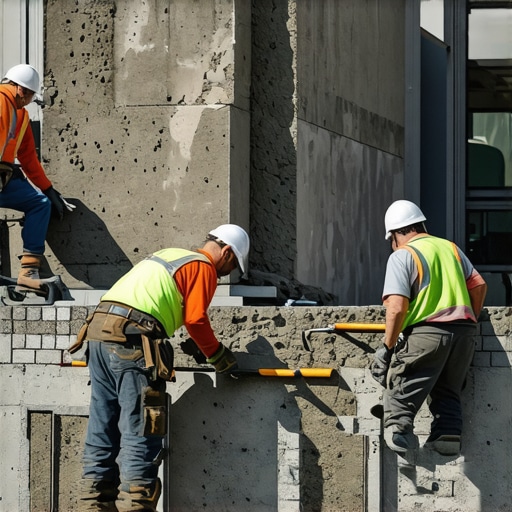
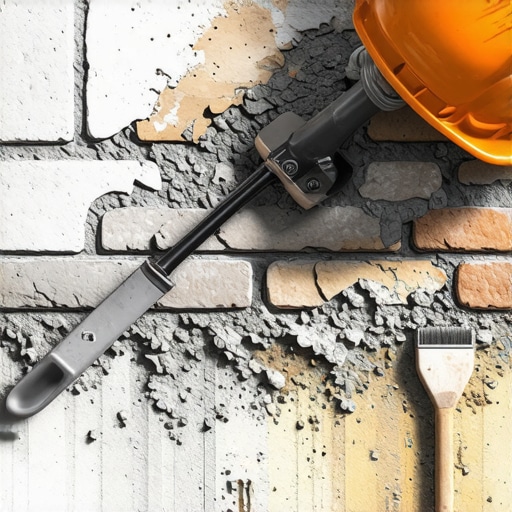
In the realm of structural preservation, mastering sophisticated concrete patching and masonry repair methods is essential for achieving long-lasting durability. Experienced professionals recognize that meticulous surface preparation and tailored material selection significantly influence repair longevity, especially when addressing foundational cracks, tuckpointing deficiencies, or facade degradation. Adopting a strategic approach that combines high-performance repair mortars with proper curing processes can markedly extend infrastructure lifespan.
Deciphering the Nuances of Foundation Reinforcement and Masonry Stabilization
Foundations serve as the backbone of resilient structures, and their integrity hinges on advanced repair protocols. Integrating foundational reinforcement techniques—such as underpinning or carbon-fiber activation—ensures that underlying stress factors are mitigated effectively. This approach aligns with insights from authoritative sources like the ASTM standards, guaranteeing compliance with best practice guidelines. Moreover, comprehensive assessment of soil-structure interaction informs precise intervention strategies to prevent future settlement issues.
The Science Behind Tuckpointing and Façade Cleaning for Optimal Masonry Preservation
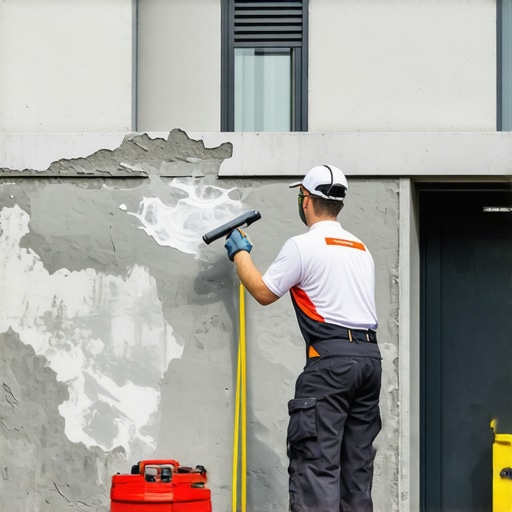
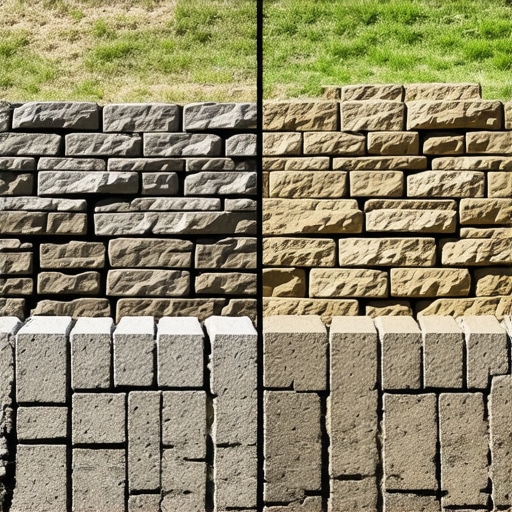
Expert artisans leverage sophisticated tuckpointing methodologies that enhance aesthetic appeal while reinforcing joint integrity against weathering effects. The use of compatible mortar mixes—balancing porosity and thermal expansion—is vital to prevent differential movement and deterioration. Concurrently, façade cleaning operations employing appropriate biocide treatments and gentle abrasive techniques uphold masonry’s visual and structural properties, avoiding unintended surface erosion. These measures collectively fortify building exteriors, ensuring enduring curb appeal.
Harnessing Material Innovation to Overcome Repair Challenges
Recent advancements in chemical admixtures and nanotechnology-infused repair compounds offer promising solutions for complex masonry issues. The integration of self-healing concretes that activate upon crack formation exemplifies cutting-edge progress, reducing maintenance frequency. Such innovations demand a comprehensive understanding of material compatibility, structural load considerations, and environmental exposure risks—areas where expert consultation is indispensable.
Addressing Complex Repair Queries with Advanced Insights
How can professionals effectively reconcile historic masonry techniques with modern repair materials to preserve architectural authenticity while ensuring durability? This question underscores the importance of tailored repair strategies that respect traditional craftsmanship, yet leverage technological progress. Consulting specialized resources and engaging in continuous education fortify practitioners’ capacity to deliver resilient masonry restorations.
For in-depth guidance on foundation and tuckpointing innovations, explore our comprehensive expert resources. Share your insights or inquire about specialized solutions to elevate your masonry restoration projects.
Maintaining structural longevity involves embracing a holistic understanding of material science, structural engineering principles, and aesthetic considerations, all driven by expert-level craftsmanship. Continuous adaptation to emerging technologies and environmental challenges anchors the foundation of enduring masonry excellence.
Sustainable Solutions for Aging Masonry Structures
As urban environments evolve, the importance of integrating sustainable practices into masonry restoration becomes increasingly evident. Incorporating eco-friendly repair materials, such as recycled-content mortars and low-VOC sealants, not only reduces environmental impact but also enhances the durability of repairs. Experts emphasize that selecting appropriate materials that meet both sustainability standards and structural requirements can significantly extend the lifespan of masonry elements, providing an optimal balance between ecology and longevity. For advanced insights on sustainable facade restoration, visit our trusted facade cleaning and restoration resources.
Mastering the Art of Historic Masonry Preservation
Preserving historical masonry involves more than surface cleaning; it requires a delicate balance of respecting original craftsmanship while applying modern repair techniques. Engaging with conservation specialists ensures that interventions uphold architectural integrity. Techniques such as lime-based mortar repointing allow for flexibility and breathability, preventing moisture trapping that leads to deterioration. Understanding the nuances of traditional materials and methods is crucial for craftsmen aiming to maintain authenticity without compromising durability. Learn more about expert masonry restoration strategies at our comprehensive masonry repair guide.
How Can Technology Revolutionize Long-Term Masonry Maintenance?
Emerging innovations like digital imaging, structural health monitoring sensors, and predictive analytics are transforming the landscape of masonry maintenance. These tools enable proactive assessments, allowing technicians to identify minor issues before they escalate into costly failures. For instance, drone-based inspections can efficiently survey large structures, while real-time data from embedded sensors provides ongoing feedback on structural integrity. Experts advocate integrating these technologies into standard maintenance protocols to achieve durable results and reduce lifecycle costs. To explore cutting-edge technological applications in masonry repair, consider reviewing industry reports from authoritative sources like the masonry innovation consortium.
Are you interested in adopting smart solutions for your next masonry project? Share your questions or success stories in the comments to foster community learning and innovation.
Continual learning and embracing technological advancements are key to elevating masonry repair from reactive fixes to strategic interventions, ensuring structures remain resilient for generations to come.
Leveraging Digital Technologies for Precision Masonry Interventions
In today’s landscape, integrating cutting-edge digital tools revolutionizes traditional masonry repair. Techniques such as 3D laser scanning enable comprehensive documentation of existing conditions, capturing minute surface irregularities and structural distortions with unmatched accuracy. This data-driven approach allows artisans to plan restorations meticulously, ensuring that interventions align precisely with original architectural intent, while accommodating modern safety standards. Moreover, digital modeling facilitates simulation of repair outcomes, predicting long-term behavior under various environmental conditions, thereby optimizing material selection and application methods.
Can AI and Machine Learning Enhance Predictive Maintenance in Masonry Structures?
Absolutely. The adoption of artificial intelligence (AI) and machine learning algorithms offers unprecedented capabilities to analyze vast datasets derived from structural health monitoring sensors and imaging technologies. These systems identify subtle deterioration patterns—such as microcracking or moisture intrusion—that precede visible failure signs. By processing continuous data streams, predictive analytics can generate maintenance schedules proactively, reducing emergency repairs and extending masonry lifespan. The integration of these technologies demands a multidisciplinary expertise, blending structural engineering, data science, and material science to develop robust models tailored to specific building typologies.
In light of these advancements, consulting with specialists in digital masonry solutions becomes indispensable for projects aiming for longevity and resilience. Keep abreast of emerging trends by engaging with industry-leading research and participating in professional networks specialized in structural innovations.
Nanotechnology and Self-Healing Materials Transforming Masonry Longevity
The next frontier in masonry repair involves the incorporation of nanotechnology-infused materials that actively respond to environmental stimuli. Nanocrystalline admixtures integrated into repair mortars exhibit remarkable self-healing properties—they can autonomously seal microcracks upon environmental triggers such as humidity or temperature fluctuations. This autonomous repair mechanism not only reduces maintenance interventions but also enhances structural integrity over decades. Furthermore, nanomaterials promise superior bond strength, enhanced impermeability, and resistance to chemical degradation, addressing some of the most persistent challenges faced by masonry structures exposed to urban pollutants and climate-induced stressors.
However, deploying these advanced materials requires a comprehensive understanding of their interaction with existing substrates, as well as meticulous quality control during application. Emerging standards from ASTM and other authoritative bodies are beginning to incorporate guidelines for nanotechnology-based repairs, guiding practitioners toward safe and effective implementation.
Holistic Approaches for Preserving Architectural Heritage Amid Modern Demands
For historic masonry structures, preservation strategies must intertwine respect for original craftsmanship with resilience against contemporary environmental pressures. Adaptive reuse projects exemplify this balance, where structural reinforcement is achieved through minimally invasive methods—such as fiber-reinforced polymer wraps—that do not compromise aesthetic integrity. Additionally, integrating environmental control systems that regulate humidity and temperature within the building envelope can significantly slow deterioration processes.
Engaging conservation specialists ensures interventions adhere to the Secretary of the Interior’s Standards for the Treatment of Historic Properties, safeguarding architectural integrity while enhancing durability. Advanced assessment techniques—including ground-penetrating radar and infrared thermography—undergird these efforts, providing insight into hidden decay or moisture ingress without damaging the façade.
What Role Do Sustainable Materials Play in Heritage Masonry Preservation?
Sustainability in preservation extends beyond environmental benefits. Selecting eco-friendly, compatible materials ensures that interventions do not introduce deleterious effects, such as rapid deterioration or future accessibility issues. Lime-based mortars, crafted from natural hydraulic lime and pozzolanic additives, exemplify sustainable choices that mirror historic compositions, offering breathability and flexibility necessary for preservation while providing sufficient structural support. The use of recycled aggregates and low-emission sealants further aligns preservation efforts with modern sustainability imperatives, offering a harmonious blend of tradition and innovation.
To deepen your expertise, consider exploring case studies published in the Journal of Architectural Conservation, which detail successful integration of sustainable methods in complex restoration projects. Would you like tailored recommendations on selecting materials best suited for your specific historic masonry project? Reach out to our conservation specialists for personalized guidance and advanced strategies.
The Future of Masonry Repair: Embracing Continuous Innovation
As the field evolves, ongoing research into biomimicry-inspired materials—emulating natural repair processes—promises to further transform masonry restoration. The development of bio-based concretes that foster self-regeneration or adaptively respond to load changes could redefine standards of durability. Coupled with improvements in environmental sensors and real-time data analysis, these innovations will empower practitioners to shift from reactivemaintenance to proactive, predictive, and even regenerative approaches. Such progress underscores the importance of ongoing professional development and collaboration with research institutions dedicated to masonry science and structural resilience.
Interested in pioneering these frontier approaches in your projects? Engage with industry conferences, participate in pilot programs, or subscribe to leading journals that spotlight emerging innovations—your role as an early adopter can significantly influence the future of masonry preservation and repair techniques.
Unlocking the Potential of Fiber-Optic Monitoring in Masonry Integrity
Integrating fiber-optic sensors into masonry structures enables real-time, long-term monitoring of strain, temperature, and moisture variations. This advanced approach empowers engineers to detect early signs of deterioration, facilitating proactive maintenance strategies that extend structural lifespan. The use of distributed sensing technology also allows for precise localization of problem zones, minimizing invasive interventions and optimizing resource allocation. According to the research published in the ASME Journal of Structural Health Monitoring, such systems significantly enhance the predictive capacity of preservation efforts and facilitate data-driven decision-making.
Can Modular Masonry Repair Sets Transform Emergency Restoration Tactics?
Modern modular repair systems, comprised of pre-fabricated, eco-friendly components, are revolutionizing urgent interventions on compromised masonry facades. These adaptable kits allow for swift installation in the field, reducing downtime and limiting exposure to weathering agents. Their standardized design ensures consistent quality and compatibility across various materials, while their lightweight nature simplifies logistics and reduces labor costs. Incorporating these technologies into emergency response protocols not only accelerates repair timelines but also ensures precision and durability, maintaining the aesthetic and structural integrity of historic buildings even during crises.
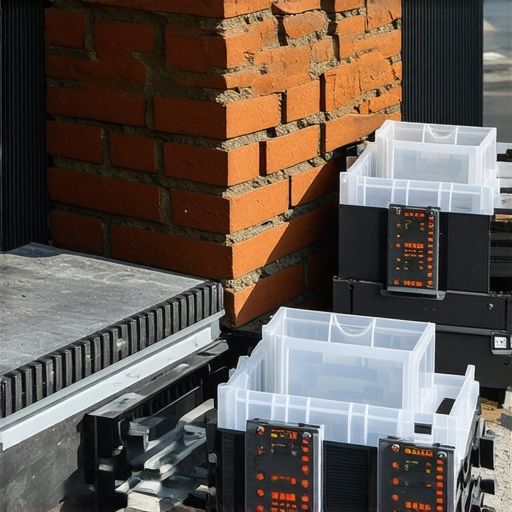
Visualize a cluster of modular masonry repair components seamlessly integrated into a heritage façade, demonstrating rapid deployment in restoration scenarios.
How Do Advanced Material Science Techniques Enhance Historical Masonry Preservation?
The advent of nano-engineered composites offers unparalleled potential for repairing and consolidating ancient masonry. These materials exhibit superior adhesion, hardness, and flexibility, which align with the original fabric of historic structures. The ability to tailor pore structure and thermal properties at the nanoscale allows restoration specialists to address moisture ingress, salt crystallization, and thermal expansion challenges effectively. Drawing from breakthroughs documented in the ScienceDirect Nanotechnology Journal, these innovations contribute to minimally invasive repairs that respect the integrity of original materials while offering long-term resilience.
What Practical Approaches Reinforce Masonry Against Urban Environmental Stresses?
Urban pollution, acid rain, and fluctuating temperatures pose persistent threats to masonry durability. Applying bioactive coatings infused with photocatalytic nanoparticles can decompose pollutants and prevent lingering chemical deposits. Complementary techniques include installing vapor-permeable sealants that allow moisture egress, preventing internal decay. Coupling these methods with comprehensive environmental assessments ensures tailored interventions that mitigate specific stressors. The work of urban climate specialists from the Urban Resilience Institute highlights the synergy between innovative materials and site-specific strategies in prolonging masonry service life.
Advanced Techniques in Restoring Structural Masonry for Seismic Resilience
In seismic-prone areas, reinforcing historical masonry requires innovative solutions that augment load-bearing capacity without compromising authenticity. Techniques like fiber-reinforced polymer (FRP) wrapping and ultra-high-performance concrete overlays enhance ductility and dissipate seismic energy dissipated during tremors. These methods must be carefully integrated with a deep understanding of local geology and building typologies. Recent case studies from the Structurae database demonstrate how tailored seismic retrofitting preserves architectural heritage while ensuring safety against dynamic loading.
Engage with Cutting-Edge Research for Future-Ready Restoration
For professionals committed to pioneering masonry preservation, actively participating in industry symposiums and research collaborations is invaluable. Advances in bio-mimetic materials, smart membranes, and autonomous repair systems are on the horizon, promising unprecedented longevity and sustainability. Keeping abreast of these developments through accredited conferences like the International Masonry Conference positions practitioners at the forefront of innovation. How will your project leverage these emerging technologies to redefine standards in masonry repair and preservation? Connect with specialists and contribute to shaping the future landscape of structural resilience.
,
Elevate Your Masonry Strategies with Cutting-Edge Knowledge
The evolution of masonry repair demands a proactive mindset rooted in innovation and expertise. Embracing advanced materials such as nanotechnology-based repair compounds and integrating digital monitoring technologies can remarkably enhance structural resilience. Staying abreast of breakthroughs in sustainable materials not only supports environmental responsibility but also extends the longevity of restoration efforts. Moreover, harnessing predictive analytics and IoT sensors allows for anticipatory maintenance, minimizing disruptions and safeguarding investments.
Ascertain Top-Class Resources for Deepening Technical Mastery
Delve into seminal publications like the ScienceDirect Nanotechnology Journal for insights into nanomaterials that are revolutionizing masonry repairs. Expert-led webinars from industry leaders offer practical guidance on integrating IoT device networks within heritage structures. Technical standards from ASTM provide a robust framework ensuring that innovative materials meet stringent performance criteria. Engaging with professional networks, such as the Masonry Repair Association, fosters collaborative learning and early adoption of emerging technologies.
Transform the Way You Think About Masonry Conservation
The integration of intelligent monitoring systems in masonry projects stands as a testament to the future of structural preservation. Combining these digital tools with traditional craftsmanship creates a synergy that elevates repair precision and increases durability. Prioritizing sustainable, high-performance materials complements technological advancements, resulting in work that is both environmentally conscious and built to last. Engaging with these experts and resources positions professionals at the forefront of masonry innovation, ready to tackle the challenges of tomorrow with confidence and expertise.
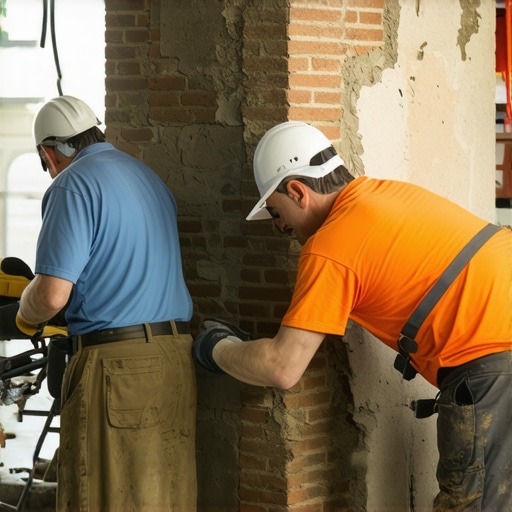
I really appreciate how this post emphasizes the importance of combining modern repair materials with traditional craftsmanship, especially for historic masonry preservation. In my experience working on heritage restorations, using lime-based mortars alongside nanotechnology-infused composites offers both flexibility and long-term durability. It’s fascinating to see how self-healing concretes are starting to revolutionize maintenance routines by actively sealing microcracks. One challenge I’ve faced is ensuring compatibility between new materials and the original fabric of the structure, particularly in older buildings. Have others found effective strategies for maintaining this balance without compromising authenticity? I’m curious about how different repair techniques impact the building’s breathability and moisture management over time. It seems like staying updated with evolving standards and emerging technologies is key to achieving both structural integrity and heritage preservation.