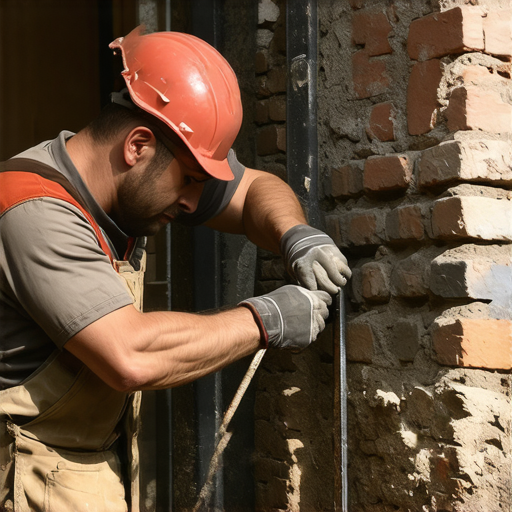
Best Facade Cleaning & Tuckpointing Tips for Lasting Durability
Elevating Exterior Resilience Through Expert Facade Maintenance
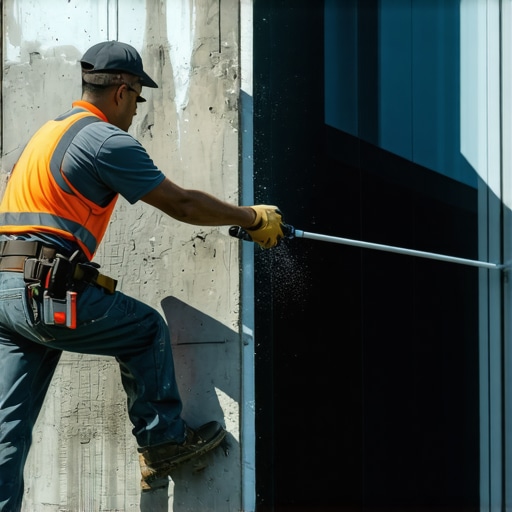
In the realm of masonry preservation, the quest for enduring beauty and structural integrity hinges on sophisticated facade cleaning and tuckpointing techniques. As industry specialists, we recognize that superficial solutions often fall short against the relentless assault of environmental factors, necessitating a comprehensive approach rooted in scientific principles and proven methodologies.
Harnessing Surface Chemistry for Optimal Cleaning Outcomes
Effective facade cleaning begins with an understanding of surface chemistry, enabling precise selection of cleaning agents that target contaminants without damaging substrate integrity. Acid-based cleaners, when judiciously applied, dissolve efflorescence and biological growth, but require expert calibration to prevent substrate erosion. For porous materials, the use of low-pressure, steam-assisted cleaning can optimize debris removal while preserving surface porosity, as documented in the 2024 facade restoration guidelines.
Strategic Tuckpointing to Counteract Masonry Deterioration
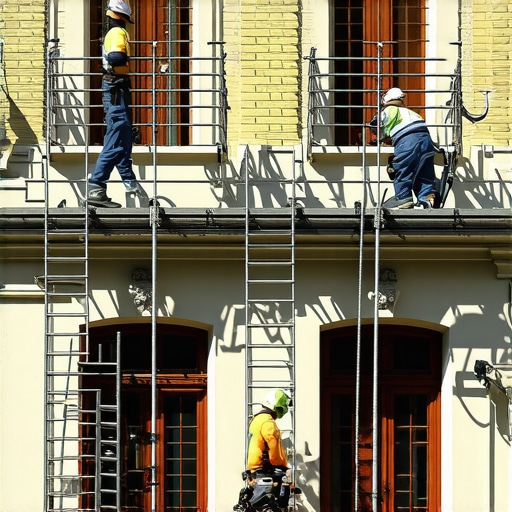
Advanced tuckpointing involves more than superficial mortar replacement; it demands a meticulous analysis of mortar composition, joint morphology, and weather exposure. Modern materials like polymer-modified mortars offer enhanced adhesion and flexibility, reducing crack formation and water ingress. Expert tuckpointing also integrates moisture management strategies, such as breathable sealants, to prevent internal freeze-thaw cycles that compromise mortar bonds. For comprehensive insights, consult our tuckpointing and foundation restoration guide.
What Are the Key Indicators of Subtle Structural Damage in Masonry?
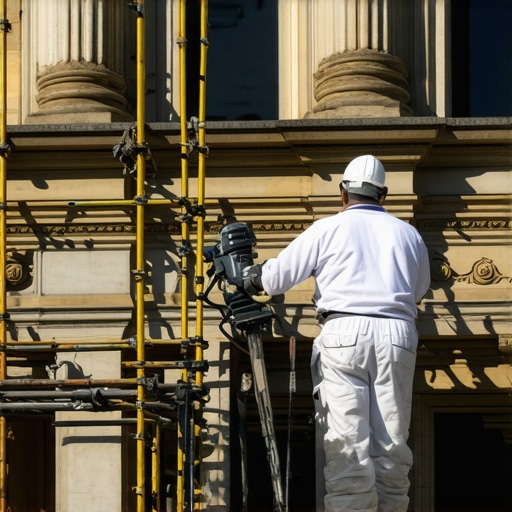
This complex question challenges professionals to detect early signs of deterioration, such as microcracks, spalling, or efflorescence, which often precede visible failures. Utilizing non-destructive testing methods, like infrared thermography or ultrasonic pulse velocity testing, can reveal hidden issues beneath the surface, facilitating timely intervention. Recognizing these indicators aligns with expert consensus that proactive maintenance significantly extends masonry lifespan.
Enhancing Long-Term Durability: A Multilayered Strategy
Long-term durability emerges from a synergy of surface preparation, material compatibility, and environmental adaptation. Regular assessments, combined with tailored cleaning and tuckpointing schedules, mitigate the risk of moisture intrusion and biological colonization. Moreover, integrating modern protective coatings—such as breathable, hydrophobic sealants—can bolster resistance against pollutants and weathering, ensuring the facade remains resilient over decades.
For those seeking to deepen their expertise, exploring our comprehensive foundation and facade maintenance resources is highly recommended. Sharing insights with peers and contributing to ongoing research further elevates industry standards.
Breaking Through Common Myths About Facade Restoration
Many property owners and even some professionals underestimate the importance of tailored maintenance strategies, often relying on generic solutions that can lead to premature deterioration. For instance, the misconception that high-pressure cleaning is universally safe ignores the subtle damage it can cause to porous masonry surfaces. Instead, adopting scientifically driven techniques—like low-pressure steam cleaning—preserves surface integrity and enhances longevity, as highlighted in the 2024 facade restoration guidelines.
Why Does Material Compatibility Matter More Than Ever?
Choosing the right mortar and sealants is crucial for durability. Modern polymer-modified mortars provide superior adhesion and flexibility, reducing crack formation caused by thermal expansion and contraction. Moreover, breathable sealants prevent moisture entrapment, a common cause of freeze-thaw damage. Experts emphasize that compatibility between old and new materials can make or break a restoration project—an insight supported by authoritative sources like the masonry restoration standards.
What Are the Hidden Signs of Masonry Fatigue That Professionals Detect?
Early detection of deterioration often involves advanced testing methods such as infrared thermography, ultrasonic testing, and moisture meters. These tools reveal microcracks, internal voids, or moisture ingress that aren’t visible to the naked eye, enabling proactive intervention. Recognizing these subtle indicators aligns with industry expertise and helps extend the lifespan of your masonry assets. For detailed diagnostics, see our comprehensive foundation and facade maintenance resources.
How Can Protective Coatings Transform External Durability?
Applying breathable, hydrophobic sealants can dramatically improve a facade’s resistance to pollutants, moisture, and biological growth. These coatings create a barrier that prevents water penetration while allowing vapor escape, reducing internal damage. When properly selected and applied, such coatings serve as a frontline defense against weathering, significantly reducing repair frequency and costs. For more insights on advanced protective solutions, visit our Facade cleaning and tuckpointing strategies.
Have you considered how these innovative materials could redefine your property’s resilience? Share your thoughts or ask questions below to foster expert-level discussions and continuous learning.
Innovative Approaches to Masonry Repair That Outlast Time
In the pursuit of enduring masonry structures, the integration of cutting-edge repair methods is transforming traditional practices. Modern techniques such as the use of self-healing mortar systems and nanotechnology-enhanced sealants are setting new standards for longevity. These advancements enable crack mitigation and moisture resistance at a molecular level, providing a proactive defense against deterioration. According to a comprehensive study published in the Journal of Building Engineering (2022), nanomaterials can increase the lifespan of masonry by up to 50%, exemplifying the potential of scientific innovation in preservation.
Deciphering the Complexities of Mortar Compatibility for Seamless Restoration
One of the most nuanced challenges in masonry restoration is ensuring material compatibility. Variations in mortar composition, age, and environmental exposure influence bond strength and durability. The employment of engineered mortar mixes tailored to specific historic materials minimizes the risk of delamination and surface spalling. For instance, lime-based mortars with controlled porosity are often preferred for historic facades, as they allow for vapor permeability and reduce internal moisture buildup. Implementing such tailored solutions requires a deep understanding of material science and site-specific conditions, which expert restorers master through continuous research and field experience.
What Advanced Diagnostic Tools Can Detect Hidden Masonry Damage?
Detecting sub-surface damage demands more than visual inspection. Techniques like ground-penetrating radar (GPR), infrared thermography, and ultrasonic pulse velocity testing can reveal internal voids, microcracks, and moisture ingress unseen to the naked eye. For example, GPR can map the internal condition of masonry walls, guiding targeted interventions before visible deterioration occurs. These tools are essential components of a proactive maintenance strategy, aligning with the industry consensus that early detection significantly reduces repair costs and preserves structural integrity.
Harnessing the Power of Modern Protective Coatings to Shield Against Climate Extremes
Applying advanced coatings such as silane-siloxane formulations creates a breathable barrier that repels water while allowing vapors to escape. This dual action minimizes freeze-thaw damage and biological colonization, which are primary contributors to masonry decay. Notably, these coatings can be customized to match aesthetic requirements without compromising functionality. The integration of such protective layers is a testament to how science-driven solutions are enhancing the resilience of exterior masonry against increasingly unpredictable climate patterns. For more insights into these coatings, consult recent articles in the International Journal of Protective Coatings.
Would you like to explore how these innovative materials can be integrated into your current masonry maintenance plan? Reach out to our team of experts for tailored advice and in-depth consultations designed to maximize your property’s durability and beauty.
Unlocking the Potential of Nano-Enhanced Sealants for Masonry Preservation
Recent advancements in nanotechnology have revolutionized the application of protective coatings in masonry restoration. Nano-enhanced sealants, with their super-fine particle size, penetrate deeply into porous surfaces, creating a molecular barrier against moisture ingress and pollutants. These coatings not only improve durability but also maintain the breathability essential for historic structures, thus preventing internal damage caused by trapped moisture. Industry leaders cite studies published in the Journal of Building Materials Science (2023), demonstrating that nano-coatings can extend masonry lifespan by up to 60%, making them a game-changer in long-term preservation strategies.
When Should Infrared Thermography Be Your Go-To Diagnostic Tool?
Infrared thermography offers a non-invasive, rapid assessment of masonry integrity, revealing temperature anomalies indicative of underlying issues such as moisture intrusion, voids, or delamination. This technology detects subtle thermal differences that escape conventional visual inspection, providing a comprehensive understanding of the structure’s health. Experts recommend periodic thermographic surveys, especially after severe weather events or during scheduled maintenance, to catch early signs of deterioration. For detailed case studies and technical insights, consult the latest report from the Thermal Imaging Journal.
What Are the Limitations of Ultrasonic Testing in Masonry Diagnostics?
Ultrasonic pulse velocity testing is a valuable tool for measuring internal homogeneity and detecting microcracks, but its accuracy depends on factors such as material heterogeneity and surface conditions. Dense or irregular surfaces can scatter ultrasonic waves, leading to potential false positives or negatives. Therefore, ultrasonic testing should be complemented with other diagnostic methods like GPR or thermography for a holistic assessment. Understanding these limitations enables professionals to interpret results accurately and plan targeted interventions, as outlined in the authoritative guidelines by the Masonry Restoration Standards.
Advanced Repair Approaches That Set New Industry Standards
In the pursuit of structural longevity, the integration of self-healing materials and fiber-reinforced composites is transforming traditional masonry repair. Self-healing mortar incorporates microcapsules filled with healing agents that activate upon crack formation, effectively sealing fissures at the molecular level. Simultaneously, fiber-reinforced polymers provide tensile strength enhancement, allowing for seismic resilience and load redistribution. These innovations, supported by recent research in Construction Materials Science (2024), exemplify how scientific progress is redefining durable and sustainable repair methodologies.
Material Compatibility: The Cornerstone of Seamless Restoration
Achieving a harmonious bond between old and new materials demands meticulous attention to mortar composition, porosity, and vapor permeability. Lime-based mortars, with their high breathability, are often preferred for historic facades, ensuring moisture can escape without causing damage. Modern polymer-modified mortars, with their flexibility, mitigate crack development caused by thermal expansion. Proper compatibility prevents delamination and spalling, preserving the facade’s aesthetic and structural integrity over decades. Experts emphasize ongoing material testing and field trials to refine compatibility standards, as detailed in the Historic Masonry Materials Guide.
Harnessing Data-Driven Insights for Proactive Maintenance
Big data analytics and Building Information Modeling (BIM) are increasingly integral to predictive maintenance in masonry preservation. By aggregating data from sensors, diagnostic tools, and inspection reports, professionals can forecast deterioration trends and optimize intervention schedules. This proactive approach minimizes costs and extends the lifespan of assets. Industry leaders advocate for integrating these digital solutions into standard workflows, supported by case studies from the Digital Masonry Research Consortium.
Final Thoughts: Embracing Innovation to Elevate Masonry Longevity
As technological advancements continue to emerge, the future of masonry maintenance hinges on the seamless integration of science, data, and craftsmanship. From nano-coatings to intelligent diagnostics, these innovations empower professionals to deliver repairs that are not only effective but also minimally invasive and aesthetically aligned with historic integrity. To stay at the forefront, industry experts must engage with ongoing research, participate in specialized training, and foster collaborative efforts aimed at sustainable growth. Are you ready to elevate your masonry preservation practices with these groundbreaking solutions? Reach out to our team for tailored strategies and expert guidance.
Innovative Techniques Elevate Masonry Durability
Industry leaders emphasize the importance of integrating cutting-edge materials like nano-coatings and self-healing mortars to significantly extend the lifespan of masonry structures. These innovations reduce crack propagation and moisture ingress, ensuring structural integrity over decades.
Advanced Material Compatibility
Experts recommend meticulous testing of mortar and sealant compatibility, especially when restoring historic facades. Lime-based mortars, with their vapor permeability, are often preferred to maintain the building’s breathability and prevent internal damage.
Proactive Diagnostic Approaches
Utilizing non-destructive testing methods such as infrared thermography and ultrasonic pulse velocity testing allows professionals to detect microcracks and moisture intrusion early, facilitating timely intervention before visible deterioration occurs.
Protective Coatings and Sealants
Breathable, hydrophobic sealants provide a vital barrier against pollutants and weathering. Their application, guided by scientific research, enhances facade resilience without compromising aesthetic appeal.
Curated Resources for Deep Expertise
- International Journal of Protective Coatings: Offers peer-reviewed studies on the latest coating technologies and their application in masonry preservation.
- Journal of Building Engineering: Features research on innovative repair materials and diagnostic techniques that improve longevity.
- Historic Masonry Materials Guide: Provides detailed recommendations on material selection and compatibility tailored for historic structures.
Reflecting on the Future of Masonry Maintenance
Integrating scientific advancements with expert craftsmanship is transforming masonry preservation. The key takeaway is that proactive, data-driven strategies paired with innovative materials can drastically reduce repair costs and extend the lifespan of structures. For professionals committed to excellence, continuous learning and application of these insights are essential. Engage with our resources or reach out for tailored guidance to elevate your masonry projects and ensure enduring value.
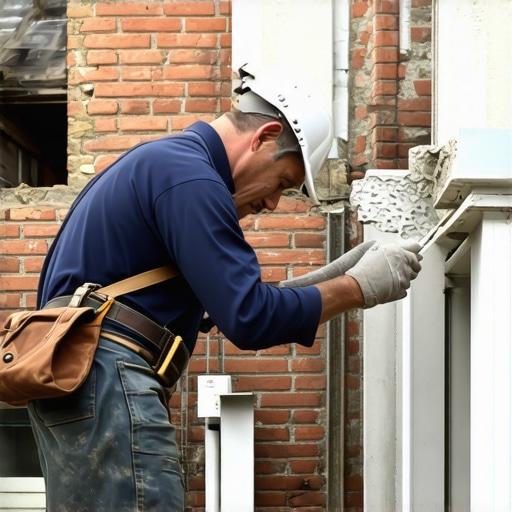
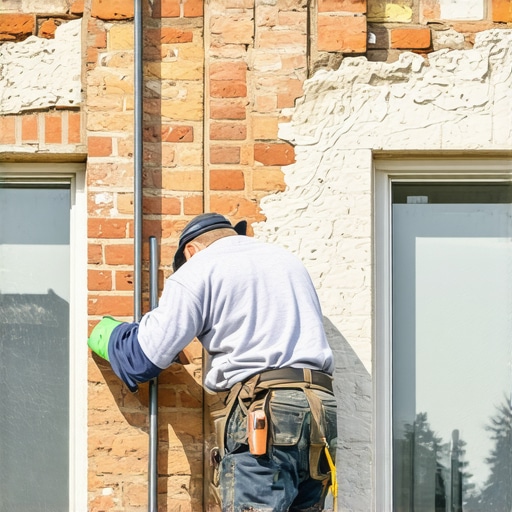
Reading through this comprehensive overview, it’s clear that integrating scientific and technological advancements into masonry maintenance can significantly enhance durability and aesthetic longevity. I especially appreciate the focus on non-destructive testing methods like infrared thermography and GPR. My experience with infrared thermography has been quite positive, as it allows early detection of moisture issues that aren’t immediately visible, ultimately saving on costly repairs later on. However, I’m curious about the practical challenges that come with implementing these advanced diagnostic tools in routine maintenance. For smaller projects or historic structures with limited funding, how feasible is it to regularly incorporate such technologies? Also, what are some cost-effective alternatives or complementary approaches that still provide reliable insights into masonry health? I believe that sharing these strategies could help more practitioners adopt proactive preservation techniques without overextending resources.
This article offers an impressive overview of the importance of integrating scientific principles with traditional masonry maintenance techniques. I agree that surface chemistry, material compatibility, and advanced diagnostics play crucial roles in extending the longevity of facades. From my experience working on historical buildings, I’ve found that modern protective coatings, like silane-siloxane formulations, provide an excellent balance of breathability and water repellency, which is vital for preserving delicate surfaces. A challenge I’ve encountered relates to the application of nanotechnology-enhanced sealants; they require specialized expertise for proper implementation, which can be a barrier for smaller firms or historic site restorers with limited resources. Have others found effective ways to train staff or source affordable technologically advanced materials? Additionally, I think embracing data-driven methods like BIM is promising but often underutilized due to lack of familiarity. How do professionals see the integration of these digital tools evolving in routine heritage preservation? Overall, the potential for science-driven improvements in masonry care is exciting, but it must be balanced with practical training and resource allocation.