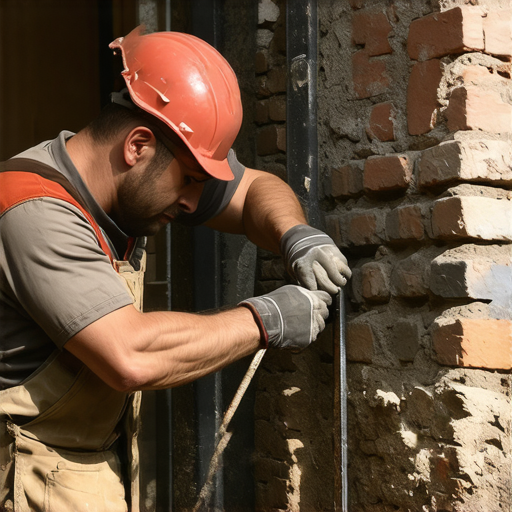
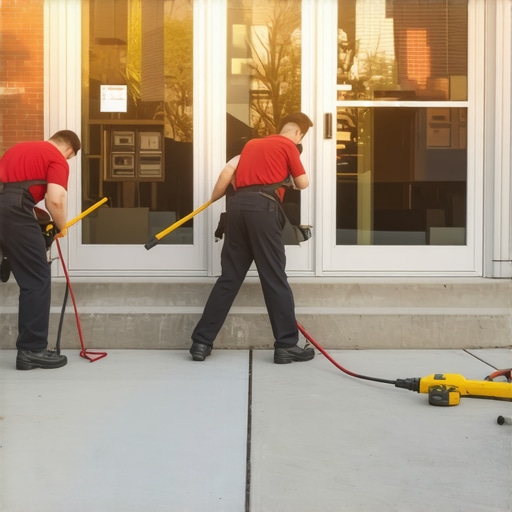
Trusted Facade Cleaning & Concrete Patch for Lasting Curb Appeal
Unlocking the Secrets to Long-Lasting Curb Appeal: The Critical Role of Facade Cleaning and Concrete Patching
In the realm of masonry and property maintenance, the investment in professional facade cleaning combined with strategic concrete patching is essential for sustainable curb appeal and structural integrity. As experts in masonry restoration, we recognize that these processes are not mere surface treatments but integral components of a comprehensive approach to preserving architectural beauty and durability. This article explores advanced insights into optimizing these techniques for lasting outcomes.
Why Precision in Facade Cleaning Matters for Structural Longevity
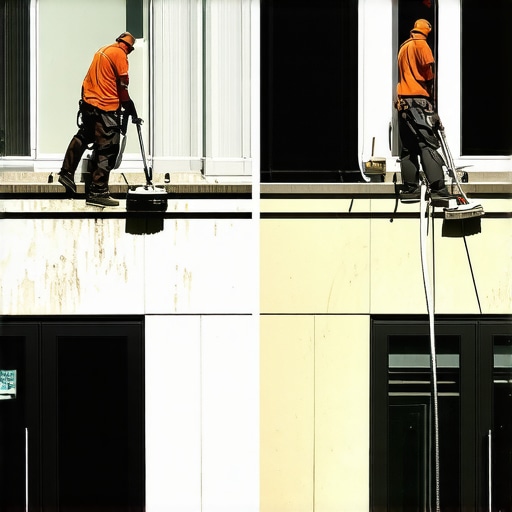
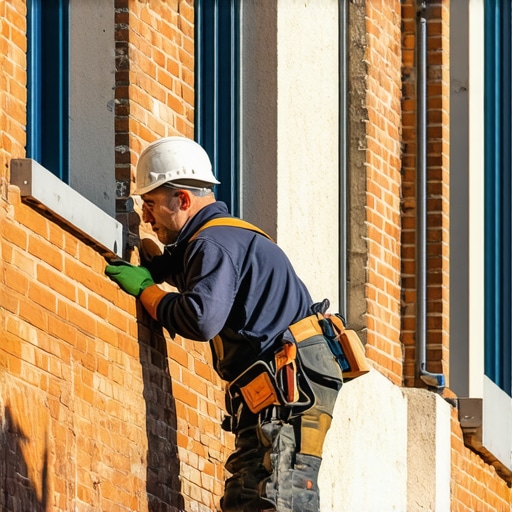
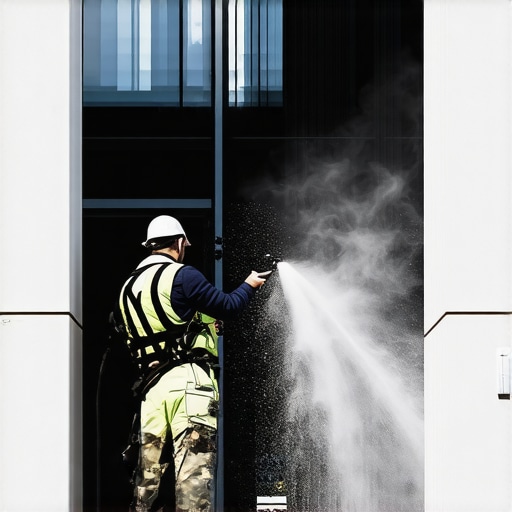
Facade cleaning extends beyond aesthetic enhancement; it is a vital preventative measure against environmental damage. Utilizing expert-grade cleaning methods, such as low-pressure washing and eco-friendly chemical solutions, ensures the removal of pollutants, biological growth, and grime that accelerate deterioration. Proper cleaning techniques safeguard the masonry’s surface, preventing the infiltration of damaging moisture that can compromise structural stability over time.
Concrete Patching: The Foundation of Resilient Masonry
Effective concrete patching involves meticulous assessment of underlying issues like cracking, spalling, and surface erosion. Advanced patching compounds, ideally polymer-modified and designed for compatibility with existing masonry, provide a durable barrier against water ingress. When executed skillfully, concrete patching restores load-bearing capacity and prevents the proliferation of defects that could lead to costly foundation repairs.
How to Achieve Seamless Integration of Cleaning and Patching for Lasting Results
Integrating facade cleaning with targeted concrete patching requires a nuanced understanding of material compatibility and environmental factors. Professionals often recommend a phased approach: initial cleaning to assess surface condition, followed by precise patching of compromised areas. This synergy ensures a uniform appearance and maximizes the longevity of repairs, facilitating easier future maintenance. For comprehensive strategies, visit our detailed tuckpointing and foundation restoration resources.
What are the latest innovations in concrete patching that enhance durability in harsh climates?
Recent developments include nanotechnology-infused compounds that improve adhesion and resistance to freeze-thaw cycles, significantly extending the lifespan of patched surfaces. These innovations, backed by research in material science, enable masonry professionals to deliver resilient repairs that withstand extreme weather conditions, ensuring lasting property value.
If you’re interested in elevating your property’s masonry resilience, explore our professional concrete patch and facade cleaning services. For expert insights and tailored solutions, contact our specialists who leverage the latest industry advancements and best practices.
Are Modern Technologies Revolutionizing Masonry Preservation for Longer-Lasting Results?
As the field of masonry restoration advances, innovative methods and materials are transforming how professionals approach property upkeep, especially in challenging environments. From nanotechnology-enhanced concrete patches to eco-friendly cleaning agents, these developments not only improve aesthetic appeal but also significantly extend the lifespan of repairs and maintenance efforts.
For instance, nanotech-infused concrete patches, as discussed in recent industry research, provide superior adhesion and resistance to freeze-thaw cycles, which are critical in climates with extreme weather variations. These cutting-edge solutions help maintain structural integrity over decades, reducing the need for frequent repairs and ensuring enduring curb appeal. To explore more about these innovations, visit our dedicated top-tuckpointing and foundation repair tips for durability in 2024.
Advancing Masonry Preservation: Integrating Smart Technologies and Sustainable Practices
As the field of masonry restoration continues to evolve, the incorporation of smart technologies and eco-conscious materials is revolutionizing how professionals approach preservation projects. From sensor-equipped repair materials that monitor structural health to the adoption of environmentally friendly cleaning agents, these innovations are setting new standards for longevity and sustainability.
How Do Smart Sensors Enhance Long-Term Masonry Maintenance?
Smart sensors embedded within repair materials enable real-time monitoring of structural integrity, detecting issues such as moisture ingress, temperature fluctuations, or stress accumulation before they develop into critical problems. This proactive approach allows for targeted interventions, significantly reducing repair costs and extending the lifespan of masonry structures. According to a detailed study by the American Society of Civil Engineers (ASCE), sensor integration has shown to improve maintenance planning accuracy by over 40%.
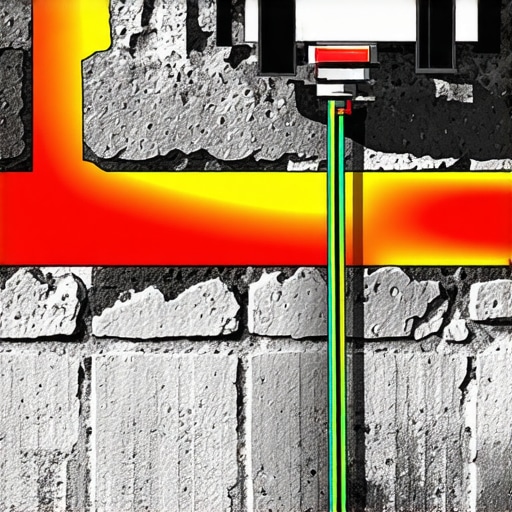
Image showing a masonry wall with embedded sensors and monitoring devices, illustrating smart technology application in structural health monitoring.
Eco-Friendly Cleaning and Repair Materials: A Paradigm Shift in Masonry Conservation
Replacing traditional chemical cleaners with biodegradable, non-toxic alternatives not only benefits the environment but also preserves the integrity of historical and modern masonry alike. Likewise, the development of bio-based repair compounds derived from renewable resources offers durable, flexible, and sustainable options for patching and sealing. These materials often outperform conventional products in resisting weathering and biological growth, ensuring that restoration efforts remain effective over decades.
What Are the Challenges in Adopting Eco-Friendly Masonry Restoration Materials?
Despite clear advantages, barriers such as higher initial costs, limited availability, and unfamiliarity among contractors can hinder widespread adoption. However, ongoing research and industry incentives are gradually shifting the landscape. A recent publication by the Journal of Cleaner Production highlights successful case studies where eco-friendly materials have matched or exceeded the performance of traditional options, reinforcing their viability for large-scale projects.
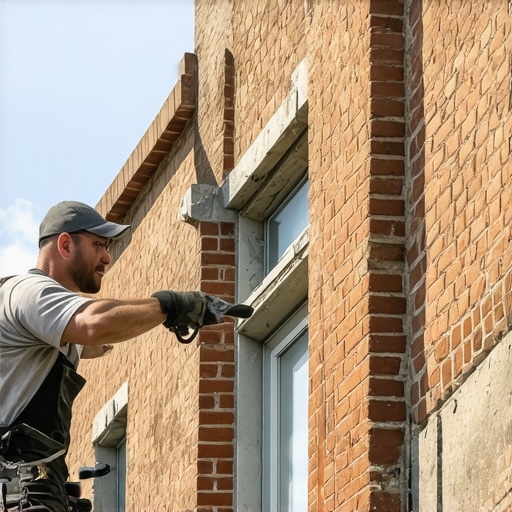
Image depicting eco-friendly masonry repair materials being applied to a historic brick facade, emphasizing sustainability and innovation.
The Future of Masonry Restoration: Embracing Digital Twins and AI-Driven Solutions
Looking ahead, the integration of digital twin technology—virtual replicas of physical structures—coupled with artificial intelligence, promises unprecedented precision in maintenance and restoration. Digital twins enable engineers to simulate various scenarios, predict deterioration patterns, and optimize repair strategies before physical work begins. AI algorithms analyze data from sensors and historical records, providing actionable insights that significantly enhance decision-making processes.
What Are the Practical Limitations of Digital Twin Technology in Masonry Projects?
While promising, challenges such as data security, high implementation costs, and the need for specialized expertise must be addressed. Moreover, integrating digital twin systems with existing infrastructure requires meticulous planning to ensure compatibility. Nonetheless, pilot projects by leading research institutions demonstrate that with proper investment, digital twins can drastically reduce unforeseen issues and improve project outcomes—paving the way for smarter, more resilient masonry restoration practices.
If you’re eager to explore cutting-edge solutions for your masonry projects or want tailored advice on integrating these innovations, connect with our expert team today. We’re committed to advancing masonry restoration through technology and sustainable practices that stand the test of time.
Harnessing the Power of Ultrasonic Cleaning for Masonry Preservation
Ultrasonic cleaning technology, traditionally used in industrial and medical applications, is now making significant inroads into masonry restoration. By employing high-frequency sound waves in specially formulated cleaning solutions, this method effectively dislodges dirt, biological growth, and pollutants from intricate masonry surfaces without causing damage. Its precision and gentleness make it ideal for historic buildings where surface integrity is paramount.
Can Laser Technology Revolutionize Surface Restoration and Surface Profiling?
Laser-based surface ablation and profiling are emerging as transformative tools in masonry conservation. Laser cleaning offers a non-contact approach to removing stubborn stains, paint, or biological growth with exceptional precision, minimizing substrate disturbance. Additionally, laser scanning facilitates detailed surface profiling, enabling restorers to create accurate 3D models for restoration planning and quality control. The integration of these laser technologies enhances both efficacy and documentation accuracy in complex restoration projects.
What Are the Leading Edge of Self-Healing Materials in Masonry Repair?
Self-healing materials, infused with microcapsules of healing agents, are at the forefront of innovative masonry repair. When cracks form, these microcapsules rupture, releasing agents that react with environmental moisture to seal and reinforce the fissures automatically. This technology significantly extends the lifespan of repairs, reducing maintenance frequency and costs. Researchers are also exploring bio-inspired self-healing composites that mimic natural regenerative processes, promising even greater durability and sustainability.
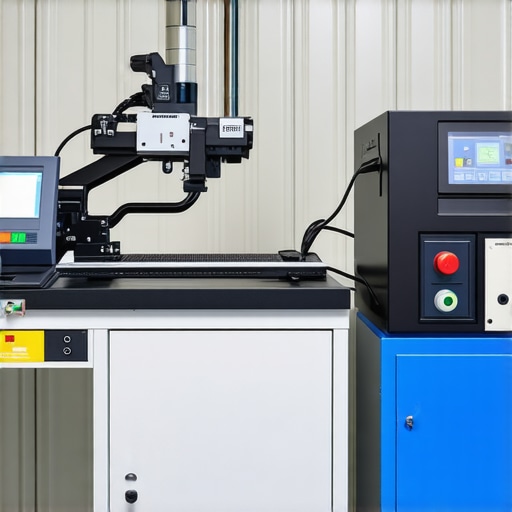
How Is Data-Driven Maintenance Reshaping Masonry Preservation Strategies?
The advent of big data analytics and IoT sensors is revolutionizing preventative maintenance in masonry preservation. Continuous monitoring of humidity, temperature, and structural stress allows for early detection of potential issues before visible deterioration occurs. Advanced algorithms analyze this data, enabling predictive maintenance schedules tailored to each structure’s unique needs. This data-centric approach not only prolongs the life of masonry elements but also optimizes resource allocation, making preservation efforts more sustainable and cost-effective.
What Role Do Eco-Conscious Materials Play in Future-Ready Masonry Restoration?
The industry’s shift towards sustainable practices is evident in the development of eco-friendly repair materials, including bio-based mortars and recycled aggregate composites. These products reduce environmental impact while maintaining high performance standards. Furthermore, integrating biodegradable cleaning agents and low-VOC sealants aligns restoration efforts with global sustainability goals. As regulatory frameworks tighten, such materials are poised to become the standard in environmentally responsible masonry conservation.
How Can Professionals Stay Ahead in the Rapidly Evolving Field of Masonry Restoration?
Continuous education, engagement with industry research, and active participation in professional networks are essential for masonry specialists aiming to leverage the latest innovations. Attending specialized conferences, subscribing to academic journals like the ASCE Journal of Structural Engineering, and collaborating with research institutions can provide invaluable insights. Embracing digital transformation, from BIM integration to AI-driven diagnostics, will empower experts to deliver superior, durable solutions that meet future challenges.
Expert Insights & Advanced Considerations
1. Embrace Cutting-Edge Materials for Enhanced Durability
Utilizing nanotechnology-infused concrete patches and biodegradable cleaning agents can significantly extend masonry lifespan, especially in extreme climates. These innovative materials offer superior adhesion, resistance to freeze-thaw cycles, and environmental benefits, making them essential tools for modern preservation.
2. Integrate Smart Monitoring Technologies for Proactive Maintenance
Embedding sensor-equipped repair materials enables real-time structural health monitoring, detecting issues like moisture ingress or stress accumulation early. This proactive approach minimizes repair costs and ensures long-term stability of masonry structures.
3. Prioritize Sustainable Practices and Eco-Friendly Materials
Adopting bio-based repair compounds and recycled aggregates aligns masonry restoration with sustainability goals. These materials maintain high performance standards while reducing environmental impact, setting industry benchmarks for responsible preservation.
4. Leverage Digital Twins and AI for Precision Restoration
Implementing digital twin technology and AI analytics allows for scenario simulation and deterioration prediction, optimizing repair strategies before physical work begins. This precision reduces unforeseen issues and enhances project outcomes.
5. Explore Ultrasonic and Laser Technologies for Surface and Structural Restoration
Ultrasonic cleaning and laser-based surface profiling provide non-invasive, precise methods for cleaning and restoration, especially valuable for historic buildings requiring delicate handling and detailed surface analysis.
Curated Expert Resources
- American Society of Civil Engineers (ASCE): Offers research and guidelines on structural health monitoring and innovative repair techniques.
- Journal of Cleaner Production: Features case studies on eco-friendly masonry materials and sustainable restoration practices.
- Industry Conferences & Webinars: Platforms like the Masonry Society provide ongoing education on emerging technologies and best practices.
Final Expert Perspective
In the realm of masonry preservation, integrating advanced materials, smart technologies, and sustainable practices is no longer optional but essential for achieving long-lasting results. The strategic use of innovative solutions such as nanotech compounds, AI-driven diagnostics, and eco-friendly materials elevates traditional restoration to a new level of precision and durability. For professionals committed to excellence, staying ahead of these trends through continuous education and technological adoption is the key to delivering resilient, sustainable masonry solutions. To deepen your expertise, explore our trusted resources and expert services that embody these principles.
I really appreciate this thorough overview of the importance of integrating facade cleaning with concrete patching. In my experience managing commercial properties, I’ve seen firsthand how skewed focus on just cleaning or patching individually can overlook underlying issues that compromise long-term durability. The phased approach the article mentions makes so much sense—clean first to assess surface condition, then patch precisely where needed. I’ve also started exploring nanotechnology-enhanced patches in our projects, especially because of their promising resistance to freeze-thaw cycles in our colder climate here in Minneapolis. Has anyone else had experience with these new materials, particularly in harsher conditions? It seems like embracing these innovations could really extend the lifespan of restorations and reduce frequent repairs, helping us deliver more resilient properties to clients. Would love to hear some practical insights or challenges others have encountered when implementing these advanced materials and techniques.
This article highlights a crucial aspect of masonry work that sometimes gets overlooked—the seamless integration of facade cleaning and concrete patching for long-term durability. From my experience in restoring older buildings, I’ve seen how proper surface preparation significantly reduces future maintenance costs. The mention of nanotechnology-infused patching compounds is especially interesting, as their resistance to freeze-thaw cycles can be a game-changer in colder climates. However, I’ve encountered some challenges with these innovative materials, particularly regarding their cost and the need for specialized application techniques. Have others here integrated nanotech patches successfully in harsh weather zones? Also, I wonder about the long-term performance in environments with high biological growth—do these compounds maintain their durability over decades? It seems that combining these advanced materials with smart sensor technology could offer even better maintenance insights. What strategies have you used to justify the higher upfront costs while ensuring quality and longevity?”,