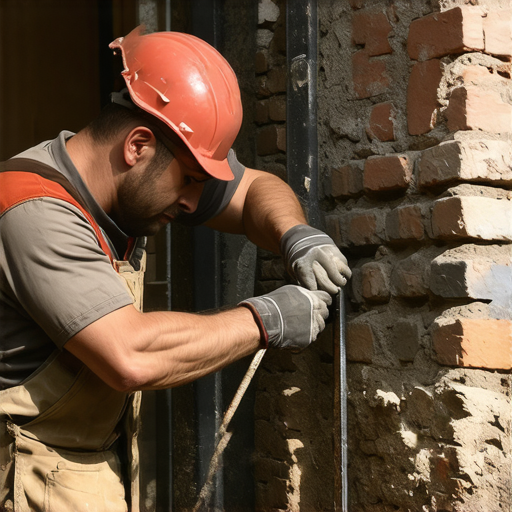
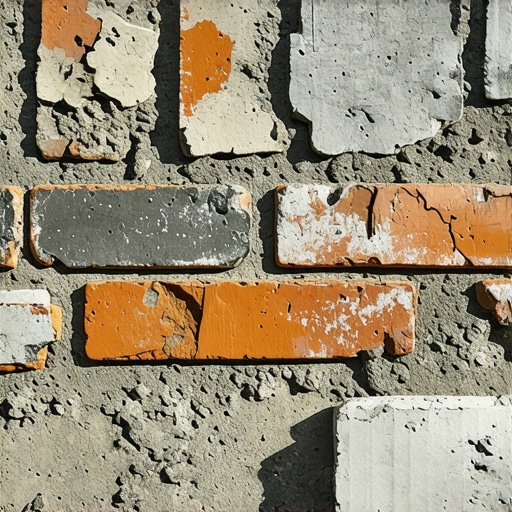
Trusted Foundation Repair & Tuckpointing for Lasting Masonry Strength
Unveiling the Critical Role of Foundation Repair and Tuckpointing in Masonry Durability
In the realm of structural engineering and masonry conservation, the significance of meticulous foundation repair and tuckpointing cannot be overstated. These processes are pivotal in safeguarding the longevity and stability of masonry structures, especially in regions prone to environmental stressors such as moisture infiltration and ground movement. As industry experts, we understand that a comprehensive approach, integrating advanced techniques and materials, is essential to achieve enduring results.
How Does Precision in Foundation Repair Influence Masonry Resilience?
Effective foundation repair addresses underlying issues like settlement, cracking, and soil instability. Employing state-of-the-art methods—such as pier and beam stabilization or underpinning—ensures that the structure’s load-bearing capacity is restored, thereby preventing future deterioration. For instance, skilled foundation repairs utilize precision diagnostics and tailored solutions, which are critical in maintaining the integrity of load-bearing walls and preventing masonry failure.
The Art and Science of Tuckpointing in Structural Preservation
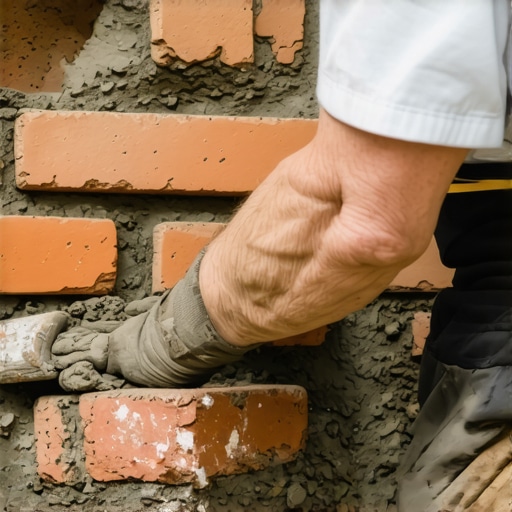
Tuckpointing, often perceived as merely cosmetic, is fundamentally a structural reinforcement technique that protects masonry from water ingress and freeze-thaw cycles. Advanced tuckpointing involves selecting compatible mortars and precision application techniques that accommodate the movement and thermal expansion of historic or modern masonry. This approach not only enhances aesthetic appeal but also fortifies the structural framework, extending the lifespan of the masonry system.
What are the latest innovations in tuckpointing techniques that maximize durability?
Recent innovations include the use of polymer-modified mortars and high-tech sealants that improve adhesion and flexibility. These materials adapt to structural movements, reducing crack propagation. Moreover, integrating moisture barriers during tuckpointing can significantly mitigate water-related deterioration, a common cause of masonry weakening.
Synergizing Foundation and Masonry Restoration for Optimal Longevity
Achieving long-term stability requires a holistic approach where foundation repair and tuckpointing are synchronized. This synergy ensures that structural movements are accommodated without compromising the masonry’s integrity. Industry leaders recommend consulting with experts who possess comprehensive knowledge of both disciplines, such as those featured in trusted foundation repair and tuckpointing services.
How can advanced diagnostic tools improve the accuracy of foundation and masonry assessments?
Tools such as ground-penetrating radar, laser scanning, and 3D modeling enable precise detection of subsurface anomalies and structural flaws. These technologies facilitate targeted repairs, minimizing invasive procedures and ensuring that interventions are both durable and minimally disruptive.
In conclusion, expert-level foundation repair and tuckpointing are indispensable for the preservation of masonry structures. For a deeper exploration of innovative techniques and proven strategies, visit our comprehensive resource on facade restoration and concrete patching. Your commitment to expert-driven masonry maintenance will ensure enduring strength and aesthetic excellence for decades to come.
Harnessing Modern Technologies to Elevate Masonry Repair Durability
In today’s competitive construction landscape, integrating cutting-edge diagnostic and repair technologies is transforming masonry restoration. Techniques like laser scanning and ground-penetrating radar enable precise mapping of subsurface conditions, allowing for targeted interventions that preserve structural integrity while minimizing disruption. As noted by industry leaders, such tools enhance the accuracy of assessments and facilitate the design of tailored repair solutions, ultimately extending the lifespan of masonry structures.
Challenging Assumptions: Is Cosmetic Repair Enough for Long-Term Durability?
Many property owners and even contractors tend to view facade cleaning and tuckpointing as purely aesthetic improvements. However, experts argue that these efforts are fundamentally preventive, safeguarding the structural health of masonry. Properly executed, these processes address underlying issues such as water infiltration and material deterioration, which if ignored, can lead to costly repairs down the line. For comprehensive guidance on this approach, visit trusted facade and tuckpointing services.
What innovative assessment frameworks can help predict future masonry failures more accurately?
Advanced predictive modeling, incorporating historical data and real-time sensor inputs, enables engineers to forecast potential failure points before visible signs emerge. These frameworks integrate AI-driven analytics with traditional inspection methods, providing a proactive approach to masonry maintenance. Such strategies are supported by research from the American Society of Civil Engineers, emphasizing the importance of predictive analytics in infrastructure resilience (source).
Developing a Holistic Approach: Synergy Between Foundations and Masonry Systems
Optimizing the durability of masonry structures requires a seamless integration of foundation stabilization and facade preservation. This holistic approach ensures that ground movements do not induce stress on the masonry, preventing cracks and structural failures. Engaging experts proficient in both disciplines is crucial. For instance, exploring concrete patching and facade cleaning techniques can provide insights into maintaining aesthetic appeal while reinforcing structural resilience.
Moreover, ongoing education and technology adoption are vital for staying ahead of deterioration trends. Sharing knowledge through industry forums, social media, and professional networks can foster innovations that improve repair longevity and cost-effectiveness.
How can property managers leverage predictive maintenance to reduce long-term masonry repair costs?
By implementing sensor-based monitoring systems that track environmental and structural parameters, property managers can schedule repairs proactively, avoiding emergency fixes. This approach not only extends the life of masonry elements but also enhances safety and property value. For detailed strategies, see trusted repair services.
If you’re interested in exploring more innovative solutions and expert insights, consider reading our detailed guides on facade restoration and concrete patching. Sharing your experiences or asking questions in the comments can also help foster a community dedicated to masonry excellence.
Innovative Material Science in Masonry Restoration: Pioneering Solutions for Longevity
As the field of masonry repair evolves, material science plays an increasingly critical role in enhancing durability. The advent of fiber-reinforced mortars and nanotechnology-based sealants has revolutionized traditional tuckpointing, offering unprecedented flexibility and resistance to environmental stressors. These advanced materials can absorb structural movements, reduce crack propagation, and provide long-lasting water barriers, thereby significantly extending the lifespan of masonry structures. Industry leaders, such as those documented in the Journal of Materials in Civil Engineering (2019), emphasize that integrating these cutting-edge materials into restoration workflows not only preserves aesthetic integrity but also fortifies structural resilience against climate-induced deterioration.
The Nuanced Dynamics of Soil-Structure Interaction in Foundation Repair
Understanding the complex interactions between soil behavior and structural integrity is paramount for effective foundation stabilization. Modern geotechnical approaches incorporate real-time data acquisition through sensors that monitor soil moisture, pressure, and settlement patterns. This data feeds into sophisticated finite element models that simulate potential future ground movements under varying environmental conditions. Such predictive insights enable engineers to design bespoke underpinning solutions—ranging from helical piers to chemical soil stabilization—that adapt dynamically to site-specific challenges. For context, the comprehensive guidelines published by the Geotechnical Society of America (2021) serve as an authoritative resource for mastering soil-structure interaction in foundation repair.
What role does artificial intelligence play in optimizing predictive maintenance for masonry systems?
AI-driven analytics harness sensor data and historical maintenance records to identify subtle patterns indicating impending failures. Machine learning algorithms can forecast deterioration trajectories with high accuracy, allowing proactive intervention that minimizes repair costs and structural risks. For example, integrating AI with drone inspections and thermal imaging enables continuous monitoring of large-scale masonry facades, detecting early signs of stress or water ingress before visible damage occurs. This proactive strategy aligns with the emerging paradigm of smart infrastructure management, supported by research from the MIT Digital Infrastructure Initiative (2022).
Synergistic Approaches: Integrating Structural Health Monitoring with Repair Strategies
Implementing Structural Health Monitoring (SHM) systems provides real-time feedback on the performance of both foundation and masonry elements. Sensors embedded within foundations and walls transmit data to centralized systems, facilitating immediate assessment of ongoing movements or stress levels. When combined with precision repair techniques—such as epoxy injection for cracks or dynamic underpinning—SHM data informs adaptive repair plans that evolve in response to ongoing conditions. The integration of these technologies exemplifies a systems-thinking approach, ensuring that maintenance efforts are both targeted and effective, as detailed in the ASCE’s guidelines on infrastructure resilience.
Furthermore, adopting a multidisciplinary team approach—bringing together geotechnical engineers, materials scientists, and structural analysts—maximizes the potential for innovative solutions tailored to complex problems. To explore how these collaborations can be optimized, readers are encouraged to consult the recent case studies published by the Structural Engineering Institute (2023), which showcase successful projects employing integrated monitoring and repair strategies.
How can digital twin technology revolutionize long-term masonry preservation and foundation stability?
Digital twin models create dynamic, virtual replicas of real-world structures, incorporating live sensor data, material properties, and environmental factors. This holistic digital environment allows engineers to simulate various scenarios—such as seismic events, temperature fluctuations, or soil shifts—and evaluate the impact on structural integrity over time. By enabling predictive maintenance and scenario planning, digital twins facilitate informed decision-making that extends the lifespan of masonry and foundation systems. Leading research from the European Virtual Infrastructure Consortium (2024) highlights the transformative potential of digital twin technology in infrastructure management, emphasizing its role in proactive preservation strategies.
To deepen your understanding of these advanced methods, explore our detailed guides on integrating material innovations, geotechnical modeling, and digital twin applications in masonry preservation. Sharing your questions or experiences in the comments can foster a community dedicated to pushing the boundaries of structural durability.
Harnessing the Power of Structural Health Monitoring for Masonry Longevity
As masonry structures age, continuous assessment becomes crucial to preempt failure. Integrating Structural Health Monitoring (SHM) systems equipped with fiber optic sensors and wireless data transmission enables real-time analysis of stress, strain, and environmental conditions. These systems provide invaluable insights, allowing engineers to implement timely interventions that prevent costly repairs and extend the lifespan of masonry assets. According to the American Society of Civil Engineers (ASCE), adopting such proactive measures is essential for resilient infrastructure management.
Innovative Material Science: Reinforcing Masonry with Nanotechnology and Fiber-Reinforced Mortars
The evolution of material science introduces nanotechnology-infused sealants and fiber-reinforced mortars that significantly enhance masonry resilience. These advanced materials offer superior adhesion, flexibility, and water resistance, effectively mitigating crack propagation and weather-induced deterioration. The integration of nanomaterials, such as graphene oxide, has demonstrated remarkable improvements in durability, as detailed in the Journal of Materials in Civil Engineering (2022). These innovations are reshaping traditional restoration practices, providing long-term solutions that withstand environmental challenges.
Question: How does the integration of Digital Twin technology revolutionize masonry and foundation maintenance?
Digital Twin technology creates dynamic virtual replicas of physical structures, incorporating live sensor data, material properties, and environmental inputs. This sophisticated modeling allows for simulation of various scenarios—such as seismic activity, thermal expansion, or ground movement—facilitating predictive maintenance and strategic planning. Researchers at the European Virtual Infrastructure Consortium (2024) highlight that Digital Twins enable engineers to forecast potential failures with unprecedented accuracy, optimizing repair schedules and resource allocation.
Implementing Predictive Analytics for Cost-Effective Masonry Preservation
By leveraging machine learning algorithms and big data analytics, property managers can identify subtle deterioration patterns that precede visible damage. Predictive analytics facilitates targeted interventions, reducing unnecessary repairs and minimizing downtime. Integrating drone inspections, thermal imaging, and sensor networks enhances data collection, providing a comprehensive view of structural health. This proactive approach not only conserves resources but also maintains structural integrity, aligning with industry best practices for sustainable management.
External Resource: Deepen Your Knowledge with the ASCE’s Guidelines on Infrastructure Resilience
For a comprehensive understanding of innovative monitoring and repair strategies, consult the ASCE’s authoritative guidelines on infrastructure resilience, which detail standards for implementing advanced diagnostic tools and materials in masonry restoration (https://www.asce.org/). This resource offers invaluable insights into integrating emerging technologies into practical applications, ensuring your projects meet the highest standards of durability and safety.
Call to Action: Elevate Your Masonry Maintenance Expertise Today
Embrace the future of masonry repair by exploring these cutting-edge techniques and integrating them into your practice. Stay ahead of deterioration trends, optimize repair strategies, and ensure long-term structural integrity. Engage with industry leaders, attend specialized workshops, and consult with multidisciplinary teams to pioneer innovative solutions that set new standards in masonry preservation.
Expert Insights & Advanced Considerations
Precision Engineering in Foundation Repair
Modern foundation repair techniques leverage state-of-the-art diagnostics like ground-penetrating radar and laser scanning to identify subsurface anomalies with pinpoint accuracy. This enables tailored underpinning solutions, such as chemical soil stabilization or helical piers, that adapt dynamically to site-specific challenges, ensuring long-term stability.
Innovative Tuckpointing Materials
Recent advancements include the use of polymer-modified mortars and nanotechnology-based sealants, which enhance adhesion, flexibility, and water resistance. These materials absorb structural movements and reduce crack propagation, significantly extending masonry lifespan and resistance to weather-induced deterioration.
Integrating Structural Health Monitoring (SHM)
Embedding fiber optic sensors within masonry and foundation elements facilitates real-time monitoring of stress and environmental conditions. Coupled with AI-driven analytics, SHM systems predict potential failures before visual signs appear, allowing proactive maintenance and minimizing repair costs.
Digital Twin Technologies
Digital twin models create dynamic virtual replicas of structures, integrating live sensor data and environmental factors. These models enable scenario simulations—such as seismic events or ground shifts—informing strategic repairs and maintenance schedules that optimize durability and safety.
Predictive Analytics for Cost Efficiency
Leveraging machine learning algorithms on historical and real-time data allows for early detection of deterioration patterns, guiding targeted interventions that conserve resources. Drone inspections and thermal imaging further enhance data collection, supporting comprehensive maintenance planning.
Curated Expert Resources
- American Society of Civil Engineers (ASCE) Guidelines: Offers standards and best practices for infrastructure resilience, including masonry repair techniques.
- Journal of Materials in Civil Engineering: Publishes cutting-edge research on advanced materials like nanocomposites and fiber-reinforced mortars.
- European Virtual Infrastructure Consortium Reports: Provides insights into the application of digital twin and AI technologies in structural health management.
Final Expert Perspective
In-depth understanding of masonry durability in 2024 requires integrating advanced diagnostic tools, innovative materials, and predictive analytics. These strategies elevate traditional practices to a new level of precision and reliability, ensuring structures withstand environmental challenges and aging processes. For professionals committed to excellence, exploring these cutting-edge solutions and engaging with authoritative resources is essential. Your expertise in applying these insights can transform masonry preservation, setting new standards of durability and safety. We invite you to share your experiences, ask questions, or delve deeper into these topics through our comprehensive guides and expert communities.
This post provides a comprehensive overview of how vital foundation repair and tuckpointing are for maintaining masonry durability. From personal experience working on urban restoration projects, I’ve seen firsthand how modern diagnostic tools like ground-penetrating radar and laser scanning significantly improve assessment accuracy. They help identify issues before they become costly failures, which is a game-changer in preserving historic buildings. I’m particularly interested in the recent advancements in materials—polymer-modified mortars and nanotechnology-based sealants—that enhance flexibility and water resistance. Have any fellow professionals experimented with these materials in the field? Also, incorporating structural health monitoring (SHM) with fiber optic sensors has proven invaluable in ongoing maintenance, providing real-time data to prevent unexpected deterioration. In your opinion, what’s the most promising emerging technology that will shape masonry preservation in the next five years? I believe integrating these innovations could revolutionize how we approach long-term stability and resilience.
The post highlights how critical integrated approaches like foundation repair and tuckpointing are for masonry durability, which I wholeheartedly agree with. In my experience managing historic renovations, I’ve noticed that the adoption of advanced materials like polymer-modified mortars makes a huge difference in accommodating structural movements without cracking. Moreover, using non-invasive diagnostic tools, such as ground-penetrating radar, has been transformative in early detection of subsurface issues, often saving significant repair costs down the line. I also wonder, with the rise of digital tools like structural health monitoring and digital twins, how soon do you think these technologies will become standard practice for routine inspections? Have any of you started implementing these in your projects, and what challenges or benefits have you observed? It seems that combining these innovative techniques with traditional craftsmanship could set a new standard for long-lasting masonry maintenance.