
4 Signs Your Home Needs Foundation Underpinning in 2026
The Forensic Eye: What Lies Beneath the Bed Joint
I remember a job in a coastal historic district where the owner complained about a sticking door. She thought it was humidity. I walked into the crawlspace with a fiber-optic scope and threaded it through a gap in the masonry. What I saw wasn’t just ‘settlement.’ The original iron-reinforcing straps, likely installed by a mason who didn’t understand salt-air oxidation, had turned to orange dust. The brickwork wasn’t just cracking; it was floating on a ghost of a structure. That is the reality of forensic masonry. When we talk about 2026 and the longevity of our housing stock, we aren’t just looking at aesthetics. We are looking at the mechanical bond between earth and kiln-fired clay. If you don’t understand the ‘tooth’ of the stone or how hydrostatic pressure works against a foundation wall, you are just putting lipstick on a pig. Modern contractors love their ‘lick-and-stick’ veneers, but they won’t tell you that the soil underneath is screaming for help.
“Water penetration is the single greatest threat to masonry durability, leading to efflorescence, subflorescence, and the eventual disintegration of the structural matrix.” – BIA Technical Note 7
1. The Stair-Step Fracture and the Physics of Subsidence
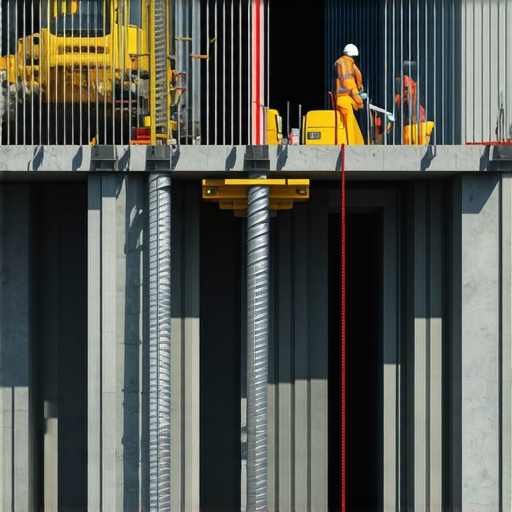
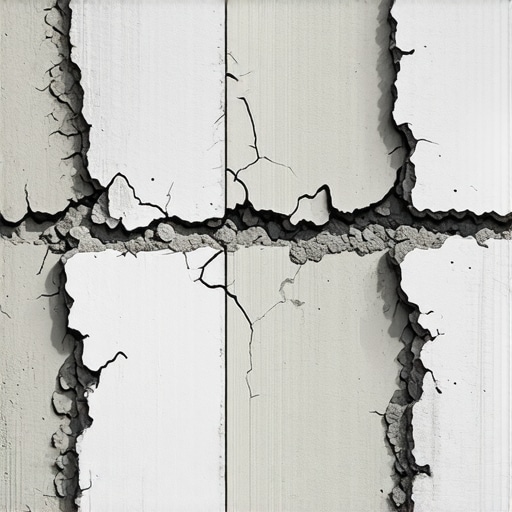
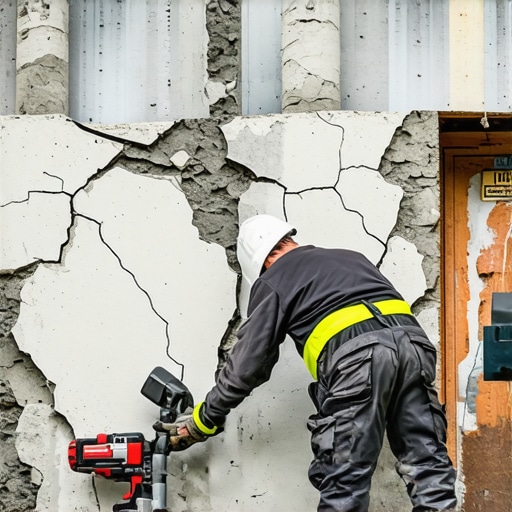
The first sign isn’t subtle, but homeowners often misdiagnose it. A stair-step crack following the mortar joints is the building’s way of crying out. This happens because the soil beneath a specific corner of the footing has reached its limit of compression or has washed away entirely. In forensic masonry, we look at the ‘birdsmouth cuts’ near the corners. If those joints are opening up, the ‘mud’—the mortar—is no longer in compression. When a house sinks, it doesn’t do it evenly. It shears. The shear force exceeds the tensile strength of the mortar. If you see a crack that is wider at the top than the bottom, the foundation is rotating. This is where emergency masonry repair transitions into a full-scale structural intervention. We aren’t just talking about a tuckpointing machine service here; we are talking about driving helical piers into the load-bearing strata to stop the rotation.
2. The Failure of Historic Tuckpointing as a Diagnostic Tool
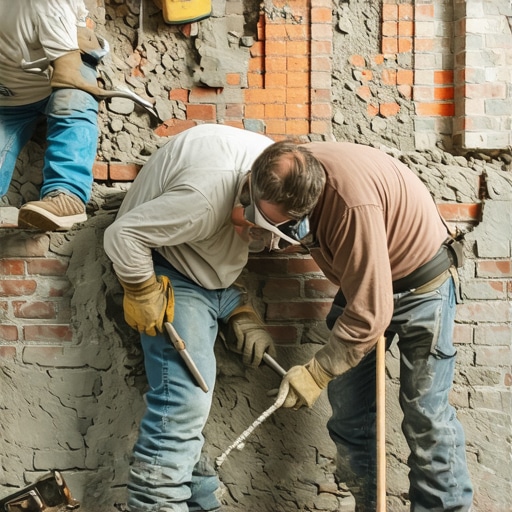
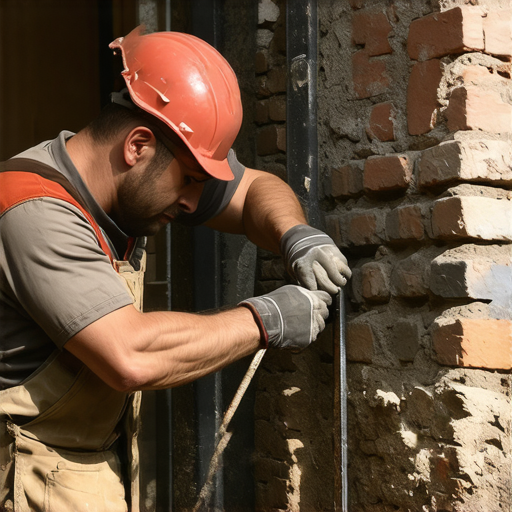
Many people think historic tuckpointing is just about making a wall look pretty. It isn’t. It’s a sacrificial system. In 2026, as we face more extreme weather cycles, the ‘breathability’ of your walls is paramount. If a previous ‘handyman’ used high-strength Portland cement on pre-1940s soft-fired bricks, he’s signed the death warrant for that wall. Because Portland is harder than the brick, the moisture gets trapped. When the temperature drops, that water expands by 9%, and it pops the face right off your historic brick salvage. This is known as spalling. If you see widespread spalling along the bottom three courses of your home, your foundation is likely wick-feeding groundwater through capillary action. The soil is saturated, and the hydrostatic pressure is pushing the wall inward. You don’t need a slicker and a hawk; you need underpinning to relieve the vertical load while you address the drainage.
“The mortar should always be weaker than the masonry units so that any stress-induced cracking occurs in the joints, which are easily repaired, rather than in the units themselves.” – ASTM C270 Standard Specification for Mortar
3. Masonry Joint Sand Repair and the ‘Bell Test’ Failure
One of the grittiest ways to check for foundation health is the sound of the wall. My father taught me to tap a brick with the handle of a trowel. If it ‘rings’ like a bell, the bond is tight. If it ‘thuds,’ the brick has delaminated from the bed joint. If you find that your masonry joint sand repair is constantly failing—meaning the sand keeps falling out of the joints even after you’ve repointed—it’s because the building is in motion. The constant vibration and micro-shifting of a failing foundation prevent the mortar from ever truly ‘curing.’ This is particularly dangerous in fire-rated masonry installation. If a chimney or fire-wall loses its structural integrity due to foundation shifting, it can no longer contain a thermal event. A commercial smokestack repair expert will tell you: the moment the verticality is off by even a fraction of a degree, the weight distribution shifts from the center to the ‘soldier course’ on the exterior, leading to a catastrophic collapse.
4. Interior Wall Separation and the ‘Cold Joint’ Reality
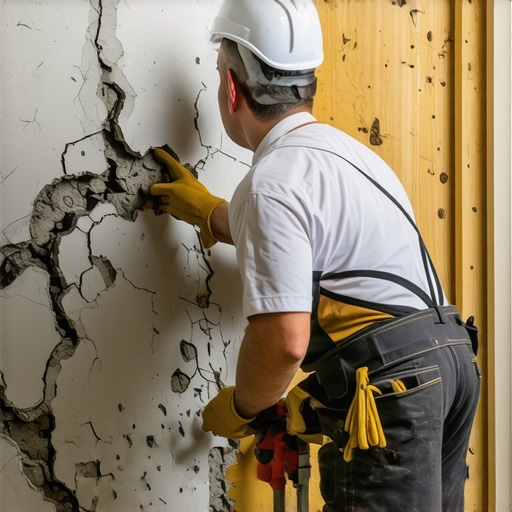
When the interior plaster starts pulling away from the exterior masonry, you are witnessing a ‘cold joint’ in a metaphorical sense—the two elements are no longer acting as a unified whole. In the masonry trade, we ‘butter’ the bricks to ensure 100% coverage, but no amount of buttering can save a wall when the footer is snapping. If you see a gap between your baseboards and the floor, or if the crown molding is bowing, the house is ‘bellying.’ In 2026, we are seeing more of this due to soil desiccation—where the ground dries out so much it shrinks, leaving the foundation hanging in mid-air. This is the ‘Cure’ phase. You can’t just slap some epoxy in there. You need to excavate, expose the footing, and perform historic brickwork repointing only AFTER the structure has been leveled. Using a tuckpointing machine service before the house is stabilized is a waste of money; those joints will just snap again within six months.
The Final Verdict of the Trowel
Masonry is an honest trade. The bricks don’t lie. They tell the story of the ground they sit on. If you see these signs, stop looking for a ‘quick fix’ with a bag of premix from the big-box store. You are dealing with the physics of a thousand-ton object being pulled into the earth. Do it once, or do it twice—the choice is yours. But remember, once that structural steel is ‘rusted to dust’ or the soft lime mortar is replaced by unyielding cement, the forensic damage is done. Underpinning isn’t an expense; it’s a rescue mission for your home’s soul.