Facade Cleaning & Concrete Patch Tricks for Lasting Property Appeal
Mastering the Art of Facade Preservation: An Expert’s Perspective on Cleaning and Concrete Patching
In the realm of property maintenance, the facade serves as the first line of visual impact and structural integrity. As professionals in masonry and restoration, we recognize that meticulous facade cleaning combined with strategic concrete patching is essential for sustains lasting curb appeal and durability. This article delves into advanced techniques, emerging trends, and expert insights that elevate facade preservation to an art form.
The Critical Role of Surface Preparation in Facade Restoration
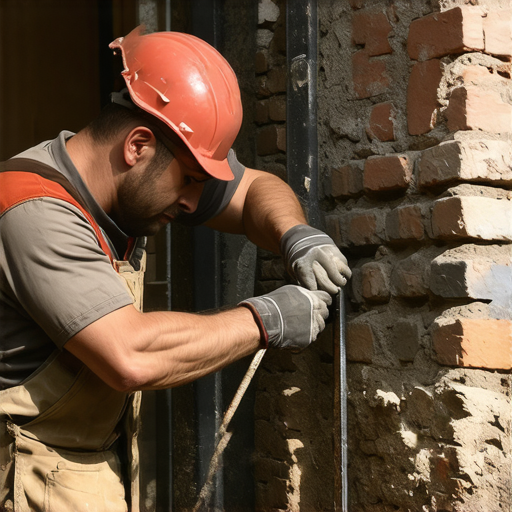
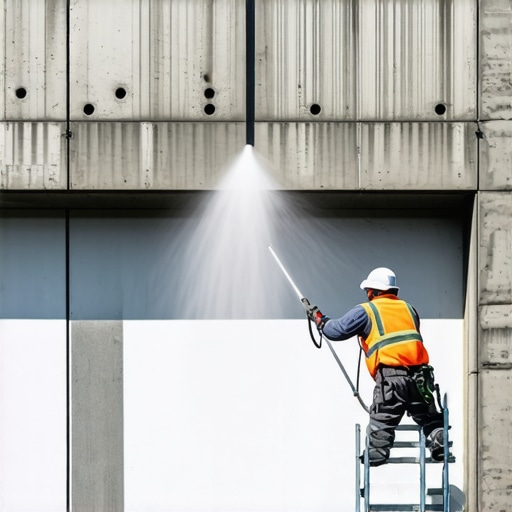
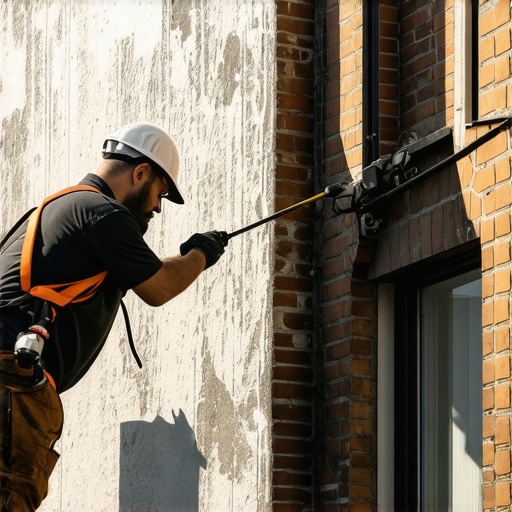
Effective facade cleaning begins with comprehensive surface analysis. Identifying the nature of stains—be it biological growth, efflorescence, or pollution deposits—guides the selection of appropriate cleaning agents. Low-pressure or hydro-jetting methods often outperform abrasive techniques, reducing surface damage while ensuring the removal of contaminants. Such precision aligns with standards outlined in the trusted foundation restoration protocols.
Innovative Concrete Patching for Structural and Aesthetic Renovation
Concrete patching has evolved from simple filler applications to sophisticated composite solutions. Modern epoxy and polymer-modified mortars offer superior adhesion, flexibility, and longevity. When applied correctly, these patches restore both the structural integrity and visual harmony of the facade. Advanced surface preparation, including proper profiling and cleaning, ensures optimal bond strength, which is critical for long-lasting results. For detailed techniques, consult our expert concrete patching guide.
What Are the Long-Term Benefits of Integrating Cleaning with Concrete Repair?
Integrating facade cleaning with concrete patching not only enhances aesthetic appeal but also prolongs material lifespan. Regular maintenance mitigates the ingress of moisture and pollutants, which are primary drivers of deterioration. Moreover, a well-maintained facade significantly increases property value by reducing future repair costs. This holistic approach aligns with sustainable building practices advocated by industry leaders, such as the scientific research on facade longevity.
How can professionals optimize the timing and sequencing of cleaning and patching to prevent future issues?
Optimal timing involves conducting a thorough assessment of the facade’s condition and weather considerations. Typically, cleaning should precede patching to ensure surface cleanliness and adhesion. Conversely, if moisture infiltration is detected, addressing underlying issues like drainage or tuckpointing should come first. Employing moisture meters and surface analysis tools can guide decision-making, ensuring interventions are both timely and effective.
For those seeking to refine their expertise, exploring related content such as tuckpointing and foundation restoration can provide valuable insights into comprehensive masonry care. Professional collaboration and ongoing education are essential for achieving exemplary, enduring results in facade preservation.
Strategic Integration of Surface Treatments and Structural Repairs
While surface cleaning and patching are foundational, integrating these processes with other advanced preservation strategies dramatically enhances long-term durability. For example, applying breathable sealants after cleaning prevents moisture ingress and minimizes future efflorescence, as detailed in industry best practices. Similarly, incorporating passive moisture management systems within the facade can reduce stress on patched areas, ensuring that repairs remain intact over decades. These measures are supported by comprehensive masonry guidelines and demonstrate a nuanced understanding of facade systems, emphasizing that preservation is as much about proactive protection as reactive repair. For a deeper dive into these integrative approaches, explore our trusted tuckpointing and foundation restoration services.
Innovations in Material Science: The Future of Concrete Patching
Emerging materials, such as nanotechnology-enhanced mortars, promise unprecedented adhesion, flexibility, and longevity. These innovations are designed to adapt to the natural movements of historic facades, reducing cracking and detachment over time. For example, self-healing concrete patches incorporate microcapsules of healing agents that activate upon cracking, effectively restoring structural integrity without additional intervention. Staying ahead of these technological advances enables professionals to deliver solutions that not only meet current standards but surpass them, securing the facade’s resilience for generations. To stay informed on the latest material breakthroughs, consider consulting authoritative sources like the scientific journals on construction materials.
What are the practical implications of adopting nanotechnology-based patching methods for historic and modern facades?
Adopting cutting-edge materials requires understanding their compatibility with existing structures, environmental impacts, and cost-effectiveness. Experts emphasize that integrating these innovations can significantly extend the lifespan of repairs while reducing maintenance frequency. However, careful testing and certification are essential to ensure that new materials do not compromise the facade’s breathability or aesthetic integrity. As the industry shifts towards sustainable and high-performance solutions, ongoing education and collaboration with material scientists are crucial. For more insights, review our expert guide on concrete patching and facade cleaning.
Interested in furthering your expertise? Share your experiences or questions about advanced facade preservation techniques in the comments below, or explore our comprehensive resources to elevate your masonry projects to new standards of excellence.
Harnessing the Power of Nano-Enhanced Materials for Historic Facade Preservation
As facade restoration techniques evolve, the integration of nanotechnology into repair materials marks a significant breakthrough. Nano-enhanced mortars and coatings exhibit remarkable properties such as self-cleaning, increased permeability, and superior adhesion. These innovations are particularly beneficial for delicate historic structures where preservation of original aesthetics and material compatibility is paramount. According to research published in Construction and Building Materials (2022), nanomaterials can reduce the need for frequent maintenance while extending the lifespan of repairs, thereby aligning with sustainable preservation goals.
What are the specific advantages of nanotechnology in facade restoration?
Nanotechnology allows for the development of materials with tailored properties—such as microstructural control that enhances crack resistance, or photocatalytic surfaces that degrade pollutants. This means that repairs are not only durable but also contribute to the overall health of the building environment. For instance, nano-titania coatings can provide ongoing photocatalytic cleaning, reducing biofouling and efflorescence without abrasive cleaning methods. Such features support the long-term integrity of the facade, maintaining its visual appeal while minimizing intervention frequency.
Strategic Implementation of Passive Moisture Management Systems
Incorporating passive moisture control within facade systems has become an essential aspect of advanced preservation. Techniques such as installing vapor-permeable membranes, strategically placed weep holes, and ventilated facade cavities help regulate moisture movement, preventing damage caused by trapped water. These systems are especially effective in climate zones with high humidity or temperature fluctuations. According to the latest scientific studies, integrating these features reduces the stress on patched areas and prolongs the lifespan of repairs by mitigating freeze-thaw cycles and salt crystallization.
Unlocking the Secrets of Long-Lasting Facade Restoration with Cutting-Edge Technologies
In the realm of architectural preservation, staying at the forefront of innovation ensures that facades not only maintain their aesthetic appeal but also withstand the test of time. Advanced surface analysis tools, such as infrared thermography and ultrasonic testing, enable specialists to detect underlying issues invisible to the naked eye, facilitating targeted interventions that preserve structural integrity. Incorporating these diagnostic techniques aligns with industry best practices outlined by the National Park Service’s standards for historic preservation.
The Science Behind Superior Surface Preparation for Durable Repairs
Effective preparation involves more than just cleaning; it encompasses micro-etching and profile creation that maximize bonding surfaces. Techniques like abrasive blast cleaning with controlled parameters or laser ablation can achieve precise surface profiles without damaging original materials. These processes are critical when applying advanced adhesives or nanomaterial-based coatings, ensuring long-term adhesion and performance. For comprehensive methodologies, consult the detailed guidelines in the latest scientific literature on surface preparation.
What Are the State-of-the-Art Materials Transforming Concrete Patching?
The advent of self-healing concrete incorporating microencapsulated healing agents represents a paradigm shift in patching technology. These materials autonomously repair microcracks caused by thermal movements and load stresses, significantly reducing maintenance frequency. Additionally, carbon nanotube-reinforced mortars provide unparalleled tensile strength and flexibility, making them ideal for historic facades with complex geometries. Staying informed about these innovations is crucial; resources such as the Materials Science & Engineering journal offer ongoing research updates.
How can integrating nanotechnology and self-healing materials extend the lifespan of facade repairs in heritage buildings?
Adopting these advanced materials allows conservationists and contractors to achieve repairs that are not only resilient but also sympathetic to the original fabric. Nanotechnology enhances permeability and self-cleaning properties, reducing the need for abrasive cleaning methods that can compromise historic surfaces. Self-healing properties mitigate crack propagation, maintaining structural stability over decades. Experts must evaluate compatibility and environmental impact, ensuring that these innovations support sustainable preservation goals. For expert guidance, review the practical applications detailed in the latest research articles.
Harnessing Smart Moisture Management for Next-Generation Facade Longevity
Integrating passive moisture control systems, such as smart vapor-permeable membranes combined with real-time humidity sensors, allows facades to respond dynamically to environmental fluctuations. These systems minimize moisture ingress and efflorescence, effectively preventing freeze-thaw damage and salt crystallization, which are primary causes of deterioration. The use of IoT-enabled monitoring devices facilitates predictive maintenance, enabling proactive interventions before visible damage occurs. Refer to the latest scientific insights on moisture management technologies for detailed implementation strategies.
Expert Insights & Advanced Considerations
Innovative Surface Treatments Enhance Longevity
Utilizing breathable sealants and advanced moisture management systems, professionals can significantly extend the lifespan of facade repairs, preventing issues like efflorescence and Freeze-Thaw damage. Incorporating passive moisture control not only preserves aesthetic integrity but also reduces long-term maintenance costs.
Emerging Nanotechnology Applications
Nanomaterials such as self-healing mortars and photocatalytic coatings are transforming facade restoration. These materials offer superior adhesion, crack resistance, and pollution degradation, aligning with sustainability goals and offering durable solutions for both historic and modern structures.
Advanced Diagnostic Tools for Precise Restoration
Infrared thermography and ultrasonic testing enable experts to detect subsurface issues invisible to the naked eye, ensuring targeted interventions. Integrating these diagnostic techniques with surface analysis aligns with the standards outlined by the National Park Service.
Expert Recommendations for Material Compatibility
Choosing materials that match the original facade’s properties is critical. Modern epoxy composites and polymer-modified mortars should be tested for compatibility to prevent future delamination or aesthetic mismatches, ensuring seamless integration with existing structures.
Holistic Preservation Strategies
Combining surface cleaning, structural patching, and protective coatings within a comprehensive preservation plan maximizes durability. Applying breathable sealants post-cleaning, along with passive moisture management, reduces stress on patched areas and enhances overall facade resilience.
Curated Expert Resources
- National Park Service’s Standards for Historic Preservation: Offers authoritative guidelines for facade preservation practices, ensuring compliance with regulatory standards.
- Construction and Building Materials Journal: A leading publication featuring cutting-edge research on nanomaterials, self-healing concretes, and innovative repair techniques.
- ScienceDirect Scientific Journals: Provides in-depth articles on material science advancements relevant to facade and concrete patching innovations.
- masonryrescue.com: A practical resource offering expert guides, case studies, and technical insights on facade cleaning, patching, and structural restoration.
Final Expert Perspective
In the realm of facade preservation and concrete patching, embracing innovative materials like nanotechnology-enhanced mortars and integrating passive moisture management systems are no longer optional but essential for long-term durability. Staying informed through authoritative resources and leveraging advanced diagnostic tools ensures that restorations are precise, resilient, and visually seamless. Ultimately, the most successful projects are those that combine technical expertise with strategic foresight, fostering structures that stand the test of time. Engage with these insights, share your experiences, and explore our comprehensive resources to elevate your masonry craftsmanship to new heights.
This post offers an incredibly comprehensive overview of modern facade preservation techniques. As someone with hands-on experience in restoration projects, I can attest to the importance of meticulous surface preparation, especially when working with advanced materials like nanotech-enhanced mortars. It’s impressive how innovations like self-healing concretes are transforming our approaches, reducing maintenance costs and extending the lifespan of repairs.
From my perspective, integrating passive moisture management systems has made a tangible difference in high-humidity environments. However, I wonder how widely adopted these IoT-based moisture sensors are in routine projects? Do any of you have experience with implementing such systems on a budget? Sharing insights on cost-effective ways to leverage these technologies would be really valuable for those of us trying to balance innovation with practical constraints.
Reading through the post, I was particularly drawn to the emphasis on meticulous surface preparation and the adoption of nanotechnology in facade restoration. Having worked on a few historic buildings, I can confirm that careful profiling and cleaning are game-changers in ensuring durability of patches, especially when using advanced materials. I’ve recently experimented with nano-titania coatings, and the self-cleaning properties truly reduce ongoing maintenance needs. It’s promising to see how these innovations support both preservation and sustainability goals.
One challenge I’ve faced is balancing the cost of these cutting-edge materials with project budgets, especially for older structures where aesthetic authenticity is paramount. Do others have recommendations for sourcing or applying nanomaterials cost-effectively? Also, how do you ensure that the new technologies don’t compromise the building’s breathability or heritage aesthetics? Looking forward to hearing insights from others with experience in integrating these innovations into practical projects.
This article really highlights the importance of methodical surface preparation and the adoption of innovative materials like nanotech-enhanced mortars in facade restoration. From my experience working with historic buildings, I’ve seen how integrating advanced patching techniques effectively extends the lifespan of repairs and preserves aesthetic qualities. One aspect that’s often overlooked is the role of environmental conditions during application—timing, temperature, and humidity can greatly influence the adhesion and curing process of these high-tech materials. I also found the section on passive moisture management systems quite insightful, especially with climate zones that face high humidity fluctuations.
Regarding nanomaterials, I’ve experimented with nano-titania coatings, and the self-cleaning feature certainly reduces ongoing maintenance, but sourcing affordable, high-quality nanomaterials remains a challenge. Has anyone found reliable suppliers that balance cost and quality? Additionally, how do other professionals ensure these cutting-edge technologies don’t compromise the building’s original breathability or heritage aesthetics? It would be great to learn about practical solutions that marry innovation with preservation.”,
This post provides a refreshing deep dive into the complexities of facade preservation, particularly the balance between innovative materials and traditional aesthetics. I’ve noticed in my projects that integrating nanotech-enhanced mortars really does make a difference in extending the longevity of repairs, especially when combined with passive moisture management systems. In one recent restoration, we used nano-titania coatings not only for their self-cleaning properties but also to resist biofouling in a high-humidity climate, which significantly reduced maintenance costs. I do wonder, though—what’s everyone’s experience with the actual cost of such advanced materials? Are there established methods or suppliers that can help keep budgets manageable? Also, as many projects involve historic structures, ensuring these new solutions maintain breathability and aesthetic authenticity remains a challenge. How are professionals navigating these issues effectively? I am curious about integrating these innovations without compromising the building’s character or structural needs. Would love to hear practical tips and shared experiences on this topic.
Reading this detailed overview, I was particularly struck by the emphasis on the proper sequencing of cleaning and patching. In my recent projects, I’ve found that thorough surface cleaning before patching truly enhances adhesion and longevity, especially when using modern composite materials. I also appreciate the mention of integrating passive moisture management systems; these innovations can be game-changers in high-humidity climates, reducing long-term maintenance. However, I wonder how practical it is to implement IoT-based moisture sensors on a tight budget, and if there are more cost-effective alternatives that still offer reliable monitoring. Have any of you had experience with scalable solutions for this? It seems that advances in surface preparation and material science are making facade restoration more durable, but balancing these innovations with budget constraints remains a challenge. I would love to hear insights or recommendations from others who’ve navigated these practical aspects.
This article really underscores how essential proper surface preparation is before applying any patching or cleaning techniques. I’ve found that in my projects, micro-etching the surface to create a good bond is often overlooked, but it makes all the difference in long-term durability. Using nanotech-enhanced mortars seems promising, especially for heritage facades where compatibility and aesthetics are critical. I’ve been curious about integrating passive moisture management systems, like vapor-permeable membranes, to minimize moisture-related issues down the line. Has anyone experimented with combining these advanced materials with traditional restoration techniques? I’d love to hear how you balance the cutting-edge solutions with the need to maintain historic authenticity and manage costs effectively.