3 Slab Jacking Methods to Fix Sinking 2026 Foundations
The Forensic Scene: When a Hairline Crack Becomes a Structural Grave
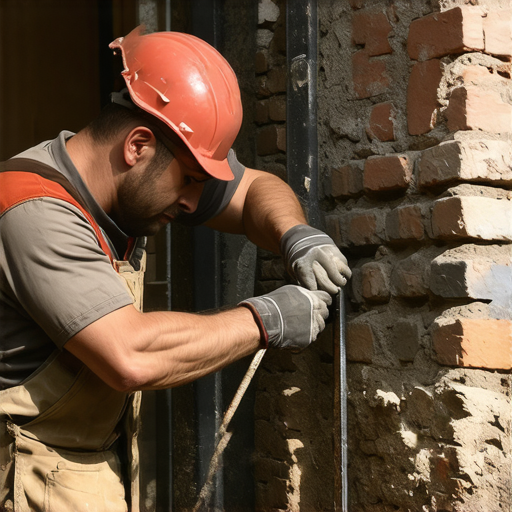
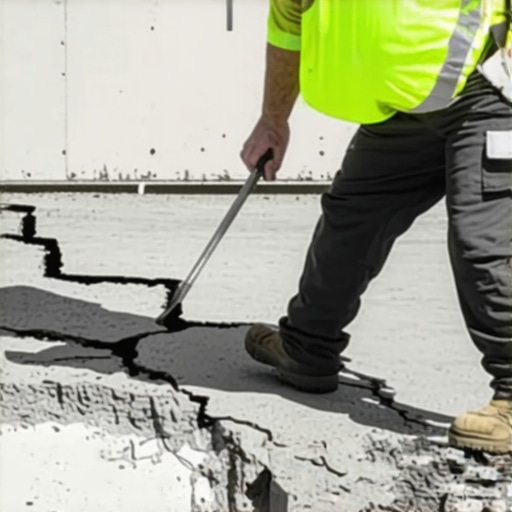
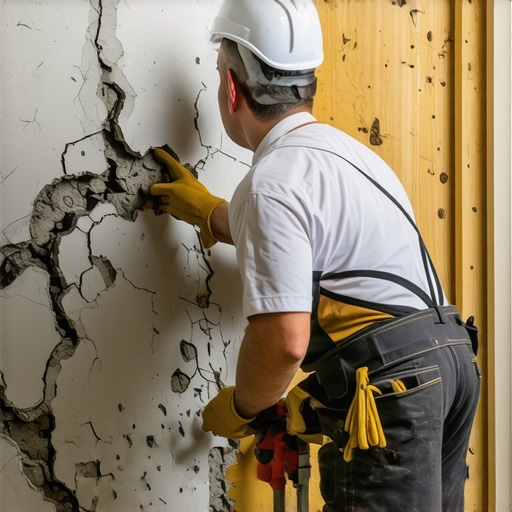
The homeowner called me out to a property in the rust belt where a sprawling brick ranch was starting to lean. She thought it was just a hairline crack, a little ‘settling’ as the uneducated call it. But when I put my scope inside that fissure, I didn’t see solid earth. I saw a cavernous void where the subgrade had washed out, and the structural steel reinforcement was already rusted to a fine orange dust. That ‘small’ crack was the screaming siren of a foundation in total failure. This isn’t just about aesthetics; it is about the cold, hard physics of load-bearing structures. When your slab begins to dip, you aren’t just losing a level floor—you are losing the structural integrity of every soldier course and mortar joint above it.
The Physics of the Sink: Why 2026 Foundations are Failing
We are seeing a rash of failures in newer builds because of poor soil compaction and the use of ‘lick-and-stick’ masonry techniques that don’t account for hydrostatic pressure. In regions where the freeze-thaw cycle reigns supreme, water expands 9% when it turns to ice. If that water is trapped beneath your slab because of a lack of retaining wall weep hole cleaning, it creates a hydraulic jack effect that can snap a six-inch reinforced slab like a dry cracker. You see, the earth beneath your home is alive. It breathes, it swells, and it shrinks. When the soil undergoes hydro-consolidation, it leaves a void. Without support, gravity takes over. This is where foundation crack repair moves from a DIY weekend project to a forensic engineering necessity.
“Water penetration is the single greatest threat to masonry durability. Proper drainage and moisture control are the first lines of defense in any foundation system.” – BIA Technical Note 7
Method 1: Traditional Mudjacking (The Heavyweight Contender)
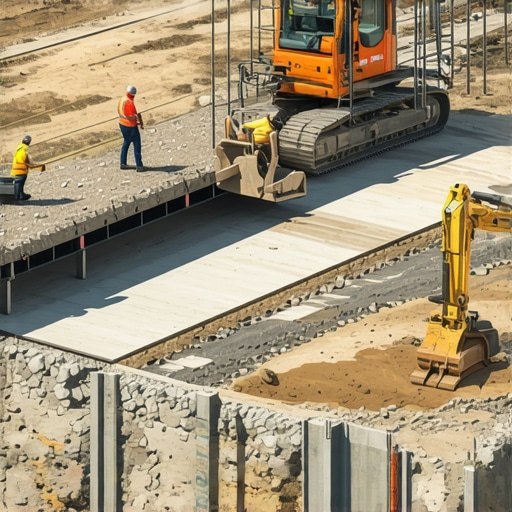
Traditional mudjacking is the grandfather of slab lifting. It involves drilling two-inch holes through the concrete and pumping in a slurry of concrete pump masonry mixes—usually a blend of topsoil, Portland cement, and water. We call it ‘mud’ for a reason. It is heavy, it is dirty, and it works if you know what you’re doing. The concrete pump masonry mixes must be dialed in perfectly; too much water and you get shrinkage; too little and the pump won’t move the material. As the slurry is injected, it fills the void and creates upward pressure, lifting the slab back to its original digital twin masonry projects specifications. However, the downside is the weight. You are adding thousands of pounds of new material onto soil that already proved it couldn’t handle the weight of the house. It’s a bit like trying to fix a sinking ship by adding more lead to the keel.
Method 2: Polyurethane Injection (The Chemical Specialist)
If mudjacking is the sledgehammer, polyurethane injection is the scalpel. This method uses a high-density, closed-cell foam. We drill tiny holes—half-inch or less—and inject a two-part polymer that reacts and expands. The expansion is nearly instantaneous. This is a cold joint killer. The foam is lightweight, meaning it doesn’t add significant load to the failing soil, and it is waterproof, which helps with brick spalling prevention by redirecting subsurface water away from the masonry. The chemistry here is fascinating; the exothermic reaction creates a rigid structure that can support thousands of pounds per square foot. It’s clean, it’s fast, and it doesn’t leave the mess of a ‘mud’ job. But you have to watch the ‘lift’ carefully. If you over-inject, you’ll ‘butter’ the edges of your slab and end up with a high spot that’s harder to fix than the original sink.
Method 3: Compaction Grouting and Digital Twin Monitoring
The most advanced method we use in 2026 involves digital twin masonry projects. We create a 3D model of the foundation’s stresses and then use compaction grouting. This isn’t just filling a void; it’s densifying the soil itself. We inject a very stiff, low-slump mortar at high pressure, which displaces the soil and creates stone-like columns underground. This is often paired with concrete block foundation repair to ensure the vertical walls aren’t being pushed outward by the lifting force. Using digital sensors, we can see exactly how the building responds in real-time. This level of precision is what separates a Master Mason from a guy with a bag of Quikrete and a dream.
“The performance of a masonry wall depends largely on the bond between the units and the mortar, which is why matching the original material is critical during any structural intervention.” – ASTM C270 Standards
Secondary Symptoms: Spalling, Crumbles, and Caps
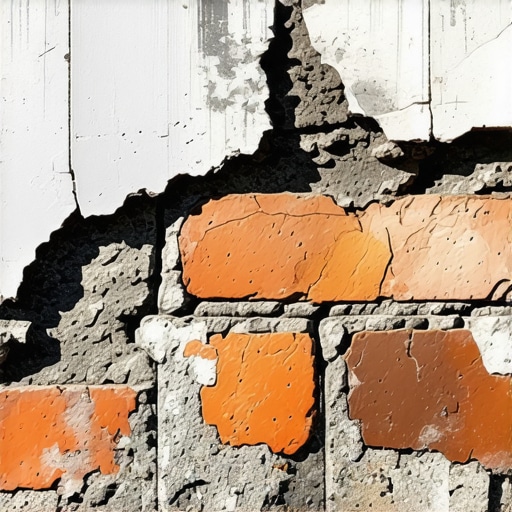
When a foundation sinks, the masonry above it suffers honeycombing and shear stress. You start to see brick spalling—where the faces of the bricks pop off because they are being squeezed by forces they weren’t designed to handle. This is when you need mortar matching services and crumbling mortar joint repair. You can’t just slap any ‘mud’ in those gaps. You need to match the compressive strength of the original mortar. If you put a hard, modern Portland-heavy mortar into a soft, historic brick wall, the brick will be the first thing to break. I’ve seen it a thousand times: a ‘handyman’ does some tuckpointing with the wrong mix, and two years later, the whole facade is a pile of dust on the sidewalk. You also have to look up. A sinking foundation shifts the chimney, cracking the chimney cap replacement and letting water pour down into the core of the house. Even your retaining wall capstone replacement needs to be checked, as the shifting earth can unseat the heavy stones, turning a garden feature into a falling hazard.
The Master Mason’s Verdict on Maintenance
Foundation repair is only half the battle. If you don’t fix the moisture problem, you’ll be calling me back in five years. This means retaining wall weep hole cleaning to ensure water doesn’t pool behind your walls and cause a blowout. It means checking your chimney cap replacement to stop the vertical migration of water. And it means using a slicker or a jointer to properly finish your crumbling mortar joint repair, ensuring that the ‘tooth’ of the mortar is firmly gripped to the brick. Don’t be fooled by cheap epoxy injections or quick-fix sprays. Masonry is a craft of centuries. Respect the materials, respect the physics, and for heaven’s sake, respect the soil. Do it once, or do it twice—the choice is usually found in the price tag and the credentials of the man holding the hawk.
This article really highlights the importance of understanding the underlying causes of foundation issues before jumping to repairs. I’ve seen cases where just filling a crack with patching material masked the real problem, which continued to worsen over time. The focus on soil densification through compaction grouting combined with digital twin monitoring is fascinating — it seems like a huge step forward in precision and long-term stability. Personally, I’ve always wondered how accessible this technology is for smaller projects or for homeowners to monitor themselves. Has anyone here had experience with digital sensors for ongoing foundation health checks? It seems like that could prevent a lot of costly repairs if used correctly. Also, I appreciate the emphasis on moisture control; aside from structural fixes, managing water around the foundation is obviously crucial. What methods have other homeowners or contractors found most effective for long-term moisture mitigation in climates with heavy freeze-thaw cycles? Looking forward to hearing some practical tips or experiences.