Skilled Masonry Foundation Repair & Concrete Patch for Lasting Strength
Unveiling the Complexity of Masonry Foundation Repair: A Deep Dive into Structural Resilience
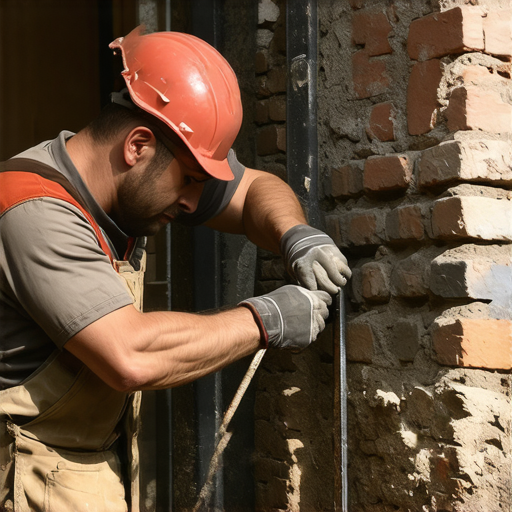
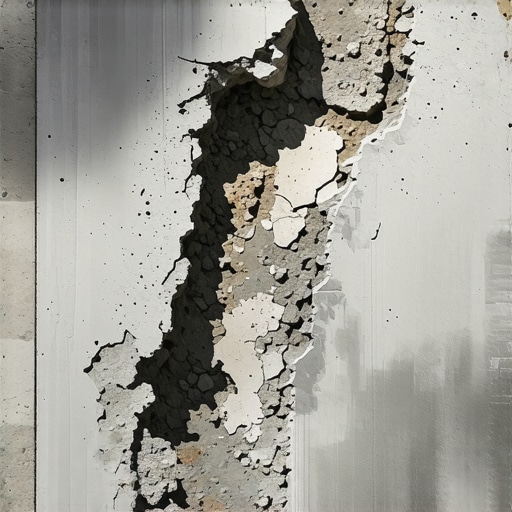
In the realm of structural engineering, the longevity of a building hinges critically on the integrity of its foundation. Skilled masonry foundation repair is not merely about patching cracks but involves a nuanced understanding of soil dynamics, material interactions, and load distribution. Modern techniques integrate high-tech diagnostics, such as ground-penetrating radar, to assess subsurface conditions before executing precise repair strategies. As an expert, I emphasize that the choice of repair method—whether underpinning, helical piers, or epoxy injections—must be tailored to specific site conditions, ensuring durability and minimal future maintenance.
The Art and Science of Concrete Patching: Ensuring Enduring Strength
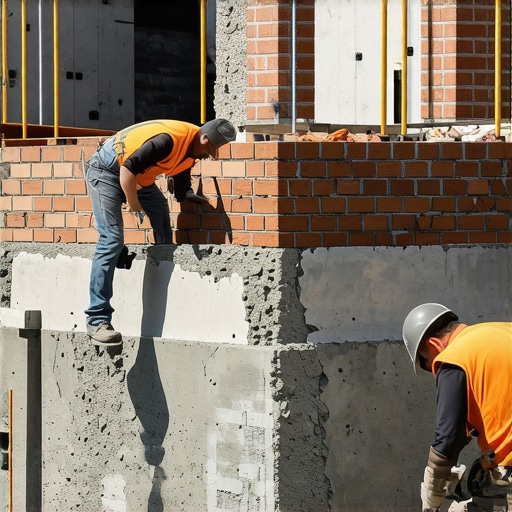
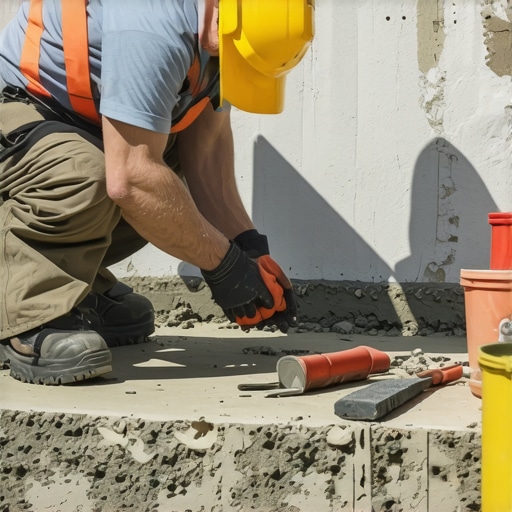
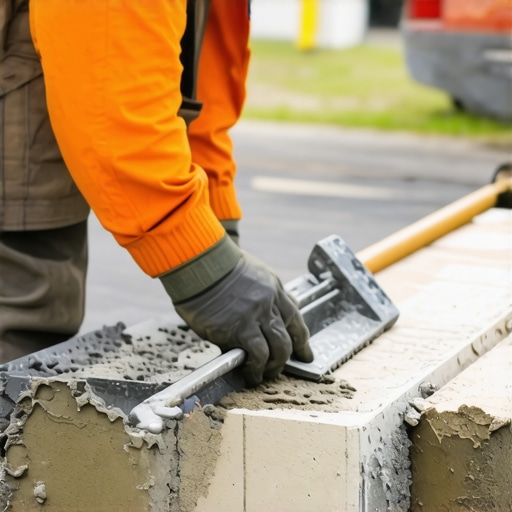
Concrete patching transcends superficial fixes; it demands mastery over material science. Advanced concrete patches involve controlled curing processes and the use of polymer-modified mortars to enhance adhesion and flexibility. For instance, incorporating fiber reinforcement in patches can mitigate cracking due to thermal expansion or soil movement. When executed correctly, these patches serve as seamless reinforcements, maintaining the structural continuum and preventing water ingress that could accelerate deterioration. An understanding of the chemical compatibility between patch materials and existing concrete is essential to prevent delamination and ensure a long-lasting repair.
What Are the Latest Innovations in Foundation Repair Technologies?
The field is evolving with innovations like carbon fiber reinforcement strips, which provide high tensile strength with minimal intrusion. These are particularly effective in retrofit scenarios where space constraints limit traditional underpinning. Additionally, robotic inspection tools enable precise diagnostics, guiding targeted repair interventions that optimize resource use and extend the lifespan of foundations. According to recent studies in the American Society of Civil Engineers, integrating these advanced technologies significantly improves repair outcomes and structural resilience.
How Can Expert Tuckpointing and Foundation Restoration Enhance Property Durability?
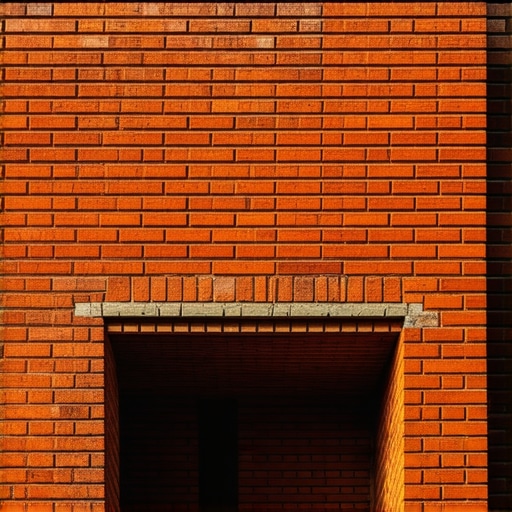
Expert tuckpointing not only restores aesthetic appeal but also reinforces the mortar joints, preventing water infiltration that can weaken the structure over time. When combined with foundation restoration, it creates a comprehensive defense against environmental stressors. For example, trusted services like foundation restoration employ meticulous techniques to ensure the mortar and brickwork function as a unified system, thereby prolonging the property’s lifespan. Such integrated approaches are essential in regions prone to freeze-thaw cycles or seismic activity, where structural resilience is paramount.
If you’re seeking to safeguard your property’s future, exploring expert-level solutions like these is crucial. Consider consulting with specialists who can perform detailed diagnostics and tailor repair strategies to your specific needs. For further insights into durable masonry practices, visit trusted tuckpointing and foundation restoration resources.
Harnessing Cutting-Edge Technologies for Superior Masonry Repairs
In the ever-evolving landscape of masonry repair, staying ahead requires integrating the latest technological advancements. Techniques such as 3D laser scanning and digital modeling enable precise assessments of structural anomalies, allowing experts to plan meticulously tailored interventions. These tools help identify subsurface issues and surface deterioration with unprecedented accuracy, ensuring that repairs are not only effective but also minimally invasive. When combined with traditional methods like tuckpointing, these innovations significantly enhance overall durability and aesthetic appeal. For comprehensive restoration strategies that incorporate these high-tech solutions, consult trusted sources such as trusted tuckpointing and foundation restoration resources.
Can Advanced Material Science Revolutionize Masonry Repair Longevity?
Absolutely. Recent breakthroughs in material science, such as self-healing concrete and nanotechnology-infused mortars, promise to extend the lifespan of masonry structures dramatically. Self-healing concrete contains microcapsules that release repair agents when cracks form, effectively sealing the damage before it propagates. Similarly, nanomaterials improve the bonding strength and resistance to environmental stressors, reducing the need for frequent repairs. These innovations are transforming standard repair practices into proactive, maintenance-free solutions, especially when paired with expert application techniques. For insights into integrating these materials into your masonry projects, visit effective concrete patch and tuckpointing solutions.
What Are the Practical Implications of These Innovations for Property Owners and Contractors?
Adopting these advanced methods means not only improved durability but also significant cost savings over the long term. Property owners can expect fewer disruptions and lesser maintenance costs, while contractors benefit from delivering higher-quality, longer-lasting results that stand out in the competitive market. Implementing such technologies demands expertise, which is why partnering with specialists who understand both traditional craftsmanship and modern innovations is crucial. For example, integrating robotic inspection tools or high-performance materials requires specialized training, but the payoff is a resilient structure that endures decades. Curious how these innovations can be customized for your property? Share your questions or experiences in the comments below or explore more at trusted foundation and tuckpointing services.
According to recent industry reports, the fusion of technology and material science in masonry restoration is setting new standards for durability and efficiency, reinforcing the importance of expert-guided implementation in complex projects (American Society of Civil Engineers).
Integrating Structural Health Monitoring Systems for Proactive Masonry Maintenance
In the pursuit of ultimate durability, modern masonry repair extends beyond traditional methods to include sophisticated Structural Health Monitoring (SHM) systems. These systems utilize embedded sensors, such as strain gauges, accelerometers, and fiber optic sensors, to continuously assess the structural response of masonry elements under various load conditions. By capturing real-time data, engineers can detect early signs of distress—be it micro-cracking, settlement, or material fatigue—long before visible deterioration occurs. According to a comprehensive review in the American Society of Civil Engineers, integrating SHM into masonry restoration facilitates a shift from reactive to proactive maintenance, thereby significantly extending the lifespan of the structure.
What Are the Specific Benefits of Embedding Fiber Optic Sensors in Masonry Structures?
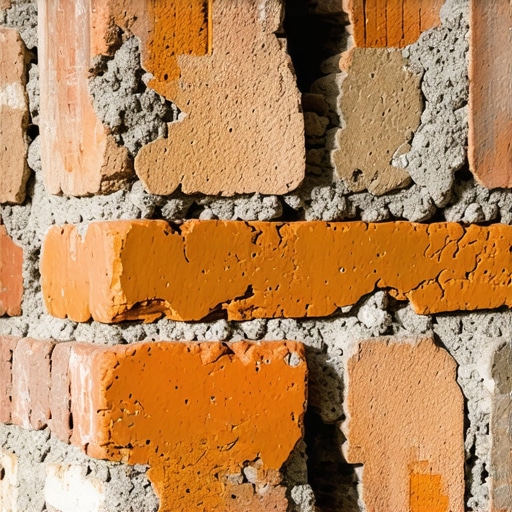
Fiber optic sensors offer unparalleled advantages for masonry reinforcement due to their high sensitivity, immunity to electromagnetic interference, and ability to operate in harsh environmental conditions. These sensors can be embedded within grout or mortar joints during repair, enabling precise measurement of strain distribution across critical load-bearing elements. This data helps identify localized weaknesses, predict failure points, and optimize repair interventions. Moreover, fiber optic sensing is scalable, suitable for both small heritage restorations and large-scale infrastructural projects. For detailed insights into sensor integration, consult recent case studies in the ASCE technical publications.
< >
>
Exploring the Role of Advanced Computational Modeling in Masonry Repair Planning
Computational modeling, particularly finite element analysis (FEA), is revolutionizing how experts approach masonry repair. By creating detailed, multi-scale models that simulate the complex interaction between masonry units, mortar, and environmental factors, engineers can predict how a structure will respond to various load scenarios and environmental stresses. These models incorporate material heterogeneity, non-linear behavior, and historical deterioration patterns, enabling tailored repair strategies that balance structural safety with cost efficiency. For instance, a recent study published in the Journal of Structural Engineering highlights how integrating FEA with real-world data significantly improves repair accuracy, reduces unnecessary interventions, and enhances long-term resilience.
How Do High-Resolution Digital Twin Models Transform Masonry Restoration?
The concept of digital twins—virtual replicas of physical structures—has gained traction in structural engineering. These models continuously assimilate data from sensors, drones, and laser scans to mirror the current state of masonry structures with high fidelity. Digital twins facilitate scenario testing, allowing engineers to evaluate the impact of proposed repairs, environmental changes, or load redistributions without risking the actual structure. This proactive approach minimizes repair costs and maximizes safety. For example, in seismic-prone regions, digital twins can simulate seismic events’ effects, guiding reinforcement measures that optimize safety margins while conserving resources. To explore the latest developments in digital twin technology, visit authoritative sources such as the ASCE publications.
Future Directions: Smart Materials and Autonomous Repair Systems in Masonry Engineering
The horizon of masonry repair is increasingly being shaped by smart materials and autonomous repair systems. Self-healing concretes infused with microcapsules and nanomaterials can autonomously respond to cracking and environmental degradation, reducing the need for manual intervention. Concurrently, robotic repair units equipped with AI-driven diagnostics and precision application tools can perform complex restoration tasks in hazardous or hard-to-access locations. These innovations promise not just enhanced durability but also significant reductions in downtime and labor costs. For instance, researchers are developing robotic systems capable of applying nano-enhanced grout with micrometer accuracy, ensuring seamless integration with existing masonry. Interested in pioneering these cutting-edge solutions? Engage with industry experts and explore ongoing research through specialized platforms like the ASCE digital library.
Harnessing the Potential of Hybrid Repair Strategies for Masonry Structures
In the pursuit of optimal structural integrity, combining traditional craftsmanship with cutting-edge technology yields unparalleled results. Hybrid repair strategies integrate materials like fiber-reinforced polymers with innovative diagnostic tools such as drone imaging and laser scanning, enabling precise targeting of damage zones. This approach not only enhances durability but also minimizes invasive interventions, preserving the aesthetic and historical value of masonry edifices. Experts emphasize that such tailored methodologies demand a deep understanding of material science and structural behavior under diverse environmental conditions.
Expert Insights into the Role of Nanotechnology in Masonry Reinforcement
Nanotechnology represents a frontier in masonry reinforcement, offering materials with enhanced bonding properties, self-cleaning surfaces, and resistance to environmental stressors. Nano-modified mortars and coatings can penetrate micro-porosities within masonry units, sealing cracks and preventing water ingress at a molecular level. According to recent research published in the Journal of Nanoscience and Nanotechnology, these innovations significantly extend service life while reducing maintenance frequency. Engaging with specialists skilled in nanomaterials enables the deployment of these advanced solutions in both restoration and new construction projects.
What Are the Challenges and Limitations of Nanotech-Enhanced Masonry Repairs?
While promising, nanotechnology-based repairs face hurdles such as high costs, limited long-term field data, and challenges in large-scale application consistency. The integration of nanomaterials requires specialized equipment and expertise, which may not be readily available in all regions. Furthermore, regulatory standards are still evolving to accommodate these novel materials. For property owners and contractors, understanding these limitations is crucial for making informed decisions about adopting nanotech solutions. To explore how to overcome these challenges and leverage nanotechnology effectively, consult dedicated industry resources and research collaborations.
Emerging Role of Augmented Reality in Masonry Restoration Planning
Augmented Reality (AR) technology is revolutionizing the planning and execution phases of masonry restoration. By overlaying digital models onto physical structures, AR facilitates real-time visualization of repair zones, material placement, and structural modifications. This immersive approach allows engineers and craftsmen to collaborate more efficiently, identify potential issues before physical work begins, and ensure precision in complex restorations. According to a comprehensive review in the American Society of Civil Engineers, AR-driven workflows significantly reduce errors and rework, ultimately saving time and resources in masonry projects.
Integrating AI-Driven Diagnostics for Predictive Maintenance
Artificial Intelligence (AI) is transforming masonry maintenance by enabling predictive analytics based on vast datasets collected through sensors, imagery, and historical records. Machine learning algorithms analyze patterns of micro-cracking, settlement, and environmental impact, providing early warnings of potential failure points. This proactive approach allows for scheduled interventions before critical damage occurs, substantially extending the lifespan of masonry structures. For example, AI-powered platforms can recommend targeted repairs, optimize resource allocation, and forecast future deterioration trends. Engaging with AI specialists and utilizing advanced diagnostic tools are essential for harnessing these benefits effectively.
Future Outlook: Autonomous Repair Robots and Self-Healing Masonry Materials
The future of masonry repair is poised to be dominated by autonomous robots capable of performing intricate restoration tasks in hazardous or inaccessible locations. Coupled with self-healing materials embedded with microcapsules and nanostructures, these innovations promise to create self-sustaining structures that autonomously detect and repair damage. Such systems could revolutionize the industry by drastically reducing downtime, labor costs, and the need for manual inspections. Researchers are actively developing robotic systems equipped with AI and real-time diagnostic sensors, paving the way for smarter, more resilient masonry infrastructures. To stay at the forefront of these technological advancements, industry professionals should continuously engage with research institutions and technological providers dedicated to structural innovation.
Expert Insights & Advanced Considerations
1. Embrace Integrative Diagnostic Technologies
Utilizing combined diagnostic tools such as ground-penetrating radar, fiber optic sensors, and 3D laser scanning provides a comprehensive understanding of subsurface and surface masonry conditions. This integration enhances repair precision and long-term resilience, making it essential for complex projects.
2. Prioritize Material Science Innovations
Harnessing advancements like self-healing concrete, nanomodified mortars, and carbon fiber reinforcement strips can significantly extend masonry structure lifespan. Staying updated with research and adopting these materials ensures durability against environmental stressors and structural fatigue.
3. Leverage Digital Twin and AI Technologies
Implementing digital twin models and AI-driven diagnostics enables proactive maintenance and scenario testing. These technologies predict failure points before visible deterioration, optimizing repair strategies and resource allocation for maximum efficiency.
4. Explore Autonomous and Smart Repair Systems
Embracing robotic repair units equipped with AI and self-healing materials fosters safer, faster, and more precise masonry restoration, especially in hazardous or inaccessible zones, revolutionizing traditional craftsmanship.
5. Integrate Structural Health Monitoring (SHM)
Embedding fiber optic sensors and strain gauges within masonry structures allows continuous real-time assessment, facilitating early intervention and extending structural lifespan through proactive maintenance.
Curated Expert Resources
- American Society of Civil Engineers (ASCE) Publications: Invaluable for the latest research and technological advancements in structural engineering and masonry repair.
- ScienceDirect and Nanoscience Journals: Offer cutting-edge studies on nanomaterials and innovative repair techniques in masonry.
- Structural Health Monitoring (SHM) Case Studies: Provide practical insights into sensor integration, data analysis, and maintenance planning.
- Industry Whitepapers on Digital Twin Technology: Explore the application of virtual modeling for structural resilience assessment.
- Robotics and Autonomous Repair Research Platforms: Share progress in AI-driven masonry repair solutions and robotic systems development.
Final Expert Perspective
Mastering masonry foundation repair demands a synthesis of traditional craftsmanship and the latest technological innovations. As expert insights highlight, integrating advanced diagnostics, material science breakthroughs, and proactive maintenance systems is crucial for achieving unparalleled structural resilience. For property owners and contractors committed to excellence, engaging with authoritative resources and pioneering new methods can redefine standards in masonry restoration. To deepen your expertise, consider sharing your experiences or exploring specialized literature, ensuring your projects stand at the forefront of durability and innovation. Remember, the future of masonry repair is not just about fixing problems; it’s about creating intelligent, self-healing, and resilient structures that endure the test of time. Stay curious, stay innovative, and lead with authority in this evolving field.

This post offers an incredible overview of the cutting-edge approaches in masonry foundation repair and reinforcement. I’ve personally seen how integrating technologies like ground-penetrating radar and fiber optic sensors can truly transform maintenance strategies, especially in older structures where assumptions about soil and materials often lead to unnecessary repairs. One challenge I’ve encountered is balancing innovative material usage with cost considerations, as some of these advanced solutions can be quite expensive upfront. However, the long-term benefits in durability and reduced inspection frequency often justify the investment.
I’m curious—how do other professionals approach making the case for these advanced methods to property owners who might be hesitant about the initial costs? Are there effective ways to demonstrate the cost-efficiency and increased lifespan in a persuasive manner? It seems that a strategic combination of traditional craftsmanship with these high-tech tools is the way forward for sustainable masonry repair.
This post really highlights the importance of integrating innovative technologies with traditional masonry repair techniques to enhance both durability and efficiency. In my experience, the use of fiber optic sensors and digital modeling has been a game-changer in predictive maintenance, especially for historic structures where preservation is key. I’ve observed that property owners are increasingly receptive when we demonstrate the long-term cost savings and reduced intervention needs these technologies enable.
One challenge I’ve faced is ensuring that these advanced methods are accessible to projects with tight budgets. What are some cost-effective ways to incorporate these high-tech solutions without compromising on quality? Also, do you see a future where such technology becomes standard practice in all masonry repair projects, regardless of scale? I believe that as these tools evolve and become more affordable, we’ll see a broader adoption that benefits structural resilience across varied types of buildings.
This post offers a comprehensive overview of the latest innovations in masonry foundation repair and structural resilience. I’ve worked on several restoration projects where integrating advanced diagnostic tools, like 3D laser scanning and fiber optic sensors, drastically improved our ability to identify hidden issues early. The use of nanotechnology-infused mortars and self-healing concretes is still evolving, but the potential to significantly extend the lifespan of masonry structures is promising. One challenge I’ve encountered is the initial investment cost for these technologies, which can be steep. However, I believe that communicating the long-term savings—such as reduced maintenance needs and increased structural safety—can persuade property owners to consider these solutions. I’m curious, how do other professionals effectively demonstrate the cost-benefit ratio of these cutting-edge technologies to stakeholders who may be hesitant about upfront expenses? It seems that blending traditional craftsmanship with modern tech is the key to sustainable and resilient masonry restorations.