Top Foundation Repair & Masonry Restoration Tips for Long-Lasting Results
The Ghost in the Wall: A Forensic Look at Masonry Failure
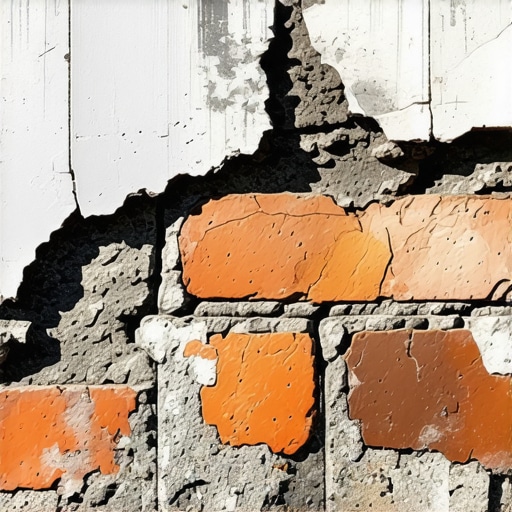
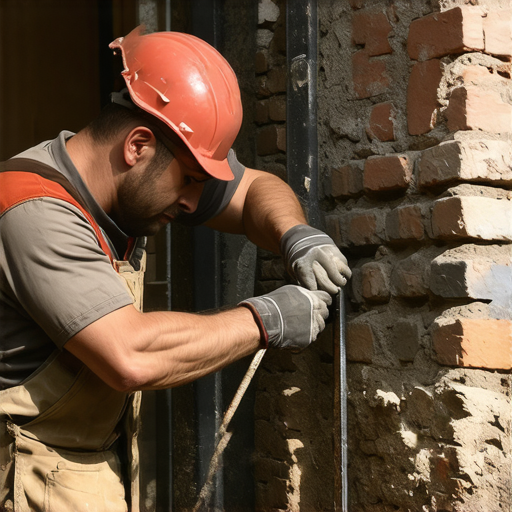
The client called me out because of a ‘little white dust’ on her basement floor. To the untrained eye, it looked like spilled flour. To me, it was the forensic evidence of a slow-motion structural execution. I took my hammer and tapped a single brick in the middle of the wythe; it didn’t ring. It thudded like a wet log. When I pulled that unit out, the core had turned to a red paste. This is the reality of brick spalling prevention gone wrong. The previous contractor had ‘waterproofed’ the exterior with a non-breathable elastomeric coating, essentially shrink-wrapping a living, breathing masonry system. He trapped the moisture, and the freeze-thaw cycles did the rest, expanding that water by 9% with every frost until the internal structure of the clay literally exploded. This isn’t just about aesthetics; it is about the physics of the building envelope.
The Chemistry of the Mud: Why Mortar Choice is Life or Death
In this trade, we don’t just ‘slap some cement’ in the gaps. We talk about the full repointing services as a surgical procedure. Most modern masons make the fatal mistake of using Type S mortar—a high-strength, high-Portland-cement mix—on pre-1940s buildings. You cannot put a hard mortar in a soft brick wall. The mortar must be the sacrificial lamb. If the wall moves, the mortar must crack, not the brick. When you use a mix that is too rigid, the thermal expansion forces the brick to take the stress. The result is total face failure. We use Type N or even Type O lime-based mixes for stone facade restoration because they allow for autogenous healing. When a hairline crack forms in lime mortar, rainwater dissolves a bit of the free lime and redeposits it into the crack as it dries. The wall literally heals itself.
“Mortar should always be weaker than the masonry units it bonds together, ensuring that any stress-induced cracking occurs in the mortar joints where it can be easily repaired.” – ASTM C270 Standard Specification
The Lintel Crisis and Oxide Jacking
If you see a diagonal crack stepping up from the corner of a window, don’t look at the foundation first. Look at the steel. Brick lintel replacement is often ignored until the ‘oxide jacking’ begins. When a steel lintel isn’t properly flashed and starts to rust, the layer of oxidation is up to ten times thicker than the original metal. This expansion exerts thousands of pounds of upward pressure, lifting the entire soldier course above it. You can’t just butter over that crack with more mud. You have to cut the steel out, install a hot-dipped galvanized replacement, and ensure the weep holes are clear so the cavity can breathe. Without that drainage, you’re just burying a ticking time bomb inside your facade.
Sky-High Forensic: Drone Chimney Inspections
I’ve climbed enough ladders to know that what looks fine from the curb is often a disaster at the crown. That is why we’ve moved toward drone chimney inspections. From forty feet up, we can see the honeycombing in the concrete cap that a homeowner would never notice. Chimney structural repair usually starts at the top. If the wash—that sloped concrete slab at the peak—is cracked, water runs straight down the internal flue tiles. In cold climates, that water freezes and pushes the brick arch restoration apart from the inside out. We look for signs of efflorescence, that white salt staining, which tells us exactly where the water is migrating. If the salts are heavy, it means the tuckpointing cost estimation needs to include deep-hole injection to stabilize the core before we even think about the finish joints.
The Art of the Joint: From Flush Pointing to Metallic Finishes
A true master mason knows that the ‘strike’ of the joint determines the life of the wall. Flush pointing services are great for certain historic profiles, but in high-wind rain areas, a concave joint is king. By using a slicker or a jointer tool to compress the mud into the gap, you create a dense skin that sheds water like a duck’s back. For more modern architectural applications, we are seeing a rise in metallic masonry finishes, where we incorporate zinc or copper dust into the mortar matrix for a specific shimmer. But regardless of the finish, the hawk and trowel work must be precise. You don’t ‘smear’ the joint; you pack it. You need to ensure the suction of the brick is managed by pre-wetting the units, or they will suck the hydration right out of the mud, leaving you with a cold joint that will flake off in three seasons.
“Water penetration is the single greatest threat to masonry durability, and the design of the mortar joint is the first line of defense.” – BIA Technical Note 7
The Foundation: Helical Piers vs. The Band-Aid
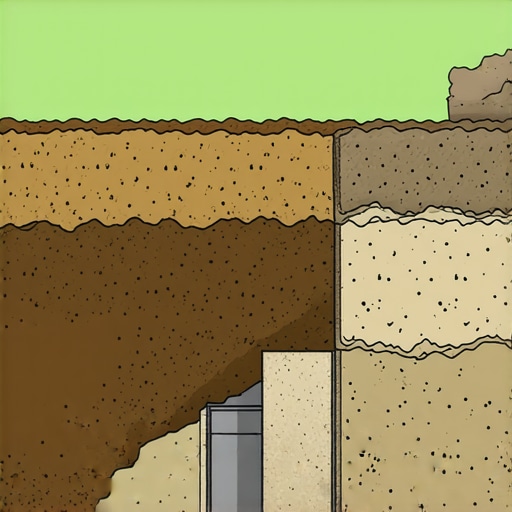
When the stone facade restoration involves settling, the ‘handyman special’ is to just fill the crack with caulk. That’s a lie. If the soil is heaving or sinking due to hydrostatic pressure, you have to address the geotechnical reality. We look at the ‘tooth’ of the crack. If it’s wider at the top, the ends of the building are dropping. If it’s wider at the bottom, the center is heaving. We use full repointing services only after the structure is stabilized, often using helical piers that screw into the load-bearing strata below the frost line. Only then can we return to the surface to perform the brick spalling prevention and cosmetic fixes. It’s about building for the next century, not the next real estate closing.