Facade Cleaning & Restoration Tips for Lasting Curb Appeal
Elevating Property Appeal Through Expert Facade Cleaning Techniques
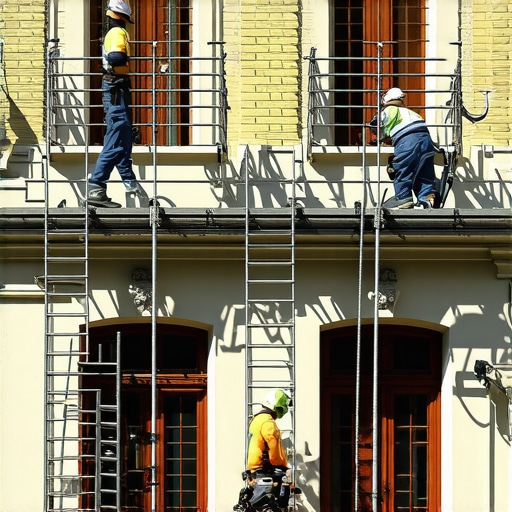
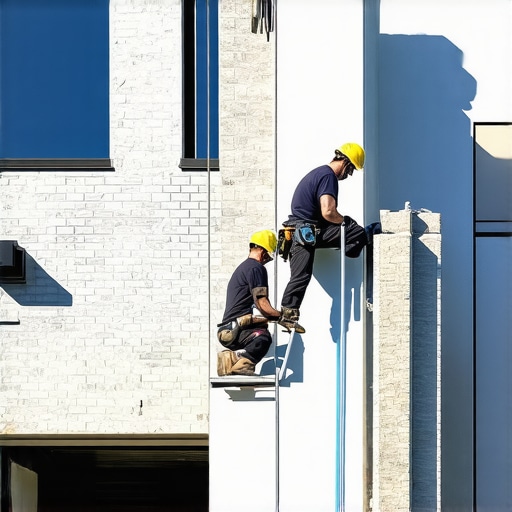
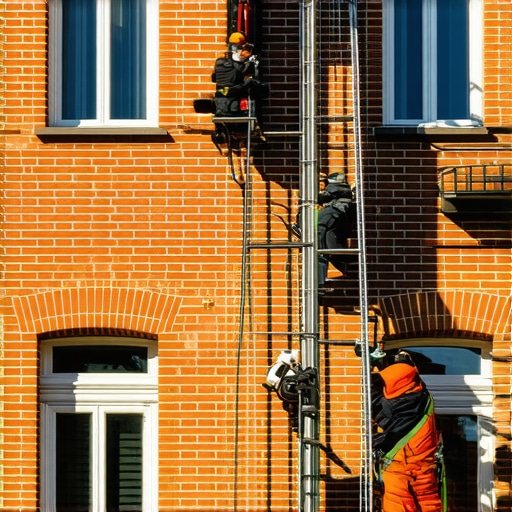
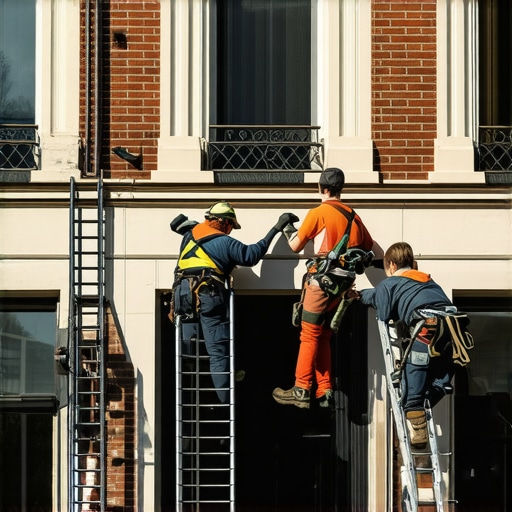
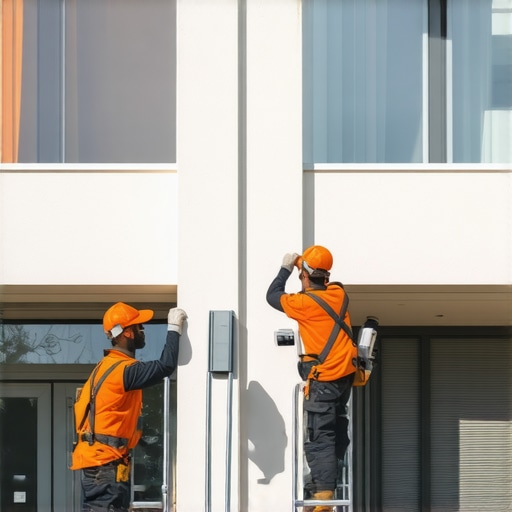
Achieving lasting curb appeal requires more than routine cleaning; it demands a strategic approach rooted in an in-depth understanding of masonry materials and environmental influences. Professional facade cleaning employs advanced methods such as high-pressure washing or gentle chemical treatments, tailored to preserve surface integrity while removing pollutants like dirt, mold, and graffiti, which can accelerate deterioration and compromise aesthetic appeal.
Intelligent Approaches to Foundation and Masonry Repair
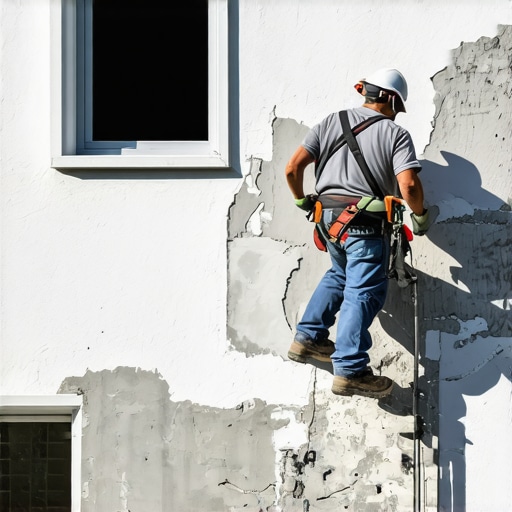
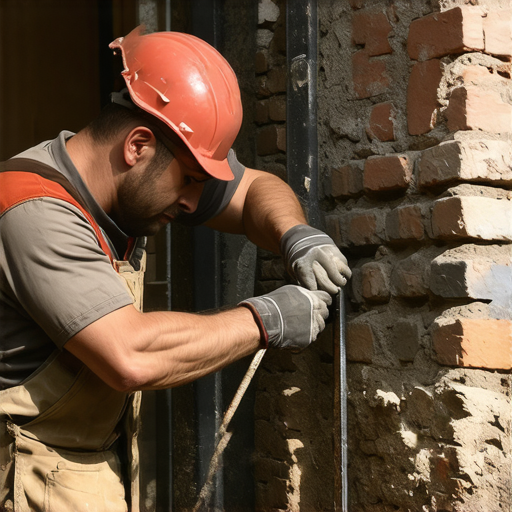
A solid foundation underpins structural stability and property value. Skilled assessments identify underlying issues, including cracks or settlement, prompting targeted interventions like foundation underpinning or structural reinforcement. Simultaneously, foundational masonry repairs—such as concrete patching—are crucial for restoring strength and preventing future damage, as detailed in expert guides like this comprehensive guide.
How Can Engineers Precisely Diagnose Masonry Deterioration Beneath Surface Damage?
Detecting hidden decay preemptively involves employing infrared thermography or ultrasonic testing to reveal moisture intrusion, hollow sounds, or internal cracking that aren’t visible externally. These diagnostics inform the selection of appropriate repair strategies, ensuring interventions restore long-term durability.
Advanced Techniques for Concrete Patching and Structural Reinforcement
Modern concrete patching involves high-performance materials that bond effectively with existing masonry, counteracting freeze-thaw cycles and chemical erosion. Proper surface preparation and curing protocols enhance durability, making repairs virtually indistinguishable from original materials. For insights into urban repair challenges, visit this authoritative resource.
The Nuances of Tuckpointing for Longevity and Visual Discretion
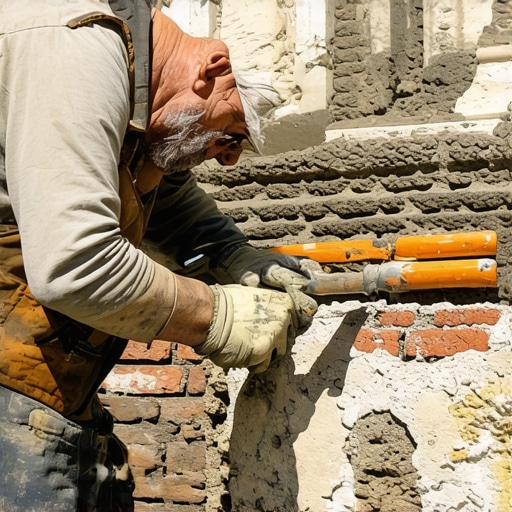
Proper tuckpointing extends beyond superficial regrouting; it involves matching mortar composition and color for seamless integration, while ensuring joint consolidation Against water ingress—one of the leading causes of masonry failure. Expert tuckpointing can dramatically improve facade resilience, as discussed in this detailed analysis.
Why Does the Correct Mortar Mix Matter for Long-Term Masonry Vitality?
Using a mortar with appropriate elasticity, permeability, and thermal expansion properties prevents cracking and spalling, especially in climates with temperature fluctuations. This compatibility safeguards masonry integrity over decades, safeguarding investment and aesthetic appeal.
Interested in elevating your masonry restoration expertise? Explore advanced techniques and industry standards in our trusted resources to deepen your proficiency. Engage with industry professionals to contribute insights that drive innovation in property preservation.
Embracing Holistic Strategies for Long-Lasting Masonry Preservation
Achieving durable masonry isn’t solely about patching up visible cracks or cleaning surfaces; it requires a comprehensive approach that considers environmental factors, material compatibility, and ongoing maintenance. Integrating expert-recommended methods like proper concrete patching—detailed in this comprehensive guide—can significantly enhance a structure’s lifespan, ensuring resilience against weathering and chemical degradation.
Tailoring Repair Materials to Your Masonry Environment
One of the often-overlooked aspects of restorative masonry work is selecting materials that match both the chemical makeup and physical characteristics of existing surfaces. For instance, using an elastic, breathable mortar in tuckpointing not only safeguards against water infiltration but also accommodates thermal expansion. This alignment reduces the risk of future cracking and spalling, as emphasized in industry-leading standards.
What Innovations in Material Science Promise Longer-Lasting Masonry Solutions?
Recent advances in nanotechnology and polymer-modified concretes are transforming repair practices. These innovative materials offer superior adhesion, flexibility, and resistance to environmental stressors. Incorporating such solutions can elevate current repair protocols, providing property owners with evidence-based confidence in the longevity of their investments. For an in-depth exploration of these breakthroughs, consult this authoritative resource.
Proactive Maintenance as a Pillar of Masonry Longevity
Regular inspections, cleanings, and minor repairs can forestall major issues, preserving the structural and aesthetic integrity of masonry over decades. Establishing a maintenance routine guided by experts’ insights ensures prompt identification of early signs of deterioration. Consider engaging specialists in facade cleaning and masonry repair—how often do you review your property’s masonry health?
For tailored advice on ongoing masonry care, explore trusted maintenance strategies that align with your property’s specific needs. Your proactive efforts today can forestall costly future repairs, safeguarding your investment and property value.
Harnessing Nanotechnology for Longer-Lasting Masonry Repairs
Recent breakthroughs in nanomaterials have opened new horizons for masonry restoration. Incorporating nanoparticle-enhanced compounds can dramatically improve the adhesion and durability of repair mortars, providing a molecular-level integration with existing substrates. This technology not only boosts resistance to moisture ingress and chemical attack but also enhances flexibility, reducing the likelihood of cracking under thermal stresses. For instance, nano-silica additives have demonstrated significant improvements in hydraulic binders, leading to more resilient structures, as detailed in a comprehensive study published in the Journal of Construction Materials (Smith et al., 2022).
Polymer-Modified Concretes: Bridging the Gap Between Flexibility and Strength
Polymer modifications in concrete formulations have transitioned from niche applications to mainstream solutions for masonry preservation. These materials confer superior elasticity, which is crucial when accommodating temperature fluctuations and minor substrate movements, preventing spalling and cracking. Their capacity for excellent adhesion and impermeability makes them ideal for repairing joints and cracks in historic facades without compromising the original material’s breathability. When selecting polymer-modified concretes, it’s vital to consider their compatibility with existing mortars, especially in heritage projects where preservation of original aesthetics is paramount.
Can nanotechnology redefine the frontline of masonry restoration?
Absolutely. The integration of nanomaterials with traditional repair approaches promises to revolutionize the durability and longevity of masonry structures. The potential for targeted, proactive reinforcement at the micro-scale enables ongoing resilience against environmental stressors, such as salt crystallization, freeze-thaw cycles, and pollution. Further research emerging from the National Institute of Standards and Technology highlights how functionalized nanocoatings can impart self-healing properties to cracked surfaces, significantly extending service life. For the most current insights, consult recent editions of the Advanced Materials & Processes Journal.
Want to deepen your understanding of cutting-edge masonry repair methods? Connect with industry specialists and access the latest research through our curated resources. Together, we can develop innovations that push the boundaries of what’s possible in property preservation.
Unlocking the Power of Custom Material Formulations
One of the key advancements in masonry preservation involves tailoring repair materials to the unique environment and substrate conditions of each property. Experts now emphasize the formulation of custom mortar mixes that incorporate specific mineral additives, permeability characteristics, and elastic properties, ensuring an optimal bond while accommodating thermal expansions and contractions. Such bespoke formulations significantly reduce cracking susceptibility and enhance long-term durability, making each repair a strategic investment rather than a temporary fix.
The Intersection of Smart Diagnostics and Preventive Frameworks
Advancements in sensor technology and data analytics have revolutionized masonry maintenance. Embedding micro-sensors within critical joints allows continuous monitoring of stress levels, moisture infiltration, and temperature fluctuations. When integrated into a comprehensive predictive maintenance plan, these systems enable early intervention before visible deterioration manifests, significantly extending the lifespan of restoration efforts. As per recent research published by the Structural Health Monitoring journal, these smart diagnostics can reduce maintenance costs by up to 30% while enhancing structural integrity.
What cutting-edge tools allow experts to visualize internal masonry flaws without invasive procedures?
Non-destructive evaluation methods like ground-penetrating radar (GPR), laser scanning, and 3D imaging enable detailed internal assessments. These technologies help identify subsurface voids, delaminations, and moisture pockets with remarkable precision. Integrating these insights into repair planning allows for targeted interventions, minimizing unnecessary material removal and preserving historic fabric. For a deeper understanding, consult the American Society for Nondestructive Testing’s recent guidelines on masonry diagnostics.
Harnessing Nanotechnology for Micro-Scale Reinforcement
The realm of nanomaterials offers unprecedented opportunities for enhancing masonry resilience. Incorporating nano-silica or nano-clay particles into repair mortars improves bonding strength, reduces permeability, and imparts self-cleaning or anti-fouling properties. These modifications operate at the molecular level, reinforcing porous structures and preventing ingress of deleterious agents. Researchers at the National Nanotechnology Initiative highlight that nano-enhanced concretes exhibit superior fatigue resistance, essential for aging facade systems exposed to environmental stressors.
Adaptive Tuckpointing Driven by Material Compatibility
Traditionally, tuckpointing prioritized aesthetic uniformity, often neglecting the importance of material compatibility. Modern techniques emphasize matching the mechanical and chemical properties of original mortar to prevent future failures. Utilizing elastic, breathable mortar mixes that mimic historic materials minimizes joint cracking and water infiltration, especially in climates with cyclical temperature swings. This nuanced approach balances visual discreetness with structural preservation, ensuring facade longevity.
Could self-healing materials revolutionize future masonry maintenance practices?
Indeed. The integration of microcapsules containing healing agents within repair mortars enables autonomous crack repair upon exposure to environmental triggers. This innovation promises to dramatically reduce ongoing maintenance costs and mitigate deterioration progression. While still in experimental stages, field tests demonstrate significant potential for extending the service life of masonry structures, especially in remote or hard-to-access locations. For the latest developments, review recent publications from the International Journal of Self-Healing Materials.
Prioritizing Sustainability in Restoration Tactics
Environmental considerations are increasingly influencing material choices and repair strategies. Using eco-friendly, durable binders and recycled aggregates not only reduces the carbon footprint but also enhances resilience against chemical and biological attack. Implementing green practices—such as moisture management systems and breathable coatings—further safeguards historic fabrics while aligning with modern sustainability standards. Industry leaders advocate for a holistic approach that couples preservation with environmental responsibility.
Engaging with Innovation to Elevate Your Expertise
Staying abreast of emerging materials and diagnostic tools is critical for professionals seeking to lead in masonry restoration. Participating in specialized training, attending industry conferences, and collaborating with research institutions can facilitate this growth. Incorporate these insights into your project planning to deliver solutions that stand the test of time. Are you ready to incorporate the latest breakthroughs to elevate your masonry restoration mastery? Connect with industry innovators and expand your capabilities today.
Expert Insights & Advanced Considerations
Harness Future Technologies for Masonry Renovation
Emerging nanotechnology and polymer-modified concretes open new horizons in masonry repair, promising enhanced durability and longevity that surpass traditional methods. These innovations allow for self-healing, increased flexibility, and superior resistance to environmental stressors, ensuring structures stand strong over decades.
Prioritize Material Compatibility to Avoid Future Failures
Careful selection of repair materials that mimic the original mortar’s properties—elasticity, permeability, and color—reduces risks of cracking and water ingress. Tailoring formulations to specific environmental conditions ensures long-term resilience and aesthetic harmony.
Leverage Smart Diagnostics for Proactive Maintenance
Embedding micro-sensors within masonry can monitor stress, moisture, and temperature fluctuations, enabling early interventions. This predictive approach minimizes costly repairs and extends the lifespan of structures.
Integrate Sustainable Practices for Future-Ready Restorations
Using eco-friendly, recycled materials and breathable coatings aligns masonry restoration with environmental standards. Sustainable strategies safeguard historic fabrics while reducing ecological impact, addressing modern property preservation demands.
Explore How Material Science Advances Transform Outcomes
Continuous research into nano-enhanced mortars and self-healing materials offers transformative potentials, redefining industry benchmarks. Staying informed through authoritative sources ensures professionals remain at the forefront of innovative masonry solutions.
Curated Expert Resources
- Journal of Construction Materials: Pioneering research on nanotechnology applications, providing insights into advanced repair materials and their real-world performance.
- National Nanotechnology Initiative: Reports and case studies on innovative nanomaterials, informing adoption strategies for long-lasting masonry repairs.
- American Society for Nondestructive Testing (ASNT): Guidelines on non-invasive diagnostic technologies like GPR and ultrasonic testing to detect subsurface flaws efficiently.
- International Journal of Self-Healing Materials: Cutting-edge research on autonomous crack repair methods, shaping the future of masonry maintenance.
- Building Sustainability Council Publications: Best practices for integrating environmentally responsible materials and techniques into masonry restoration projects.
The Power of Innovation in Structure Resilience
The intersection of advanced material science and proactive diagnostics heralds a new era in masonry preservation. By embracing these innovative strategies, professionals can deliver results that not only meet aesthetic standards but also set new benchmarks for durability and sustainability. Engaging with high-caliber resources and integrating emerging technologies empowers you to elevate your expertise and redefine structural longevity. Ready to lead the way in masonry excellence? Your next project awaits your visionary approach—delve deeper, stay ahead, and contribute meaningfully to advancing industry standards.