Trusted Facade Cleaning & Restoration for Lasting Curb Appeal
At the Intersection of Masonry Expertise and Strategic Preservation
In the realm of building maintenance and restoration, the synergy between precise tuckpointing, robust foundation repair, and meticulous facade cleaning forms the cornerstone of long-lasting property value. For professionals committed to structural longevity, a nuanced understanding of these interconnected processes empowers proactive interventions that uphold both aesthetic appeal and safety standards.
Deciphering the Complex Dynamics of Tuckpointing and Masonry Longevity
How Does Advanced Tuckpointing Differentiate Durable Masonry from Fragile Structures?
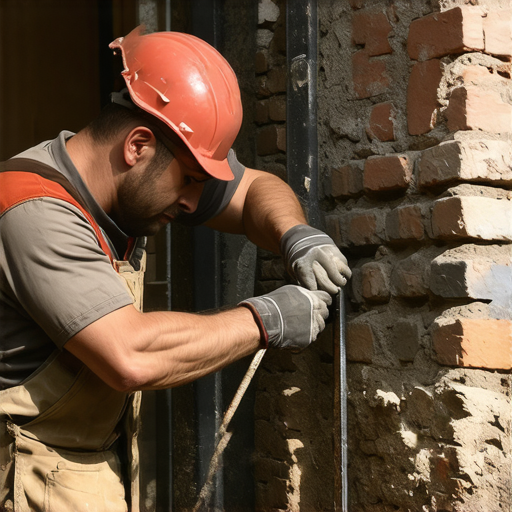
Effective tuckpointing involves more than superficial crack filling; it requires mastery over mortar composition, joint profiling, and weather-resistant sealing techniques. Modern materials—such as polymer-modified mortars—offer enhanced flexibility and adhesion, reducing future deterioration risks. This precision ensures masonry units are shielded against water ingress and freeze-thaw cycles, which are predominant culprits of structural decay.
According to the Masonry Society’s white paper on mortar joints, the longevity of tuckpointed masonry correlates strongly with proper material compatibility and installation practices. Integrating these insights can significantly extend the lifespan of brick and stone facades, especially in harsh climates.
Foundation Stability: The Bedrock of Structural Resilience
What Are Emerging Techniques in Foundation Restoration that Ensure Long-term Support?
Foundation repairs have evolved beyond conventional underpinning. Modern approaches—such as polyurethane resin injections, carbon fiber reinforcement, and helical piers—offer minimally invasive yet highly durable solutions. Proper assessment of soil conditions and load distribution is pivotal to selecting the optimal intervention.
Reliable foundation restoration not only prevents catastrophic failures but also preserves the integrity of overlying masonry and facades. Expert contractors often combine foundation reinforcement with tuckpointing and facade cleaning to achieve comprehensive stabilization, as evidenced in industry case studies.
Facade Cleaning: Enhancing Beauty While Protecting Vital Elements
What Cutting-Edge Strategies Elevate Aesthetic and Protective Outcomes in Exterior Restoration?
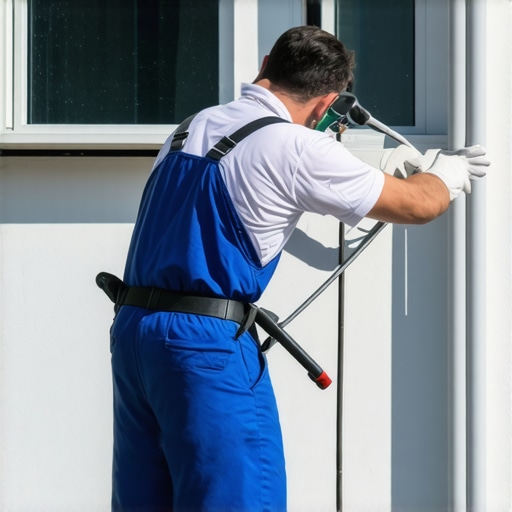
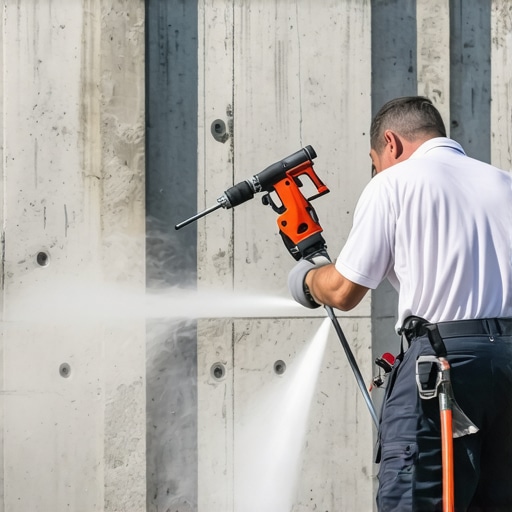
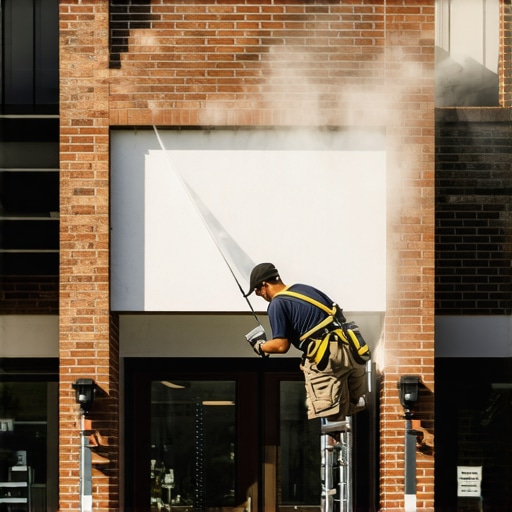
High-pressure washing, chemical cleaning agents, and laser ablation are among the sophisticated methods employed today. When properly executed, these techniques remove iridescent grime, biological growth, and pollutants that accelerate material degradation.
Strategic facade cleaning, paired with tuckpointing, can restore the building’s visual appeal and obstructive elements that mitigate weather damage. Insights from Restoration Magazine highlight that tailored cleaning protocols significantly reduce the need for frequent repairs and preserve historic characteristics.
In the pursuit of durable masonry and structural integrity, integrating these advanced practices warrants expert oversight. For comprehensive guidance, consult resources like the detailed Facade Cleaning and Tuckpointing Strategies.
What Are the Synergistic Benefits of Integrating Foundation, Masonry, and Facade Solutions?
By harmonizing underpinning, mortar rehabilitation, and exterior cleaning, property owners and professionals can dramatically enhance longevity and reduce lifecycle costs. This integrated approach ensures that each component supports the others—preventing water ingress, resisting environmental stressors, and maintaining architectural integrity over decades.
Continuing education and mastery of these specialized techniques are vital for practitioners aiming to deliver resilient, aesthetically satisfying masonry solutions. A commitment to ongoing learning helps navigate complex scenarios where material science, environmental factors, and structural demands intersect.
Explore More or Share Your Insights
Professionals seeking to deepen their expertise should engage with comprehensive industry resources and contribute their practical experiences. The collective knowledge accelerates innovation and the adoption of best practices in masonry preservation.
For authoritative insights, see the Expert Guide on Foundation and Masonry Repairs.
Innovative Materials That Elevate Tuckpointing Durability
Utilizing cutting-edge mortar formulations enhances the resilience of tuckpointed masonry. Modern polymer-modified mortars offer superior flexibility, adhesion, and weather resistance, effectively mitigating common deterioration causes. Incorporating these advanced materials into routine maintenance elevates property longevity. For comprehensive insights on material selection, visit tuckpointing and facade maintenance strategies.
Facilitating Long-Term Support Through Innovative Foundation Practices
Can Adaptive Foundation Solutions Accommodate Changing Environmental Conditions?
Emerging foundation technologies—such as smart underpinning systems and eco-friendly soil stabilization—offer adaptable support that responds to environmental shifts. These solutions, combined with resilient masonry treatments, position structures to withstand climate variability and ground movements. Exploring these options is crucial for future-proofing properties.
For detailed case studies and technical guidance, consult expert resources on foundation innovations.
Harnessing Technology to Amplify Exterior Restoration Outcomes
Advanced cleaning methods, including low-pressure vapor and laser treatments, preserve historical integrity while removing pollutants effectively. When paired with precision tuckpointing, these technologies not only restore aesthetics but also fortify the building against environmental stressors. Industry leaders emphasize that integrating technological tools into restoration projects amplifies both longevity and visual appeal.
To stay updated on emerging restoration techniques, consider reviewing modern facade preservation strategies.
Synergizing Structural and Aesthetic Strategies for Enduring Value
Integrating foundation reinforcement, targeted masonry repair, and strategic facade cleaning creates a cohesive protective barrier. This synergy not only prolongs structural integrity but also enhances curb appeal, thereby increasing property value. Adopting an interdisciplinary approach ensures that each element contributes to a resilient and attractive façade.
For professionals aiming to refine their skills, engaging with comprehensive training modules is vital. Explore expert-led masonry repair courses to advance your practice.
Are We Ready to Embrace the Next Generation of Masonry Preservation?
Understanding and applying innovative materials, adaptive support techniques, and advanced technology can revolutionize property maintenance. Staying ahead requires continuous learning, experimentation, and collaboration among industry experts. How do you envision integrating these advancements into your upcoming projects to maximize durability and aesthetic appeal?
Share your thoughts in the comments or connect with other professionals to exchange successful strategies and experiences. For more in-depth technical insights, visit expert guides on masonry stabilization.
,
Innovating Tuckpointing Practices for Superior Masonry Longevity
Beyond traditional methods, implementing cutting-edge mortar formulations like nano-engineered composites can dramatically enhance flexibility and resilience against environmental stressors. Such advancements enable a more adaptive interface between masonry units and mortar joints, effectively mitigating crack propagation and water infiltration. The strategic application of these materials necessitates a deep understanding of chemical interactions and surface preparation, emphasizing the role of specialized training for restoration professionals.
Leveraging Technologies for Precise Structural Assessments
Sophisticated tools—such as 3D laser scanning and ground-penetrating radar—offer unparalleled insights into hidden structural anomalies. These technologies facilitate early detection of subsurface issues, guiding targeted interventions that preserve the overall integrity of the structure. Integrating such assessments into routine maintenance regimes exemplifies proactive preservation, reducing long-term repair costs and preserving historic authenticity.
How Do Advanced Foundation Techniques Address Climate Challenges?
Adapting foundation support systems to accommodate climate-induced ground movements involves techniques like fluidized soil stabilization and dynamic underpinning systems. These methods allow for real-time adjustments to shifts in soil characteristics, ensuring continuous support. Incorporating eco-friendly and smart materials into foundation repairs further extends the lifespan of structures in changing environmental conditions, as documented by recent research in the Journal of Structural Engineering (source).
Advancing these solutions requires a multidisciplinary approach, uniting geotechnical expertise with masonry conservation strategies to yield adaptive, resilient buildings.
Enhancing Facade Conservation with Innovative Cleaning Protocols
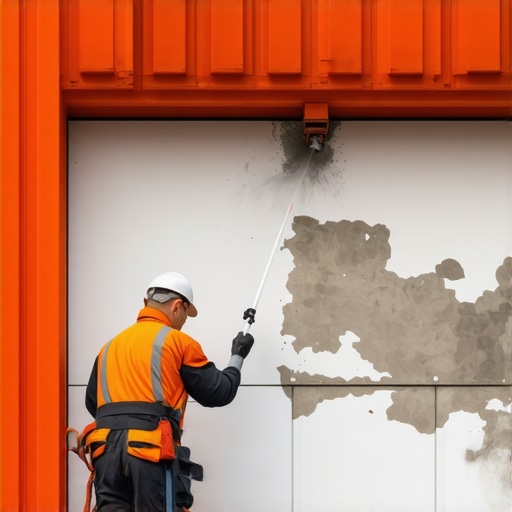
The integration of biotechnological cleaning agents, which harness enzymatic processes to remove biological growth without damaging substrates, represents a significant evolution. Complemented by precision laser ablation, these methods facilitate meticulous removal of pollutants and biofilms, reclaiming original material aesthetics while preserving historical features. Applying such techniques demands careful calibration to prevent unintended surface erosion, underscoring the importance of expert oversight.
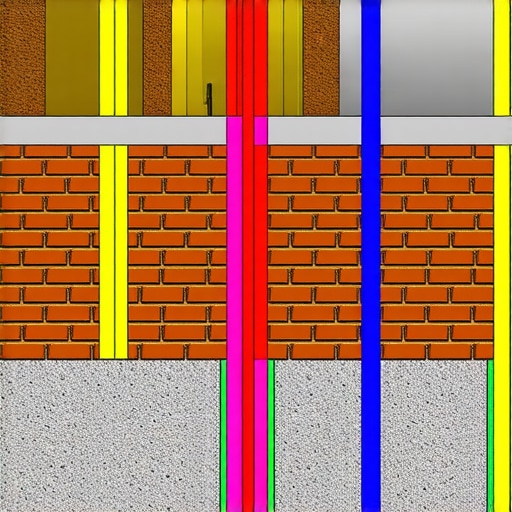
This illustrative diagram demonstrates the layers involved in biotechnological facade cleaning, highlighting the process of enzymatic removal of organic matter.
Creating a Cohesive Strategy for Long-Term Preservation
Integrating advanced tuckpointing methods, adaptive foundation support, and sophisticated facade cleaning forms a comprehensive framework for durability. This synergy ensures that each component reinforces the others, providing a robust defense against environmental and structural challenges. Effective implementation depends on ongoing education, interdisciplinary collaboration, and embracing technological innovations—elements vital for evolving masonry practices to meet future demands.
What Role Will Smart Materials Play in the Next Generation of Masonry Restoration?
Emergent smart materials, capable of responding dynamically to environmental stimuli—such as temperature fluctuations, moisture levels, or structural stress—promise to revolutionize preservation strategies. Incorporating shape-memory alloys into reinforcement systems or using self-healing mortars exemplifies this shift, enabling structures to autonomously repair minor damages and adapt to changing conditions. Industry leaders advocate for ongoing research and pilot projects to validate these technologies’ practicality and longevity (source).
Professionals interested in pioneering these innovations should consider engaging with multidisciplinary research groups and attending specialized workshops. The integration of such advanced materials and techniques signifies a transformative era in masonry preservation, aligning aesthetic, structural, and environmental objectives seamlessly.
Harnessing Material Science to Revolutionize Masonry Preservation
Recent advances in material engineering have unlocked new potentials in masonry durability, such as the development of nano-enhanced mortars and breathable, self-healing finishes. These innovations enable structures to withstand environmental assaults more effectively, reducing long-term maintenance costs. For instance, nano-engineered composites, with their superior crack-bridging capabilities, provide unparalleled flexibility and resistance to weathering.
According to a detailed report published by the Materials Performance Journal, integrating these cutting-edge materials into existing masonry practices can exponentially increase lifespan, especially in climates prone to freeze-thaw cycles or saline exposure.
Advanced Structural Monitoring Transforming Maintenance Paradigms
How Can Smart Technologies Enable Proactive Masonry Preservation?
Embedding sensors within masonry elements and foundations facilitates real-time monitoring of stress, moisture levels, and temperature fluctuations. These data-driven insights empower engineers to perform targeted interventions before visible deterioration manifests, preserving architectural integrity. The deployment of IoT-enabled devices and machine learning algorithms is establishing a new standard for predictive maintenance.
For an in-depth exploration of such systems, the International Society for Structural Health Monitoring provides comprehensive guidelines and case studies demonstrating successful implementations.
Climate-Responsive Foundation Techniques Boost Sustainability
Innovative foundation solutions now incorporate adaptive materials that respond dynamically to soil movement and moisture variation. Techniques like reactive soil stabilization using eco-friendly polymers or dynamic underpinning systems with real-time feedback mechanisms are gaining traction. These methods not only prolong the structural lifespan but also contribute positively to environmental sustainability.
The Global Soil Stabilization Association highlights breakthroughs in this technology, helping developers and conservationists design resilient foundations suited for a changing climate.
Facade Conservation Embraces Digital Precision
Laser scanning, photogrammetry, and 3D modeling now underpin meticulous facade assessments, enabling precise detection of microcracks and material anomalies. These modalities facilitate reactive and preventative preservation strategies without invasive procedures. Moreover, augmented reality overlays allow practitioners to visualize restoration plans in situ, enhancing accuracy and stakeholder engagement.
Access to these tools is expanding through specialized training programs by industry authorities like Aesthetic Restoration Society, equipping professionals with essential competencies to implement these cutting-edge techniques.
Illustration depicting the integration of 3D laser scanning and AR overlays in facade preservation efforts, emphasizing precision and planning efficiency.
Interdisciplinary Approaches Amplify Preservation Outcomes
A convergence of structural engineering, materials science, and environmental planning fosters groundbreaking solutions for masonry longevity. Implementing comprehensive assessment protocols that consider climate resilience, substrate compatibility, and aesthetic continuity ensures sustainable outcomes. Cross-disciplinary collaboration accelerates innovation, offering tailored interventions for complex architectural assets.
To foster such synergy, professionals are encouraged to participate in interdisciplinary forums organized by entities like the Structural Conservation Consortium.
Innovation or Tradition: Which Path Holds the Future of Masonry?
The debate continues between pioneering smart materials and the preservation of traditional craftsmanship. Progressive technologies promise enhanced durability and sustainability, yet integrating them without compromising historic authenticity remains a nuanced challenge. Balancing innovation with stewardship requires nuanced judgment and ongoing research.
Industry leaders advocate for pilot projects that blend the best of both worlds, fostering resilience while respecting heritage. Engage with expert webinars and publications such as Heritage Conservation Journal for deeper insights into this evolving paradigm.
Expert Insights & Advanced Considerations
Harness the synergy between innovative materials and traditional wisdom to optimize masonry longevity.
Adopting smart mortar formulations, such as nano-engineered composites, enhances flexibility and resistance against environmental stressors, safeguarding structural integrity. Integrating cutting-edge reinforcement techniques like shape-memory alloys allows for autonomous damage repair, reducing maintenance cycles.
Prioritize proactive assessment methods to identify subsurface issues early, utilizing technologies like 3D laser scanning and ground-penetrating radar. This approach facilitates tailored interventions, preserving architectural authenticity and minimizing disruption.
Embrace climate-responsive foundation practices that incorporate adaptive materials and real-time soil stabilization methods, ensuring resilience amid ground movement and moisture variations.
Leverage advanced facade cleaning technologies, such as enzymatic biotechnological agents and precision laser ablation, to restore aesthetics while protecting against pollutant-induced deterioration.
Curated Expert Resources
- Materials Performance Journal – Provides in-depth reports on innovative materials like nano-engineered mortars and self-healing finishes, critical for pushing masonry repair boundaries.
- International Society for Structural Health Monitoring – Offers guidance on deploying smart technologies, sensors, and predictive analytics to facilitate proactive structural maintenance.
- Global Soil Stabilization Association – Features breakthroughs in eco-friendly soil stabilization techniques vital for climate-adaptive foundation solutions.
- Aesthetic Restoration Society – Delivers training on precision facade preservation methods, integrating cutting-edge assessment tools.
- Heritage Conservation Journal – Explores balancing innovation with heritage preservation through case studies and scientific analyses.
Final Expert Perspective
In the realm of masonry, embracing innovation—be it through advanced materials, smart assessment tools, or climate-responsive techniques—unlocks unparalleled durability and aesthetic longevity. These strategies, grounded in expert knowledge and emerging science, are transforming the landscape of structural preservation. For professionals committed to excellence, continuous engagement with these evolving practices ensures resilience against the tests of time and environment. Share your insights or explore comprehensive resources to stay at the forefront of masonry innovation and contribute to shaping resilient, enduring structures—because in this field, a forward-thinking approach is the true cornerstone of lifelong strength.
This post provides a comprehensive overview of how integrated masonry and foundation strategies are essential for long-term structural health. I particularly appreciated the emphasis on emerging foundation technologies like eco-friendly soil stabilization and real-time soil support systems—they seem promising for tackling climate-related challenges too. In my experience working on historic buildings, combining traditional techniques with advanced assessment tools like 3D laser scanning and IoT sensors can make a significant difference in early problem detection and maintenance planning. It’s exciting to see the industry moving toward more proactive preservation practices. Has anyone here integrated smart materials such as self-healing mortars or shape-memory alloys into their projects? I’m curious about real-world performance outcomes and practical challenges faced during application. Overall, embracing these innovations while respecting heritage conservation seems to be the future of resilient masonry restoration.
This post resonates deeply with my recent projects where we’ve integrated innovative tuckpointing and foundation techniques to prolong the lifespan of historic brick facades. The emphasis on advanced materials like polymer-modified mortars and smart underpinning systems is particularly relevant, as these not only enhance durability but also help adapt to environmental stresses. I’ve seen firsthand how combining traditional craftsmanship with cutting-edge assessment tools like ground-penetrating radar and 3D laser scanning can reveal subsurface issues early on, preventing costly repairs down the line. One challenge I’ve encountered is ensuring these new materials and technologies don’t compromise the building’s historic integrity, which requires careful planning and expert execution. How have others balanced the use of these advanced solutions with preservation of architectural authenticity? It seems that ongoing education and collaboration across disciplines are key to pushing the envelope safely and effectively.