Trusted Tuckpointing & Foundation Restoration Tips for Lasting Structural Stability
Elevating Structural Integrity: The Art and Science of Foundation and Exterior Restoration
Achieving lasting structural stability requires a nuanced understanding of various repair methodologies, particularly in the realms of concrete patching, foundation repair, and facade cleaning. As industry experts, we recognize that these elements are interconnected, and their proper integration ensures the longevity and aesthetic appeal of property assets. Precision in execution and strategic planning are paramount to prevent future deterioration and maintain property value over decades.
Innovative Approaches to Concrete Patching and Foundation Repair
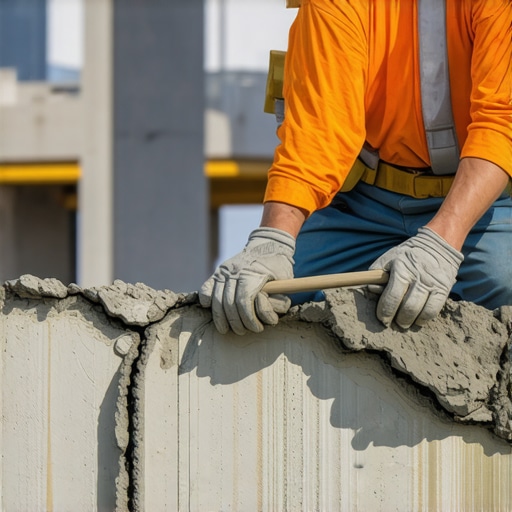
Modern concrete repair techniques leverage advanced materials that meld durability with ease of application. High-performance concrete patches, like those discussed in concrete patch repair strategies, exhibit properties that resist cracking, chemical erosion, and environmental stressors. An expert’s focus on proper substrate preparation, moisture mitigation, and curing processes significantly reduces the risk of future failures, ensuring the longevity of foundation repairs.
What Are the Recent Breakthroughs in Concrete Patch Formulations That Ensure Structural Stability?
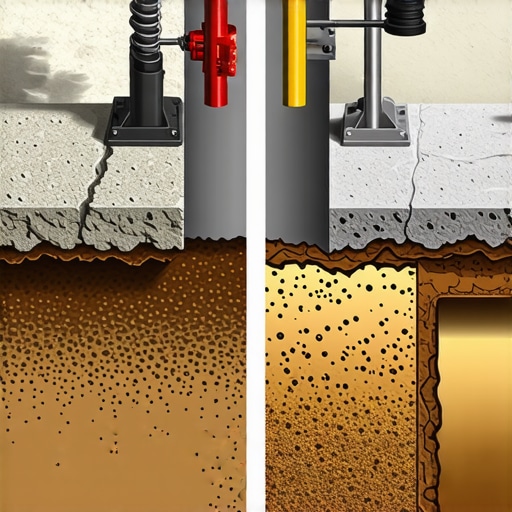
Recent developments incorporate polymer-modified cementitious materials that enhance bonding and flexibility, accommodating minor substrate movements without cracking. Furthermore, the utilization of diagnostic tools like ground-penetrating radar helps identify hidden defects, enabling targeted repairs before surface deterioration manifests, making these approaches invaluable in high-stakes restoration projects.
The Subtle Dynamics of Tuckpointing and Masonry Preservation
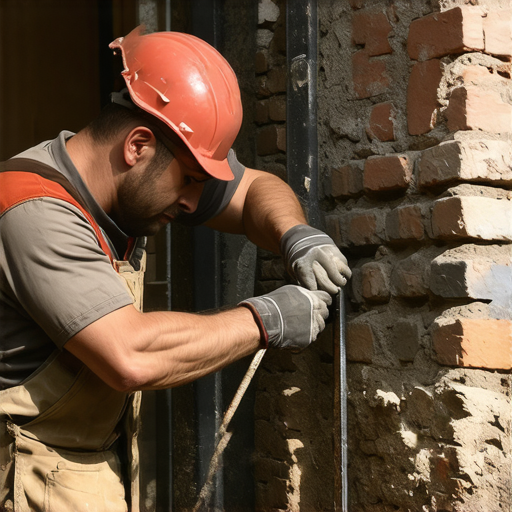
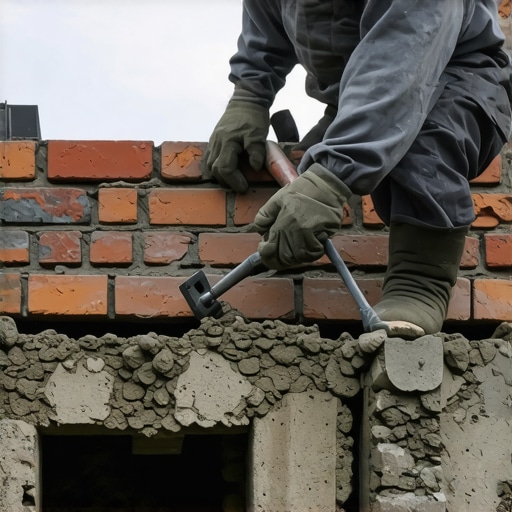
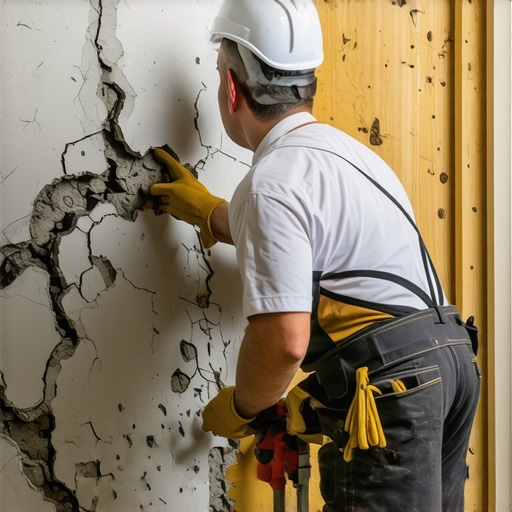
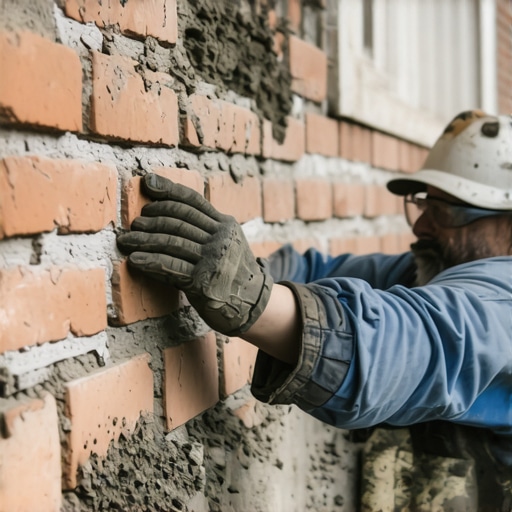
Tuckpointing is more than aesthetic repair; it plays a crucial role in preventing water ingress and freeze-thaw cycles that can compromise masonry integrity. The meticulous removal of deteriorated mortar combined with the precise application of matching mortar ensures that the structural fabric remains resilient. Expert tuckpointing also involves understanding the material science behind mortar adhesion and thermal expansion, facets that underpin long-term durability.
Facade Cleaning with Purpose: Beyond Curb Appeal
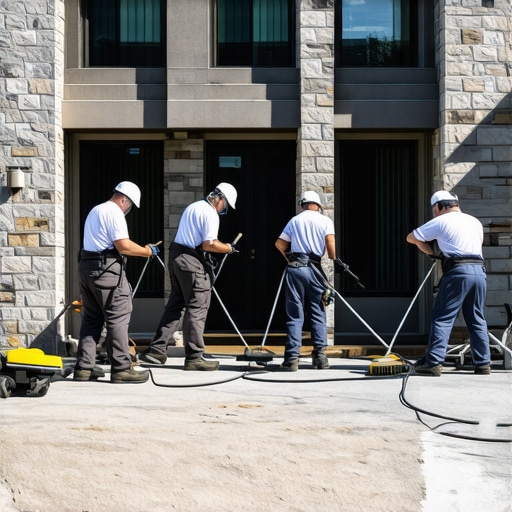
Facade cleaning transcends mere visual enhancement; it safeguards underlying masonry from microbial and environmental damage. Advanced cleaning techniques, including low-pressure washing and chemical neutralization, effectively eliminate pollutants without harming the surface. As cited in trusted facade cleaning, careful selection of cleaning agents mitigates risks of surface erosion, thus preserving the facade’s structural role for future generations.
How Do Expert-Level Treatments Influence Long-Term Durability Versus Standard Practices?
Expert approaches integrate tailored materials, precise execution, and thorough diagnostic assessments, substantially outperforming generic methods. This holistic strategy not only enhances immediate repair robustness but also mitigates ongoing deterioration, offering a lifecycle cost advantage that justifies the increased initial investment.
For professionals seeking to deepen their mastery in structural restoration, exploring comprehensive resources like effective foundation tuckpointing solutions can provide actionable insights. Contributions from seasoned practitioners and ongoing research are vital to evolving standards and ensuring enduring property resilience.
If you are committed to elevating your expertise, consider sharing your experiences and insights on advanced masonry repairs. Your input can inform and inspire better practices within the professional community.
Refining Tuckpointing Strategies for Enduring Masonry Benefits
Achieving resilient masonry extends beyond basic repointing; it involves integrating advanced tuckpointing techniques that anticipate environmental stressors. Utilizing high-quality, compatible mortar formulas, as described in effective foundation tuckpointing solutions, ensures a seamless bond that resists cracking and water intrusion over decades. Incorporating moisture barriers and thermal expansion considerations into tuckpointing plans elevates structural performance, reducing the likelihood of recurrent issues and enhancing aesthetic longevity.
Can the integration of diagnostic innovations like laser scanning revolutionize masonry preservation?
Emerging diagnostic tools, including laser scanning and 3D modeling, enable precise assessment of masonry deterioration, allowing for targeted interventions that optimize material usage and repair timing. Such precision not only minimizes invasive procedures but also accelerates project timelines while maximizing structural safety. This approach exemplifies a shift towards data-driven restoration, supported by industry-leading research from organizations like the National Concrete Masonry Association, affirming the value of technological integration in long-term durability strategies.
Beyond Surface Cleaning—Enhancing Masonry Life Through Chemical Treatments
Surface cleaning techniques must be complemented with specialized chemical treatments that penetrate deeper layers, neutralizing microbial growth and chemical residues that compromise masonry’s integrity. Selecting environmentally safe and surface-compatible agents, as outlined in expert concrete patch and facade cleaning tips, is essential to prevent surface erosion and maintain breathability. Regular application of such treatments creates a protective barrier, shield against pollutants, and sustains the masonry’s structural capacity over extended periods.
If you’re eager to elevate your masonry preservation practices, consider exploring comprehensive courses and industry seminars focused on innovative repair methodologies and diagnostic tools. Sharing your experiences in applying these advanced strategies can foster community learning and drive industry standards upward.
Harnessing the Power of Material Innovations for Superior Masonry Repair
In the quest to prolong the lifespan of restored masonry structures, embracing advanced material formulations offers unparalleled benefits. High-performance mortars infused with polymer admixtures, such as acrylic or epoxy resins, create bonds that exhibit remarkable flexibility and adhesion. This flexibility allows for slight substrate shifts due to thermal expansion or ground movements, dramatically reducing crack formation. Moreover, nano-engineered coatings, integrating silicate compounds, provide a breathable yet impermeable barrier against moisture ingress, which is vital in freeze-thaw environments.
How do modern nano-coatings prevent efflorescence and surface degradation?
Nano-coatings utilize silicate nanoparticles that penetrate deeply into masonry pores, chemically bonding with the substrate to repel water and salts that cause efflorescence. Their molecular size enables even the pores at the microscopic level to be sealed without occluding the material’s breathability, thereby preventing surface deterioration caused by trapped moisture. Studies published in the Journal of Architectural Conservation highlight the efficacy of these coatings in extending facade longevity, especially when applied as part of an integrated preservation plan.
For professionals aiming to push the boundaries of durability, investigating these emerging materials and understanding their proper application protocols can significantly enhance project outcomes. Continuous education through industry workshops and certifications ensures mastery of these innovative solutions and their correct integration into existing restoration workflows.
Integrating Digital Diagnostics for Precise Structural Assessment
The evolution of diagnostic technologies signifies a paradigm shift from reactive repairs to proactive, predictive maintenance. Techniques such as laser scanning, ground-penetrating radar, and infrared thermography enable comprehensive evaluations of masonry health without invasive procedures. For example, laser scanning provides high-resolution 3D models that reveal subtle deformities or façade voids—crucial insights for targeted interventions.
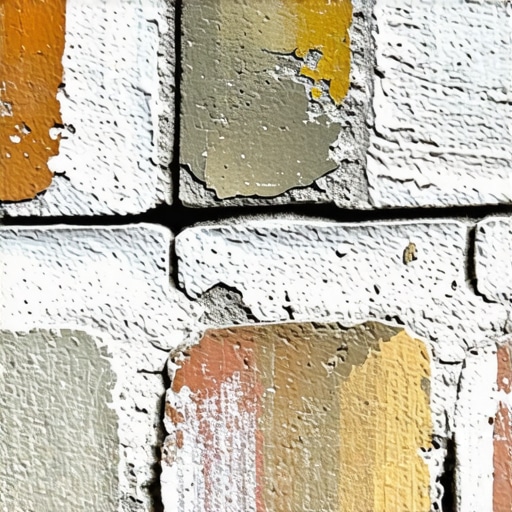
These models serve as foundational data for finite element analyses, allowing engineers to simulate various stress scenarios and plan reinforcements proactively.
Can predictive analytics derived from diagnostic data revolutionize masonry preservation?
Absolutely. By harnessing data analytics and machine learning algorithms trained on vast repair and degradation datasets, practitioners can forecast deterioration patterns with remarkable accuracy. This predictive capacity enables scheduling maintenance before visible signs appear, optimizing budget allocation, and minimizing downtime. The National Concrete Masonry Association emphasizes that integrating such analytics into standard practices is a game-changer for sustainable, long-term masonry stewardship.
To stay at the forefront, industry professionals should consider investing in specialized training in digital diagnostics and data interpretation. Participation in collaborative research initiatives further accelerates the adoption of these cutting-edge techniques, cementing one’s reputation as a leader in structural preservation innovation.
Redefining Surface Treatments for Enhanced Masonry Resilience
Beyond basic cleaning, applying chemical consolidants and biocidal treatments can dramatically improve masonry resilience. Consolidants penetrate the mortar or stone surface, bonding mineral particles and restoring lost cohesion, especially crucial in weathered or eroded materials. Simultaneously, biocidal agents not only eradicate microbial colonization but also establish a protective chemical barrier that inhibits future growth of moss, mold, or algae.
Advanced formulations now incorporate environmentally safe, non-toxic compounds aligned with sustainability goals, ensuring long-term safety for both structures and inhabitants. As highlighted in the International Journal of Architectural Heritage, judicious use of these treatments extends the service life of historical facades while maintaining their aesthetic integrity.
What are the key considerations for selecting the right chemical treatments in sensitive restoration projects?
Selection hinges on factors such as the porosity and mineral composition of the masonry, environmental exposure levels, and compatibility with existing materials. Conducting preliminary patch tests and consulting technical datasheets ensures efficacy without adverse side effects. Furthermore, integrating these treatments within comprehensive maintenance plans, including periodic inspections and environmental monitoring, ensures sustained benefits over decades, preserving both form and function.
As you advance your expertise, exploring the latest research on bio-compatible treatments and their field applications becomes invaluable. Engaging with peer-reviewed case studies and participating in specialized seminars fosters informed decision-making, ultimately elevating standards in masonry preservation practices.
Harnessing the Power of Smart Materials in Masonry Restoration
In the realm of structural preservation, the integration of cutting-edge smart materials signifies a transformative leap toward achieving unparalleled durability. Innovations such as nano-engineered consolidants and responsive coatings enable masonry elements to adapt dynamically to environmental stressors, markedly reducing deterioration rates. These materials, often embedded with sensors or microcapsules, provide real-time data on their condition, facilitating proactive maintenance decisions that extend the lifespan of restoration efforts.
The Role of Hyper-Precision Diagnostics in Identifying Hidden Damage
Traditional visual inspections often overlook subsurface defects, compromising long-term stability. Recent advancements in hyper-precision diagnostic tools—like high-resolution infrared thermography and acoustic emission monitoring—allow for highly localized detection of microcracks, moisture intrusion, and material fatigue. These technologies enable engineers to tailor interventions precisely, minimizing invasive procedures and optimizing resource allocation, thus safeguarding structural integrity over decades.
What Are the Emerging Materials That Could Revolutionize Masonry Repair?
Emerging materials such as bio-based polymers, self-healing concrete, and crystalline waterproofing agents are poised to redefine standards. Self-healing concrete, for instance, incorporates microcapsules that release healing agents upon crack formation, automatically sealing fissures before they expand. Similarly, crystalline coatings penetrate deeply, forming insoluble crystals within pores that block water ingress. Staying abreast of these innovations is crucial for professionals committed to sustainable, long-lasting restoration.
Incorporating Digital Twins for Predictive Maintenance
The concept of digital twins—virtual replicas of physical structures—offers a revolutionary approach to long-term preservation. By continuously updating the digital model with sensor data, engineers can simulate various stress scenarios, predict potential failure points, and plan maintenance proactively. This fusion of IoT technologies with structural engineering enhances decision-making precision, reduces downtime, and dramatically improves the durability of masonry assets.
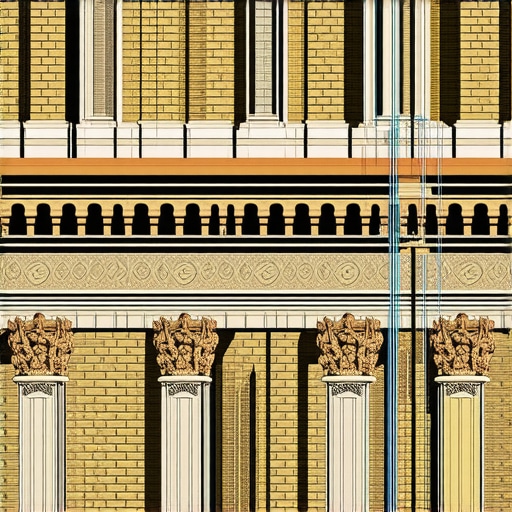
Integrating detailed 3D models with real-time sensor streams creates a powerful ecosystem for predictive analytics, enabling truly anticipatory maintenance strategies.
How Can Material Science Drive Sustainable Preservation Solutions?
Material science innovations not only enhance durability but also prioritize environmental sustainability. Utilizing low-impact, recyclable materials with high-performance attributes reduces carbon footprints associated with restoration projects. Additionally, implementing eco-friendly chemical treatments and bio-inspired design principles supports resilience while aligning with global sustainability standards. These approaches ensure that preservation efforts contribute positively to ecological health, safeguarding cultural and historical assets for generations to come.
Why Embrace a Holistic Approach to Masonry Care?
Long-term success in masonry preservation hinges on a multidisciplinary strategy—integrating material science, advanced diagnostics, digital monitoring, and sustainable practices. Such a comprehensive approach minimizes unforeseen failures, optimizes lifecycle costs, and maintains aesthetic qualities. Recognizing the interconnectedness of these elements empowers professionals to elevate standards and deliver resilient, enduring structures that withstand the test of time.
Expert Insights & Advanced Considerations
Adopt a Lifecycle Perspective to Material Selection
Evaluating materials based on their long-term performance metrics, including resistance to environmental stressors and ease of maintenance, ensures restoration investments yield durable results that stand the test of time, especially when integrating polymers and nano-coatings.
Leverage Cutting-Edge Diagnostics for Precision Repair
Utilizing laser scanning, ground-penetrating radar, and thermal imaging provides granular insights into unseen deterioration, facilitating targeted interventions that reduce invasive procedures and optimize resource use, thus elevating project longevity.
Integrate Sustainable Practices for Resilient Restoration
Prioritizing eco-friendly materials, low-impact chemical treatments, and lifecycle analysis fosters masonry preservation strategies that align with environmental standards while enhancing structural resilience over decades.
Embrace Data-Driven Maintenance Models
Implementing digital twin technology and predictive analytics allows for proactive scheduling of repairs, reducing unexpected failures, and extending the lifespan of masonry assets through intelligent monitoring and simulation.
Foster Collaborative Knowledge Sharing
Engaging in industry forums and contributing to research initiatives accelerates innovation adoption, ensuring practices evolve to incorporate the latest breakthroughs in material science and diagnostic technologies, vital for the cutting edge of durable masonry restoration.
Curated Expert Resources
- National Concrete Masonry Association (NCMA) – Offers comprehensive research, standards, and guidelines on innovative diagnostics and materials, driving industry-wide best practices.
- International Journal of Architectural Heritage – Provides peer-reviewed articles on chemical treatments, protective coatings, and conservation methodologies that extend masonry lifespan.
- Building Science Corporation Publications – Features case studies and technical reports on sustainable restoration strategies, integrating advanced diagnostics and materials.
- Materials Today Journal – Focuses on breakthroughs in nanomaterials and smart coatings applicable in masonry repair for enhanced durability.
- Industry Seminars & Workshops by Masonry Rescue – Hands-on education on digital diagnostics, material innovations, and maintenance planning tailored for industry professionals.
Final Expert Perspective
Achieving unparalleled masonry durability hinges on the strategic integration of innovative materials, cutting-edge diagnostics, and sustainable practices—forming a holistic approach that ensures structures not only withstand environmental challenges but also serve future generations with resilience. As industry leaders, your pursuit of mastery in these advanced considerations elevates standards, safeguards investments, and exemplifies excellence in structural preservation. Engage with these resources, share your insights, and continue pioneering the evolution of masonry restoration beyond conventional limits.
This article highlights the importance of integrating advanced diagnostic tools with innovative material solutions for masonry preservation. I’ve personally seen how laser scanning and ground-penetrating radar can uncover hidden structural issues that aren’t visible to the naked eye, allowing for more targeted and less invasive repairs. It’s impressive how these technologies can extend the lifespan of historic structures while maintaining their aesthetic and structural integrity. One challenge I’ve faced is ensuring the correct application of nano-coatings, especially in climates with high moisture levels, where their breathability is crucial yet sometimes overlooked. How have others managed the compatibility of these high-tech materials with varying environmental conditions? Sharing best practices around application protocols or complementary treatments could really enhance the efficacy of these preservation strategies.