Concrete Patch & Repair Tips for Lasting Durability in 2024
Elevating Masonry Integrity: Advanced Techniques for Concrete Patch and Structural Restoration
In the realm of masonry repair, the emphasis on durability and aesthetic appeal has never been more critical. As experts in the field, understanding the nuanced interplay between concrete patching, tuckpointing, foundation stabilization, and facade cleaning is essential for delivering long-term results that withstand environmental stresses and time.
Harnessing Material Science for Optimal Concrete Patching
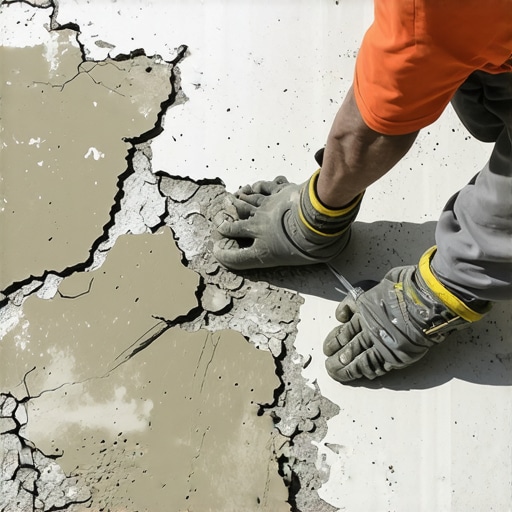
Modern concrete patching extends beyond simple filler application. It involves selecting advanced polymer-modified mixes that offer superior adhesion, flexibility, and resistance to freeze-thaw cycles. For instance, integrating high-performance repair mortars enhances the longevity of patches, especially when applied to structural foundations or heavily trafficked surfaces. This approach minimizes future crack propagation and mitigates moisture infiltration, which are common catalysts for deterioration.
Precision Tuckpointing as a Foundation for Structural Durability
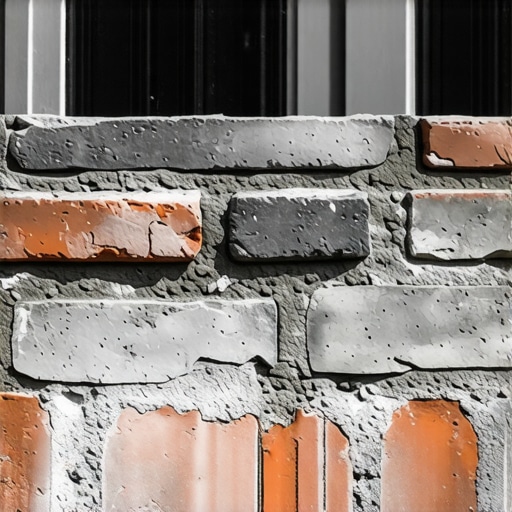
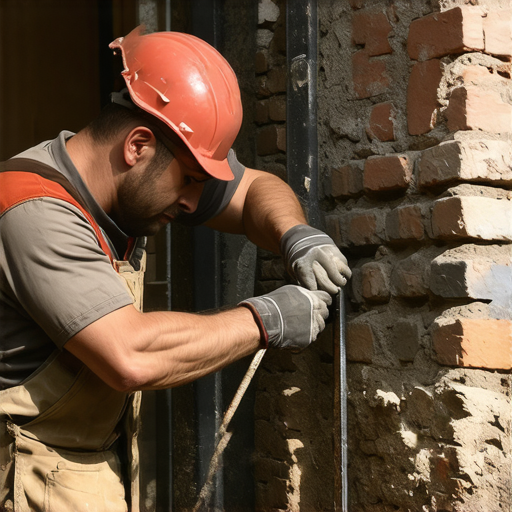
Effective tuckpointing requires meticulous removal of deteriorated mortar and the strategic application of color-matched, flexible mortar joints. This process not only restores the visual integrity of brickwork but also reinforces the structural bonds between masonry units. Advanced techniques, such as using joint stabilization tools and breathable sealants, prevent water ingress that can compromise the foundation’s stability over time. For a comprehensive approach, consult trusted sources like Trusted Tuckpointing & Foundation Restoration.
Addressing Common Challenges in Foundation and Masonry Systems
One of the pressing questions among professionals involves managing expansive soil movement and its impact on foundation integrity. How can we preemptively reinforce existing structures? The answer lies in integrating underpinning techniques with high-strength concrete patches and implementing proactive drainage solutions. These measures mitigate settlement risks and curb moisture-related damage, ensuring stability for decades.
What Are the Latest Innovations in Facade Cleaning That Boost Longevity?
Recent advancements in facade cleaning leverage environmentally friendly, biocide-free cleaning agents combined with steam and low-pressure washing. This method effectively removes pollutants and biological growth without damaging delicate masonry surfaces. When paired with sealing treatments, facade cleaning not only revitalizes the building’s appearance but also protects against future staining and deterioration. Explore expert tips at Facade Cleaning & Masonry Repairs.
Engaging in ongoing professional development and sharing insights across masonry communities enhances our collective ability to implement durable repair strategies. For those seeking to deepen their expertise, reviewing authoritative literature such as the American Concrete Institute’s guidelines offers valuable perspectives.
Interested in elevating your property’s masonry resilience? Consider consulting with certified specialists and contributing your experiences to industry forums. Together, we can forge a future where masonry structures stand as enduring symbols of craftsmanship and durability.
Maximizing Masonry Longevity Through Cutting-Edge Techniques
In the pursuit of durable masonry, integrating innovative repair methods is paramount. Advanced materials, such as epoxy-injected grouts and high-performance sealants, can significantly extend the lifespan of masonry structures. These solutions not only repair existing damage but also create a resilient barrier against moisture and environmental stressors. For a comprehensive approach, explore trusted methods at concrete patch foundation restoration.
Revolutionizing Tuckpointing for Structural Resilience
Modern tuckpointing transcends traditional mortar replacement. Techniques like the use of breathable, flexible joint sealants combined with precision grinding tools ensure that the masonry joints are both aesthetically pleasing and structurally sound. This dual focus prevents water infiltration and reduces crack propagation, which are common causes of masonry failure. For expert insights, consult trust our expert foundation tuckpointing.
Overcoming Foundation Challenges with Smart Solutions
Foundation issues often stem from soil instability and poor drainage. Employing advanced underpinning techniques, such as helical piers, can provide immediate stabilization, especially when paired with high-strength concrete patches. Additionally, installing effective drainage systems reduces moisture buildup, further protecting the foundation. For detailed strategies, visit foundation repair solutions.
What Emerging Technologies Are Shaping the Future of Masonry Maintenance and Repair?
Emerging tools like drone inspections and 3D laser scanning are transforming how professionals assess masonry integrity. These technologies enable precise detection of cracks and deterioration that are often invisible to the naked eye, facilitating targeted repairs before major issues develop. Additionally, regenerative materials such as bio-based sealants and self-healing concretes are gaining traction for their ability to autonomously repair micro-cracks, drastically reducing maintenance costs. To stay ahead, professionals should stay informed through authoritative sources like the American Concrete Institute (ACI), which regularly publishes guidelines on innovative masonry repair practices.
If you’re passionate about elevating your masonry skills, consider sharing your experiences or seeking expert advice through industry forums or local masonry associations. Continuous learning and adaptation are key to mastering long-lasting repair techniques.
Harnessing Cutting-Edge Materials for Superior Concrete Patching
In advanced masonry repair, the selection of materials plays a pivotal role in ensuring durability. Modern high-performance repair mortars, infused with polymer modifiers such as latex or acrylic, create bonds that withstand extreme environmental conditions. These mixes offer enhanced elasticity, which helps accommodate structural movements without cracking, and superior adhesion to existing substrates. Incorporating nano-engineered admixtures further refines the microstructure of patches, reducing porosity and increasing resistance to moisture infiltration—a crucial factor in extending the lifespan of repairs.
Revolutionary Tuckpointing Techniques Elevate Structural Resilience
Traditional tuckpointing has evolved into a sophisticated craft that combines precision technology with innovative materials. For example, the use of flexible, breathable sealants like silicone-urethane blends allows for joint movement while preventing water ingress. Coupled with robotic or computer-guided grinding tools, these techniques achieve impeccable joint lines that mimic original craftsmanship and improve structural integrity. This approach not only restores appearance but actively prevents deterioration caused by freeze-thaw cycles and moisture penetration.
Addressing Complex Foundation Challenges with Smart Reinforcements
Foundation stability amid shifting soils demands a proactive, tech-enabled approach. The integration of helical piers with real-time load monitoring systems allows for dynamic stabilization, adjusting to soil movements over time. When combined with high-performance, crack-resistant concrete patches, these solutions create a resilient foundation framework. Moreover, the implementation of advanced drainage technologies—such as subsurface water diversion and moisture barriers—mitigates water-related risks, thus prolonging structural integrity even in the most challenging environments.
What Role Do Regenerative Materials Play in Future Masonry Repair?
Emerging regenerative technologies, like bio-based sealants and self-healing concretes, are set to revolutionize masonry maintenance. These materials contain embedded healing agents that respond to crack formation by autonomously sealing micro-cracks, significantly reducing ongoing deterioration and maintenance costs. For instance, microcapsules filled with healing resin can rupture upon crack development, restoring the material’s integrity instantly. As noted by the American Concrete Institute (ACI), ongoing research into bio-reactive and nanotechnological repair systems promises a future where masonry structures can self-sustain and repair, dramatically extending service life.
Harnessing Nanotechnology for Micro-Crack Prevention in Masonry
Recent advancements in nanotechnology have introduced nano-engineered admixtures that significantly enhance the microstructural integrity of repair materials. These ultra-fine particles fill microscopic voids within the concrete or mortar, effectively reducing porosity and increasing resistance to moisture ingress and chemical attack. Such innovations enable repair mortars to not only restore structural stability but also to act as a barrier against future deterioration, extending the lifespan of masonry elements.
How Can 3D Printing Revolutionize Masonry Restoration Processes?
3D printing technology is emerging as a transformative tool in precision masonry restoration. By utilizing custom-fabricated, high-strength printable materials, specialists can recreate intricate architectural details and fill complex cracks with unparalleled accuracy. This method minimizes material wastage and allows for rapid on-site repairs, reducing downtime and labor costs. For detailed insights, consult studies from the 3D Printing Society.
What Are the Next-Generation Sealants for Dynamic Masonry Joints?
Innovative sealants incorporating shape-memory polymers are now being developed to accommodate masonry movement caused by thermal expansion and soil shifting. These materials can revert to their original shape after deformation, maintaining a waterproof seal and preventing crack propagation. Such sealants enhance the resilience of joints against environmental stressors, ensuring long-term durability of masonry structures.
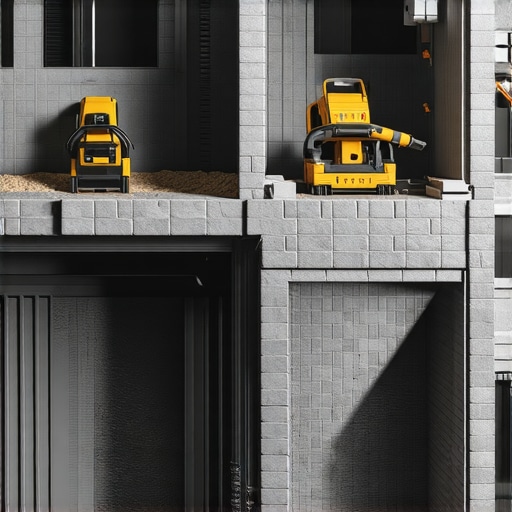
Incorporating these advanced materials and techniques into your masonry practice will position you at the forefront of structural repair innovation. Engage with industry conferences and reputable publications like the American Concrete Institute to stay informed about emerging technologies shaping the future of masonry maintenance.
Leveraging Data Analytics for Predictive Masonry Maintenance
Integrating IoT sensors and data analytics allows for real-time monitoring of masonry health, detecting early signs of stress, moisture intrusion, or cracking. Predictive maintenance models can schedule interventions proactively, minimizing costly repairs and preventing catastrophic failures. This data-driven approach is revolutionizing structural management, providing a strategic advantage in maintaining complex masonry systems.
Are Self-Healing Materials the Future of Masonry Preservation?
Self-healing concretes and mortars, embedded with microcapsules containing healing agents, are poised to redefine repair paradigms. When micro-cracks develop, these capsules rupture, releasing resins that automatically seal the damage. This autonomous repair process significantly reduces ongoing deterioration, maintenance costs, and extends service life, making it a game-changer for high-stakes infrastructure projects.
To maximize your expertise, explore ongoing research published by the American Concrete Institute and participate in industry-specific forums that focus on innovative masonry solutions. Mastering these cutting-edge techniques will empower you to deliver resilient, durable, and aesthetically compelling masonry restorations for years to come.
Forge New Pathways in Masonry Excellence
Advanced techniques in masonry restoration are redefining how professionals approach concrete patching, tuckpointing, foundation reinforcement, and facade rejuvenation. Embracing innovative materials and data-driven maintenance ensures structures not only resist environmental challenges but also maintain their aesthetic appeal over decades.
Innovative Material Use Elevates Durability
Implementing polymer-modified repair mortars with nano-engineered admixtures results in stronger bonds and enhanced resistance to moisture and freeze-thaw cycles. These cutting-edge materials facilitate micro-crack healing and microstructural refinement, significantly extending the lifespan of masonry elements.
Precision Tuckpointing Reinforces Structural Bonds
Utilizing breathable, flexible joint sealants combined with robotic grinding tools creates joints that mimic original craftsmanship while offering superior water resistance. These methods prevent deterioration caused by moisture ingress and mechanical stress, safeguarding masonry integrity.
Smart Foundations and Drainage Systems Minimize Risks
The integration of real-time load monitoring with helical piers and advanced drainage solutions proactively addresses soil movement and moisture intrusion. This comprehensive approach stabilizes foundations and prevents costly repairs caused by shifting soils and water damage.
Next-Generation Sealants Transform Masonry Maintenance
Shape-memory polymer sealants adapt dynamically to thermal and soil-induced movements, maintaining airtight seals and preventing crack propagation. These innovative materials elevate the resilience of masonry joints against environmental stressors.
Curated Resources for Deep Expertise
- American Concrete Institute (ACI): Offers authoritative guidelines on innovative repair materials, testing standards, and best practices in masonry restoration.
- National Association of Home Builders (NAHB): Provides comprehensive insights into sustainable and durable masonry maintenance techniques.
- Journals on Structural Engineering: Publish peer-reviewed research on nanotechnology applications, self-healing materials, and predictive analytics in masonry preservation.
Reimagining Masonry’s Future with Expert Vision
The convergence of advanced materials, digital monitoring, and regenerative technologies positions masonry repair at an unprecedented level of sophistication. By integrating these innovations, professionals can deliver structures that are resilient, sustainable, and visually compelling. Embrace continuous learning, contribute insights to industry forums, and lead the way in pioneering masonry excellence. Your expertise shapes the future of durable, enduring masonry structures.