Foundation & Facade Cleaning Tips | Long-Lasting Property Solutions
Elevating Structural Integrity with Precision Concrete Patch Applications
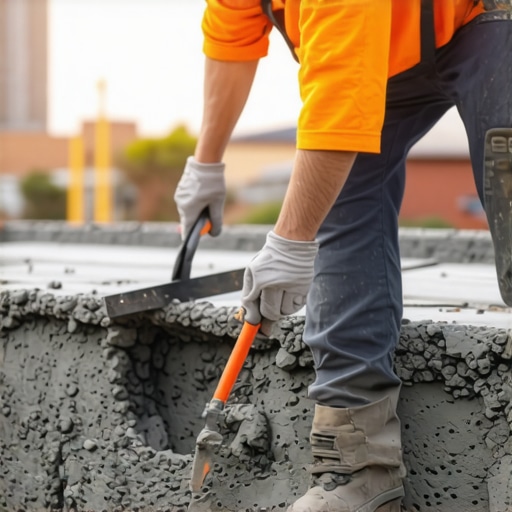
Expert masonry restoration hinges on the strategic use of high-quality concrete patches that ensure enduring foundation stability. Modern repair techniques emphasize surface preparation, material compatibility, and environmental considerations, transforming traditional patching into an art form that resists weathering and load stresses. For example, utilizing polymer-modified concrete patches enhances adhesion and flexibility, crucial for accommodating ground movement or thermal expansion.
Innovative Tuckpointing Methods for Enhanced Durability
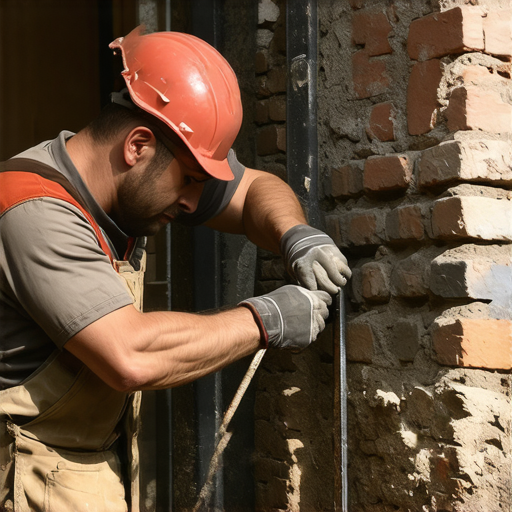
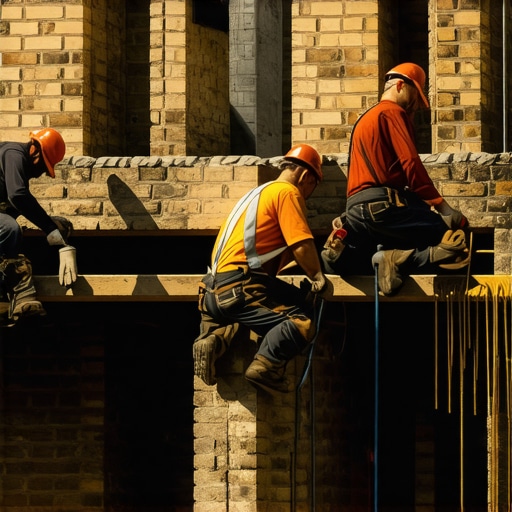
Traditional tuckpointing has evolved into a sophisticated process that involves meticulous removal of deteriorated mortar, followed by the application of specialized, breathable mortar mixes. This approach prevents moisture infiltration and extends the lifespan of brickwork. Advanced tuckpointing also incorporates color-matching techniques that preserve aesthetic integrity while reinforcing structural bonds, especially vital in historic preservation projects.
Critical Considerations for Foundations in Challenging Environments
Foundations in seismic zones or expansive soils demand tailored solutions. Engineers now incorporate geo-technical analysis to select appropriate underpinning methods including micropiles or helical anchors. These innovations mitigate settlement risks and improve load distribution, ensuring long-term stability. Integrating moisture barriers and vapor retarders further enhances resistance to water-related deterioration, a common cause of foundation failure.
Facade Cleaning Strategies That Prolong Exterior Elegance
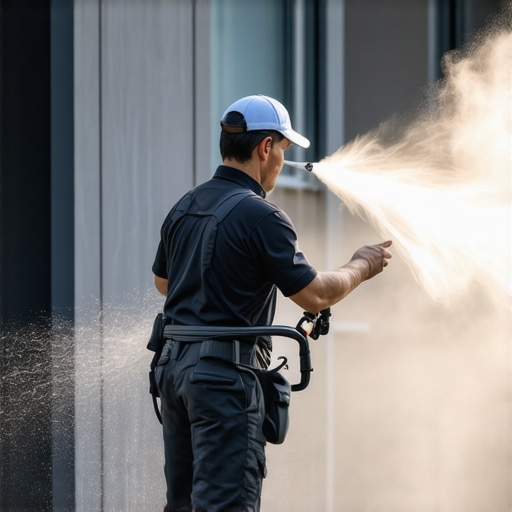
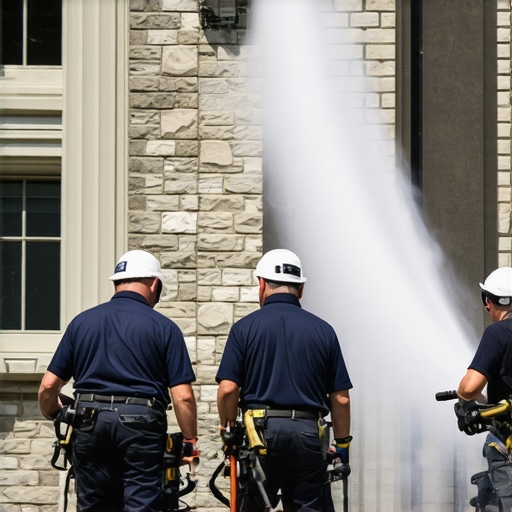
Facade cleaning transcends superficial aesthetics; it is a preventative measure against structural damage. Techniques such as low-pressure washing combined with eco-friendly, biodegradable cleaning agents effectively remove pollutants without harming masonry surfaces. When dealing with delicate materials like limestone or historic stucco, laser cleaning offers a non-abrasive alternative that preserves surface integrity while restoring visual appeal.
What are the latest advancements in materials that improve the longevity of masonry repairs?
Emerging materials like nanotechnology-infused sealants and self-healing concretes are revolutionizing masonry repair. These innovations provide superior resistance to water ingress, crack propagation, and chemical deterioration, significantly extending the lifespan of foundational and facade restorations. For in-depth insights, consult the comprehensive guide on concrete patch and facade cleaning strategies.
For professionals seeking to refine their craft, exploring advanced techniques in foundation repair, tuckpointing, and facade cleaning is essential. Consistently updating your knowledge base and adopting innovative materials ensures your projects meet the highest standards of durability and aesthetic excellence. We invite industry experts to share their insights and experiences to foster a community of continuous improvement in masonry restoration.
Harnessing Next-Generation Materials for Masonry Longevity
In the pursuit of durable masonry repairs, industry professionals are increasingly turning to innovative materials that push beyond traditional limits. Nano-enhanced sealants, for instance, offer unparalleled water resistance and self-healing properties, dramatically reducing long-term maintenance needs. These advanced solutions are supported by extensive research, such as the recent studies highlighted in the comprehensive guide to concrete patch and facade cleaning strategies, which emphasizes the importance of material science in extending masonry lifespan.
Reevaluating Common Assumptions About Masonry Repairs
Many assume that traditional patching and tuckpointing techniques are sufficient for long-term durability. However, emerging evidence suggests that integrating high-performance repair mortars with flexible, breathable membranes can significantly enhance resistance to environmental stressors. This paradigm shift challenges the conventional wisdom and encourages professionals to adopt a holistic approach that considers not only the repair material but also the surrounding environmental dynamics.
Expert Framework for Repair Strategy Optimization
Developing a strategic approach involves assessing the unique conditions of each project site and selecting tailored solutions. An effective framework incorporates geo-technical analysis, environmental factors, and material compatibility to inform decisions about foundation reinforcement, facade restoration, and crack mitigation. For example, integrating moisture barriers with foundation patching solutions can prevent future water damage, as discussed in trusted foundation patch repair insights. This comprehensive perspective ensures repairs are durable and adaptive to changing conditions.
How can professionals leverage cutting-edge research to revolutionize masonry repair outcomes?
Staying at the forefront of material innovations and repair methodologies requires continuous education and industry collaboration. Engaging with expert sources, attending specialized training, and participating in industry forums can facilitate the adoption of proven, innovative techniques. For instance, consulting authoritative resources like expert foundation and patch restoration tips can help refine your craft and ensure long-lasting results. Sharing insights and experiences within the community fosters a culture of excellence and innovation.
We encourage professionals and enthusiasts alike to comment with their experiences or suggest additional reading on the latest developments in masonry repair technology. Your insights can help elevate industry standards and inspire new approaches to enduring masonry solutions.
Next-Generation Sealants and Self-Healing Concretes Transform Repair Strategies
In the realm of masonry restoration, recent breakthroughs in material science are setting new standards for durability and longevity. Nano-infused sealants, for example, boast self-healing properties that actively respond to cracking or micro-void formation by releasing restorative agents, thereby extending the lifespan of repairs significantly. Similarly, self-healing concretes incorporate microcapsules filled with healing agents such as epoxy or calcium carbonate, which activate upon crack formation, effectively sealing gaps before water ingress or chemical deterioration can occur. These innovations not only reduce maintenance costs but also enhance structural resilience against environmental assaults, making them indispensable tools for modern restoration projects.
Advanced Techniques Elevate Preservation Efforts
Beyond materials, the application of sophisticated techniques like laser-assisted surface cleaning and ultrasonic consolidation is revolutionizing facade preservation. Laser cleaning, for instance, enables precise removal of pollutants and biological growth from delicate surfaces such as limestone or historic stucco without risking damage. Ultrasonic consolidation, on the other hand, employs high-frequency vibrations to bond loose or deteriorated masonry components, restoring structural integrity without invasive procedures. These methods exemplify how integrating science-driven processes can dramatically improve outcomes, especially in heritage conservation where material sensitivity is paramount.
How Do Emerging Technologies Influence Long-Term Masonry Stability?
Emerging technologies such as real-time structural health monitoring (SHM) systems and embedded sensor networks are transforming maintenance paradigms from reactive to proactive. SHM utilizes fiber-optic sensors and wireless data transmission to continuously assess parameters like strain, temperature, and moisture levels within masonry structures. This data-driven approach allows engineers to detect early signs of deterioration—such as microcracks or moisture intrusion—before they evolve into critical failures. As a result, maintenance can be precisely targeted, reducing costs and preventing catastrophic damage. According to a comprehensive report by the National Institute of Standards and Technology (NIST), integrating these sensor networks improves predictive accuracy and extends the service life of masonry infrastructures (NIST, 2022).
Harnessing Molecular Innovation for Masonry Resilience
Recent breakthroughs in nanotechnology have ushered in a new era of masonry repair, where nano-infused sealants and self-healing concretes redefine durability standards. These materials respond dynamically to environmental stresses, actively sealing microcracks and resisting chemical deterioration. By leveraging such innovations, restoration professionals can significantly extend the lifespan of structures, reducing maintenance frequency and costs. For comprehensive insights, consult the detailed report on nano-engineered masonry materials.
How Do Self-Healing Concretes Work at a Molecular Level?
Self-healing concretes incorporate microcapsules filled with healing agents like epoxy or calcium carbonate. When cracks form, these capsules rupture, releasing their contents to bond and fill gaps autonomously. This process mimics biological healing, providing a continuous protective barrier against water ingress and chemical attack. Such materials are particularly vital in seismic zones or areas subject to freeze-thaw cycles, where crack propagation can threaten structural integrity. For an in-depth technical analysis, see the research published by the American Concrete Institute (ACI) on advanced concrete materials.
What Are the Benefits of Integrating Smart Surface Cleaning Techniques?
Technological advancements like laser-assisted cleaning and ultrasonic consolidation have transformed facade preservation. Laser cleaning offers precision removal of pollutants from sensitive surfaces, such as limestone or historic stucco, without abrasive damage. Ultrasonic consolidation employs high-frequency vibrations to bond loose masonry components, restoring strength and cohesion non-invasively. These methods enhance durability by preventing biological and chemical degradation, maintaining aesthetic appeal, and minimizing surface erosion. For professionals seeking to adopt these techniques, detailed protocols are available in the journal of preservation science.
Incorporating these advanced materials and surface cleaning technologies ensures masonry restoration projects meet modern standards of longevity and aesthetic integrity. Keeping abreast of such innovations enables experts to deliver resilient, sustainable solutions that stand the test of time.
Leveraging Real-Time Monitoring to Preempt Structural Failures
The integration of embedded sensor networks and structural health monitoring (SHM) systems represents a paradigm shift in masonry maintenance. Fiber-optic sensors can track strain, moisture, and temperature data continuously, alerting engineers to early signs of deterioration. This proactive approach facilitates targeted interventions, preventing costly repairs and catastrophic failures. According to a recent report by NIST, deploying SHM enhances predictive accuracy and extends the service life of masonry structures, especially in challenging environments such as seismic zones or water-saturated soils. For detailed guidance on implementing these systems, refer to NIST’s comprehensive SHM guidelines.
How Can Industry Leaders Foster Innovation in Masonry Repair Technologies?
Driving progress involves embracing multidisciplinary collaboration, investing in research, and participating in professional forums. Industry leaders should prioritize continuous education on emerging materials and methodologies, like nano-engineered sealants or AI-driven monitoring systems. Building partnerships with research institutions accelerates technology transfer and adoption. Engage with authoritative sources such as the Masonry Society and attend specialized conferences to stay at the forefront. Sharing case studies and best practices promotes a culture of innovation, elevating standards across the industry.
Join the conversation and contribute your experiences to shape the future of masonry restoration—your expertise can inspire breakthroughs that redefine durability and aesthetic excellence.
Refining Repair Strategies with Cutting-Edge Materials and Techniques
In the realm of masonry restoration, leveraging innovative materials such as nano-infused sealants and self-healing concretes can dramatically extend the lifespan of repairs. These advanced solutions offer superior resistance to water ingress, crack propagation, and chemical deterioration, ensuring structures remain resilient against environmental stressors. Incorporating these materials into your projects not only enhances durability but also aligns with sustainable construction practices.
Harnessing Technology for Predictive Maintenance and Preservation
Emerging technologies like real-time structural health monitoring (SHM) systems, utilizing embedded sensor networks, transform traditional maintenance into proactive management. By continuously assessing parameters such as strain, moisture, and temperature, engineers can detect early signs of deterioration, enabling targeted interventions before failures occur. This technological shift reduces long-term costs and preserves the structural integrity of masonry assets.
Expert Recommendations for Continuous Learning and Industry Leadership
Staying at the forefront requires ongoing education through specialized training, participation in industry forums, and collaboration with research institutions. Engaging with authoritative sources, such as the Masonry Society and leading academic publications, facilitates knowledge transfer and innovation adoption. Sharing your own insights and case studies not only contributes to the community but also elevates industry standards.
Curated Resources to Deepen Masonry Expertise
- American Concrete Institute (ACI) Resources: Offers comprehensive guidelines on advanced concrete materials and self-healing technologies, vital for informed application in restoration projects.
- The Masonry Society Publications: Provides peer-reviewed research, case studies, and technical standards that keep professionals updated on the latest industry developments.
- National Institute of Standards and Technology (NIST) Reports: Features groundbreaking studies on structural health monitoring systems and sensor integration for masonry structures.
- NanoSolutions Masonry Research: Showcases cutting-edge innovations in nano-engineered sealants and self-healing concretes, essential for long-term durability strategies.
Synthesizing Expert Insights for Future-Ready Restoration
The integration of revolutionary materials and smart monitoring technologies positions masonry repair at the cusp of a new era of resilience and sustainability. By embracing these advancements, professionals can deliver solutions that not only meet today’s standards but also anticipate future challenges. Your expertise and commitment to innovation are vital in shaping durable, aesthetically compelling masonry environments. We invite you to share your experiences, explore these resources further, and contribute to the ongoing evolution of masonry restoration excellence.
This article highlights some of the most exciting advancements in masonry repair materials and techniques. I’ve personally worked on projects where incorporating nano-enhanced sealants made a noticeable difference in the durability of the work, especially in harsh weather conditions. It’s fascinating how these materials actively respond to environmental stresses and effectively extend the lifespan of restorations. I’m curious—what are others’ experiences with self-healing concrete or nano-infused products in real-world applications? Have you seen long-term benefits that exceeded traditional repairs? I believe staying updated on these innovations is crucial for maintaining high standards in our projects, especially when dealing with heritage structures that require delicate preservation while ensuring longevity.
This article provides a thorough overview of the latest innovations in masonry repair, particularly highlighting the importance of advanced materials like nano-infused sealants and self-healing concretes. In my experience working on historic restorations, I’ve noticed that incorporating these materials significantly improves long-term durability, especially in areas prone to severe weather or seismic activity. The ability of these innovations to actively respond to environmental stresses can truly extend the lifespan of restorations, reducing the need for frequent repairs and preserving the structures’ aesthetic and structural integrity.
One challenge I often encounter is proper application and ensuring compatibility with existing historic materials. How do others here approach integrating these high-tech materials without compromising the original surface or appearance? Also, what are the most effective methods for training technicians to handle these advanced solutions correctly? Looking forward to hearing diverse experiences and best practices from fellow professionals to better leverage these technologies in future projects.