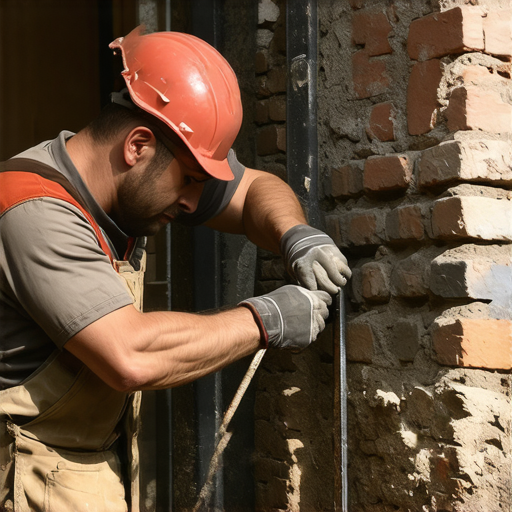
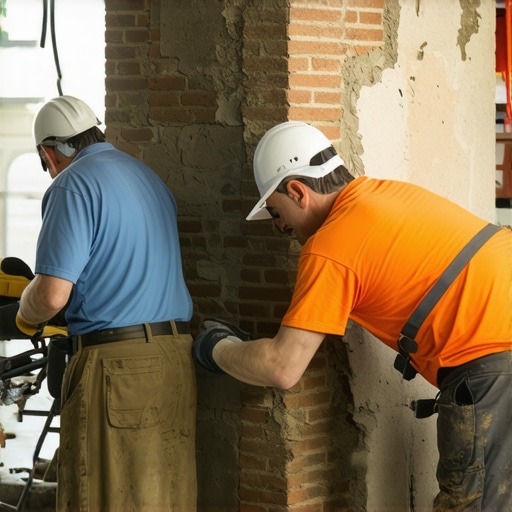
Concrete Patch & Tuckpointing Experts | Trusted Masonry Repairs
Elevating Masonry Integrity through Expert Concrete Patch and Tuckpointing Techniques
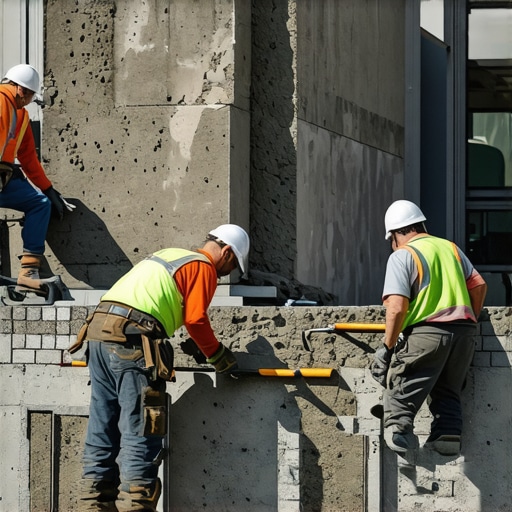
In the realm of masonry restoration, the emphasis on durable, aesthetically pleasing, and structurally sound repairs has never been more critical. Contemporary challenges such as environmental stressors, material degradation, and aesthetic demands necessitate a sophisticated understanding of concrete patching, tuckpointing, and facade cleaning. As a seasoned masonry expert, I will delve into the nuanced intricacies of these processes, illustrating how strategic application can significantly extend the lifespan of masonry structures.
The Synergistic Role of Concrete Patching in Structural Fortification
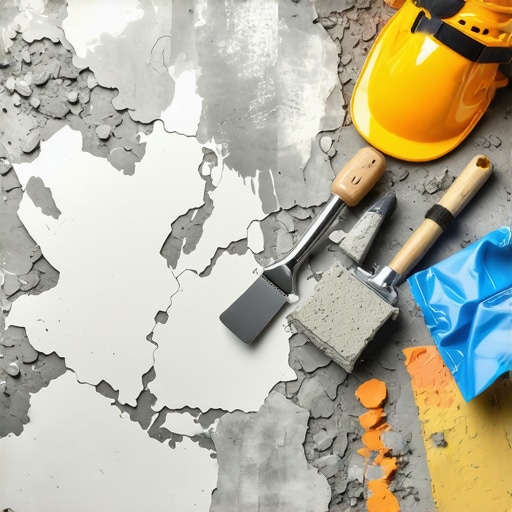
Concrete patching is not merely a surface fix but a foundational step in maintaining structural integrity. Modern patching compounds, especially those with advanced polymer matrices, offer superior adhesion, flexibility, and resistance to environmental wear. Proper surface preparation, including cleaning and profiling, is vital to ensure bond strength and longevity. For detailed strategies on effective patching, consult our expert guide to concrete patch strategies.
Refined Tuckpointing as a Pillar of Masonry Longevity
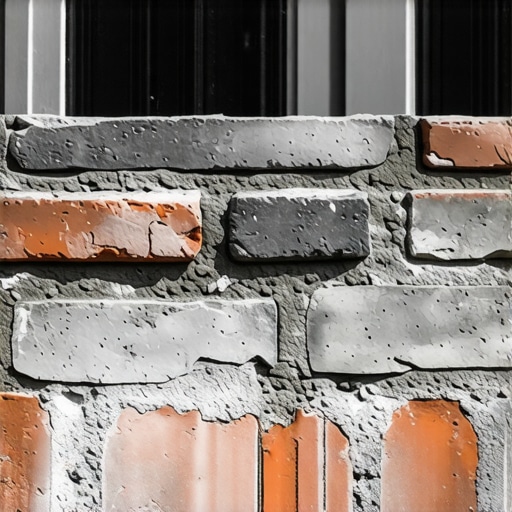
Tuckpointing, when executed with precision, transforms the aesthetic appeal and structural resilience of brickwork. The use of high-quality mortar mixes, matched meticulously to existing materials, is paramount. Modern tuckpointing also involves the integration of moisture management systems within joint repairs to prevent future deterioration. For comprehensive insights, explore our trusted foundation tuckpointing techniques.
Facade Cleaning: Beyond Aesthetic Enhancement
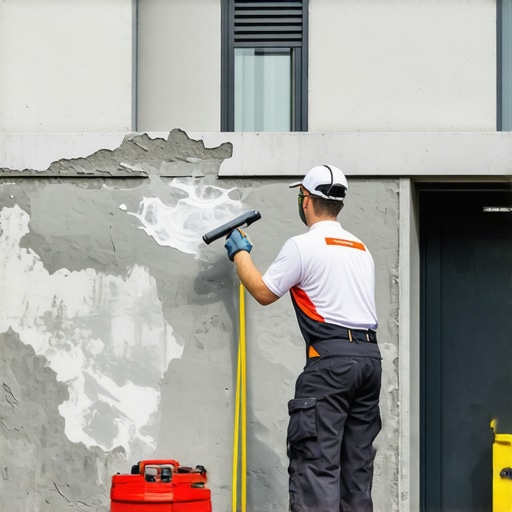
Facade cleaning combines chemical and mechanical methods to remove pollutants, biological growth, and surface grime, thereby restoring visual appeal and inhibiting further deterioration. Advanced cleaning methods such as low-pressure hydro-jetting and eco-friendly chemical treatments are preferred for their efficacy and preservation of material integrity. This process also prepares surfaces for subsequent sealing or finishing, ensuring durability. For expert guidance, review our facade cleaning and restoration insights.
Why do some masonry repairs fail prematurely despite expert application?
This question underscores the importance of understanding material compatibility, environmental exposure, and installation techniques. Failures often stem from neglecting surface preparation, using incompatible materials, or insufficient curing time. Continuous professional development and adherence to best practices, supported by ongoing research such as the latest ASTM standards, are essential for durable results. For peer-reviewed standards and guidelines, see the American Society for Testing and Materials.
To ensure your masonry projects achieve long-lasting durability, consider engaging with specialized content or consulting industry experts. Sharing insights and experiences in this field fosters innovation and elevates standards across the industry.
Unlocking Advanced Techniques in Masonry Restoration
As masonry professionals, our goal extends beyond simple repairs; we aim to create structures that withstand the test of time while maintaining aesthetic appeal. Modern advancements in materials and methods allow us to achieve superior results. For example, integrating cutting-edge polymer-modified concrete patches enhances adhesion and flexibility, thus reducing the risk of future cracking. Proper surface preparation, including thorough cleaning and profiling, is essential to maximize bond strength. To explore these techniques in detail, visit our expert guide to concrete patch strategies.
Precision in Tuckpointing Elevates Structural Resilience
Executing tuckpointing with high precision not only revitalizes brickwork but also fortifies it against environmental stressors. Selecting high-quality, compatible mortar mixes is crucial. Additionally, incorporating moisture management systems within joints can prevent water ingress—a leading cause of deterioration. Advanced tuckpointing techniques also involve the use of specialized tools for better control and consistency. For comprehensive insights, review our trusted foundation tuckpointing techniques.
Innovative Façade Cleaning Methods for Lasting Impact
Facade cleaning has evolved from basic chemical wash to sophisticated systems that preserve material integrity while removing pollutants. Low-pressure hydro-jetting combined with eco-friendly chemical treatments ensures effective cleaning without damaging surfaces. This process not only restores visual appeal but also prepares surfaces for sealing, enhancing durability. For expert recommendations, see our facade cleaning and restoration insights.
What are the common pitfalls that undermine masonry repair longevity despite expert application?
This question highlights the importance of understanding material compatibility, environmental factors, and proper installation techniques. Failures often occur when surface preparation is neglected, incompatible materials are used, or curing times are insufficient. Staying updated with industry standards, such as those from the American Society for Testing and Materials, is vital for ensuring durable results. Continuous education and adherence to best practices are foundational to success.
To further enhance your masonry projects, consider engaging with specialized content or consulting industry experts. Sharing insights fosters innovation and elevates the overall industry standards. For example, exploring advanced facade cleaning strategies can be found at our facade restoration insights.
Mastering the Art of Masonry Reinforcement with Cutting-Edge Materials
As the backbone of enduring masonry structures, reinforcement techniques have evolved dramatically, integrating advanced materials like fiber-reinforced polymers (FRPs) and nano-modified mortars. These innovations not only enhance tensile strength and crack resistance but also offer superior corrosion resistance, which is crucial in harsh environmental conditions. For instance, the use of carbon fiber wraps in historic brick facades can dramatically restore structural integrity without altering aesthetic value. In practice, meticulous surface preparation—removing old mortar and contaminants—is essential to ensure optimal bonding and longevity. Discover more about these next-generation reinforcement methods in our comprehensive guide to masonry reinforcement.
Precision Tuckpointing That Prevents Future Deterioration
Expert tuckpointing now involves a nuanced understanding of joint dynamics and moisture control. Implementing flexible, breathable mortar mixes that accommodate thermal expansion reduces the risk of cracking and water ingress over time. Additionally, integrating moisture barriers such as vapor-permeable membranes within joints can significantly extend the lifespan of brickwork, especially in freeze-thaw climates. Skilled use of automated tooling and color-matching techniques ensures a seamless repair that maintains visual consistency while providing robust protection. For insights into these sophisticated techniques, explore our expert tuckpointing strategies.
Innovative Facade Cleaning That Combines Eco-Friendliness and Effectiveness
Modern facade cleaning prioritizes sustainability alongside efficacy. Using environmentally friendly chemical formulations coupled with low-pressure hydro-jetting minimizes surface damage and chemical runoff, safeguarding surrounding ecosystems. Moreover, incorporating biocidal treatments that target biological growth such as algae or lichens prevents recurrence and maintains the facade’s pristine appearance longer. The process also involves careful surface profiling, which enhances subsequent sealing or coating adhesion, ultimately bolstering resistance against pollutants and weathering. For a detailed overview of these advanced cleaning techniques, visit our sustainable facade cleaning insights.
What role do environmental factors play in the selection of masonry repair materials?
This critical question underscores the importance of understanding local climate, pollution levels, and exposure to moisture when choosing repair materials. For example, in coastal areas, materials must resist salt corrosion, while in urban environments, chemical resistance becomes paramount. Leveraging data from authoritative sources such as the ASTM International standards (e.g., ASTM C1780 for repair materials) ensures that selected compounds meet rigorous durability criteria. Tailoring material choice to environmental context not only prolongs the lifespan of repairs but also reduces maintenance costs over decades. To stay informed about the latest standards, consult the American Society for Testing and Materials.
Innovative Reinforcement Methods Transform Masonry Durability
Modern reinforcement strategies harness cutting-edge materials like fiber-reinforced polymers (FRPs) and nano-enhanced mortars, which significantly improve tensile strength and crack resistance. These advancements enable preservation of historic facades while meeting contemporary structural demands. For expert insights, consult the comprehensive resource at Advanced Masonry Reinforcement.
Moisture Management Revolutionizes Tuckpointing Longevity
Implementing flexible, breathable mortar mixes integrated with vapor-permeable membranes within joints is now standard practice to prevent water ingress and freeze-thaw damage. Such meticulous moisture control enhances the lifespan of brickwork, especially in variable climates. Discover detailed methodologies at Advanced Tuckpointing Strategies.
How Do Eco-Friendly Cleaning Solutions Safeguard Masonry?
Eco-conscious facade cleaning employs low-pressure hydro-jetting combined with biodegradable chemical agents, effectively removing pollutants while preserving material integrity. These methods also incorporate biocidal treatments to inhibit biological growth, ensuring long-term aesthetic and structural benefits. Explore the latest sustainable cleaning techniques at Sustainable Masonry Cleaning.
What environmental factors influence the choice of repair materials in diverse climates?
Choosing appropriate masonry repair materials requires an understanding of local environmental conditions such as salinity in coastal zones or pollution levels in urban settings. Materials must meet specific standards like ASTM C1780 to resist corrosion and weathering. Tailored solutions enhance durability and reduce future maintenance costs. For authoritative standards, visit ASTM International.
Expert Insights & Advanced Considerations
Precision Matters in Material Compatibility
Choosing repair materials that match the original masonry’s physical and chemical properties is vital. Modern polymer-modified mortars and specialized bonding agents ensure long-term adhesion and structural stability, reducing the risk of future deterioration.
Environmental Adaptation Enhances Longevity
Understanding local climate conditions, such as salt exposure in coastal regions or pollution in urban areas, guides the selection of appropriate repair compounds. Tailoring solutions according to environmental stressors enhances durability and minimizes maintenance costs.
Innovative Reinforcement Techniques Elevate Structural Integrity
Integrating advanced reinforcement materials like fiber-reinforced polymers (FRPs) and nano-enhanced mortars can restore historic facades while meeting modern safety standards. These materials offer superior tensile strength and corrosion resistance, extending the lifespan of masonry structures.
Moisture Management is Critical for Future Protection
Implementing vapor-permeable membranes and flexible joint mortars prevents water ingress and freeze-thaw damage. Effective moisture control is essential in maintaining the integrity of tuckpointed joints and patched areas.
Eco-Friendly Cleaning Methods Preserve Material Integrity
Utilizing biodegradable, low-pressure cleaning systems combined with biological inhibitors ensures pollutants are removed without damaging the masonry surface. These sustainable practices support long-term preservation efforts.
Curated Expert Resources
- ASTM International Standards: Provides comprehensive guidelines and testing standards for masonry repair materials and techniques, ensuring compliance and durability.
- National Masonry Association Publications: Offers peer-reviewed articles, technical reports, and industry best practices for advanced restoration methods.
- Research Journals on Materials Science: Features the latest breakthroughs in nano-technology and polymer composites applicable to masonry reinforcement.
- Specialized Training Programs: Hands-on courses from recognized masonry institutes, focusing on cutting-edge repair and reinforcement techniques.
Final Expert Perspective
In mastering masonry restoration, integrating advanced materials and precision techniques significantly boosts the longevity and resilience of structures. The key lies in understanding environmental influences, employing innovative reinforcement, and adhering to industry standards. For professionals committed to excellence, continuous learning and strategic application of these insights are essential. Engage with these resources, share your expertise, and contribute to elevating the standards within this specialized field.
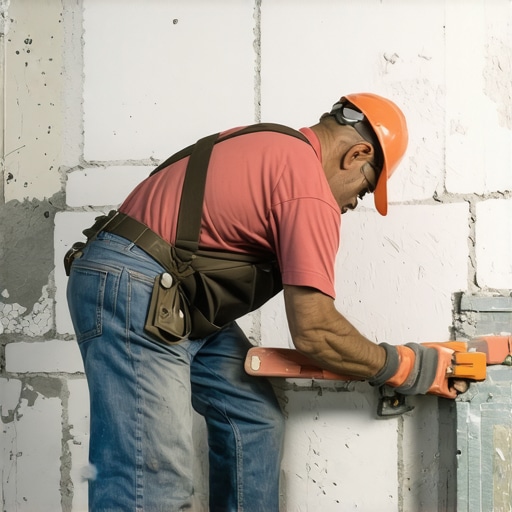
This article does a great job highlighting the importance of precision in masonry repairs and the role of advanced materials. I especially appreciate the emphasis on proper surface preparation and material compatibility, which are often overlooked but critically impact long-term durability. In my experience working on historic brick buildings, integrating nano-modified mortars and fiber-reinforced polymers has significantly improved structural resilience without compromising aesthetic appeal. The focus on environmental factors also resonates, as coastal and urban settings demand tailored solutions to mitigate salt corrosion and pollution effects. I wonder, what are some of the most effective methods you’ve seen for ensuring moisture management in these complex environments? Sharing practical strategies could help professionals better adapt their techniques to diverse climates and extend the lifespan of their restorations.