Expert Concrete Patch & Masonry Repair for Lasting Durability
Mastering the Art of Concrete Patching and Masonry Restoration for Structural Longevity
In the realm of structural integrity, expert masonry repair transcends simple patchwork, demanding a nuanced understanding of material science, environmental impacts, and long-term performance. Concrete patching, tuckpointing, and facade cleaning are not isolated tasks but integral components of a cohesive strategy aimed at safeguarding foundational stability and aesthetic appeal. This article delves into sophisticated techniques and insights that elevate masonry repair from routine maintenance to a science-based craft.
Evaluating Material Compatibility for Optimal Concrete Patch Performance
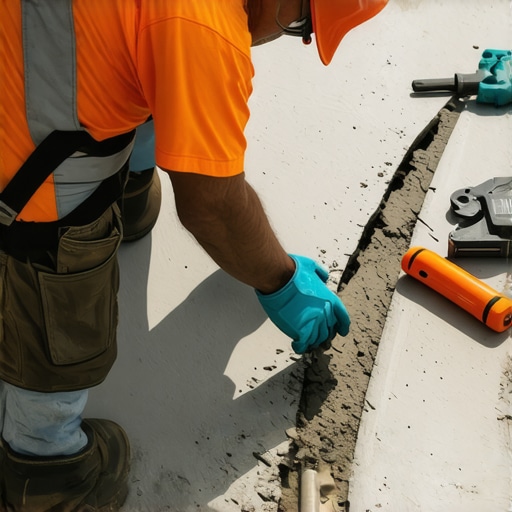
One of the key challenges in professional masonry repair involves selecting materials that harmonize with existing substrates. Modern concrete patches must exhibit superior adhesion, flexibility, and resistance to environmental stressors. Experts often turn to high-performance polymer-modified mortars, which provide enhanced bonding and crack-bridging capabilities. Trusted concrete patch solutions incorporate these advancements to ensure durability and minimize future deterioration.
Innovative Tuckpointing Techniques Improve Structural Resilience
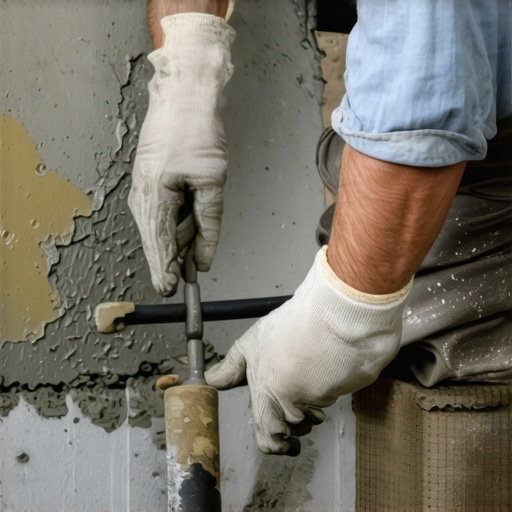
Tuckpointing, traditionally viewed as a cosmetic fix, now plays a pivotal role in maintaining the structural integrity of masonry walls. Advanced tuckpointing strategies prioritize the removal of deteriorated mortar, followed by precise application of compatible, low-permeability mortar mixes. This process prevents water ingress, which is often the root cause of freeze-thaw damage and efflorescence. Expert tuckpointing tips emphasize the importance of matching the original mortar’s compressive strength and thermal expansion properties to prevent future cracking.
How Does Facade Cleaning Contribute to Long-Term Masonry Preservation?
Facade cleaning is more than aesthetic maintenance; it is a preventive measure against bio-growth, pollutants, and surface erosion. High-grade cleaning strategies involve gentle, chemical-free methods or low-pressure washing to preserve the integrity of historic or delicate masonry surfaces. Proper cleaning enhances the adhesion of subsequent repairs and reveals underlying issues that may require targeted intervention. For comprehensive insights, refer to trusted facade cleaning strategies.
What are the latest advancements in foundation repair that ensure long-lasting stability?
Recent innovations in foundation repair include underpinning techniques utilizing helical piers and polyurethane foam injections, which provide immediate load transfer and minimal surface disruption. These methods are suitable for a variety of soil conditions and can be tailored for residential or commercial structures. Field-tested by industry leaders, these solutions demonstrate superior longevity compared to traditional methods. For detailed foundation repair insights, visit effective concrete patch foundation restoration.
To further enhance your masonry expertise, explore comprehensive guides and participate in professional forums to share insights and innovations in concrete patching and facade preservation.
Uncover Hidden Damage Before It Becomes a Crisis
One of the most overlooked aspects of masonry maintenance is the early detection of underlying issues. Cracks, efflorescence, and mortar deterioration often signal deeper structural concerns that, if ignored, can lead to costly repairs and compromised safety. Advanced diagnostic tools such as infrared thermography and moisture meters allow professionals to identify moisture intrusion and thermal anomalies that aren’t visible to the naked eye. This proactive approach not only preserves the integrity of your masonry but also guides targeted interventions. For expert advice on early detection, consult trusted masonry restoration insights that emphasize the importance of early diagnosis.
Why Material Selection Can Make or Break Your Repair’s Longevity
Choosing the right materials extends beyond aesthetics; it’s about ensuring compatibility and durability. Modern advancements have introduced innovative composites like epoxy injections and flexible sealants that accommodate structural movement and environmental stresses. For instance, epoxy resin injections can effectively stabilize cracked concrete and fill voids, preventing future deterioration. Additionally, selecting mortar mixes with high thermal expansion properties ensures that tuckpointing withstands seasonal temperature fluctuations without cracking. For comprehensive guidance on material compatibility and expert recommendations, explore expert concrete patch foundation restoration.
Enhancing Aesthetic Appeal While Boosting Durability
Facade cleaning isn’t just about appearance; it’s a crucial step in maintaining surface integrity. Using eco-friendly, low-pressure cleaning techniques helps remove pollutants and biological growth without damaging historic masonry. When combined with strategic tuckpointing, these efforts significantly improve the durability and visual appeal of your property. Proper cleaning also reveals subtle surface issues that require attention, preventing them from escalating. For more on effective facade cleaning strategies, visit trusted facade cleaning strategies.
How Precision Tuckpointing Prevents Long-Term Masonry Failures
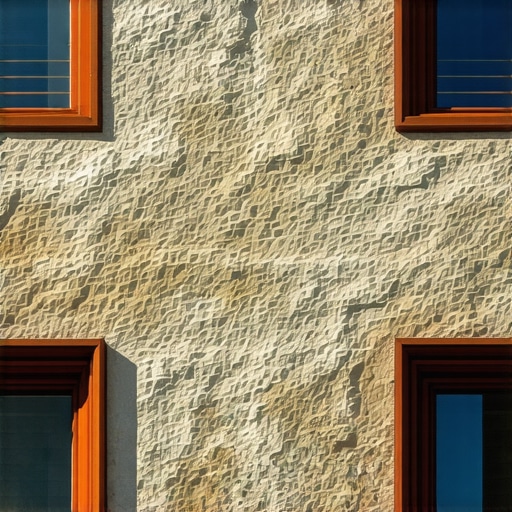
While tuckpointing is often perceived as a cosmetic touch-up, its role in fortifying masonry structures cannot be overstated. Precision in mortar matching—not just in color but in strength, elasticity, and thermal expansion—is essential to prevent future cracking and water ingress. Modern techniques leverage computer-aided mortar mixing and real-time consistency checks, ensuring that each tuckpointing application seamlessly integrates with existing masonry, thereby extending the lifespan of the wall. Experts also recommend incorporating flexible sealants in joints to accommodate structural movement, especially in seismic zones or temperature-variable climates.
The Science Behind Material Compatibility in High-Performance Masonry Repair
Choosing compatible materials is akin to ensuring a harmonious relationship between structural elements. Recent advances include the use of polymer-modified mortars and epoxy resins that bond effectively with aged masonry substrates, providing enhanced crack-bridging capability and tensile strength. According to the National Institute of Standards and Technology (NIST), these materials significantly reduce the risk of delamination and surface spalling. Furthermore, the incorporation of nanotechnology-infused additives has demonstrated increased durability and resistance to environmental degradation, especially in coastal or industrial settings. For optimal results, professional assessment of substrate conditions and tailored material selection are crucial steps in complex repairs.
Can Infrared Thermography Detect Hidden Masonry Damage?
Infrared thermography has emerged as a game-changer in early detection of structural anomalies. By visualizing temperature differentials caused by moisture intrusion, voids, or delaminated layers, this technology reveals issues that are invisible to the naked eye. For example, moisture-laden areas tend to retain heat longer, indicating potential water ingress pathways that might lead to freeze-thaw damage if unaddressed. This non-destructive diagnostic tool enables engineers to pinpoint exact locations for targeted repairs, saving time and reducing unnecessary surface interventions. For further insights, consult the comprehensive report by the Infrared Thermography User’s Guide.
Enhancing Durability with Modern Sealants and Epoxy Injections
Modern sealants, especially those with high elasticity and low permeability, are vital in preventing water infiltration and controlling structural movement. Polyurethane and silicone-based sealants are favored for their durability and UV resistance, making them suitable for exterior applications. When dealing with cracks and voids, epoxy injections serve as structural adhesives that restore load-bearing capacity and prevent further deterioration. The key to success lies in meticulous surface preparation, correct injection techniques, and curing protocols that maximize bond strength. As industry standards evolve, integrating these materials into comprehensive repair strategies ensures both immediate stability and long-term resilience.
Integrating Aesthetic Preservation with Structural Innovation
In historic masonry preservation, the challenge often lies in balancing aesthetic authenticity with structural integrity. Advances in minimally invasive cleaning techniques—such as laser cleaning—allow conservators to remove pollutants without damaging delicate surfaces. Coupled with the use of compatible, breathable mortar mixes, these methods safeguard the original craftsmanship while enhancing durability. Moreover, the adoption of 3D scanning and modeling enables precise mapping of deterioration patterns, guiding targeted interventions that respect the structure’s historic fabric. For property owners and restoration professionals, embracing these innovations means securing both the visual legacy and structural soundness of masonry edifices.
Harnessing Cutting-Edge Materials for Superior Masonry Resilience
In the pursuit of long-lasting masonry repairs, the integration of innovative materials such as nanotechnology-enhanced mortars and bio-inert sealants has revolutionized the industry. These advanced composites offer unparalleled strength, flexibility, and environmental resistance, significantly extending the lifespan of repaired structures. Experts now utilize polymer-modified mortars that adapt dynamically to substrate movements, reducing crack proliferation and ensuring seamless integration with existing masonry.
Can Digital Diagnostics Elevate Your Restoration Approach?
Modern diagnostic tools like ground-penetrating radar and ultrasonic testing provide non-invasive insights into hidden damage and material degradation. These technologies enable professionals to map internal voids, delaminations, and moisture intrusion with precision, informing targeted interventions that preserve the structural integrity without unnecessary surface disruption. According to a comprehensive study by the Structural Engineering Institute, such diagnostic advancements have reduced repair costs by up to 30% while improving long-term outcomes.
What Are the Expert Techniques for Preventing Future Masonry Failures?
Preventive strategies hinge on meticulous surface preparation, optimal material selection, and environmental control. Implementing continuous moisture management systems, incorporating flexible sealants that accommodate thermal expansion, and employing real-time monitoring sensors can preempt deterioration. The use of adaptive tuckpointing with breathable mortar mixes not only enhances aesthetic appeal but also acts as a barrier against water ingress, which is often the catalyst for structural failure.
Why Is Surface Preservation Critical in Historic Masonry Projects?
Historic masonry demands a delicate balance between maintaining authenticity and ensuring durability. Innovations such as laser cleaning and biocide treatments allow conservators to remove pollutants and biological growth gently, preventing surface erosion. Coupled with the application of compatible, permeable mortars, these techniques safeguard the original craftsmanship while enhancing longevity. For detailed methodologies, consult the National Trust’s guidelines on heritage masonry preservation.
Unlocking the Potential of Structural Reinforcements
Structural reinforcements like carbon fiber wraps and helical steel piers have become essential in restoring compromised masonry walls. These solutions deliver high tensile strength without adding significant load, making them ideal for retrofitting existing structures. Recent studies highlight that hybrid systems combining traditional masonry with fiber-reinforced polymers can achieve load capacities 50% higher than conventional methods, dramatically improving resilience under seismic or wind stress.
Integrating Sustainability into Masonry Restoration
Eco-conscious repair practices incorporate sustainable materials such as recycled aggregates and low-VOC sealants. Additionally, employing thermal insulation within masonry cavities enhances energy efficiency while protecting against environmental stressors. Advanced moisture control systems, paired with permeable coatings, facilitate vapor exchange, preventing trapped moisture that accelerates deterioration. Industry leaders advocate for sustainable practices that do not compromise structural integrity but promote ecological responsibility.
Embrace Innovation for Future-Ready Masonry Solutions
The evolution of masonry repair hinges on the adoption of interdisciplinary approaches combining material science, digital technology, and conservation principles. By leveraging these advancements, professionals can deliver repairs that stand the test of time, adapt to environmental challenges, and respect historical integrity. To stay ahead in this field, engage with specialized training programs, subscribe to industry journals, and participate in expert forums dedicated to masonry innovation.
Innovative Approaches Boost Masonry Longevity
Integrating advanced material science, digital diagnostics, and sustainable practices can dramatically enhance the lifespan of masonry structures. Cutting-edge polymer-modified mortars, for instance, provide superior adhesion and flexibility, reducing crack formation over time. Utilizing infrared thermography enables early detection of hidden moisture or delamination, allowing targeted repairs before deterioration accelerates.
Invest in Material Compatibility
Choosing the right materials, such as nanotechnology-infused mortars or epoxy injections, ensures optimal bonding and resilience. These materials adapt dynamically to environmental stresses, significantly increasing repair durability. Experts recommend comprehensive substrate assessments to tailor material selection for each unique project.
Leverage Digital Tools for Precision
Ultrasonic testing and ground-penetrating radar help identify internal voids and structural weaknesses non-invasively. This technology informs precise interventions, minimizing surface disruption and ensuring repairs address the root causes of damage.
Prioritize Sustainable Preservation
Implement eco-friendly sealants and permeable mortars that allow vapor exchange while resisting moisture ingress. Such practices not only extend masonry life but also align with environmental stewardship goals.
Curated Resources for Mastery
- National Institute of Standards and Technology (NIST): Provides research on advanced materials and testing methods for masonry repair.
- Infrared Thermography User’s Guide: Essential for understanding non-destructive diagnostics in structural assessments.
- Heritage Masonry Preservation Guidelines: Offers expert advice on conserving historic structures with modern techniques.
The Final Word on Masonry Excellence
Mastering concrete patching, tuckpointing, and facade cleaning demands a strategic blend of innovation, precision, and sustainability. Embracing these expert insights ensures your masonry projects not only stand the test of time but also exemplify professional mastery. Engage with specialized resources, share your experiences, and push the boundaries of traditional masonry repair to achieve enduring success.
This article offers a comprehensive overview of the critical aspects of masonry repair, especially highlighting the importance of material compatibility and innovative techniques. From my experience working with historic buildings, the emphasis on minimally invasive cleaning and precise tuckpointing really resonates. I’ve seen how modern polymer-modified mortars, when matched correctly, greatly extend the lifespan of masonry structures, particularly in climates with harsh seasonal shifts. One challenge I often face is assessing the subtle signs of underlying damage before visible issues appear. Infrared thermography and moisture meters have been game changers in early detection, saving both time and costs in the long run. Has anyone here integrated digital diagnostics into their routine inspections? I’d love to hear about effective strategies and how these tools have impacted your project planning and outcomes.