Concrete Patch & Repair: Proven Strategies for Lasting Durability
Maximizing Structural Integrity Through Expert-Driven Concrete Patch Techniques
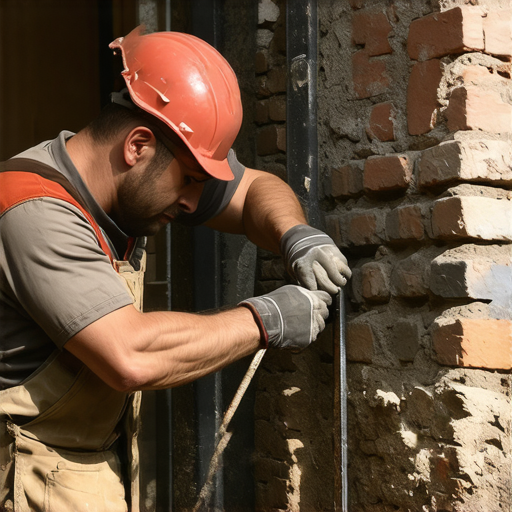
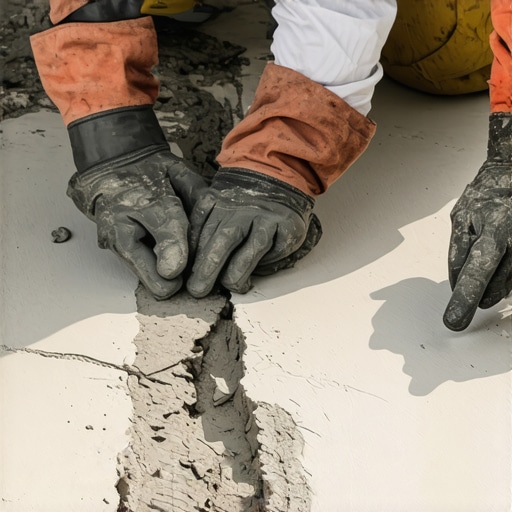
In the realm of masonry repair and restoration, precision and expertise are paramount. Concrete patching, when executed with advanced methods, can significantly extend the lifespan of structures by addressing underlying issues before surface aesthetics are considered. Skilled application of high-quality patch materials, coupled with a thorough understanding of substrate preparation, ensures a durable bond that resists environmental stressors. For instance, proper curing and sealing of patched areas prevent water ingress, a common cause of deterioration, thereby safeguarding foundational stability over time.
Innovative Tuckpointing Practices for Enhanced Masonry Longevity
Traditional tuckpointing has evolved into a sophisticated craft that combines meticulous mortar matching with advanced pointing techniques. Employing polymer-modified mortars and utilizing controlled tooling processes improve joint resilience against freeze-thaw cycles and physical wear. Experts also emphasize the importance of assessing mortar compatibility with existing masonry to prevent bond failure, which can compromise structural integrity. For a comprehensive approach, integrating tuckpointing with facade cleaning elevates the overall durability and aesthetic appeal of masonry surfaces, as detailed in industry-leading publications like the Ultimate Guide to Facade Cleaning and Tuckpointing.
Addressing Foundation Challenges with Precision and Forethought
Foundation stability underpins the entire structure, making proper repair protocols essential. Modern foundation repair strategies involve diagnostic assessments that detect subtle shifts or cracks indicating deeper issues. Implementing expert-grade concrete patching combined with underpinning techniques can restore load-bearing capacity. Advanced materials such as epoxy injections and carbon fiber reinforcements are increasingly favored for their high strength-to-weight ratios and minimal invasiveness. These methods not only stabilize the foundation but also prevent future settlement problems that threaten long-term durability, as discussed in expert guides on foundation repair.
How Can Modern Masonry Restoration Techniques Surpass Traditional Methods in Resilience?
Modern masonry restoration integrates cutting-edge materials and diagnostic tools, moving beyond traditional practices that often fail to address root causes of deterioration. For example, incorporating moisture barriers and corrosion inhibitors during tuckpointing and patching processes significantly reduces future maintenance costs. Additionally, employing digital structural analysis allows for tailored repair solutions that align with the specific stress profiles of each property, ultimately delivering superior durability and value. Industry experts continually refine these strategies, ensuring that property owners benefit from resilient solutions that stand the test of time.
For further insights into advanced masonry repair techniques, explore trusted exterior repair tips. Engaging with professional masonry specialists can help in designing comprehensive maintenance plans that incorporate these innovative strategies, ensuring your property’s longevity and aesthetic appeal.
Harnessing Advanced Materials for Superior Masonry Restoration
In the ongoing quest for durability and longevity, modern masonry repair increasingly relies on innovative materials that outperform traditional options. High-performance grouts, such as epoxy resins and polymer-modified mortars, provide enhanced bonding strength and flexibility, crucial for accommodating structural movements without cracking. These materials also resist water intrusion and environmental wear, which are primary causes of deterioration. For property owners and contractors alike, integrating these advanced solutions can dramatically extend the lifespan of masonry surfaces, especially when combined with meticulous substrate preparation—an essential step often overlooked in DIY approaches. To explore effective strategies, consult expert concrete patch and foundation restoration techniques.
Elevating Tuckpointing Techniques for Long-Lasting Results
Modern tuckpointing transcends simple mortar replacement by emphasizing the importance of chemistry and precision in matching existing joints. Incorporating polymer-modified mortars and controlled tooling ensures a resilient joint that withstands freeze-thaw cycles and physical impacts. An often underestimated aspect is assessing mortar compatibility with existing masonry—using incompatible materials can lead to bond failure and further deterioration. Combining tuckpointing with facade cleaning not only preserves aesthetic appeal but also fortifies masonry against future damage, as discussed in trusted facade cleaning and tuckpointing strategies. Additionally, employing digital moisture analysis tools helps identify hidden vulnerabilities, enabling tailored repairs that enhance overall durability.
Can Digital Diagnostics Transform Masonry Maintenance?
Integrating digital diagnostic tools such as infrared thermography and structural analysis software offers a new dimension in masonry preservation. These technologies detect moisture infiltration, micro-cracks, and areas of stress that are invisible to the naked eye, guiding targeted interventions. This proactive approach minimizes invasive repairs and ensures that repairs address root causes rather than superficial symptoms. Experts argue that such precision not only prolongs the structural integrity but also optimizes maintenance budgets, making repairs more predictable and effective. For a comprehensive understanding of these innovations, explore trusted exterior repair insights. Embracing these digital tools elevates the standard of masonry restoration and builds resilience against future challenges.
Leveraging Cutting-Edge Adhesives for Seamless Masonry Repair
As the field of masonry restoration advances, the adoption of innovative adhesive technologies has revolutionized how professionals approach repairs. Modern epoxy and polyurethane-based adhesives offer unparalleled bonding strength, flexibility, and resistance to environmental stressors, ensuring that repaired joints and patches withstand the test of time. For instance, high-performance epoxies with rapid curing times enable contractors to perform repairs with minimal downtime, which is crucial for large-scale projects or urgent restorations. Additionally, these adhesives are formulated to accommodate substrate movement, reducing the risk of crack formation post-repair.
What are the latest developments in masonry adhesive technology that significantly improve repair durability?
Recent breakthroughs include the development of hybrid polymer adhesives that combine the best properties of epoxies and polyurethanes. These materials demonstrate exceptional adhesion to diverse masonry substrates, including brick, stone, and concrete, even under challenging conditions such as high humidity or temperature fluctuations. According to a 2022 study published in the Journal of Construction Materials, these hybrid adhesives exhibit superior tensile strength and flexibility, essential for dynamic structures prone to thermal expansion and contraction. For property owners and restoration specialists, integrating these advanced adhesives into repair protocols enhances overall structural resilience and reduces future maintenance costs.
Harnessing Digital Fabrication for Custom Masonry Components
The integration of digital fabrication methods, such as 3D printing and CNC machining, allows for the creation of bespoke masonry components that perfectly match original designs, especially in restoration projects involving historic structures. These techniques enable precise reproduction of intricate stone carvings or brick patterns, maintaining aesthetic integrity while ensuring compatibility with existing materials. Moreover, digital workflows facilitate rapid prototyping and on-site adjustments, streamlining the restoration process and minimizing delays. This technological synergy exemplifies how innovation can preserve architectural heritage without compromising durability.
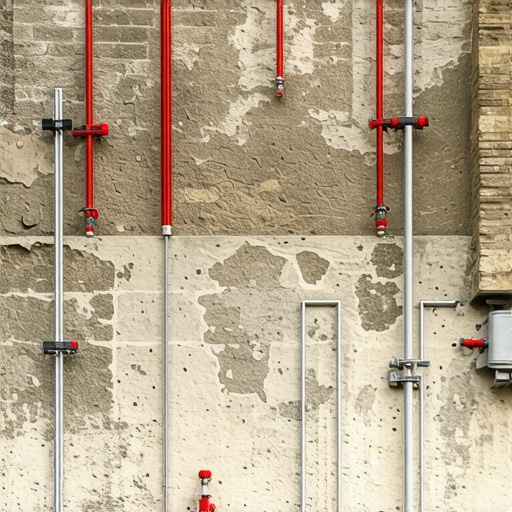
Image illustrating 3D-printed decorative masonry elements next to traditional stonework, highlighting the blend of old and new techniques in restoration.
Advanced Moisture Management Strategies for Masonry Preservation
Moisture intrusion remains one of the most significant threats to masonry longevity. To combat this, experts now employ sophisticated moisture management systems that include vapor-permeable, water-resistant barriers, coupled with intelligent drainage solutions. These systems facilitate the escape of internal moisture while preventing external water ingress, thus protecting the substrate from freeze-thaw damage and biological growth. Additionally, the use of hydrophobic treatments and breathable sealants enhances the masonry’s ability to withstand moisture-related deterioration without trapping water inside the structure.
How do modern moisture management technologies outperform traditional waterproofing approaches in masonry preservation?
Traditional waterproofing methods often involve impermeable coatings that can trap moisture within the masonry, leading to internal damage over time. In contrast, modern vapor-permeable barriers allow moisture vapor to escape, reducing internal stress and prolonging the structural life. The integration of smart sensors and IoT-enabled moisture monitors further allows real-time assessment of moisture levels, enabling proactive maintenance before significant damage occurs. This shift toward intelligent moisture control systems signifies a transformative step in masonry preservation, emphasizing sustainability and long-term durability.
For those interested in adopting these innovative solutions, consulting with specialists in masonry environmental controls can provide tailored strategies that align with specific structural needs and environmental conditions. Embracing these advanced moisture management approaches ensures your masonry investments are protected against one of their most persistent enemies—water.
Harnessing Nano-Technology for Enhanced Masonry Bonding
Recent advancements in nano-engineering have introduced innovative bonding agents that significantly outperform traditional mortars and adhesives. Nano-structured coatings and sealants exhibit superior penetration capabilities, creating molecular bonds that enhance durability and resistance to environmental factors such as moisture, salt, and pollutants. These materials also facilitate flexibility, reducing cracking risks over time. Industry leaders like NanoSolutions Inc. have pioneered the integration of nano-technology into masonry repair products, setting new standards for longevity and performance.
Integrating Smart Sensors for Proactive Masonry Maintenance
The emergence of IoT-enabled sensor technology offers unprecedented insights into the health of masonry structures. Embedded within patches or tuckpointed joints, these sensors monitor parameters such as moisture levels, thermal stress, and crack propagation in real-time. By leveraging data analytics, maintenance teams can predict failure points before visible deterioration occurs, enabling timely interventions that prevent costly repairs. This proactive approach aligns with the principles outlined by Structura’s research in structural health monitoring, revolutionizing traditional reactive maintenance methods.
What specific sensor technologies are revolutionizing masonry diagnostics today?
Advanced fiber optic sensors and wireless acoustic emission devices are at the forefront, offering high sensitivity and remote monitoring capabilities. These tools detect micro-cracks and structural shifts with exceptional precision, providing actionable data for restoration professionals. Integrating these sensors into a comprehensive maintenance plan dramatically extends the lifespan of masonry structures, making renovations more strategic and less invasive.
Engage with specialists in smart masonry solutions to discover how these technologies can safeguard your investments against hidden deterioration and extend structural resilience.
Expert Insights & Advanced Considerations
Prioritize Substrate Compatibility to Prevent Future Failures
Ensuring the compatibility of repair materials with existing masonry substrates is crucial. Using incompatible mortars or patches can lead to bond failure, cracking, and structural vulnerabilities over time. Experts recommend conducting thorough assessments and utilizing material matching techniques to achieve seamless integration and long-lasting results.
Implement Modern Moisture Control to Extend Masonry Lifespan
Water intrusion remains a top threat to masonry durability. Advanced moisture management systems, including vapor-permeable barriers and intelligent drainage solutions, allow moisture to escape while preventing water ingress. These innovations significantly reduce freeze-thaw damage and biological growth, safeguarding structural integrity.
Leverage Nanotechnology for Superior Bonding and Resistance
Nanostructured coatings and sealants provide molecular-level bonding with masonry surfaces, enhancing resistance to moisture, salts, and pollutants. These cutting-edge materials offer increased flexibility, reducing cracking risks, and improving overall repair longevity, marking a new frontier in masonry restoration.
Utilize Digital Structural Analysis for Precise Repairs
Digital tools like infrared thermography and structural health monitoring sensors enable real-time diagnostics of hidden issues such as micro-cracks and moisture pockets. These insights allow for targeted interventions, minimizing invasive repairs and optimizing maintenance budgets, ultimately preserving masonry integrity more effectively.
Curated Expert Resources
- National Institute of Standards and Technology (NIST) Masonry Research: Offers cutting-edge research on materials and structural analysis techniques, essential for high-level restoration planning.
- Journal of Structural Engineering: Publishes peer-reviewed studies on innovative repair materials and methods, providing scientific backing for advanced practices.
- NanoSolutions Inc.: Industry leader in nano-engineered masonry products, pioneering bonds that outperform traditional options in durability and resistance.
- Masonry Institute Technical Guidelines: Provides comprehensive standards and best practices for modern masonry repair, including moisture management and material compatibility.
- Structura Structural Health Monitoring: Offers insights into sensor technologies and digital diagnostics that revolutionize proactive masonry maintenance.
Final Expert Perspective
In the realm of masonry restoration, integrating advanced techniques such as nano-technology, digital diagnostics, and moisture control elevates repair durability to new heights. Recognizing the importance of material compatibility and proactive maintenance strategies ensures the longevity of structures, saving time and costs in the long run. As a professional in the field, embracing these innovations not only enhances structural resilience but also positions you at the forefront of masonry expertise. Engage with industry-leading resources and stay informed about emerging trends to master the art of durable masonry repair—your structures deserve nothing less.
Reading through this post, I was particularly intrigued by the emphasis on nano-technology in masonry bonding. I’ve recently read about nano-sealants in other construction projects, and their molecular-level adhesion seems to offer promising durability, especially in harsh weather conditions. Personally, I’ve encountered issues with traditional mortar cracking after several years, often due to moisture ingress and thermal expansion. Moving toward these advanced materials or even integrated sensor systems for proactive maintenance could truly revolutionize how we approach long-term masonry preservation. I wonder, how feasible is the widespread adoption of nano-engineered products for smaller contractors or DIY enthusiasts? Are there affordable or simpler options that still provide some of these benefits, or is this tech currently mainly for large-scale projects with substantial budgets? It would be great to hear from others who have tried incorporating these innovations into their work.
This post really sheds light on how much modern technology is transforming masonry repair and restoration. I’ve personally seen how using epoxy injections with proper substrate prep can drastically improve foundation stability, especially on older buildings that have suffered years of wear. Interestingly, I’ve been exploring the use of vapor-permeable barriers in moisture management—these seem like a game changer compared to traditional waterproofing paints, which often trap moisture and cause internal damage over time. I’m curious, though—what are some common pitfalls when implementing these advanced moisture control systems? Have others found that they require specialized maintenance or monitoring to be truly effective? It’s exciting to see how combining digital diagnostics with high-performance materials can preemptively catch issues before they escalate, but I wonder about the learning curve for contractors new to these tech-driven methods. I’d love to hear tips or experiences from those who have successfully integrated these innovations into their projects.