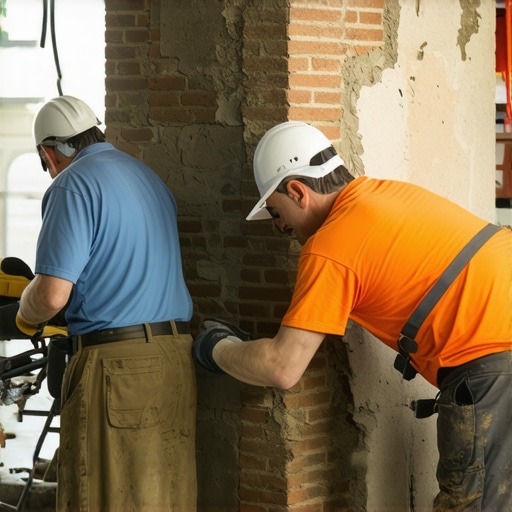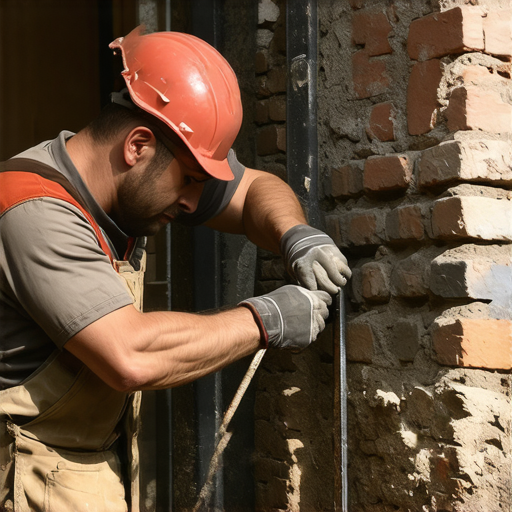
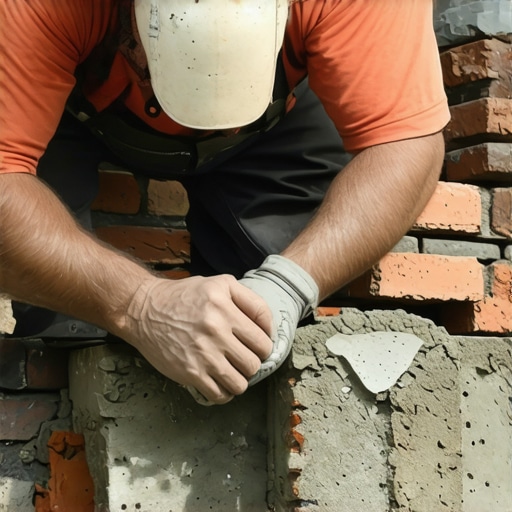
Skilled Masonry Repair: Expert Concrete Patch & Tuckpointing
Elevating Masonry Restoration: The Art of Precision in Concrete Patch and Tuckpointing Techniques
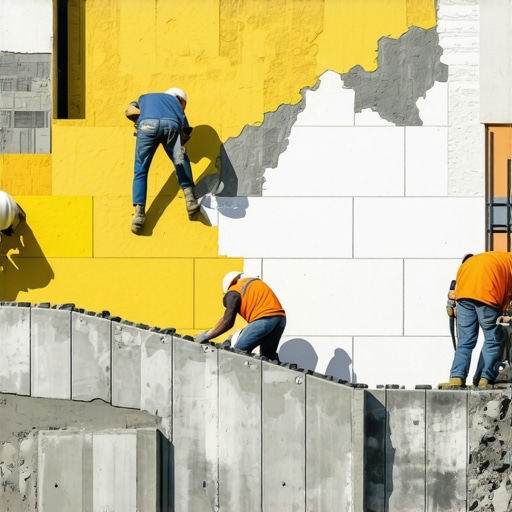
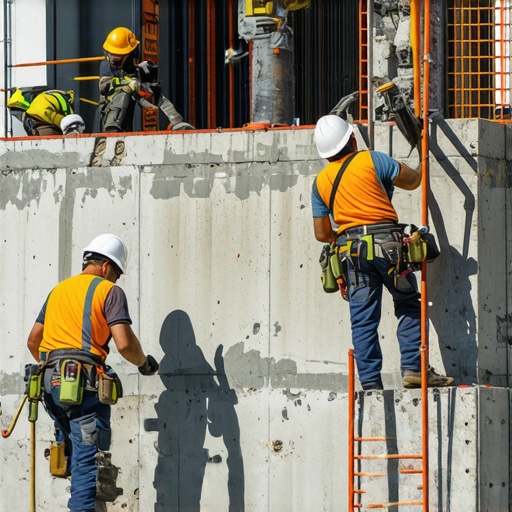
In the realm of structural integrity and aesthetic appeal, professional masonry repair transcends basic maintenance. It involves a nuanced understanding of foundational stability, surface durability, and long-term resilience. Expert contractors leverage sophisticated methods like high-quality concrete patching, meticulous tuckpointing, and comprehensive facade cleaning to ensure buildings not only stand the test of time but also maintain their visual grandeur.
Why Superior Foundation Repair Transcends Basic Fixes
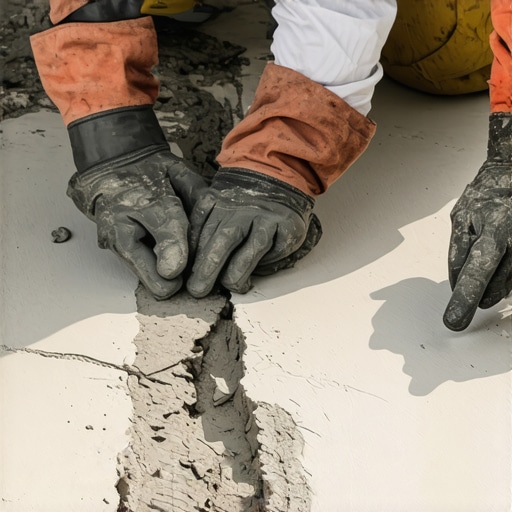
The foundation is the backbone of any structure, and its repair demands more than superficial solutions. Skilled masons utilize innovative concrete patching techniques that restore load-bearing capacity while preventing future deterioration. Such methods involve precise surface preparation, use of advanced polymer-modified concrete, and integration with existing structural elements to ensure stability and longevity.
Harnessing Tuckpointing for Structural and Visual Excellence
Tuckpointing is often underestimated as a cosmetic fix, yet when executed expertly, it safeguards masonry joints from water infiltration and mechanical stress. The process involves meticulous removal of deteriorated mortar and replacement with color-matched, high-strength mortar. This not only preserves the aesthetic integrity but also significantly extends the lifespan of the facade, especially when combined with foundation restoration strategies.
What Are the Latest Innovations in Facade Cleaning Technologies
Facade cleaning has evolved from harsh chemical washes to sophisticated, eco-friendly methods that safeguard surface materials. Techniques like low-pressure washing, micro-abrasion, and laser cleaning remove grime and biological growth without damaging the substrate. An expert approach emphasizes tailored solutions based on surface type—be it brick, stone, or concrete—maximizing durability and curb appeal.
How Can Advanced Masonry Repairs Address Complex Structural Challenges?
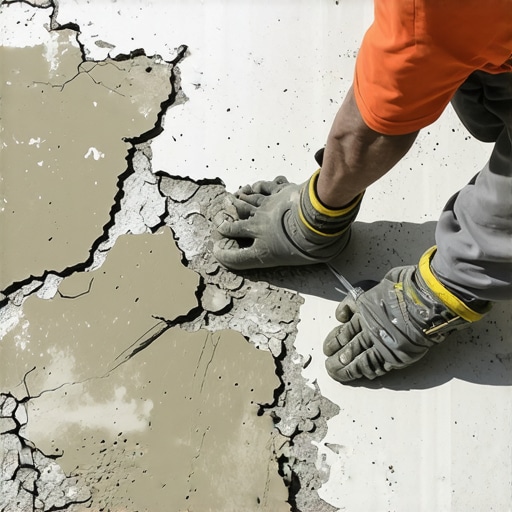
Addressing complex issues such as multi-layered cracks, water damage, or foundation shifts requires a multi-faceted approach. Experts incorporate structural assessments, non-destructive testing, and targeted reinforcement techniques. For instance, combining epoxy injections with underpinning can stabilize compromised foundations, while surface treatments prevent future damage. Such strategies demand a deep understanding of material science and structural mechanics.
For those seeking to elevate their property’s longevity and value, exploring comprehensive foundation and facade repair solutions is essential. Professional insight ensures repairs are durable, aesthetically pleasing, and aligned with modern building standards.
To deepen your knowledge and contribute to the field, engage with expert forums, or consult authoritative sources such as the American Society of Civil Engineers, which provides extensive guidelines on masonry durability and repair methodologies.
Enhance your masonry strategy today by integrating advanced techniques that blend structural science with craftsmanship—your property’s future stability depends on it.
Unlocking the Power of Modern Masonry Solutions
In the world of masonry restoration, staying ahead means embracing innovations that enhance durability and aesthetic appeal. Advanced techniques like epoxy resin injections for crack stabilization and carbon fiber reinforcement for structural integrity are revolutionizing how professionals approach complex repair challenges. These methods not only restore the original strength but also provide a buffer against future deterioration, ensuring your property remains resilient over decades.
Why Choose High-Performance Materials for Foundation Fixes
Using superior materials is crucial when addressing foundational issues. Polymer-modified concrete and fast-setting repair mortars offer enhanced adhesion, flexibility, and resistance to environmental stressors. Such materials are particularly effective in sealing cracks and filling voids, which are common culprits of structural instability. For a comprehensive understanding of the latest material innovations, consult industry-standard resources like the 2024 foundation restoration guidelines.
Reimagining Facade Cleaning for Lasting Beauty
Facade cleaning technology has evolved dramatically. Eco-friendly micro-abrasion, combined with biocide treatments, removes biological growth and embedded grime without harming surface materials. This approach preserves the integrity of brick and stone while significantly boosting curb appeal. Expert contractors tailor cleaning strategies to surface types, ensuring that beauty and durability go hand in hand—discover more effective techniques at Facade cleaning tips for property revival.
How Can Integrating Science and Craftsmanship Elevate Your Masonry Projects?
Blending scientific principles with artisanal craftsmanship allows for precise, durable repairs. Structural assessments, non-destructive testing, and material science insights inform targeted interventions. For example, combining epoxy injections with underpinning techniques stabilizes compromised foundations while maintaining architectural integrity. This holistic approach ensures long-term stability and aesthetic appeal, elevating standard masonry repair into an art form. To explore comprehensive strategies, review expert facade cleaning and repair strategies.
If you’re eager to deepen your expertise or share insights with fellow professionals, consider engaging in industry forums or consulting authoritative bodies like the American Society of Civil Engineers, which offers extensive masonry repair standards and research.
Enhance your masonry projects today with innovative techniques that combine science, skill, and sustainability—your property’s longevity depends on it.
Mastering Material Science for Long-Lasting Masonry Repairs
One of the pivotal elements distinguishing expert masonry restoration from amateur efforts lies in the mastery of material science. Advanced repair techniques leverage specially formulated mortars and polymer composites that match the physical and chemical properties of original construction materials. For example, the use of calcium aluminate cement-based mortars offers superior chemical compatibility and flexibility, reducing the risk of future cracking and deterioration, especially in historic masonry preservation.
Recent studies, such as those published in the Journal of Materials in Civil Engineering, highlight the importance of nanotechnology-enhanced repair materials. These innovations enable deeper penetration into porous substrates, creating a monolithic bond that significantly enhances durability and resistance to environmental stressors. Incorporating such cutting-edge materials requires a sophisticated understanding of both chemistry and structural mechanics, ensuring repairs are not just superficial but fundamentally integrated with the existing structure.
What Are the Best Practices for Integrating Modern Materials into Historic Masonry Preservation?
Integrating modern repair materials with historic masonry demands a delicate balance. It’s crucial to select materials that are compatible with the original fabric to prevent chemical reactions like alkali-silica reactions or salt crystallization. Conservation standards, such as those outlined by the International Council on Monuments and Sites (ICOMOS), emphasize reversible interventions and the use of breathable, flexible materials. Careful documentation and testing are essential before large-scale application, ensuring that the new materials do not compromise the historic integrity or aesthetic value of the structure.
Advanced techniques such as laser scanning and 3D modeling facilitate precise assessments of the existing conditions, guiding the selection of compatible materials and application methods. These tools enable conservation specialists to develop tailored solutions that respect architectural heritage while delivering durable, modern repairs. To explore this integration further, consulting recent case studies in the Journal of Architectural Conservation can provide invaluable insights.
Addressing Subsurface Challenges with Innovative Underpinning Techniques
Subsurface issues like soil erosion, water table fluctuations, and foundation settlement require a proactive, science-driven approach. Traditional underpinning methods, while effective, can be invasive and disruptive. Today, professionals are turning to less invasive, more precise solutions such as helical piers, micropiles, and jet grouting, which allow for targeted stabilization with minimal surface disturbance.
Furthermore, real-time geotechnical monitoring systems, integrating sensors and IoT technology, enable continuous assessment of foundation behavior post-repair. This dynamic feedback loop facilitates prompt intervention at the earliest signs of movement, preventing catastrophic failure. Such systems extend the lifespan of repairs and significantly reduce long-term maintenance costs, exemplifying the evolution of foundation stabilization into a predictive science.
For detailed methodologies and case examples, the Geotechnical Journal offers comprehensive research on state-of-the-art underpinning technologies. Engaging with these resources equips contractors and engineers to implement solutions that are both innovative and reliable, ensuring the enduring stability of vital structures.
Future-Proofing Masonry Restoration with Sustainable Practices
As the industry advances, sustainability becomes an integral aspect of masonry repair strategies. The adoption of eco-friendly materials, waste reduction practices, and energy-efficient processes not only minimizes environmental impact but also enhances project longevity. For instance, incorporating recycled aggregates into repair mortars decreases reliance on virgin materials, aligning with green building standards such as LEED and WELL.
Moreover, the emphasis on low-impact cleaning techniques, like laser ablation and biocide treatments, preserves surface integrity while reducing chemical runoff. Sustainable practices also extend to ongoing maintenance—employing predictive analytics and remote monitoring to optimize repair schedules and resource allocation.
For professionals seeking to deepen their understanding, resources like the Green Building Council provide extensive guidelines and case studies on integrating sustainability into masonry projects. Embracing these principles ensures that restoration efforts contribute positively to environmental conservation without compromising structural integrity or aesthetic quality.
Revolutionizing Masonry Restoration with Cutting-Edge Technologies
Modern masonry repair leverages not only traditional craftsmanship but also innovative technological solutions. Techniques such as laser scanning and 3D modeling enable precise assessment of structural conditions, providing detailed insights that guide targeted interventions. These tools facilitate the replication of historic details and ensure seamless integration of new materials with existing structures, significantly enhancing durability and aesthetic fidelity.
Harnessing Nano-Enhanced Materials for Unmatched Durability
The advent of nanotechnology has introduced a new frontier in masonry materials science. Nano-infused repair mortars and consolidants penetrate deeply into porous substrates, forming strong, monolithic bonds that resist environmental stresses. This advancement ensures that repairs are not only superficial but also reinforce the underlying material, extending the lifespan of historic facades and modern structures alike. For a comprehensive understanding, consult the American Society of Civil Engineers’ publication on nanotechnology in civil engineering.
What are the best practices for integrating advanced materials into historic masonry preservation?
Integrating modern materials into historic masonry requires meticulous compatibility assessments. Materials must be breathable, chemically compatible, and reversible to meet conservation standards established by organizations like ICOMOS. Employing non-destructive testing methods such as ground-penetrating radar and laser scanning allows for detailed condition mapping, ensuring that new interventions respect the structure’s historic integrity. Careful documentation throughout the process is essential to maintain transparency and facilitate future restorations.
Engaging with specialized conservation professionals and utilizing state-of-the-art diagnostic tools ensures that innovative materials enhance longevity without compromising authenticity. For further guidance, explore case studies published in the Journal of Architectural Conservation.
Smart Foundation Reinforcement Techniques for Complex Challenges
Addressing subsurface structural issues involves advanced underpinning methods such as mini-piles, helical piers, and jet grouting, which offer minimally invasive solutions with high precision. These techniques, combined with real-time geotechnical monitoring sensors, enable proactive management of foundation stability, detecting movement early and guiding targeted reinforcement. The integration of IoT technology into foundation repair is transforming reactive processes into predictive maintenance, reducing long-term costs and safeguarding structural integrity.
For detailed procedures and recent innovations, consult the Geotechnical Journal. These resources empower engineers and contractors to implement resilient, sustainable foundation solutions tailored to complex subsurface challenges.
Sustainable Practices Transforming Masonry Preservation
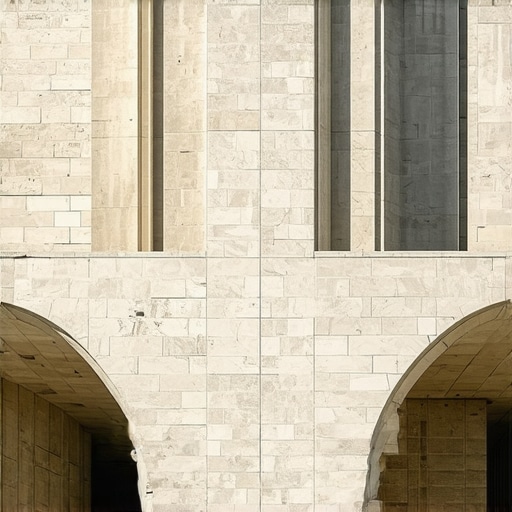
Environmental responsibility is now a cornerstone of masonry restoration. Eco-friendly materials such as recycled aggregates and biocide-free cleaning agents reduce ecological footprints while maintaining high standards of durability. Techniques like laser ablation and micro-abrasion provide effective cleaning without damaging surface porosity, preserving the aesthetic and structural integrity of historic and modern facades alike.
The adoption of green practices extends to ongoing maintenance, where remote monitoring systems and predictive analytics optimize repair schedules, minimizing resource wastage. Resources from the Green Building Council offer invaluable insights into sustainable masonry strategies for environmentally conscious professionals.
Expert Insights & Advanced Considerations
Prioritize Material Compatibility to Preserve Historic Integrity
Utilizing materials that are chemically and physically compatible with original masonry ensures longevity and prevents detrimental reactions such as salt crystallization or alkali-silica reactions. Incorporating breathable, reversible repair mortars facilitates preservation efforts, especially in historic structures.
Leverage Cutting-Edge Diagnostic Tools for Precise Interventions
Employing laser scanning, ground-penetrating radar, and 3D modeling allows for meticulous assessment of structural conditions. These technologies guide tailored repair strategies, minimizing invasive procedures while maximizing durability.
Integrate Sustainable Practices for Future-Ready Restoration
Adopting eco-friendly materials like recycled aggregates and low-impact cleaning methods not only reduces environmental impact but also enhances repair resilience. Remote monitoring and predictive analytics optimize maintenance schedules, extending the lifespan of masonry assets.
Harness Nanotechnology for Enhanced Material Performance
Nanotechnology-infused mortars and consolidants penetrate deeply, forming monolithic bonds that resist environmental stresses. This innovation ensures repairs are durable and seamlessly integrate with existing substrates, especially in challenging conditions.
Implement Proactive Foundation Stabilization Approaches
Advanced underpinning techniques such as helical piers, micropiles, and jet grouting, combined with IoT-based real-time monitoring, enable early detection of subsurface movements. These measures facilitate timely interventions, safeguarding structural integrity over decades.
Curated Expert Resources
- International Council on Monuments and Sites (ICOMOS): Offers comprehensive guidelines on conservation principles, material selection, and reversible interventions for historic masonry preservation.
- Journal of Materials in Civil Engineering: Publishes cutting-edge research on nanotechnology applications and innovative repair materials that enhance durability.
- Geotechnical Journal: Provides advanced methodologies for foundation underpinning and subsurface stabilization, including IoT integration for predictive maintenance.
- Green Building Council: Guides sustainable practices in masonry restoration, emphasizing eco-friendly materials and energy-efficient processes.
Final Expert Perspective
In the realm of masonry repair, integrating advanced techniques such as nanotechnology, innovative diagnostic tools, and sustainable practices elevates the quality and longevity of restorations. Mastery of material science combined with proactive foundation stabilization ensures structures not only stand the test of time but also meet modern standards for durability and environmental responsibility. For professionals eager to lead in this field, continuous education through authoritative resources and embracing technological advancements is essential. Engage with these insights and contribute your expertise to push the boundaries of masonry restoration excellence.