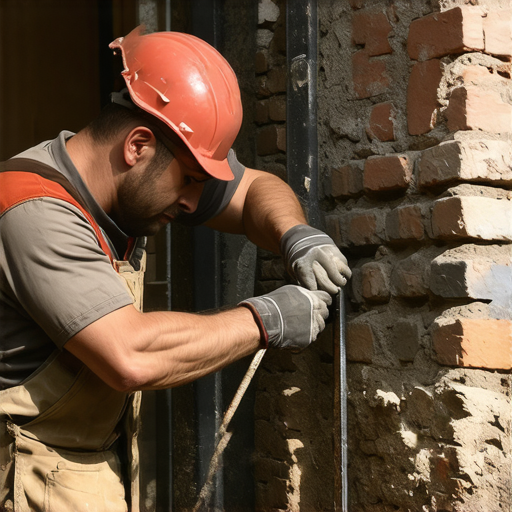
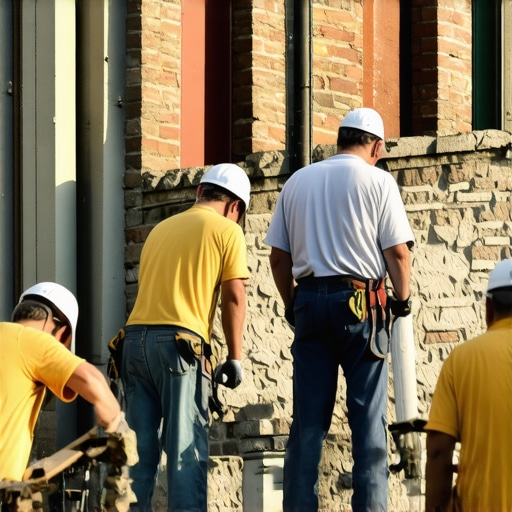
Trust Our Expert Tuckpointing & Foundation Restoration for Lasting Results
Understanding the Critical Role of Tuckpointing and Foundation Restoration in Building Longevity
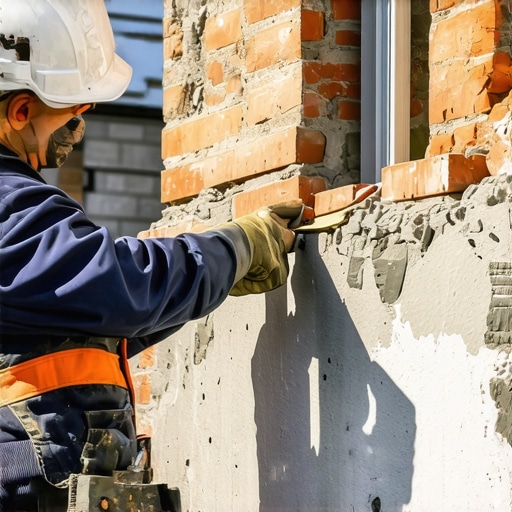
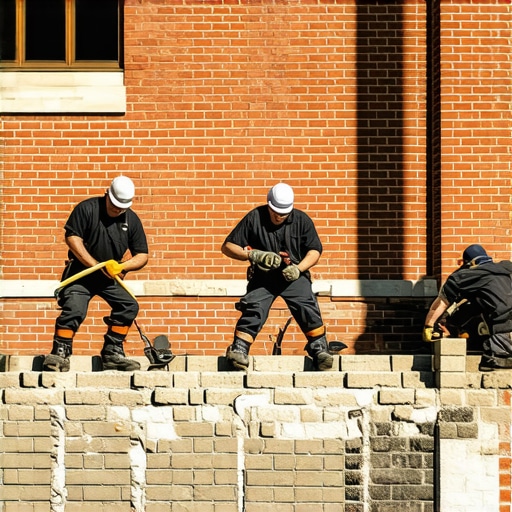
As seasoned professionals in masonry and structural repair, we recognize that the longevity of a building hinges on meticulous maintenance practices like trustworthy tuckpointing and foundation restoration. These processes are not merely cosmetic but are fundamental to preventing structural deterioration that can escalate into costly repairs or catastrophic failures over time.
The Complex Dynamics of Masonry Deterioration and Structural Weakening
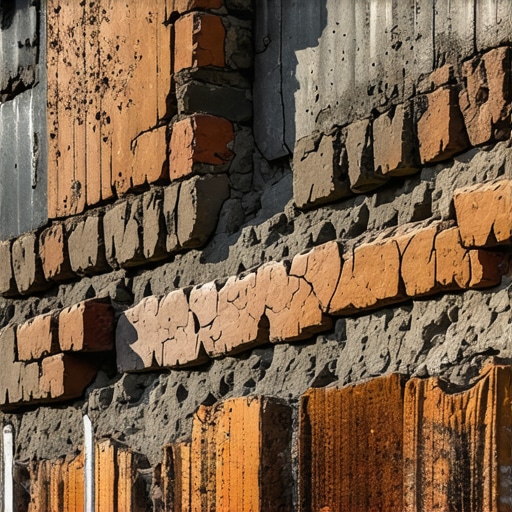
In our expert analysis, understanding the underlying causes of masonry degradation—such as moisture infiltration, freeze-thaw cycles, and chemical erosion—is essential. These factors compromise the mortar joints and foundation integrity, necessitating advanced intervention strategies like high-precision tuckpointing and comprehensive foundation repair. Recognizing these complex interactions allows us to implement solutions that are both durable and minimally invasive.
Innovative Techniques in Tuckpointing and Foundation Repair: A Deep Dive
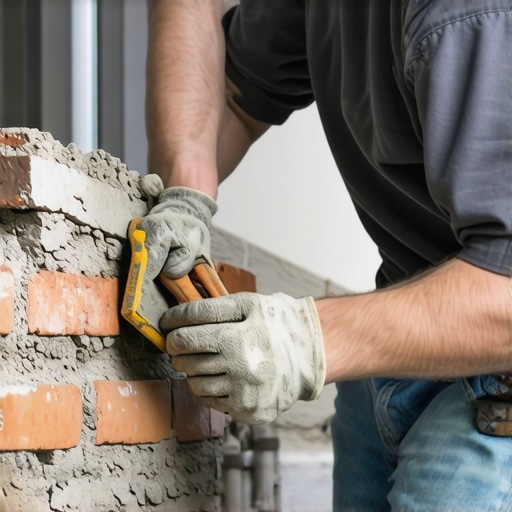
Modern techniques leverage specialized tools and materials, including polymer-based mortars and epoxy injections, to restore and reinforce masonry structures. For example, concrete patching and facade cleaning serve as preparatory steps to ensure optimal adhesion and longevity of repairs. These methods require an expert’s precision to prevent future issues such as cracking or water ingress, which can undermine structural stability.
Addressing the Expert-Level Concerns: How Do We Ensure Long-Term Results?
What Are the Key Indicators for Assessing the Effectiveness of Tuckpointing and Foundation Restoration?
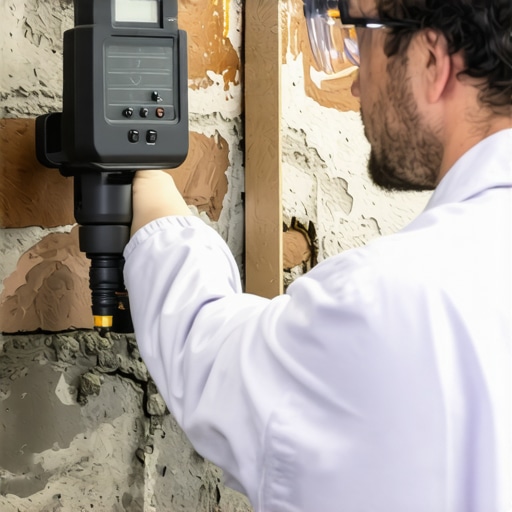
Evaluating the success of these interventions involves a combination of visual inspections, structural load assessments, and moisture testing. Advanced diagnostic tools like ground-penetrating radar and laser scanning help detect hidden damages, guiding targeted repairs. Ongoing maintenance and periodic inspections are crucial for maintaining the integrity of restored structures, aligning with the highest standards of structural engineering.
For professionals seeking to deepen their understanding, reviewing authoritative literature such as the Structure Magazine offers comprehensive insights into state-of-the-art repair methodologies.
Interested in elevating your expertise further? Explore our detailed guide on trust-our-expert foundation repair and tuckpointing services for durable, long-lasting results.
Beyond Basics: Cutting-Edge Approaches to Masonry Preservation and Reinforcement
As industry leaders, we recognize that maintaining the integrity of masonry structures requires more than routine repairs; it demands innovative, scientifically grounded techniques. Modern advancements in materials science and diagnostic technologies enable us to identify and address underlying issues before they manifest visibly, significantly extending the lifespan of your building’s foundation and facade.
What Are the Emerging Technologies Revolutionizing Masonry Restoration?
New diagnostic tools, such as ultrasonic testing and drone-assisted inspections, offer unprecedented precision in detecting hidden damages. These technologies allow for non-invasive evaluations of structural health, facilitating targeted interventions that minimize disruption and cost. For instance, trustworthy tuckpointing and foundation restoration now incorporate these tools to optimize results and ensure long-term durability.
How Can Material Innovations Enhance Repair Longevity?
Advanced polymer-based mortars and epoxy resins have transformed repair practices. These materials exhibit superior adhesion, flexibility, and resistance to environmental stressors compared to traditional options. When properly applied, they create a seamless bond that withstands moisture, temperature fluctuations, and chemical exposure—factors that accelerate masonry deterioration. To ensure your repairs are resilient, consider integrating these innovations into your maintenance plan, alongside professional facade cleaning and patching services that prepare surfaces for optimal adhesion (see our facade cleaning solutions).
How Do We Balance Technological Innovation with Practical Application in Structural Repair?
While new tools and materials are vital, their true value lies in expert application. Skilled technicians interpret diagnostic data accurately and select appropriate solutions tailored to each project’s unique challenges. This nuanced approach prevents over- or under-treatment, which can compromise structural integrity. For example, combining laser scanning to identify surface cracks with targeted epoxy injections ensures comprehensive stabilization. For a deeper understanding of these sophisticated methods, consult authoritative sources such as the Structure Magazine, which offers insights into emerging repair techniques and best practices.
If you’re eager to elevate your masonry repair expertise, explore our detailed guide on trust-our-expert foundation repair and tuckpointing services. Sharing your thoughts and questions in the comments can also foster a deeper community understanding of these advanced strategies.
Innovative Material Technologies: Pioneering Durability in Masonry and Structural Repairs
The integration of cutting-edge materials such as nano-engineered sealants and self-healing concrete is transforming the landscape of masonry restoration. These materials not only extend the lifespan of repairs but also proactively address micro-damage, reducing the frequency of maintenance cycles. For instance, nano-sealants penetrate deeply into porous surfaces, creating an impermeable barrier against moisture ingress—a leading cause of masonry deterioration.
Self-healing concrete, embedded with microcapsules containing healing agents, can autonomously repair hairline cracks when triggered by environmental stimuli. This innovation ensures continuous structural integrity without immediate human intervention, significantly minimizing downtime and repair costs. According to research published in the Journal of Materials in Civil Engineering, such materials demonstrate superior performance under cyclical load and environmental stressors, underscoring their pivotal role in future-proofing masonry structures.
Nuanced Diagnostic Technologies: Unlocking Hidden Damage Before It Escalates
Emerging diagnostic modalities like acoustic emission testing and thermographic imaging are offering unprecedented insights into the internal health of masonry and foundation systems. Acoustic emission sensors detect transient elastic waves caused by micro-cracking, allowing for real-time monitoring of structural stress levels. Thermography, on the other hand, reveals thermal anomalies indicative of moisture intrusion or delamination beneath surfaces.
These tools enable practitioners to implement targeted interventions, thereby conserving resources and enhancing safety. For example, routine thermographic inspections can uncover early signs of water infiltration—often invisible to the naked eye—prompting preemptive sealing or reinforcement measures that prevent costly downstream repairs.
What are the best practices for integrating these diagnostic tools into routine maintenance schedules?
Integrating advanced diagnostics requires a strategic approach, involving periodic assessments aligned with seasonal cycles and environmental conditions. Establishing a baseline of structural health data allows for trend analysis, helping to identify deterioration patterns early. Collaborating with specialists in non-destructive testing ensures the interpretation of data is accurate and actionable, ultimately leading to more resilient masonry systems.
For further insight, consult authoritative sources such as the Structurae database, which provides case studies and technical standards for advanced diagnostic applications in structural engineering.
Synergizing Material Science and Diagnostics for Optimal Repair Longevity
The future of masonry restoration hinges on a harmonious blend of innovative materials and sophisticated diagnostics. By deploying self-healing agents in conjunction with real-time monitoring, engineers can create adaptive systems that respond proactively to emerging issues. This integrated approach not only enhances the durability of repairs but also minimizes disruptions to building occupants and operations.
Moreover, leveraging data analytics and machine learning algorithms can optimize maintenance schedules, predict future deterioration trajectories, and inform the selection of bespoke repair strategies. Such foresight-driven practices embody the pinnacle of expert-level structural management, ensuring buildings stand resilient amidst evolving environmental challenges.
Interested in exploring these advanced solutions further? Reach out to our specialists for a personalized assessment of your masonry and foundation needs, and discover how innovative materials and diagnostics can secure your property’s longevity for decades to come.
Harnessing Future-Forward Materials for Masonry Longevity
Emerging innovations in material science, such as nanotechnology-enhanced sealants and self-healing concretes, are revolutionizing masonry restoration. These sophisticated materials go beyond traditional options by actively responding to environmental stressors, significantly extending repair durability. For example, nano-sealants deeply penetrate porous surfaces, creating impermeable barriers against moisture, a primary catalyst of deterioration. Meanwhile, self-healing concrete utilizes embedded microcapsules with healing agents that autonomously repair microcracks when environmental triggers occur, thus maintaining structural integrity over longer periods.
Expert-Level Diagnostic Techniques: Peering Beneath the Surface
Advanced diagnostic tools like ultrasonic testing, thermographic imaging, and acoustic emission sensors provide unparalleled insights into hidden damages within masonry and foundation systems. Ultrasonic testing identifies microstructural flaws, thermography reveals thermal anomalies indicative of moisture intrusion, and acoustic sensors detect microcracking activity in real-time. Integrating these technologies into routine inspections enables early intervention, preventing escalation into costly repairs. According to the Structurae database, such non-destructive testing methods are becoming standard in high-performance building maintenance.
How Can AI and Data Analytics Transform Masonry Maintenance?
Leveraging artificial intelligence and data analytics allows for predictive maintenance models that forecast deterioration patterns based on historical and real-time data. Machine learning algorithms analyze sensor inputs and diagnostic results to optimize repair schedules, reducing downtime and prolonging the lifespan of masonry structures. This data-driven approach aligns with the highest standards of proactive building management, ensuring resilience against environmental and mechanical stresses.
Integrating Innovations: A Synergistic Approach for Structural Resilience
The future of masonry preservation hinges on the seamless integration of advanced materials, diagnostic technologies, and intelligent data systems. When combined, these innovations create adaptive, self-monitoring structures capable of responding proactively to emerging issues. This holistic approach minimizes disruptions and maximizes longevity, embodying the pinnacle of expert-level structural engineering. For those eager to elevate their expertise, consulting authoritative sources such as the Structurae database provides invaluable insights into cutting-edge practices and emerging trends.
What Are the Practical Steps for Implementing These Advanced Techniques?
Implementing these innovations requires a strategic, phased approach. Begin with comprehensive diagnostics using non-invasive tools to establish a baseline. Next, select appropriate materials like nano-sealants or self-healing concretes tailored to specific environmental conditions. Incorporate sensor networks for continuous monitoring and utilize AI-driven analytics for maintenance planning. Collaborating with specialists experienced in these technologies ensures optimal application and long-term success. For tailored guidance, reach out to industry leaders who specialize in high-tech masonry preservation.
Expert Insights & Advanced Considerations
1. Integration of Predictive Analytics Enhances Maintenance Planning
Utilizing AI-driven data analytics enables precise forecasting of masonry deterioration, allowing proactive interventions that extend structural lifespan and optimize resource allocation.
2. Material Innovations Significantly Improve Repair Durability
Advanced materials like nano-sealants and self-healing concretes provide superior resistance to environmental stressors, reducing maintenance frequency and ensuring long-term stability of restored structures.
3. Cutting-Edge Diagnostic Technologies Uncover Hidden Damage
Tools such as ultrasonic testing, thermography, and acoustic emission sensors facilitate early detection of micro-damage, enabling targeted repairs before visible deterioration occurs, thus safeguarding structural integrity.
4. Synergistic Approaches Elevate Masonry Preservation
Combining innovative materials with sophisticated diagnostics creates adaptive, self-monitoring systems that respond proactively to emerging issues, maximizing durability and minimizing disruptions.
5. Strategic Implementation Requires Expert Collaboration
Integrating these advanced techniques demands a strategic, phased approach with collaboration among specialists to ensure optimal application and long-lasting results.
Curated Expert Resources
- Structure Magazine: Renowned for comprehensive articles on state-of-the-art repair methodologies and industry standards, essential for deepening technical expertise.
- Structurae Database: Offers extensive case studies and technical standards on diagnostic tools and advanced repair techniques, ideal for professional reference.
- Journal of Materials in Civil Engineering: Publishes research on innovative materials like nano-sealants and self-healing concretes, supporting material science advancements.
- National Institute of Standards and Technology (NIST): Provides guidelines on nondestructive testing and diagnostic technology integration into structural maintenance.
- Building Research Establishment (BRE): Offers insights into practical implementation of emerging technologies, fostering effective application strategies.
Final Expert Perspective
In the realm of masonry restoration, embracing innovative materials, diagnostic technologies, and data analytics is paramount for achieving unparalleled structural longevity. These advanced strategies not only enhance durability but also foster a proactive, intelligent approach to maintenance that anticipates issues before they manifest visibly. To stay at the forefront of this evolving field, professionals should continuously explore authoritative resources and collaborate with specialists dedicated to pushing the boundaries of structural resilience. For those committed to excellence, engaging with these insights and tools ensures that your masonry and foundation projects will stand resilient for decades to come. Feel free to share your expertise or inquire further about integrating these cutting-edge solutions into your projects.
This article highlights the importance of integrating advanced diagnostics and innovative materials in masonry restoration. Having worked on several historic building restorations, I can confirm that early detection of micro-damage through thermography and acoustic emission sensors can save significant costs by preventing major failures later on. One challenge I often encounter is balancing the use of cutting-edge technology with practical application, especially in tight or inaccessible spaces. I’m curious, what are some effective strategies for integrating these sophisticated diagnostic tools into routine maintenance schedules without incurring excessive costs? It seems that a proactive approach, combined with skilled technician deployment, really makes a difference in extending the lifespan of masonry structures. Sharing insights and experiences in this area could help others optimize their repair strategies while ensuring long-term durability.
This post brings up a great point about the importance of comprehensive assessment when it comes to foundation and tuckpointing work. I’ve noticed that incorporating modern diagnostic technologies, like ultrasonic testing and thermographic imaging, can really revolutionize how we approach long-term repairs. In my experience, one challenge is ensuring these tools are used effectively in locations with limited access or in historic buildings where invasive procedures are not an option. A few strategies that have worked for me include scheduling periodic assessments during seasonal changes to monitor for moisture infiltration and microcracking—these can be early indicators of deterioration. Also, partnering with specialists in non-destructive testing ensures accurate interpretation of the data, preventing unnecessary repairs or missed problems. Have others found methods to streamline diagnostic procedures without escalating costs? It seems that building a proactive maintenance plan integrating these diagnostics could save a lot of money and prevent structural failures down the line.
This post offers a comprehensive look at how modern technology and innovative materials are shaping masonry and foundation repair practices. Having recently overseen a project where we used both drone inspections and self-healing concrete, I was impressed with how these advancements can predict and prevent issues before they develop into major problems. One challenge we faced was integrating these new systems within existing structures, especially in tight or delicate historic buildings. We found that collaborating closely with specialists in nondestructive testing and adaptive repair techniques was key to success. For others considering such approaches, what strategies have you found effective for balancing technological integration with cost and practicality? It seems that combining predictive diagnostics with resilient materials truly offers a proactive way to extend the lifespan of structures while minimizing disruption.
Reading through this detailed post really reinforces how crucial it is to prioritize proactive maintenance for masonry and foundation systems. I’ve had firsthand experience with some of these innovative diagnostic tools, like thermography and ultrasonic testing, and they’ve been game-changers in early damage detection. One thing I’ve noticed is that integrating these sophisticated methods can sometimes be challenging in historic buildings with tight spaces or fragile structures. I’ve found that scheduled assessments during cooler months and collaborating closely with specialists who understand the building’s unique constraints really help optimize the process without excessive costs. It’s fascinating how advances in material science, like self-healing concrete and nano-sealants, are now making repairs more durable and less invasive. Has anyone else had success with combining traditional craftsmanship with emerging tech to improve longevity? I’d love to hear effective strategies others have employed to balance cost, practicality, and technological innovation for long-term results.
This post emphasizes the importance of proactive and technologically advanced approaches to masonry and foundation maintenance. I’ve personally found that integrating diagnostic tools like thermography and ultrasonic testing into routine inspections can truly catch issues before they escalate into costly repairs. One challenge I’ve encountered is ensuring these advanced assessments remain cost-effective, especially for small property owners or in historic buildings where invasive methods are limited. Regularly scheduling assessments during seasonal changes has helped me to monitor moisture and structural vulnerabilities efficiently. I also believe that partnering with experienced specialists in nondestructive testing can optimize the interpretation of data, leading to more accurate maintenance planning. Have others experienced success with remote or non-invasive testing methods that balance thoroughness and cost? It’s fascinating how innovations like self-healing concrete and nano-sealants complement diagnostics in creating more resilient structures. I wonder how building owners and managers can best implement these advanced strategies without overwhelming budgets or disturbing the historic integrity of their properties.
This article really highlights how vital it is to combine traditional masonry skills with cutting-edge technology for long-lasting results. I’ve seen firsthand how employing enhanced diagnostic tools like ultrasonic testing and thermographic imaging can uncover issues before they become visible problems, saving both time and money. The challenge often lies in balancing the investment in these advanced diagnostics with the expected longevity improvements, especially in older or heritage structures. One approach I’ve found effective is scheduling regular assessments during off-peak seasons to integrate these technologies smoothly without disrupting building use. Also, training technicians in proper data interpretation is crucial for accurate diagnosis and targeted repairs. Have others experimented with integrating AI or machine learning algorithms to predict deterioration trends? I believe these innovations can push us toward even more proactive and cost-efficient preservation strategies. It’s exciting to think about how such synergistic approaches could redefine standards in masonry maintenance and restoration.
This article really underscores the importance of preventive measures like tuckpointing and foundation restoration in preserving the structural integrity of buildings over time. I’ve worked on historic masonry projects where early intervention with high-quality repair techniques made a huge difference in avoiding extensive, costly rebuilds later. What I find particularly interesting is how modern diagnostic tools—like ground-penetrating radar and laser scanning—have become game-changers in accurately identifying issues before they become visible. Have others found effective ways to integrate these advanced inspections into routine maintenance without significantly increasing costs? From my experience, working closely with specialists and scheduling regular evaluations during seasonal transitions can help maintain building health proactively. Also, choosing resilient, modern materials for repairs seems to play a critical role in extending longevity. I’d love to hear how others balance technological innovation with practicality in daily operations—any tips or insights? This proactive approach appears essential in safeguarding historic and new structures alike.