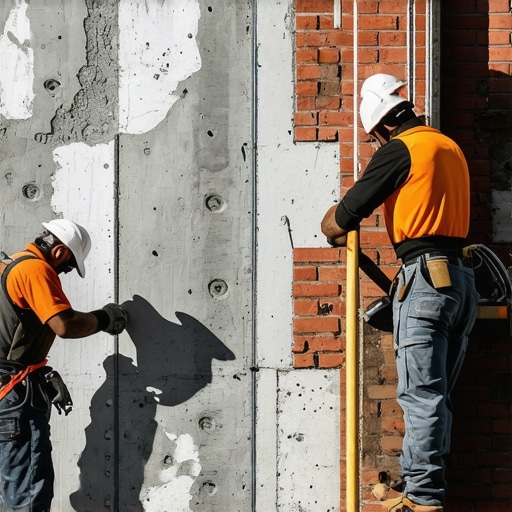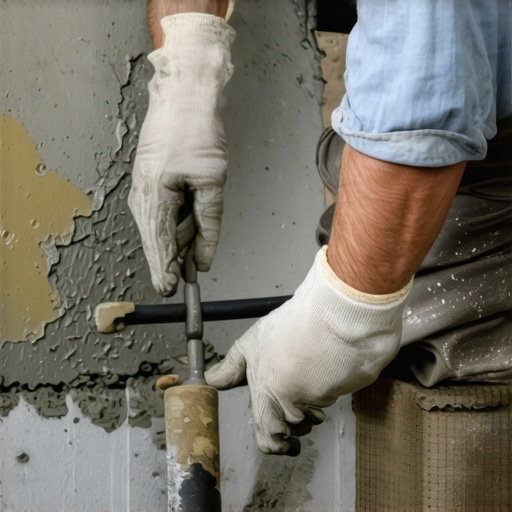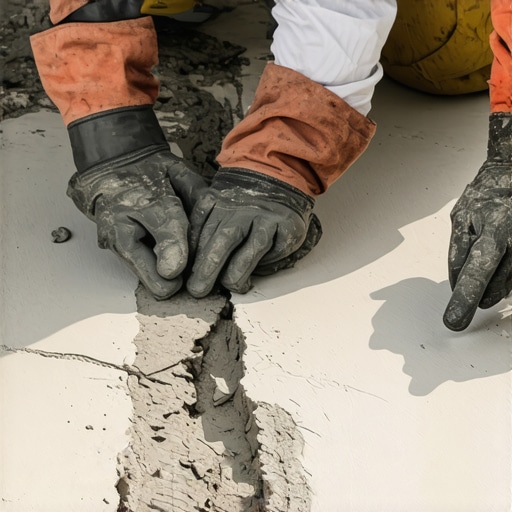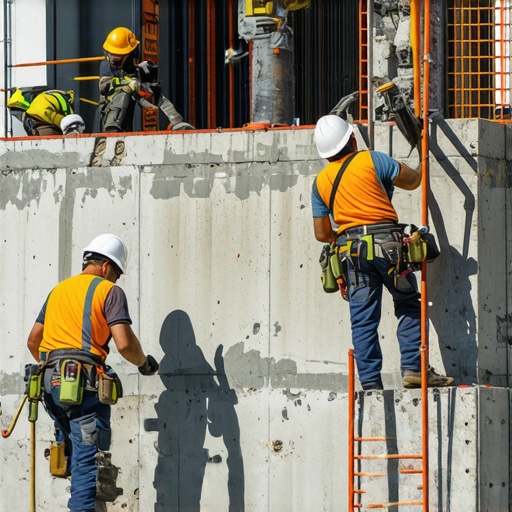
Trusted Concrete Patch & Masonry Repairs for Lasting Results
Elevating Masonry Integrity with Advanced Concrete Patch Techniques
In the realm of masonry restoration, the pursuit of lasting results demands more than routine fixes; it necessitates a deep understanding of material science, structural dynamics, and environmental resilience. As experts in concrete patching and masonry repair, we recognize that each project embodies unique challenges, requiring tailored solutions rooted in empirical evidence and field-tested methodologies.
Complexities in Selecting Optimal Materials for Concrete Patching
The cornerstone of durable masonry restoration lies in choosing the right materials. Modern polymer-modified concrete patches offer superior adhesion, flexibility, and resistance to freeze-thaw cycles, outperforming traditional cement mixes. According to the Journal of Construction and Building Materials, material formulation significantly impacts longevity. Incorporating admixtures like latex or acrylic enhances bond strength and reduces permeability, thereby extending the lifespan of repairs.
Structural Assessment: Beyond Surface-Level Repairs
Prior to intervention, comprehensive structural assessments identify underlying issues such as foundation settlement, moisture infiltration, or material degradation. Utilizing non-destructive testing methods like ultrasonic pulse velocity or ground-penetrating radar provides insights into internal conditions, guiding precise repair strategies. This approach ensures that patching addresses root causes rather than merely superficial symptoms.
Innovative Techniques for Seamless Masonry Restoration
Advanced techniques, including fiber-reinforced overlays and epoxy injections, facilitate the reinforcement of compromised masonry without extensive demolition. These methods distribute loads more evenly and mitigate crack propagation. For instance, epoxy injections restore structural integrity in cracked concrete, as detailed in the ASCE Technical Journal.
What are the emerging materials and methods that could redefine masonry repair standards in the next decade?
Staying ahead in masonry restoration involves monitoring innovations such as nanotechnology-enhanced coatings and self-healing concrete. These advancements promise to revolutionize durability by enabling materials to respond dynamically to environmental stresses, effectively extending the lifecycle of repairs.
For professionals committed to excellence, continuous education and adherence to best practices are vital. We invite you to explore our detailed guide on concrete patch foundation repair strategies and contribute your insights to the evolving field of masonry restoration.
Harnessing the Power of Nanotechnology for Concrete Longevity
Emerging advancements in nanotechnology are poised to transform masonry restoration, introducing ultra-durable coatings and self-healing materials that respond adaptively to environmental stressors. These innovations not only enhance the longevity of repairs but also reduce maintenance costs over time. For example, nanocoatings with hydrophobic properties prevent water infiltration, a primary cause of freeze-thaw damage, thus safeguarding masonry structures from future deterioration. Incorporating such materials into your repair toolkit can significantly boost the durability of your projects, as highlighted by recent research in the Journal of Construction and Building Materials.
Self-Healing Concrete: The Future of Masonry Maintenance
Self-healing concrete, infused with microcapsules containing healing agents, autonomously repairs microcracks when they form. This technology minimizes the need for invasive interventions and extends the lifespan of masonry elements. Such materials are especially valuable in harsh climates where structural integrity is continually challenged. The integration of self-healing solutions within foundation patches or facade repairs ensures a resilient and maintenance-friendly structure, aligning with best practices outlined in expert guides on concrete patch foundation restoration.
Questioning Conventional Wisdom on Masonry Maintenance
Are traditional repair methods sufficient in the face of rapid technological progress, or should we redefine our standards for durability and sustainability? Experts argue that embracing innovative materials and techniques is essential to meet the demands of modern construction and renovation, especially considering the increasing frequency of severe weather events that accelerate masonry deterioration. By integrating these advancements, professionals can deliver repairs that not only last longer but also contribute to more sustainable building practices.
If you’re eager to stay ahead in the masonry repair industry, consider exploring our comprehensive guide on trusted foundation and facade repair strategies, and share your experiences or questions in the comments below. Your insights can help shape the future of durable masonry restoration!
Leveraging Nanotechnology to Extend Masonry Lifespan
Nanotechnology is rapidly transforming masonry restoration by introducing ultra-fine coatings and self-healing materials that adapt to environmental stresses. These innovations provide a significant boost in durability, reducing long-term maintenance costs. Hydrophobic nanocoatings, for example, create water-repellent barriers that prevent freeze-thaw damage, a primary cause of masonry deterioration, as documented in the Journal of Construction and Building Materials. Integrating nanotech solutions into repair protocols allows for proactive preservation strategies that extend the life of structures and maintain aesthetic appeal.
Microcapsule-Infused Self-Healing Concrete Transforms Maintenance
Self-healing concrete, embedded with microcapsules containing healing agents, autonomously seals microcracks as they develop, preventing the ingress of moisture and harmful chemicals. This technology is especially advantageous in harsh climates, where ongoing environmental stressors threaten structural integrity. The microcapsules rupture upon crack formation, releasing agents that chemically react to form new cementitious bonds, effectively restoring the concrete’s original properties. This innovation aligns with emerging standards for resilient, low-maintenance masonry, as highlighted in recent research in the concrete patch foundation restoration.
How do cutting-edge materials redefine the paradigm of masonry longevity and sustainability?
Advanced materials like nanocoatings and self-healing composites are shifting the focus from reactive repairs to proactive, preventive maintenance. These materials reduce the frequency of invasive interventions, cut costs over the lifespan of a structure, and significantly lower environmental impact by minimizing waste and resource consumption. The adoption of such solutions represents a paradigm shift, emphasizing durability, sustainability, and resilience in modern masonry practices.
If you’re committed to staying at the forefront of masonry technology, explore our comprehensive guide on concrete patch foundation repair strategies. Share your insights or questions in the comments — your expertise helps shape the future of durable masonry maintenance!
Harnessing Nano-Engineered Coatings for Unmatched Durability
Recent advancements in nanotechnology have introduced superhydrophobic coatings that drastically reduce water absorption in masonry structures, effectively preventing freeze-thaw damage and chemical degradation. These coatings, often based on silica or titanium dioxide nanoparticles, create a protective barrier that is both highly resistant to environmental stressors and minimally invasive to the structure’s appearance. As documented in the Journal of Construction and Building Materials, their application can extend the lifespan of repairs by decades, making them indispensable in modern restoration projects.
Epoxy-Infused Reinforcement Techniques for Structural Integrity
Using advanced epoxy resins enhanced with flexible polymers allows for seamless reinforcement of compromised masonry without the need for extensive demolition. These epoxy injections can fill microcracks and bond disintegrated materials, restoring both strength and cohesion. When combined with fiber-reinforced polymer (FRP) overlays, these methods distribute loads more evenly, prevent crack propagation, and enhance seismic resilience. This integrated approach is supported by case studies in the ASCE Technical Journal, signaling a new standard for structural repair.
How are emerging materials reshaping safety protocols in masonry repair?
Emerging materials such as self-healing concretes and microcapsule-infused composites are redefining safety and longevity. Self-healing concrete, embedded with microcapsules containing healing agents, autonomously seals microcracks, significantly reducing the risk of structural failure. These innovations enable engineers to design buildings that adapt and heal over time, dramatically lowering maintenance costs and increasing safety margins. For an in-depth exploration, consult the comprehensive guide on concrete patch foundation repair.
Integrating Smart Technologies for Predictive Maintenance
The future of masonry repair lies in the integration of IoT sensors and AI-driven analytics that monitor structural health in real time. These systems can detect early signs of deterioration—such as moisture ingress, stress concentrations, or microcracking—allowing for targeted interventions before visible damage occurs. This shift from reactive to predictive maintenance reduces costs and enhances safety, aligning with the latest standards outlined by the Federal Emergency Management Agency.
Why Sustainable Repair Practices Require Innovation
As environmental considerations become central to construction, innovative materials and methods are essential for sustainable masonry restoration. Recyclable composites, low-emission adhesives, and bio-based consolidants not only minimize ecological footprints but also improve long-term performance. For example, bio-consolidants derived from lignin or tannins can strengthen stone and brick surfaces naturally, reducing reliance on synthetic chemicals. Embracing these eco-friendly solutions aligns with global sustainability goals and enhances community resilience.
Next-Level Expertise: Mastering the Future of Masonry Restoration
To stay at the forefront, professionals must continually update their knowledge base, experimenting with new materials and adopting integrated diagnostic and repair systems. Our in-depth resources and expert guides are designed to equip you with the latest insights, ensuring your projects are not only durable but also pioneering. Explore our comprehensive collection at masonry restoration excellence and share your experiences to foster industry-wide innovation.
Harnessing Cutting-Edge Materials for Structural Resilience
Utilize nanotechnology-enhanced coatings and self-healing concretes to significantly extend the lifespan of masonry structures. These innovations enable proactive damage prevention and autonomous microcrack repair, reducing maintenance costs and enhancing safety.
Prioritizing Structural Health with Advanced Diagnostics
Implement non-destructive testing methods like ultrasonic pulse velocity and ground-penetrating radar to gain deep insights into the internal condition of masonry elements. This approach ensures targeted repairs that address root causes, not just surface symptoms.
Integrating Smart Technologies for Predictive Maintenance
Leverage IoT sensors and AI analytics to monitor structural integrity in real time. Early detection of stress, moisture ingress, or microcracks facilitates timely interventions, transforming masonry repair from reactive to preventive care.
Innovating with Eco-Friendly and Sustainable Solutions
Adopt bio-based consolidants, low-emission adhesives, and recyclable composites to align masonry restoration with sustainability goals. These materials support durable, environmentally responsible repairs that meet modern standards.
Expert Resources for Deepening Knowledge
- Journal of Construction and Building Materials: Offers comprehensive research on material formulations and durability testing.
- ASCE Technical Journal: Provides case studies and guidelines on structural reinforcement techniques.
- Concrete Repair Manual by the Masonry Society: Authoritative resource for best practices in concrete patching and structural repair.
- Nanotechnology in Construction by CRC Press: Explores cutting-edge nanotech applications enhancing masonry resilience.
- FEMA Structural Monitoring Guidelines: Focuses on integrating IoT and AI for predictive maintenance strategies.
Reflections from the Expert Perspective
In the evolving landscape of masonry restoration, staying ahead means embracing innovations that improve durability and sustainability. Advanced materials like self-healing concrete and nanocoatings are not just enhancements—they are game-changers that redefine how we approach structural integrity. The integration of diagnostic and predictive technologies ensures that repairs are precise, cost-effective, and forward-looking. As professionals, adopting these strategies positions us to deliver long-lasting, resilient masonry solutions that stand the test of time. Engage with these insights, explore the suggested resources, and contribute your expertise to shape the future of masonry repair—because excellence is a continuous journey, not a destination.