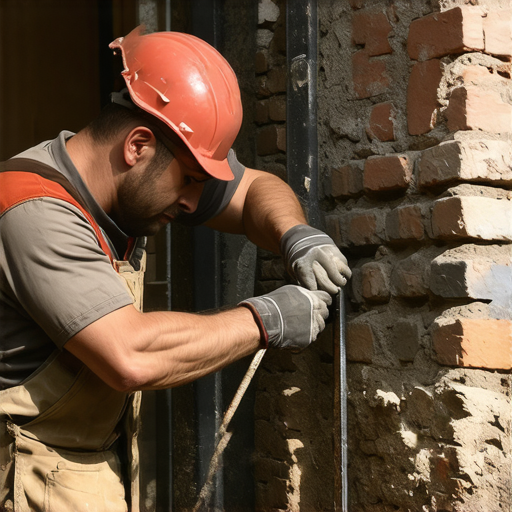
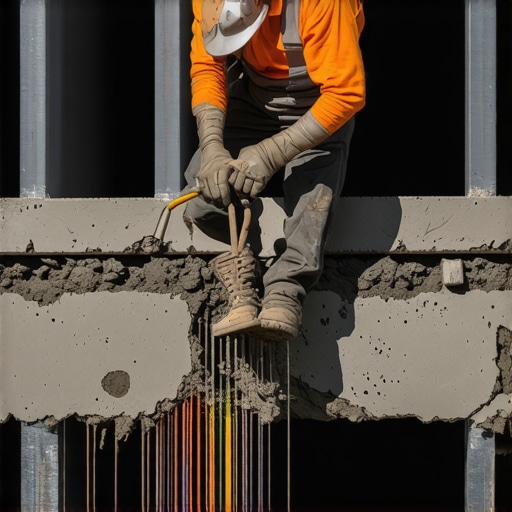
Expert Foundation & Concrete Patch Repair for Long-Lasting Stability
Mastering the Art of Foundation and Concrete Patch Repair for Enduring Structural Integrity
In the realm of masonry and structural engineering, the precision and expertise applied to foundation and concrete patch repairs are pivotal in safeguarding long-term stability. As professionals, understanding the nuanced techniques that go beyond superficial fixes is essential for delivering durable results that withstand environmental stresses and material degradation over decades.
Why Deep-Rooted Repairs Trump Surface-Level Solutions
Superficial patching might conceal underlying issues, but it rarely addresses the root causes of foundation deterioration. Advanced repair strategies involve comprehensive assessments, including soil analysis, moisture management, and crack pattern evaluations. Such meticulous approaches ensure that interventions restore the structural framework, preventing future failures and maintaining property value.
The Role of Material Science in Concrete Patch Longevity
Utilizing high-performance, chemically compatible materials is a cornerstone of expert concrete patching. Epoxy injections, polymer-modified mortars, and fast-curing cementitious compounds, selected based on project-specific conditions, significantly enhance bond strength and resistance to freeze-thaw cycles and chemical attacks. For instance, consulting authoritative sources like the Journal of Construction and Building Materials can provide insights into material innovations.
Detecting and Mitigating Hidden Damage Before Repair
Advanced inspection techniques such as ground-penetrating radar and ultrasonic testing enable experts to uncover non-visible issues like internal cracks or voids. Addressing these hidden problems proactively prevents escalation, ensuring that the concrete patch repair not only fixes surface anomalies but also reinforces the overall stability of the foundation structure.
What are the latest innovations in concrete patching that improve durability and ease of application?
Emerging materials such as self-healing concrete and nanotechnology-enhanced compounds are revolutionizing repair practices. Self-healing concrete incorporates microcapsules that release healing agents upon cracking, effectively extending service life. For more detailed insights, visit our comprehensive guide on effective foundation concrete patch solutions.
Engaging with professional content and sharing expert insights can elevate repair standards, ensuring properties maintain their structural integrity for generations. For those interested in refining their masonry expertise, exploring related topics such as trustworthy foundation tuckpointing and facade restoration strategies can provide a holistic understanding of masonry longevity.
In conclusion, mastery in foundation and concrete patch repair goes beyond basic patching—it’s about strategic, science-backed interventions that prioritize durability, compatibility, and long-term performance. As industry standards evolve, continuous education and adoption of innovative materials remain essential for expert practitioners committed to excellence in structural stability.
Harnessing Cutting-Edge Repair Technologies for Lasting Structural Integrity
In the pursuit of durable masonry, the integration of innovative repair techniques is transforming how professionals approach foundational and concrete patching. Traditional methods, while still effective, are increasingly complemented by advancements such as fiber-reinforced composites and nano-engineered materials, which significantly enhance repair longevity. These innovations not only reinforce existing structures but also provide resilience against environmental stressors like moisture infiltration and freeze-thaw cycles, as detailed in the Journal of Construction and Building Materials.
Why Do Some Repairs Fail Over Time, and How Can We Prevent It?
Many foundational repairs falter because they neglect underlying issues such as soil movement, poor material compatibility, or inadequate surface preparation. Addressing these causes requires a comprehensive approach, including soil stabilization techniques, meticulous surface cleaning, and the use of chemically compatible materials. A holistic strategy ensures that repairs are not just superficial fixes but are embedded within a framework that promotes long-lasting stability. For instance, employing trusted foundation concrete patch repairs can dramatically extend the lifespan of your masonry investments.
What are the most promising innovations in concrete patching that could redefine industry standards?
Emerging materials such as self-healing concrete, which uses microcapsules to automatically repair cracks, and nanotechnology-enhanced compounds are paving the way for more durable repairs. These materials respond dynamically to environmental stresses, reducing the frequency of maintenance and increasing structural resilience. For a deeper dive into these breakthroughs, explore our detailed guide on effective foundation concrete patch solutions.
Engaging with expert content and ongoing research can elevate repair standards, ensuring properties retain their strength and appeal for decades. For those seeking to deepen their masonry expertise, exploring related strategies such as trustworthy foundation tuckpointing and façade restoration techniques provides a comprehensive understanding of masonry longevity.
Implementing Science-Backed Solutions for Lasting Results
Materials science plays a pivotal role in achieving durable repairs. Selecting high-performance, chemically compatible products like epoxy injections or polymer-modified mortars ensures strong bonds and resistance to environmental degradation. Incorporating these advanced materials, as discussed in the expert tuckpointing and concrete patch services, can significantly improve repair longevity. Proper surface preparation, moisture control, and crack stabilization further contribute to long-term success, turning repairs into a lasting safeguard against future damage.
Would adopting these innovative practices influence the future standards of masonry repair?
Absolutely. As industry standards evolve toward incorporating sustainability and durability, professionals must stay ahead by embracing technological advancements. Continuous education, along with a commitment to using scientifically proven materials and methods, ensures that repairs not only meet but exceed current expectations. Sharing insights and engaging with expert communities accelerates this progress, fostering a culture of excellence in masonry repair.
If you’re passionate about elevating your masonry skills, consider exploring more about facade cleaning and restoration, which complements foundational repairs and enhances overall property value. Discover how integrated strategies can create resilient and beautiful structures by visiting our comprehensive resources.
Revolutionizing Concrete Patching with Nano-Engineered Solutions and Self-Healing Technologies
In the quest for longevity and resilience, the latest advancements in material science are transforming concrete repair practices. Nano-engineered compounds, for example, incorporate nanoparticles that significantly enhance the mechanical properties of patch materials. These tiny particles improve bond strength, reduce permeability, and increase resistance to chemical attacks, thus extending service life. Simultaneously, self-healing concrete, embedded with microcapsules containing healing agents, can autonomously repair cracks as they form, dramatically reducing maintenance costs and preventing structural deterioration. A comprehensive review published in ScienceDirect highlights how these innovations are setting new standards in construction durability.
Addressing Complex Soil-Foundation Interactions to Prevent Future Failures
One often-overlooked aspect of foundation repair is the dynamic interaction between soil mechanics and structural stability. Modern geotechnical analysis involves advanced modeling techniques, such as finite element analysis, to predict soil behavior under varying moisture levels, load conditions, and environmental factors. These insights inform targeted soil stabilization strategies—like chemical grouting, soil replacement, or the use of geosynthetics—that mitigate differential settlement, reduce stress concentrations, and improve overall foundation performance. According to the Geotechnical Engineering Journal, integrating precise geotechnical assessments into repair plans significantly enhances long-term stability.
Can integrating real-time monitoring systems with foundation repair strategies prevent catastrophic failures?
Absolutely. Embedding sensors such as strain gauges, piezometers, and fiber optic cables within repaired foundations allows continuous monitoring of structural health. These systems detect early signs of stress accumulation, moisture infiltration, or settlement anomalies, enabling proactive maintenance before damage becomes critical. The adoption of smart infrastructure—powered by IoT technologies—represents a paradigm shift from reactive to predictive maintenance, ensuring sustained structural integrity over decades. For a detailed exploration of this approach, see the article in The Structural Engineer.
Engagement with these advanced strategies requires a multidisciplinary approach, combining material science, geotechnical engineering, and digital technology. Professionals seeking to stay at the forefront of repair excellence should continually update their knowledge base, participate in industry forums, and collaborate with research institutions exploring groundbreaking durability solutions.
Engage Deeper with Cutting-Edge Repair Methodologies
For those committed to mastering next-generation masonry repair techniques, integrating these innovative materials and monitoring solutions into routine practice is crucial. Whether dealing with historic preservation or modern infrastructure, understanding the intricacies of material compatibility, environmental interactions, and technological integration will define the future of durable construction. As the industry evolves, ongoing education and active involvement in research initiatives will ensure your projects not only meet current standards but set new benchmarks for longevity and resilience.
Advanced Material Technologies Redefining Concrete Patching
The continuous evolution of material science has introduced groundbreaking solutions such as bio-inspired self-healing concretes and nano-enhanced compounds, which significantly extend the lifespan of repairs. These materials respond dynamically to environmental stresses, reduce permeability, and promote stronger bonds—ultimately transforming traditional repair paradigms. For an in-depth understanding, refer to authoritative research in ScienceDirect.
Integrating Geotechnical Innovations for Superior Foundation Stability
Optimizing foundation longevity involves advanced geotechnical techniques like real-time soil behavior monitoring and adaptive stabilization methods. Implementing sensors and predictive analytics enables preemptive intervention, minimizing risks related to soil liquefaction, settlement, or erosion. According to the Geotechnical Engineering Journal, such integration elevates foundation resilience against environmental challenges.
Can Smart Monitoring Systems Revolutionize Foundation Maintenance?
Embedding IoT-enabled sensors within foundation repairs facilitates continuous health monitoring, detecting early signs of structural compromise. This approach shifts maintenance from reactive to predictive, reducing costs and preventing catastrophic failures. Industry leaders advocate for adopting these systems to enhance long-term performance, supported by case studies in The Structural Engineer.
Harnessing Nanotechnology for Superior Repair Durability
Nanoparticles incorporated into repair materials enhance mechanical properties and chemical resistance. This nanotechnology-driven innovation offers remarkable improvements in crack resistance and durability, ensuring repairs withstand environmental assaults for decades. To explore these advancements, consult comprehensive reviews in Journal of Construction and Building Materials.
Strategic Soil Stabilization Techniques to Prevent Future Cracks
Modern geotechnical solutions like chemical grouting, soil replacement, and geosynthetics mitigate differential settlement and foundation movement. These methods are critical in complex environments where soil behavior directly influences structural stability. Detailed methodologies are available from leading geotechnical research institutions, emphasizing the importance of tailored solutions for each project.
How Can Real-Time Data Analytics Improve Long-Term Structural Health?
Deploying data analytics platforms that interpret sensor data enables engineers to identify subtle shifts in structural integrity and environmental conditions. This real-time analysis informs maintenance schedules, ensuring timely interventions that prolong the lifespan of foundation repairs. Industry case studies highlight the success of integrating digital health monitoring into routine structural assessments.
Join the Revolution in Foundation and Concrete Repair
Embracing these innovative, science-backed strategies elevates your expertise and ensures your projects set new standards for durability and resilience. Continuous education and active engagement with cutting-edge research are essential for staying ahead in this dynamic field. Explore specialized training programs, attend industry conferences, and participate in collaborative research initiatives to deepen your mastery of advanced repair techniques.
Peerless Strategies for Long-Lasting Repairs
Harnessing advanced techniques and high-performance materials ensures your foundation and concrete patches stand the test of time. Experts emphasize precision in surface preparation, material compatibility, and environmental considerations—integral elements that prevent future deterioration and structural compromise.
Innovative Material Applications
Utilizing epoxy injections, nanotechnology-enhanced compounds, and self-healing concretes can significantly extend repair longevity. These materials respond dynamically to environmental stresses, reducing maintenance frequency and safeguarding structural integrity.
Advanced Diagnostic Tools
Ground-penetrating radar and ultrasonic testing empower specialists to uncover hidden damages, such as internal cracks and voids, allowing for comprehensive repairs that reinforce the entire structure rather than just superficial fixes.
Soil-Foundation Dynamics
Modern geotechnical analysis, including real-time soil behavior monitoring, guides targeted stabilization techniques like chemical grouting and geosynthetics, mitigating settlement issues and enhancing foundation resilience against environmental changes.
Smart Monitoring for Predictive Maintenance
Embedding IoT sensors within repaired structures facilitates continuous health assessments. Early detection of stress or moisture infiltration enables preemptive interventions, making repairs not only durable but intelligently managed over decades.
Curated Resources for Deep Expertise
- ScienceDirect on Construction Materials: Offers peer-reviewed research on innovative materials like nanocomposites and self-healing concrete, essential for understanding cutting-edge repair science.
- Geotechnical Engineering Journal: Provides insights into soil-structure interactions, crucial for foundation stability and long-term performance.
- The Structural Engineer Magazine: Features case studies on smart infrastructure and monitoring systems, bridging theory and practical application.
Final Reflection from a Top Industry Authority
Mastery of foundation and concrete patch repair hinges on integrating technological advancements with expert judgment. Embracing innovative materials and diagnostic tools not only elevates repair durability but also positions professionals at the forefront of industry standards. To deepen your expertise, explore related topics such as trustworthy foundation tuckpointing and facade restoration strategies. Engage actively with ongoing research, and never underestimate the power of precision and innovation in safeguarding structures for generations.
I’ve been in the masonry repair industry for over 15 years, and what stands out from this detailed discussion is the importance of integrating advanced materials with thorough site assessment. I completely agree that surface fixes are often just temporary solutions. In my experience, employing nanotechnology-enhanced compounds and self-healing concrete can dramatically reduce long-term maintenance needs, especially in environments with harsh weather conditions. One challenge I encountered is ensuring material compatibility, particularly with historic structures where preservation is critical. Do others have recommendations for balancing innovative repair materials with the preservation of older buildings? Sharing success stories or strategies could really help advance best practices in our field.