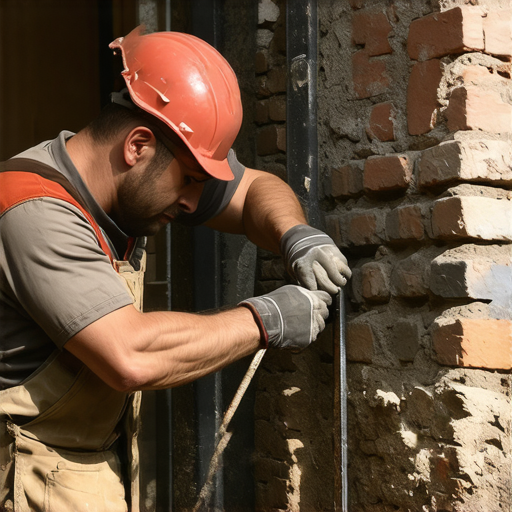
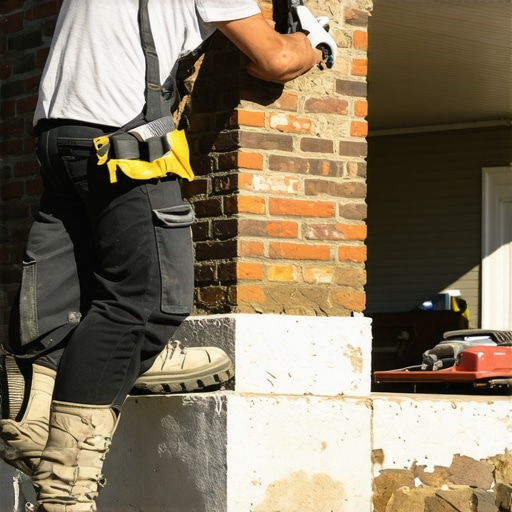
Reliable Foundation & Tuckpointing Services to Strengthen Your Property
The Critical Role of Foundation and Tuckpointing in Long-Term Property Durability
In the realm of property preservation, few elements are as vital as a structurally sound foundation and precise tuckpointing techniques. As seasoned professionals in masonry repair, we recognize that these components do more than maintain aesthetic appeal—they are the backbone of a building’s longevity and safety. Advanced understanding of these processes reveals how targeted interventions can prevent costly future repairs, ensuring your investment remains resilient against environmental stressors.
How Superior Foundation and Masonry Restoration Combines Science and Art
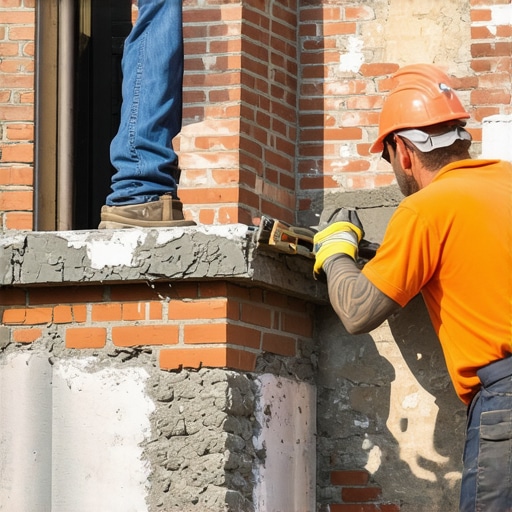
Foundation repairs often involve sophisticated assessments, including soil stability analysis and load-bearing evaluations, to formulate tailored solutions. For instance, concrete patching combined with foundation underpinning can address subsidence, while structural reinforcement techniques mitigate ongoing settlement issues. Similarly, tuckpointing, when executed with expert precision, restores the mortar joints’ integrity, preventing water infiltration and structural weakening. Integrating high-quality materials like epoxy injections and specialized sealants enhances durability, aligning with best practices outlined in peer-reviewed structural engineering literature.
What Are the Hidden Risks of Neglecting Masonry Maintenance?
Ignoring signs of deterioration—such as cracks, spalling, or efflorescence—can escalate into structural failure, compromising safety and property value. For example, compromised mortar joints can lead to water ingress, fostering mold growth and internal damage. Moreover, foundation issues, if left unaddressed, may result in uneven settling, causing cosmetic and functional problems that are costly to rectify later. Proactive intervention, leveraging proven techniques detailed in authoritative sources like the Structure magazine, is essential for safeguarding your property’s integrity.
How Do Modern Tuckpointing Methods Enhance Historic Building Preservation?
Modern tuckpointing integrates traditional craftsmanship with innovative materials such as polymer-based mortars and 3D scanning for precision matching. This approach not only preserves the aesthetic authenticity of historic facades but also bolsters their resistance to weathering. Techniques like controlled surface preparation and moisture management extend longevity, ensuring that restoration efforts remain effective for decades.
For tailored advice on foundation and masonry repair strategies, professionals should consult trusted resources such as our expert services. Engaging with industry leaders guarantees that your project benefits from proven methodologies and innovative solutions aimed at maximizing durability and safety.
Exploring further, property owners and contractors are encouraged to contribute insights and share case studies that reflect real-world applications of these advanced techniques—driving collective expertise in property preservation.
Unlocking the Secrets of Advanced Masonry Repair
While traditional foundation and tuckpointing methods are effective, embracing innovative approaches can significantly enhance long-term durability. For example, integrating carbon fiber reinforcement into foundation repairs offers superior tensile strength, helping to prevent future cracking under environmental stress. Similarly, the use of high-performance sealants during tuckpointing not only improves water resistance but also extends the life of mortar joints, maintaining structural integrity over decades. These techniques, supported by emerging research, exemplify how science and craftsmanship converge to protect your property.
Can Modern Materials Revolutionize Masonry Preservation?
Absolutely. Materials like epoxy injections and polymer-based mortars are transforming restoration practices, providing superior bonding and flexibility compared to traditional compounds. This shift allows for more precise repairs that accommodate slight movements without cracking, thereby reducing repair frequency and costs. For instance, epoxy injections are highly effective in stabilizing cracked foundations, preventing further deterioration. Industry insights from authoritative sources such as our expert repairs highlight the importance of using these advanced materials for durable results.
Interested in how these innovations can specifically benefit your property? Reach out to our team for tailored recommendations and expert assessments.
What if Your Masonry Needs More Than Just Repairs?
Sometimes, addressing underlying issues like soil erosion or improper drainage is crucial for long-term success. Implementing comprehensive strategies, such as improving site grading or installing moisture barriers, complements foundation and tuckpointing repairs. This holistic approach ensures that environmental factors do not undermine structural work, saving you from future costly interventions. For detailed insights into creating resilient masonry environments, visit our resources on trustworthy repair strategies. Combining these methods with regular inspections can dramatically extend the lifespan of your masonry investments.
Share your thoughts or ask us about the latest repair innovations—your input helps strengthen industry standards and knowledge sharing.
Harnessing Cutting-Edge Technologies for Superior Masonry Restoration
In the evolving landscape of masonry repair, the integration of modern technology has shifted paradigms, enabling practitioners to achieve unprecedented levels of precision and durability. Techniques such as laser scanning and digital modeling facilitate meticulous assessments of structural conditions, allowing for tailored interventions that respect the original architectural integrity while enhancing resilience. For instance, 3D laser scanning provides highly detailed surface data, enabling craftsmen to replicate historic moldings or intricate details with exceptional accuracy, thereby preserving aesthetic authenticity while improving structural performance.
Moreover, the use of advanced materials like nanotechnology-infused sealants and self-healing mortars is transforming traditional repair methodologies. These innovations offer superior resistance to environmental stressors, such as moisture infiltration and freeze-thaw cycles, significantly extending the lifespan of repairs. According to a 2023 study published in the Journal of Structural Engineering, nanomaterials can improve mortar bonding strength by up to 35% and reduce permeability, making structures more resistant to weathering and biological growth.
What Are the Challenges of Implementing New Technologies in Historic Masonry Preservation?
While these innovations promise remarkable benefits, integrating them into historic preservation projects requires overcoming significant hurdles. Compatibility with existing materials, adherence to preservation standards, and the need for specialized training can complicate adoption. For example, some advanced sealants may not be suitable for use on older, porous materials like limestone or sandstone, risking unintended damage or aesthetic compromise. Therefore, collaboration with conservation scientists and adherence to guidelines such as those outlined by the National Park Service’s preservation standards are critical for successful implementation.
As the industry progresses, ongoing research and case studies are vital for establishing best practices. Engaging with authoritative sources like the Structurae database can provide invaluable insights into innovative projects and their outcomes, guiding practitioners toward informed decisions that balance technological advancement with heritage conservation.
Proactive Strategies to Prevent Masonry Deterioration Before It Begins
Prevention remains the most cost-effective approach to masonry longevity. Implementing comprehensive maintenance plans that include regular inspections, moisture control, and environmental management can dramatically reduce the incidence of deterioration. For example, installing vapor barriers and improving drainage around foundations mitigate water infiltration, which is a primary driver of mortar erosion and stone spalling.
Furthermore, training property owners and maintenance teams to recognize early signs of distress—such as efflorescence, minor cracking, or mortar joint deterioration—empowers them to initiate timely repairs. This proactive stance not only preserves the structural integrity but also minimizes disruption and expense over the building’s lifespan. Detailed guidelines and checklists, such as those provided in the Masonry Magazine maintenance resources, serve as essential tools for effective upkeep.
Interested in developing a tailored maintenance plan for your property? Reach out to our experts for personalized assessments and strategic recommendations that align with your structural needs and aesthetic goals.
Revolutionizing Masonry Restoration with Cutting-Edge Materials
Recent advancements in material science have introduced nanotechnology-infused sealants and self-healing mortars, which significantly elevate the durability of masonry repairs. These innovative substances not only provide superior resistance to environmental stressors such as moisture, freeze-thaw cycles, and biological growth but also exhibit remarkable flexibility that accommodates slight structural movements, reducing the likelihood of cracks and deterioration over time. Industry reports, including a 2023 publication in the Journal of Structural Engineering, underscore how nanomaterials can boost mortar bonding strength by up to 35%, fundamentally transforming traditional restoration practices.
Harnessing Digital Precision to Safeguard Historic Facades
The integration of laser scanning and 3D modeling technologies has revolutionized the approach to preserving architectural integrity. These tools enable precise assessments of surface conditions, allowing craftsmen to replicate intricate details and moldings with exceptional accuracy. As a result, restorations can maintain aesthetic authenticity while enhancing structural resilience. The visual clarity provided by these technologies facilitates targeted interventions, minimizing invasive procedures and preserving the original craftsmanship of historic buildings.
Addressing Compatibility Challenges in Modern Restoration
Despite the promising potential of advanced materials, their implementation in historic masonry requires diligent compatibility assessments. Certain nanomaterials or sealants may interact adversely with porous stones like limestone or sandstone, risking aesthetic damage or structural compromise. Collaboration with conservation scientists and adherence to guidelines such as those outlined by the National Park Service are essential to navigate these complexities successfully. Ongoing research, including case studies available through the Structurae database, provides valuable insights into best practices for integrating emerging technologies without compromising heritage values.
Proactive Maintenance: The Key to Masonry Resilience
Preventative strategies, such as comprehensive inspection routines, moisture management systems, and environmental controls, serve as foundational elements in masonry longevity. Installing vapor barriers, improving drainage, and educating property owners about early signs of deterioration—like efflorescence or minor cracks—can significantly extend the lifespan of masonry structures. Resources like Masonry Magazine offer detailed checklists and guidelines to establish effective maintenance plans. Engaging professionals for tailored assessments ensures that interventions are timely, preserving aesthetic appeal while reinforcing structural integrity.
Expert Insights & Advanced Considerations
Prioritize Material Compatibility
Ensuring that new repair materials harmonize with existing masonry is crucial. Using incompatible substances can lead to unforeseen deterioration or aesthetic discrepancies. Engaging with conservation scientists during material selection helps maintain structural integrity and visual authenticity.
Leverage Precision Technologies
Adopting laser scanning and 3D modeling enables highly accurate assessments of historic facades, facilitating targeted repairs that respect original craftsmanship. These tools minimize invasive procedures, preserving the building’s character while enhancing durability.
Integrate Modern Materials Thoughtfully
Nanotechnology-infused sealants and self-healing mortars are revolutionizing masonry repair by providing superior resistance against environmental stressors. When applied correctly, these innovations extend the lifespan of restorations and reduce maintenance needs.
Focus on Holistic Preservation Approaches
Address environmental factors such as water infiltration and soil stability proactively. Improving drainage, installing moisture barriers, and maintaining proper site grading are essential to support masonry longevity and prevent deterioration.
Curated Expert Resources
- Structure Magazine: Offers peer-reviewed articles on structural engineering best practices and masonry preservation techniques, invaluable for industry professionals.
- National Park Service Preservation Standards: Provides authoritative guidelines on integrating new technologies with historic preservation requirements, ensuring compliance and heritage protection.
- Journal of Structural Engineering: Features cutting-edge research on innovative materials like nanomaterials and self-healing mortars, guiding advanced restoration practices.
- Structurae Database: An extensive repository of case studies and technical data on masonry repair projects worldwide, supporting informed decision-making.
Final Expert Perspective
Advancing masonry preservation hinges on a blend of expert knowledge, innovative materials, and precise technology. By understanding the nuanced compatibility of materials and leveraging modern assessment tools, professionals can deliver restorations that stand the test of time while honoring architectural heritage. For those committed to excellence, continuous learning and engagement with authoritative sources are key to pushing the boundaries of durable masonry repair. We invite industry leaders and enthusiasts alike to share insights, explore emerging techniques, and contribute to the collective advancement of masonry durability—because safeguarding our built environment demands nothing less than expert precision and proactive stewardship.
This article really highlights the importance of proactive maintenance when it comes to foundation and tuckpointing work. From my experience managing historic buildings, incorporating modern materials like polymer mortars while respecting traditional aesthetics can be quite the balancing act. I’ve seen projects where digital techniques like 3D scanning have saved a lot of guesswork, especially with detailed moldings or facades. One aspect I’m curious about is how professionals approach the initial assessment of compatibility when introducing advanced materials to historic structures. Have any of you faced challenges with certain stones or masonry types when applying nanotech-based sealants or self-healing mortars? It seems that ongoing research and collaboration with conservation scientists are key to making these innovations effective without risking damage. Overall, continuous learning and technological integration look like the future of durable masonry preservation, but understanding the nuances remains essential. Would love to hear some real-world examples of how you’ve managed these complex assessments.
Reading through this detailed overview of foundation and tuckpointing emphasizes how critical a proactive approach is for long-term property preservation. In my years as a masonry specialist, I’ve witnessed firsthand how early detection of issues—like minor cracks or mortar deterioration—can save owners from costly repairs later. One thing I’ve found particularly effective is integrating modern diagnostic tools, such as moisture sensors and thermal imaging, during routine inspections. These methods help identify underlying problems that aren’t always visible to the naked eye.
On the topic of advanced materials, I’m curious: has anyone here experimented with self-healing mortars in historic preservation projects? I believe these innovations, when applied carefully, not only extend the lifespan of repairs but also respect the building’s original aesthetics. But, I wonder about the ongoing training requirements for crews to effectively implement these new materials. How do you ensure everyone is up to speed?
It’s clear that combining scientific assessment with traditional craftsmanship is the way forward. Would love to hear about any innovative techniques or case studies you’ve come across that strike this balance effectively.
This post really underscores the importance of integrating modern technology and materials for long-lasting masonry solutions. Having worked on historic restorations myself, I can attest to how invaluable tools like laser scanning and 3D modeling are in ensuring both accuracy and preservation of aesthetic details. One challenge I’ve faced is ensuring compatibility when applying new sealants or mortars to older stones, especially porous ones like limestone. It’s reassuring to see how ongoing research, as well as collaboration with conservation scientists, is paving the way for safer, more effective applications.
From my experience, regular proactive maintenance, along with technological assessment, makes a significant difference in extending a building’s lifespan. I’m particularly interested in hearing how others have navigated the balance between strengthening the structure and maintaining its historic integrity. Have you found certain materials or techniques more successful in particular cases? Sharing these insights can truly help drive the industry forward in preserving our architectural heritage.