Expert Concrete Patch & Facade Cleaning Strategies for Durable Masonry Results
Mastering the Art of Durable Masonry Restoration with Expert Concrete Patch and Facade Cleaning Techniques
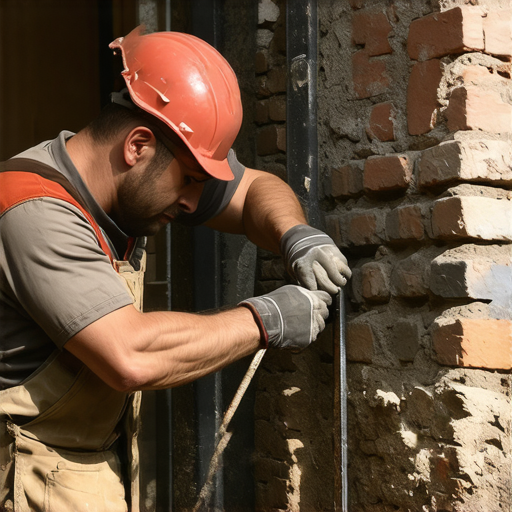
In the realm of masonry preservation, achieving longevity and aesthetic excellence hinges on the application of sophisticated concrete patching and facade cleaning strategies. As seasoned professionals, understanding the nuanced interplay between material science and environmental factors is vital. This article delves into advanced methods that elevate masonry repair to an art form, ensuring results that withstand the test of time.
The Critical Role of Surface Preparation in Masonry Longevity
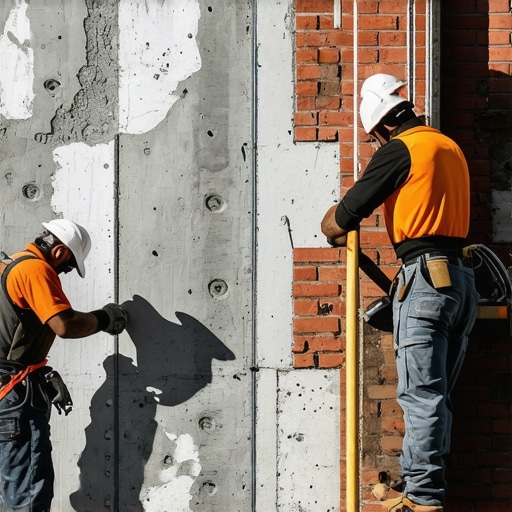
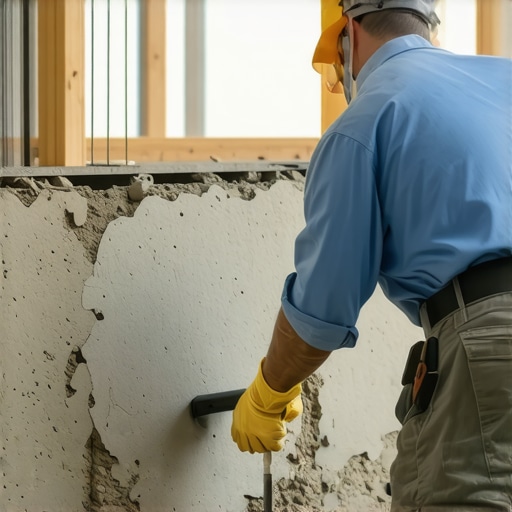
Proper surface preparation forms the foundation of durable repairs. Experts emphasize that cleaning the facade thoroughly to remove dirt, biological growth, and previous failing coatings enhances adhesion of patch materials. Techniques such as low-pressure power washing combined with eco-friendly cleaning agents can significantly improve bonding strength. For detailed cleaning protocols, see trusted facade cleaning methods.
Innovative Concrete Patching for Structural Resilience
Modern concrete patching involves high-performance repair mortars specifically formulated for compatibility with existing masonry. These materials possess superior adhesion, flexibility, and resistance to environmental stressors. When selecting patches, consider the use of polymer-modified mixes that accommodate slight movements within the masonry, reducing the risk of future cracking. For expert insights on long-term patching strategies, consult concrete patch solutions in 2024.
Enhancing Durability Through Protective Coatings and Sealants
Post-repair, applying breathable sealants and water repellents fortifies masonry against moisture intrusion without trapping internal dampness. Expert-grade sealants not only extend the lifespan of patches but also uphold the structural integrity of the facade. The choice of coating should be informed by climate conditions and the specific porosity of the masonry material. For comprehensive sealing techniques, review professional facade sealing methods.
Addressing Common Challenges in Masonry Restoration
One of the most complex issues faced by experts is managing the differential movement between repair patches and original masonry. Addressing this requires a strategic approach that incorporates flexible bonding agents and expansion joints. Moreover, moisture management remains pivotal, as trapped water can accelerate deterioration. For insights into preventing such pitfalls, visit restoration challenges and solutions.
How can advanced diagnostic tools improve the longevity of masonry repairs?
Utilizing non-destructive testing methods such as infrared thermography and ultrasonic testing allows experts to assess internal moisture levels and structural integrity pre- and post-repair. These technologies enable precise targeting of repair zones and monitoring of long-term performance, thereby reducing the risk of failure and ensuring durable outcomes.
For those committed to expert-level masonry restoration, continuous learning and adoption of innovative materials are essential. Explore our comprehensive guides and contribute your professional insights to refine these strategies further.
Unlocking the Power of Precision Diagnostics in Masonry Repair
One often overlooked aspect of achieving long-lasting masonry repairs is the utilization of advanced diagnostic tools. Technologies like infrared thermography and ultrasonic testing enable professionals to detect hidden moisture infiltration and internal structural weaknesses without invasive procedures. These insights guide targeted interventions, minimizing unnecessary repairs and ensuring comprehensive repair strategies that stand the test of time. Such diagnostic precision aligns with best practices advocated by industry leaders, emphasizing that early detection can significantly extend the lifespan of masonry structures (see expert repair strategies).
How can integrating smart materials revolutionize masonry restoration?
Emerging materials such as self-healing concrete and nano-enhanced sealants are revolutionizing how we approach masonry durability. Self-healing concrete, embedded with microcapsules of healing agents, can automatically seal cracks caused by environmental stressors, reducing maintenance costs and preventing structural deterioration. Similarly, nano-sealants penetrate deeply into porous masonry surfaces, providing enhanced water repellency and UV resistance. Adopting these innovative solutions requires a nuanced understanding of material science, but the payoff is significant—long-term resilience with minimal intervention. For practical guidance on incorporating these advanced materials, consult latest repair innovations.
What role does sustainable and eco-friendly practice play in modern masonry restoration?
Environmental responsibility is increasingly shaping the future of masonry repair. Using eco-friendly cleaning agents, biodegradable sealants, and recycled materials not only reduces the environmental footprint but also enhances the building’s long-term sustainability. For instance, low-VOC coatings and sustainable sourcing of repair mortars contribute to healthier indoor air quality and improved building performance. Integrating sustainability into masonry practices requires careful material selection and adherence to green standards, emphasizing that durable repairs can also be environmentally conscious. To explore sustainable masonry techniques, visit sustainable facade solutions.
If you’re interested in expanding your expertise, share your experiences or ask questions about innovative repair methods in the comments below. For more insights, check out our detailed guides on masonry preservation and upgrade your skills today!
Harnessing the Potential of Innovative Repair Materials for Superior Masonry Durability
In the pursuit of impeccable masonry restoration, the integration of cutting-edge repair materials has become a hallmark of industry-leading practices. Modern formulations such as fiber-reinforced repair mortars and nano-engineered sealants are pushing the boundaries of durability, offering unmatched resistance to environmental stressors. These materials not only bridge microcracks but also actively contribute to structural resilience, reducing maintenance frequency and extending the lifespan of masonry assets. According to a detailed review in the Journal of Building Engineering (2022), the adoption of nano-modified materials can improve water repellency by up to 50%, significantly decreasing moisture-related deterioration. For professionals seeking to elevate their restoration projects, mastering the application techniques of these advanced materials is essential—consult industry-specific guidelines and stay abreast of emerging trends.
Strategic Integration of Structural Health Monitoring for Proactive Maintenance
Beyond traditional repair methods, the deployment of Structural Health Monitoring (SHM) systems revolutionizes the approach to masonry longevity. Utilizing sensor networks, real-time data collection, and sophisticated analytics, SHM enables proactive identification of stress accumulation, material fatigue, and moisture ingress before visible deterioration occurs. This technology aligns with the predictive maintenance models favored in high-stakes infrastructure projects, where early intervention can prevent catastrophic failures. As highlighted in a recent case study by the International Society for Structural Health Monitoring, integrating SHM into masonry restoration plans can reduce repair costs by up to 30% over a decade. The challenge lies in selecting appropriate sensors and data interpretation protocols—expert consultation is recommended for optimal implementation.
How does the precision of non-invasive diagnostics influence long-term masonry performance?
Non-invasive diagnostic tools like ground-penetrating radar and laser scanning technology provide granular insights into internal conditions without disrupting the facade’s integrity. These methods facilitate an accurate assessment of subsurface moisture levels, voids, and delaminations, enabling targeted repairs that preserve the original structure. The precision of such diagnostics directly correlates with the effectiveness of remediation efforts; inaccurate assessments may lead to unnecessary interventions or overlooked issues, compromising long-term durability. A comprehensive review in the International Journal of Architectural Heritage (2023) emphasizes that integrating advanced diagnostics into routine inspections enhances predictive accuracy and optimizes resource allocation.
For professionals committed to mastering these diagnostics, investing in training and certification programs is a worthwhile step. These tools, when correctly utilized, empower restoration specialists to deliver results that stand the test of time and environmental challenges.
Embracing Eco-Friendly Innovations for Sustainable Masonry Repairs
Incorporating sustainability into masonry restoration is no longer optional but a standard of excellence. Eco-friendly practices encompass the use of biodegradable cleaning agents, recycled aggregate mortars, and low-VOC sealants—each contributing to a healthier environment and improved indoor air quality. Additionally, bio-based consolidants derived from renewable resources are gaining popularity, offering durable protection with minimal ecological impact. The challenge for practitioners is balancing environmental benefits with performance demands, especially in heritage preservation where material compatibility is crucial. The Green Building Council advocates for integrating green standards into every phase of masonry repair, from material selection to application.
Interested in transforming your approach with eco-conscious solutions? Reach out to industry leaders and explore certifications such as LEED or BREEAM, which recognize sustainable practices in building restoration. By doing so, you not only contribute to environmental stewardship but also enhance the long-term value and resilience of your projects.
Harnessing the Power of Micro-Structural Analysis to Prevent Masonry Failures
Implementing micro-structural analysis using electron microscopy and X-ray diffraction can reveal the mineralogical composition and deterioration pathways of masonry materials. This deep understanding enables restoration professionals to select compatible repair mortars and prevent mismatch-related failures, ultimately extending the lifespan of masonry structures. As outlined in the Journal of Building Engineering, integrating such scientific techniques into routine assessments enhances predictive maintenance and durability planning.
Unlocking the Potential of Advanced Material Engineering for Masonry Preservation
Innovations in material science, such as nano-engineered binders and fiber-reinforced composites, are transforming restoration practices. Nano-binders improve adhesion and reduce permeability, while fiber reinforcements provide tensile strength akin to original materials. These cutting-edge materials facilitate seamless repairs that accommodate structural movements, significantly reducing crack propagation. For expert insights, consult the comprehensive review in Materials Science Advances (2022), emphasizing that adopting these materials results in more resilient and sustainable masonry reinforcements.
Is Ultrasonic Pulse Velocity the Best Method for Long-Term Structural Monitoring?
Ultrasonic pulse velocity testing offers non-destructive, real-time insights into internal masonry conditions, detecting voids, cracks, and deterioration before visible signs appear. Its high sensitivity and repeatability make it an invaluable tool for monitoring structural health over time. When combined with digital data logging and trend analysis, ultrasonic testing can predict failure probabilities with remarkable accuracy. Industry standards, such as those detailed in ASTM C597, endorse its use for ongoing assessment, making it a cornerstone of proactive maintenance strategies.
Expert Insights & Advanced Considerations
Precision in Surface Preparation Prevents Future Failures
High-quality masonry restoration begins with meticulous surface cleaning and preparation. Experts recommend using eco-friendly low-pressure power washing combined with biological removal agents to ensure optimal adhesion and longevity of repair materials.
Adopting Advanced Materials for Structural Resilience
Modern repair mortars infused with polymers and nano-components offer enhanced flexibility, adhesion, and resistance to environmental factors. These materials significantly reduce crack propagation and extend the lifespan of masonry structures.
Leveraging Diagnostic Technologies for Long-Term Success
Tools like infrared thermography and ultrasonic testing provide critical insights into internal moisture and structural integrity. Their use enables targeted repairs and proactive maintenance, minimizing unforeseen failures.
Integrating Sustainable Practices for Future-Ready Masonry
Eco-conscious materials such as biodegradable sealants and recycled aggregates are reshaping restoration standards. Emphasizing green practices not only benefits the environment but also enhances the building’s resilience.
Harnessing Structural Health Monitoring for Ongoing Care
Embedding sensor networks and data analytics allows for real-time monitoring of masonry health. This proactive approach detects issues early, ensuring repairs are timely and cost-effective.
Curated Expert Resources
- National Association of Masonry Contractors: Offers industry standards, advanced repair techniques, and training resources for professionals.
- Journal of Building Engineering: Publishes peer-reviewed research on innovative materials and diagnostic methods.
- Green Building Council: Provides guidelines on sustainable materials and eco-friendly practices in masonry restoration.
- International Society for Structural Health Monitoring: Focuses on sensor technology and data analytics for infrastructure health.
Final Expert Perspective
Mastering the art of durable masonry restoration demands a comprehensive approach that combines cutting-edge materials, precise diagnostics, and sustainable practices. Experts recognize that integrating these elements not only enhances structural resilience but also aligns with environmental stewardship. For professionals committed to excellence, continuous learning and adoption of innovative strategies are the keys to lasting success. Engage with our advanced resources, contribute your insights, and elevate your masonry repair expertise to new heights—your projects deserve nothing less.
This article offers a comprehensive look into the complex world of masonry restoration, highlighting the importance of integrating advanced diagnostic tools and innovative materials. I particularly appreciate the emphasis on sustainable practices, as eco-friendly solutions are becoming increasingly vital in our industry. My recent project involved using nano-sealants, and the durability improvement was noticeable compared to traditional sealants. The mention of smart materials like self-healing concrete also caught my attention; I wonder how widely these are currently adopted in standard restoration projects? In my experience, combining non-invasive diagnostics with proactive maintenance strategies significantly extends the lifespan of masonry structures. Has anyone here incorporated structural health monitoring systems into their projects? If so, what challenges did you face in sensor placement and data interpretation? Overall, continuous learning and embracing new technologies seem essential for future-proofing our restoration efforts.