Best Concrete Patch & Tuckpointing Tips for Durable Masonry Repair
Elevate Your Masonry Maintenance with Advanced Concrete Patch and Tuckpointing Techniques
In the realm of masonry restoration, the pursuit of durability hinges on an intricate blend of material science, precise craftsmanship, and strategic planning. As seasoned experts emphasize, understanding the nuances of concrete patching and tuckpointing not only extends the lifespan of structures but also enhances their aesthetic appeal. This article delves into expert-level insights on optimizing masonry repairs, integrating high-performance materials, and adopting innovative methodologies to achieve long-lasting results.
Strategic Material Selection: The Foundation of Enduring Repairs
Choosing the right concrete patch and tuckpointing mortar is fundamental. Industry standards advocate for materials that exhibit excellent adhesion, flexibility, and resistance to environmental stresses. Epoxy-based patches, for instance, provide superior bonding in structural repairs, as highlighted by the Concrete Repair Manual published by the Portland Cement Association. Additionally, selecting color-matched mortars ensures aesthetic integration, especially critical for historic masonry restoration. Incorporating polymer-modified mortar can significantly improve crack resistance and overall durability, aligning with best practices detailed in authoritative sources.
Innovative Surface Preparation for Optimal Bonding
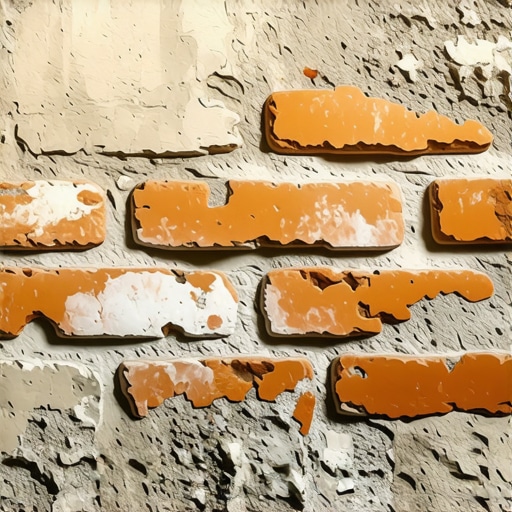
Surface preparation is often underestimated but is pivotal in achieving a durable repair. Advanced techniques involve mechanical cleaning methods such as shot blasting or high-pressure water jetting to remove contaminants and create a receptive substrate. Proper moisture assessment prevents bond failures, a topic extensively discussed in the Journal of Building Engineering. Ensuring the substrate is sound and free from loose debris enhances the adhesion of patching compounds and tuckpointing mortars, thereby mitigating future deterioration risks.
Applying Tuckpointing and Patching with Precision for Long-Term Stability
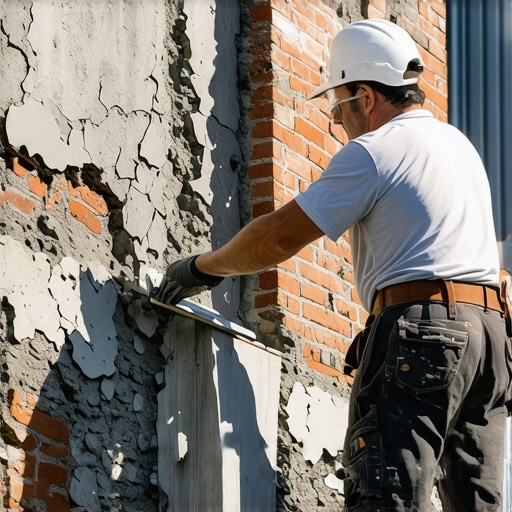
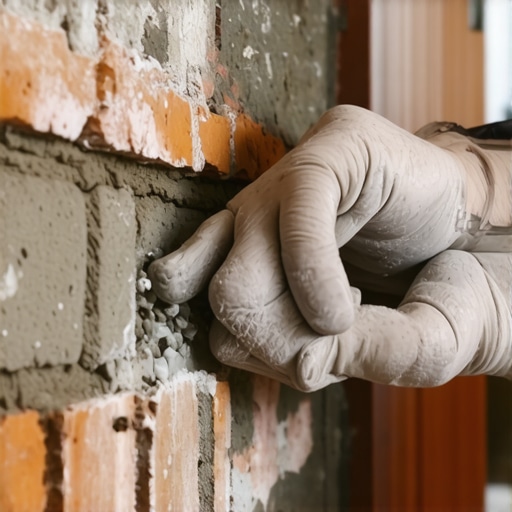
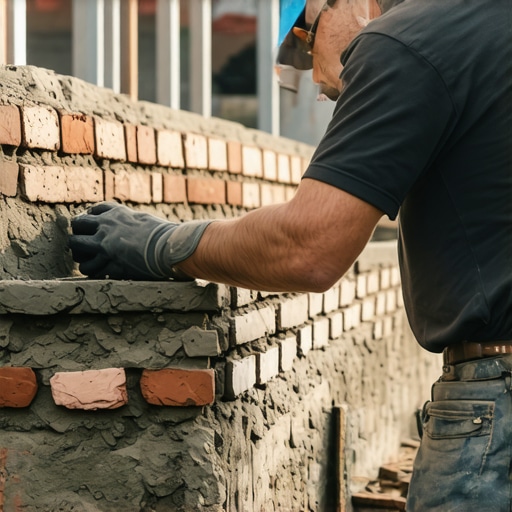
Expert repair involves meticulous application techniques. When tuckpointing, the mortar joints must be carefully raked and cleaned to remove old mortar residues. Using specialized tools, apply mortar in layers, ensuring each is well-compacted and finished to prevent water ingress. For concrete patches, multiple thin layers are preferable over a single thick application, facilitating curing and minimizing shrinkage cracks. Adhering to curing protocols, such as maintaining adequate moisture, enhances bond strength and resistance to environmental factors.
Addressing Complex Challenges in Masonry Restoration
One of the most complex questions faced by professionals involves managing existing structural issues while preventing future failures. How can repair strategies balance immediate aesthetic correction with long-term structural integrity? The answer lies in comprehensive assessment and tailored interventions. For example, integrating foundation stabilization techniques with surface repairs ensures holistic durability. Consulting trusted resources such as expert foundation tuckpointing guides can inform these complex decisions.
What are the emerging materials and techniques that can revolutionize masonry repair durability?
Professionals are increasingly exploring nanotechnology-enhanced composites, self-healing concretes, and environmentally friendly mortars. These innovations promise to extend repair longevity and reduce maintenance costs, representing the cutting edge of masonry technology. Staying informed through industry publications and participating in specialized training ensures mastery of these advancements.
Explore our comprehensive guides on trustworthy foundation tuckpointing and effective facade cleaning strategies to deepen your expertise and contribute to the field’s evolution.
Elevate Your Masonry Restoration with Next-Generation Techniques
As specialists continue to push the boundaries of traditional masonry repair, embracing emerging materials and methods becomes essential for achieving superior durability. Recent developments in self-healing concretes, nanotechnology-infused composites, and eco-friendly mortars are transforming the landscape of long-lasting repairs. These innovations not only extend the lifespan of masonry structures but also reduce ongoing maintenance costs, aligning with the forward-thinking practices promoted by industry leaders like the Portland Cement Association, which underscores the importance of integrating cutting-edge materials for resilient repair outcomes.
Choosing the Right Advanced Materials for Future-Proof Results
Implementing innovative materials starts with a nuanced understanding of their properties. Self-healing concretes, for example, contain microcapsules that release healing agents when cracks form, effectively sealing fissures before they propagate. Similarly, nanomodified mortars increase density and adhesion, providing enhanced resistance against environmental stressors. According to recent research published in the Journal of Building Engineering, these materials demonstrate a significant increase in the durability and lifespan of repaired masonry, making them a wise investment for property owners seeking long-term stability.
Harnessing Precision Surface Preparation for Superior Bonds
Even the most advanced materials require meticulous surface preparation to perform optimally. Techniques such as laser cleaning or ultrasonic blasting can remove stubborn contaminants and create a micro-roughened surface that promotes superior bonding. Proper moisture control, as emphasized in authoritative sources, remains critical; excess moisture can compromise adhesion and lead to premature failure. Mastering these surface preparation methods ensures that high-performance patches and mortars bond seamlessly, preventing future deterioration and maintaining structural integrity.
Applying Repair Techniques That Outlast the Elements
Advanced application practices are vital for maximizing repair longevity. Layered application of polymer-enhanced mortars, combined with controlled curing environments, minimizes shrinkage and cracking. For concrete patches, employing multiple thin layers allows for better curing and reduces internal stresses. In addition, adopting real-time monitoring during curing—such as moisture sensors—can optimize conditions, ensuring the material reaches its full potential. For comprehensive guidance, professionals can consult trusted resources like expert foundation tuckpointing guides.
What role will future materials and smart technologies play in redefining masonry repair standards?
As the industry advances, integrating smart sensors, real-time monitoring, and adaptive materials will revolutionize maintenance protocols. Imagine repairs that automatically detect stress or moisture infiltration and respond with self-healing mechanisms, drastically reducing the need for invasive interventions. Staying informed through industry publications and participating in specialized training, as recommended by leading experts, is essential to harness these breakthroughs effectively. For those eager to explore more, our detailed guides on trustworthy foundation tuckpointing and effective facade cleaning strategies offer valuable insights for elevating your masonry expertise.
Revolutionize Your Masonry Repairs with Smart Materials and Adaptive Technologies
As the field of masonry restoration advances, the integration of smart materials and adaptive technologies is transforming traditional repair paradigms. Imagine concrete patches embedded with micro-sensors that monitor structural health in real time, or self-healing mortars capable of responding dynamically to environmental stresses. These innovations are not mere concepts but are rapidly becoming accessible solutions that significantly extend the lifespan of masonry structures.
One promising development is the use of **nanotechnology-infused composites**, which enhance the intrinsic properties of repair materials. According to a comprehensive review published in the Journal of Building Engineering, nanomodified concretes exhibit higher density, improved adhesion, and greater resistance to crack propagation, making them ideal for high-stress environments. Additionally, **self-healing concretes** utilize microcapsules that release healing agents upon crack formation, effectively sealing fissures before they compromise structural integrity. This proactive approach reduces maintenance costs and minimizes downtime for repairs.
Beyond material innovations, technological advancements in application methods are equally vital. For instance, **ultrasonic and laser cleaning techniques** ensure pristine surfaces that optimize bonding, as emphasized by the Portland Cement Association’s latest guidelines. These methods remove stubborn contaminants and create micro-roughened surfaces, essential for maximizing adhesion of high-performance repair materials. When combined with **precise curing environments**, such as controlled humidity chambers or real-time moisture sensors, the outcome is a resilient bond capable of withstanding environmental assaults over decades.
How Will Emerging Technologies Reshape Masonry Repair Methodologies in the Next Decade?
The future of masonry repair hinges on the convergence of smart materials, IoT-enabled sensors, and AI-driven diagnostics. Envision a repair ecosystem where structures continuously self-assess, transmitting data that guides maintenance decisions before visible deterioration manifests. Such systems could leverage **machine learning algorithms** trained on vast datasets to predict failure points with remarkable accuracy, enabling preemptive interventions that save time and resources.
For professionals eager to stay ahead, engaging with industry leaders through specialized training programs and reviewing authoritative sources like the Trusted Foundation Tuckpointing Guides can provide valuable insights into integrating these innovations into daily practice. The adoption of these forward-thinking solutions is not merely optional but increasingly essential for those committed to delivering durable, cost-effective masonry repairs that meet the demands of modern infrastructure.
Unveiling the Future of Masonry Restoration with Revolutionary Materials
As industry leaders continue pushing the boundaries of traditional repair, embracing innovative materials like nanotechnology-infused composites and self-healing concretes becomes imperative. These advancements promise unprecedented durability, significantly reducing maintenance frequency and costs. For instance, nanomodified mortars enhance density and adhesion, providing superior resistance against environmental assaults, as documented in the latest edition of the Journal of Building Engineering. Property owners and contractors seeking resilient solutions must stay abreast of these developments to ensure structural longevity and aesthetic integrity.
Leveraging Sophisticated Surface Preparation Methods to Maximize Bonding Strength
High-performance repairs depend heavily on meticulous surface preparation. Techniques such as laser cleaning and ultrasonic blasting remove stubborn contaminants while creating a micro-roughened surface ideal for bonding. Proper moisture control, emphasized in authoritative standards like those from the Portland Cement Association, prevents bond failures and enhances the longevity of repairs. Integrating these advanced methods ensures that patching compounds and tuckpointing mortars adhere flawlessly, warding off future deterioration.
Optimizing Application Techniques for Resilient, Weather-Resistant Repairs
Expert application practices involve layering polymer-enhanced mortars and employing controlled curing environments—such as humidity chambers or moisture sensors—that facilitate optimal curing conditions. Multiple thin layers of concrete patching material allow for better curing and reduce internal stresses, avoiding cracks and ensuring structural integrity over time. Additionally, real-time monitoring during curing can prevent common pitfalls, as recommended in the latest industry guidelines. These practices culminate in repairs that outperform environmental challenges and stand the test of time.
Addressing Complex Structural Challenges with Integrated Strategies
The intricacies of masonry restoration often involve balancing aesthetic correction with structural reinforcement. Incorporating foundation stabilization techniques alongside surface repairs ensures a holistic approach, preventing future failures. Consulting trusted resources like expert foundation tuckpointing guides can inform strategic decisions, especially when dealing with historic structures or structural anomalies. This integrated approach enhances both durability and visual appeal, safeguarding investments.
What are the emerging innovations poised to redefine masonry repair standards in the coming decade?
Emerging technologies such as AI-driven diagnostics, IoT-enabled sensors, and adaptive self-healing materials are set to revolutionize masonry maintenance. Imagine structures capable of self-monitoring, detecting stress or moisture infiltration, and initiating repairs autonomously. These advancements will drastically reduce downtime and extend structural lifespan. Staying ahead requires continuous education and engagement with industry pioneers through specialized training programs and authoritative publications like the Journal of Building Engineering. Embracing these innovations today positions professionals and property owners at the forefront of durable masonry repair practices.
Harnessing the Power of Smart Technologies for Future-Ready Masonry Solutions
The integration of smart materials and IoT technologies will soon become standard. Micro-sensors embedded within concrete can provide real-time data on structural health, enabling predictive maintenance that prevents failures before symptoms manifest visibly. Additionally, self-healing mortars equipped with microcapsules that release healing agents upon crack formation can autonomously sustain structural integrity. These innovations exemplify a proactive approach, reducing ongoing costs and enhancing safety. To implement these cutting-edge solutions effectively, industry experts recommend participating in specialized training and consulting comprehensive guides available online.
Expert Insights & Advanced Considerations
Embrace Nanotechnology for Resilient Repairs
Nanotechnology-enhanced composites are revolutionizing masonry repair by providing higher density, better adhesion, and increased resistance to environmental stresses. These materials allow for repairs that not only last longer but also adapt to structural movements, reducing future deterioration.
Utilize Self-Healing Concrete to Minimize Maintenance
Self-healing concretes incorporate microcapsules that release healing agents when cracks form, effectively sealing fissures before they propagate. This innovative approach significantly extends the lifespan of masonry structures, especially in harsh environments.
Integrate Smart Surface Preparation Methods
Advanced surface cleaning techniques like laser cleaning and ultrasonic blasting remove contaminants more effectively than traditional methods. Coupled with precise moisture control, these techniques ensure optimal bonding of repair materials, ensuring durability and structural integrity.
Apply Layered, Controlled Curing Practices
Using multiple thin layers of repair materials and maintaining controlled curing environments, such as humidity chambers or real-time moisture sensors, reduces internal stresses and cracking, resulting in superior long-term performance of repairs.
Leverage Real-Time Monitoring for Predictive Maintenance
Embedding micro-sensors within masonry allows structures to continuously monitor their health, enabling predictive maintenance and early intervention—key strategies in modern structural management.
Curated Expert Resources
- Portland Cement Association: Offers comprehensive guidelines on surface preparation and material selection, essential for high-performance repairs.
- Journal of Building Engineering: Publishes cutting-edge research on nanotechnology, self-healing materials, and innovative construction techniques.
- Industry Training Programs: Specialized courses focusing on smart materials, surface prep, and application methods, vital for staying ahead in masonry repair innovations.
Final Expert Perspective
In the realm of masonry repair, integrating advanced materials like nanotechnology-infused composites and self-healing concretes with meticulous surface preparation and real-time monitoring elevates structural durability to new heights. Staying informed through authoritative resources and embracing innovation ensures that your repairs not only stand the test of time but also set new standards for excellence. For professionals committed to mastery, engaging with these resources and adopting these technologies will define the future of resilient masonry restoration. Your expertise shapes the legacy of enduring structures—never stop advancing.
This article resonates with my own experience working on historic masonry restoration projects. The detailed focus on surface preparation, especially techniques like ultrasonic blasting and laser cleaning, really emphasizes the importance of a meticulous approach to ensure long-lasting repairs. I’ve noticed that even when using high-quality repair materials, skipping or rushing surface prep can lead to premature failures and water ingress, highlighting that preparation is still king. The mention of real-time monitoring and smart materials like micro-sensors and self-healing concrete is quite exciting; I believe these innovations are game-changers, especially for structures in harsh environments where ongoing maintenance can be costly.
In your opinion, what are the most accessible advanced technologies for smaller restoration firms or DIY enthusiasts to start implementing without significant investment? Also, how do you see these smart materials evolving to become more commonplace in everyday masonry repair? Would love to hear others’ insights or experiences with early adoption of these innovations.
This post highlights some crucial aspects of masonry repair that often get overlooked, especially the emphasis on surface preparation. I’ve seen firsthand how using high-quality materials like epoxy patches or self-healing concretes can dramatically improve longevity, but only when combined with meticulous prep work. In my experience, advanced tools like ultrasonic cleaning really do make a difference in creating a suitable bond. Plus, the idea of integrating real-time moisture sensors during curing is fascinating—it allows for better control and reduces risks of failure.
I wonder, with all these technological advancements, how feasible is it for small-scale contractors or even DIY enthusiasts to adopt some of these methods without breaking the bank? Do you think the industry will make these tools more accessible and user-friendly for non-large firms? Additionally, as self-healing and nanotech materials become more mainstream, what do you see as the main challenges in their wider adoption—cost, technical know-how, or something else? Would love to hear experiences from others who’ve started implementing these innovations and the impact they’ve seen.
This article provides a comprehensive look at the future of masonry repair, especially with the emphasis on innovative materials like nanotechnology-enhanced composites and self-healing concretes. I’ve worked on projects where surface preparation was the biggest challenge, and I agree that techniques like ultrasonic blasting and laser cleaning make a huge difference in bonding strength. In my experience, even with the best materials, poor preparation can still lead to failures down the line. The idea of incorporating real-time moisture sensors during curing is particularly appealing, as it allows for greater precision and reduces the risk of defects.
From what I’ve seen, one of the main hurdles facing the adoption of these advanced materials is cost, especially for smaller firms or DIYers with limited budgets. Do you think as these technologies become more mainstream, their prices will drop enough to encourage wider use? Also, the prospect of smart, self-healing structures raises interesting questions—could they eventually become standard even in less critical applications? I’m curious how others see the timeline for these innovations becoming commonplace in everyday masonry work.