Effective Concrete Patch & Facade Cleaning Tips for Durable Masonry Results
Elevating Masonry Longevity Through Advanced Concrete Patch and Facade Cleaning Techniques
In the realm of masonry restoration, achieving durable results necessitates a nuanced understanding of material science, environmental factors, and meticulous application methods. As industry experts emphasize, the strategic integration of high-quality concrete patches with sophisticated facade cleaning not only enhances aesthetic appeal but also reinforces structural integrity over decades.
The Science Behind Effective Concrete Patching for Structural Resilience
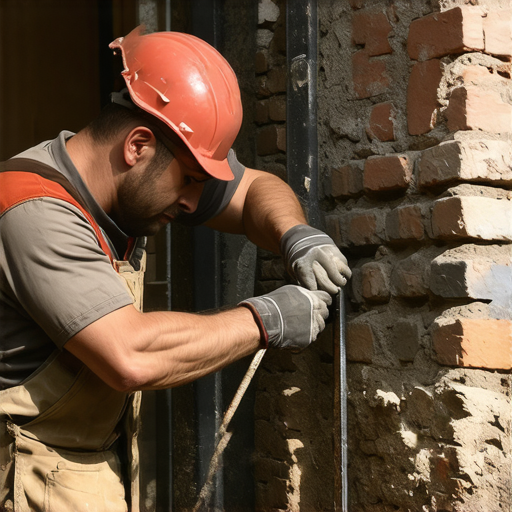
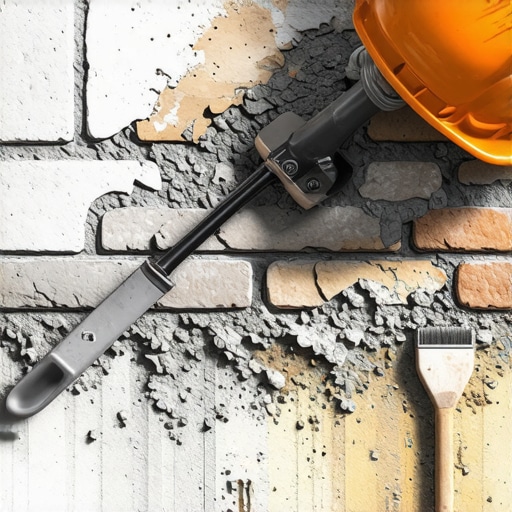
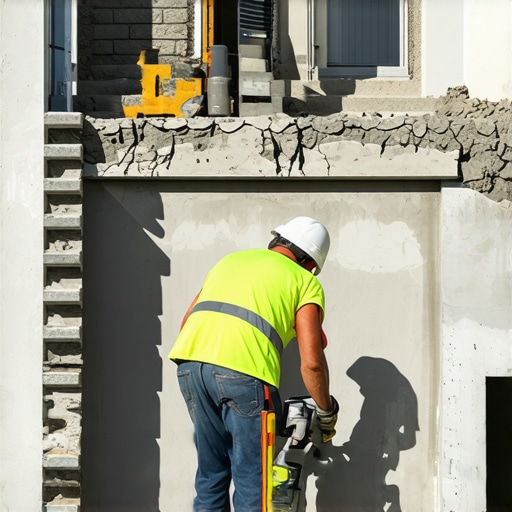
Concrete patching transcends mere cosmetic fixes; it fundamentally restores load-bearing capacity and prevents progressive deterioration. Field-tested formulations, such as polymer-modified overlays, provide superior adhesion and flexibility, accommodating thermal expansion and contraction. For instance, foundation repair strategies demonstrate that integrating moisture barriers during patching mitigates freeze-thaw damage, a critical factor in long-term stability.
Innovative Approaches to Facade Cleaning That Preserve Masonry Integrity
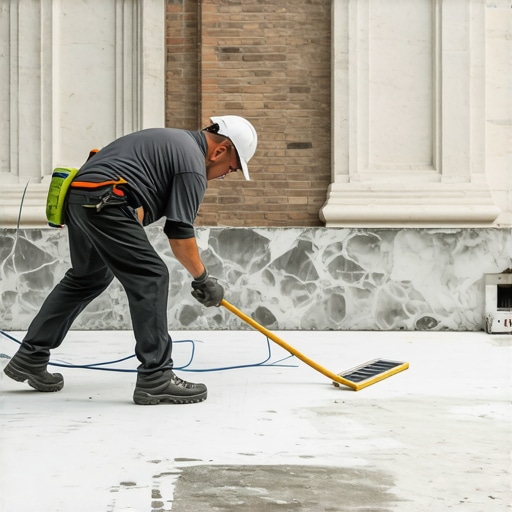
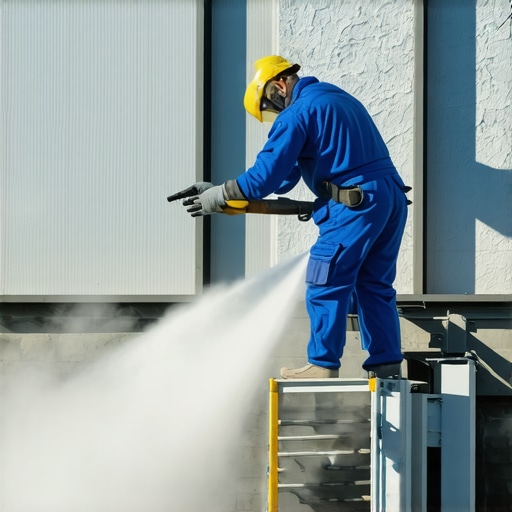
Facade cleaning techniques are evolving to balance aesthetic rejuvenation with preservation of original materials. Experts advocate for low-pressure, eco-friendly cleaning agents that effectively remove pollutants and biological growth without eroding mortar joints or surface textures. Techniques such as laser cleaning are gaining traction for their precision and minimal invasiveness. Proper cleaning not only restores visual appeal but also prevents moisture ingress, a leading cause of deterioration in masonry systems.
Complexity of Material Compatibility and Surface Preparation
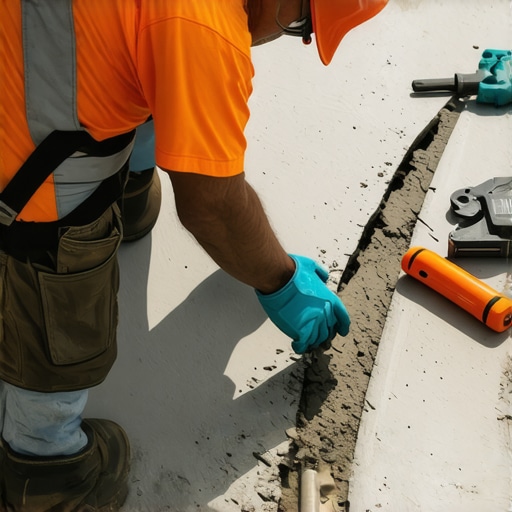
Ensuring compatibility between patch materials and existing masonry is paramount. Field analysis reveals that mismatched thermal expansion properties can induce microcracks, compromising long-term durability. Meticulous surface preparation—removing loose particles, moisture balancing, and applying bonding agents—serves as a foundation for successful repairs. For comprehensive guidance, consult our masonry repair guide.
What Are the Best Practices for Integrating Concrete Patching with Facade Restoration?
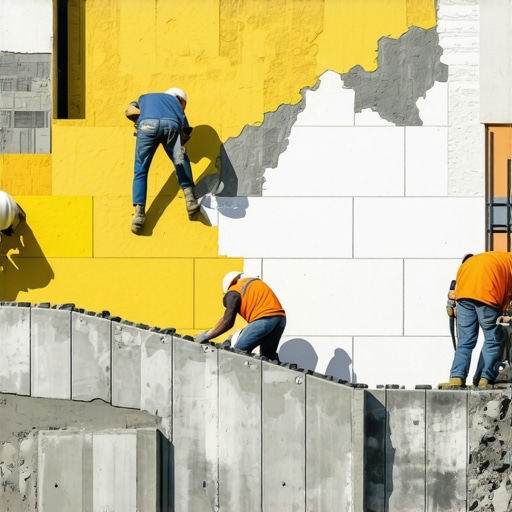
Experts recommend a phased approach: beginning with structural assessment, followed by targeted patching, and concluding with specialized cleaning. This sequence ensures that repairs address root issues, preventing recurrence. Utilizing high-performance sealants post-cleaning seals the surface against environmental ingress, significantly extending the lifespan of masonry structures.
For those seeking to deepen their expertise, exploring advanced facade cleaning strategies can provide additional insights into integrative practices that maximize durability. Furthermore, engaging with professional communities offers opportunities to exchange innovative techniques and real-world case studies.
As the field advances, staying informed about emerging materials and methods remains essential. Adopting a comprehensive, science-backed approach not only preserves the aesthetic and functional qualities of masonry but also ensures its resilience against the relentless forces of nature and time.
Breakthrough Techniques for Masonry Preservation and Enhancement
In the pursuit of long-lasting masonry, the integration of innovative patching materials with precision cleaning methods is transforming industry standards. Modern formulations, such as fiber-reinforced overlays, significantly improve adhesion and crack resistance, ensuring repairs withstand environmental stresses. For comprehensive insights into these advanced materials, reviewing trusted masonry repair techniques reveals effective strategies for durable restoration.
Leveraging Technology for Gentle yet Effective Facade Restoration
Emerging technologies like ultrasonic cleaning and bioremediation are redefining facade restoration. Ultrasonic cleaning employs high-frequency vibrations to dislodge pollutants without damaging mortar joints, while bioremediation harnesses eco-friendly microbes to naturally break down grime. These methods not only preserve the original material integrity but also align with sustainable practices, extending the lifespan of masonry structures. Proper surface preparation remains crucial, with experts emphasizing the importance of moisture control and bonding agent application to maximize repair longevity. For a detailed approach, consult advanced facade cleaning strategies.
What Innovations Will Shape the Future of Masonry Maintenance and Repair?
As technology continues to evolve, the integration of smart sensors and IoT devices to monitor masonry health in real-time offers exciting possibilities. These tools can detect early signs of deterioration, allowing for targeted interventions before structural issues become critical. Combining these innovations with traditional restorative techniques can yield a proactive maintenance model, reducing costs and enhancing longevity. For practitioners committed to excellence, exploring expert tuckpointing and facade cleaning methods ensures your projects meet the highest standards of durability and aesthetic appeal.
Engage with industry forums or share your experiences in masonry repair to foster collective knowledge and innovation. Remember, staying ahead in this field requires continuous learning and adaptation to emerging trends and technologies.
Harnessing Nanotechnology to Boost Masonry Repair Durability
Recent advancements in nanotechnology are opening new horizons for masonry restoration. Nano-sized particles incorporated into patching compounds significantly enhance adhesion, flexibility, and resistance to environmental stressors. For example, nanomaterials like nano-silica or nano-clays can fill microvoids within existing mortar, creating a seamless bond that withstands freeze-thaw cycles and moisture ingress. According to a study published in the Journal of Building Engineering, the integration of nanomaterials can increase crack resistance by up to 50%, dramatically extending the lifespan of repaired masonry surfaces.
Smart Surface Treatments: The Future of Masonry Preservation
Imagine a facade that actively repels water, resists biological growth, and signals early signs of deterioration. Smart surface treatments, including hydrophobic coatings embedded with microcapsules, are transforming traditional preservation methods. These coatings dynamically respond to environmental triggers, such as moisture or pollutants, releasing protective agents that maintain the integrity of the masonry. Cities like San Francisco are pioneering the deployment of such technologies, which not only reduce maintenance costs but also promote sustainability by decreasing reliance on aggressive cleaning and repair interventions.
Can IoT Sensors Revolutionize Masonry Maintenance?
Absolutely. Integrating Internet of Things (IoT) sensors within masonry structures provides real-time data on structural health, moisture levels, and temperature fluctuations. This proactive monitoring enables timely interventions, preventing costly repairs and catastrophic failures. For instance, sensors embedded during patching can detect early microcracking or moisture intrusion, alerting maintenance teams before visible damage occurs. The adoption of IoT in masonry is supported by research from the American Society of Civil Engineers, emphasizing its potential to revolutionize building maintenance practices.
Interested in how these innovations can be tailored to your projects? Connect with industry experts and explore case studies that showcase successful integration of nanotech, smart coatings, and IoT solutions for superior masonry longevity.
Designing for Long-Term Resilience: Strategies Beyond Materials
While advanced materials play a crucial role, strategic design considerations are equally vital. Incorporating proper drainage systems, expansion joints, and thermal expansion allowances prevents stress accumulation within masonry. Additionally, selecting compatible materials with similar thermal properties minimizes microcracking and deterioration over time. For example, using polymer-modified mortar in conjunction with traditional bricks can accommodate thermal movement, reducing cracking risks.
Moreover, implementing maintenance-friendly facade layouts facilitates easier cleaning, inspection, and repair. Architectural innovations, such as modular panels and accessible scaffolding points, enhance the longevity and aesthetic appeal of masonry structures while simplifying ongoing upkeep.
Embrace the Future of Masonry Restoration Today
The convergence of nanotechnology, smart coatings, IoT monitoring, and thoughtful design heralds a new era in masonry preservation. These cutting-edge tools and strategies not only extend the functional lifespan of structures but also contribute to sustainable and cost-effective maintenance regimes. To stay ahead, industry practitioners must continually explore emerging technologies, participate in professional networks, and adapt innovative practices that set new standards for durability and resilience.
For a deeper dive into the latest in masonry repair innovations, visit our comprehensive resource hub or contact our team of experts dedicated to advancing masonry longevity.
Harnessing the Power of Microbial Bioremediation for Eco-Friendly Masonry Restoration
In the quest for sustainable masonry repair, microbial bioremediation emerges as a groundbreaking technique that leverages naturally occurring microbes to degrade pollutants and biological growths on masonry surfaces. Unlike conventional chemical cleaning agents, bioremediation minimizes environmental impact while effectively restoring the aesthetic and structural integrity of masonry. Experts highlight that selecting specific microbial strains capable of metabolizing organic contaminants can significantly reduce the need for abrasive and potentially damaging cleaning methods, ensuring the longevity of historic facades and modern structures alike.
How Can Nano-Enhanced Sealants Extend Masonry Lifespan?
Nano-technology integration into sealants introduces particles at an atomic scale that dramatically improve water repellency, breathability, and resistance to pollutants. Nano-silica and nano-titanium dioxide, for example, create a protective barrier that prevents moisture ingress and inhibits biological growth, which are primary culprits in masonry deterioration. According to studies in the Journal of Building Engineering, nano-enhanced sealants can extend the service life of facades by up to 40%, making them a cost-effective solution for long-term preservation.
What Are the Latest Innovations in Masonry Monitoring Technologies?
Advanced sensing systems, such as embedded fiber optic sensors and wireless IoT devices, enable real-time monitoring of structural health, moisture levels, and thermal fluctuations within masonry walls. These innovations facilitate predictive maintenance, allowing stakeholders to identify microcracks, moisture intrusion, or material fatigue before they escalate into costly failures. The integration of AI-driven analytics further refines data interpretation, providing actionable insights that optimize repair scheduling and resource allocation, ultimately safeguarding masonry investments with unprecedented precision.
< >
>
Why Is Embracing Smart Technologies Essential for Future Masonry Repair?
Adopting smart systems not only enhances diagnostic accuracy but also fosters proactive maintenance strategies that reduce downtime and repair costs. By embedding sensors and leveraging data analytics, engineers can develop resilient masonry systems that adapt to environmental stressors. This technological shift aligns with global sustainability goals, as early intervention minimizes material waste and energy consumption. For practitioners eager to lead in innovation, exploring partnerships with tech firms specializing in structural health monitoring offers valuable pathways to integrate these solutions seamlessly into existing workflows.
Innovative Materials and Design Modifications for Resilience
Beyond surface treatments, the development of self-healing mortars infused with microcapsules containing healing agents represents a paradigm shift in masonry durability. These materials automatically repair microcracks upon formation, preventing the ingress of water and deleterious agents. Coupled with strategic design modifications—such as incorporating expansion joints and drainage channels—these innovations address fundamental causes of deterioration, ensuring structures remain robust over extended periods. Architectural foresight combined with material science thus paves the way for truly resilient masonry systems.
Engage with the Future of Masonry Restoration Today
As the industry rapidly evolves, staying informed about breakthroughs in nanotechnology, bioremediation, smart monitoring, and resilient materials is vital for professionals committed to excellence. Continuous education, participation in specialized conferences, and collaboration with research institutions can provide the insights needed to implement these advanced strategies effectively. By embracing these innovations, practitioners not only preserve the architectural heritage and aesthetic appeal of masonry but also contribute to building a more sustainable and resilient built environment.
Cutting-Edge Strategies Elevate Masonry Longevity
In the realm of masonry restoration, leveraging the latest developments in concrete patching and facade cleaning is crucial for achieving long-lasting results. Experts emphasize that employing high-performance materials combined with innovative cleaning techniques significantly enhances both durability and aesthetic appeal. Staying at the forefront of these advancements ensures structures can withstand environmental stresses for decades.
Expert Insights on Material Compatibility
Choosing compatible patching compounds and surface treatments is vital. Mismatched materials can induce microcracks, compromising structural integrity. Thorough surface preparation—such as removing loose debris, controlling moisture, and applying bonding agents—forms the foundation for resilient repairs. For more comprehensive guidance, explore our masonry repair guide.
Innovative Cleaning Techniques for Preservation
Modern facade cleaning methods like laser cleaning or eco-friendly low-pressure washes effectively remove pollutants without damaging original materials. These techniques prevent moisture ingress and biological growth, both of which accelerate deterioration. Integrating these approaches with high-quality patching solutions creates a holistic restoration process that maximizes longevity.
Harnessing Technology for Future Masonry Maintenance
Emerging tools such as IoT sensors and nanotechnology are revolutionizing masonry preservation. Sensors monitor structural health in real time, enabling proactive interventions, while nano-enhanced sealants improve water repellency and resistance to environmental factors. These advancements are shaping a future where masonry can be maintained more efficiently and sustainably.
Strategic Integration for Optimal Results
Experts recommend a phased approach: start with structural assessment, proceed with targeted patching, and conclude with advanced cleaning and protective coatings. This sequence addresses root issues and extends the lifespan of masonry structures. Engaging with professional communities and continuous research ensures the adoption of best practices.
Curated Resources for Deepening Expertise
- Trusted Masonry Repair Techniques: Offers in-depth methodologies for durable repairs, integrating latest materials and methods.
- Facade Cleaning Strategies for Durability: Focuses on eco-friendly and minimally invasive cleaning options that preserve original materials.
- Nanotechnology in Masonry: Explores how nano-sized particles enhance material performance and longevity.
- IoT Monitoring Solutions: Provides insights into real-time structural health monitoring for proactive maintenance.
Final Reflection from Industry Experts
In the evolving field of masonry restoration, the integration of advanced concrete patching and facade cleaning techniques remains paramount. Embracing innovations like nanotechnology and IoT not only extends the lifespan of structures but also aligns with sustainable practices. Professionals committed to excellence should continually explore these emerging tools and methodologies to set new standards in durability and resilience. To contribute to this ongoing dialogue, engage with industry forums or share your insights with peers dedicated to pushing the boundaries of masonry preservation.
This article provides a comprehensive overview of the integration of advanced materials and cutting-edge techniques in masonry preservation. I’ve had experience with laser cleaning in historical restorations and agree that it significantly minimizes surface damage while effectively removing pollutants. The discussion on nanotechnology and smart coatings is particularly intriguing, especially considering how these innovations can proactively extend the lifespan of structures. In my projects, incorporating moisture management and selecting compatible repair materials have been critical steps in ensuring durability. I’m curious about others’ experiences with IoT sensors for real-time structural health monitoring. Have you found these tools cost-effective and reliable over long-term periods? I believe the future of masonry maintenance lies in combining traditional craftsmanship with technology-driven solutions for more resilient, sustainable buildings.
This post really highlights how crucial a comprehensive approach is when it comes to masonry stability and aesthetic longevity. I’ve personally worked with eco-friendly facade cleaning agents and found that combining gentle maintenance with advanced patching materials, like fiber-reinforced overlays, really makes a difference in performance over time. One aspect I’d like to hear more about from others is the practicality of integrating IoT sensors in existing masonry structures. While the technology sounds promising for early warning systems, I wonder about the cost and longevity of these sensors in harsh environments. Has anyone had real-world experience with this? I see a lot of potential in pairing traditional repair methods with smart monitoring for a proactive rather than reactive approach. What do you all think about the feasibility of widespread IoT adoption in masonry preservation, especially in older, historical buildings?
This article really resonates with my recent experience in masonry restoration projects. I’ve found that combining advanced patching materials, such as fiber-reinforced overlays, with eco-friendly facade cleaning techniques produces not only aesthetic improvements but also tangible durability benefits. The mention of nanotechnology and IoT sensors highlights how integrated technological solutions are becoming more accessible and essential for proactive maintenance. I’ve been experimenting with nano-sealants, and the initial results in reducing moisture ingress look promising, particularly in environments with freeze-thaw conditions. However, the challenge remains in balancing such investments with the long-term savings they can offer. Has anyone encountered difficulties with the maintenance of IoT sensors in outdoor masonry settings? I’d love to hear practical insights about preserving these sensors’ reliability over years of exposure. Overall, I believe that continued innovation and strategic planning are key to extending the lifespan of our structures—what are your thoughts on upcoming trends or tools that could revolutionize masonry preservation further?
This article really sheds light on how integrating modern innovations like nanotechnology and IoT sensors can significantly boost masonry durability. I’ve been experimenting with nano-sealants recently, and the proof of their effectiveness in reducing moisture ingress is impressive, especially in climates with severe freeze-thaw cycles. It’s fascinating to see how smart surface treatments and real-time monitoring can proactively address issues before they escalate into major repairs. However, cost remains a concern for many small-scale projects. Do you think the long-term savings and structural benefits justify the initial investment in these cutting-edge technologies? In one project, I installed IoT sensors in a historical facade, and while the data was promising, maintenance of these sensors posed some challenges due to environmental exposure. I’d love to hear others’ experiences balancing these advanced solutions with practical, cost-effective maintenance strategies.
This post really emphasizes the importance of an integrated approach to masonry restoration that combines high-quality materials with advanced cleaning techniques. From personal experience, I’ve found that the use of nano-sealants and smart surface treatments can dramatically increase the resistance of masonry surfaces to environmental stresses. I recently worked on a building where applying a hydrophobic coating with embedded microcapsules helped repel water and resist biological growth, extending the intervals between maintenance cycles. One challenge I’ve faced is ensuring the compatibility of new sealants with existing materials, especially in historic structures. Has anyone experimented with combining traditional repair methods with these cutting-edge technologies without compromising original materials? I’m curious about how practitioners balance innovation with conservation.
This article really highlights the multifaceted approach needed for effective masonry preservation. I’ve personally seen how laser cleaning can be a game-changer in restoring historic facades, minimizing damage while removing dirt and biological growth. What I find especially interesting is the potential for nano-sealants and smart coatings to further extend the life of repairs, especially in regions experiencing extreme weather conditions. One challenge I’ve encountered is ensuring compatibility of new materials with existing historic elements without compromising their integrity. Has anyone had success integrating these advanced technologies into heritage buildings while maintaining conservation principles? I’d love to hear practical tips or case studies about balancing innovation with preservation ethics. Additionally, how do you see the role of predictive maintenance evolving with the integration of IoT sensors? Is the industry moving toward fully automated monitoring systems, and what are the potential drawbacks or limitations of these tools?