Effective Tuckpointing & Facade Cleaning Strategies for Property Longevity
Elevating Masonry Maintenance: The Art and Science of Tuckpointing
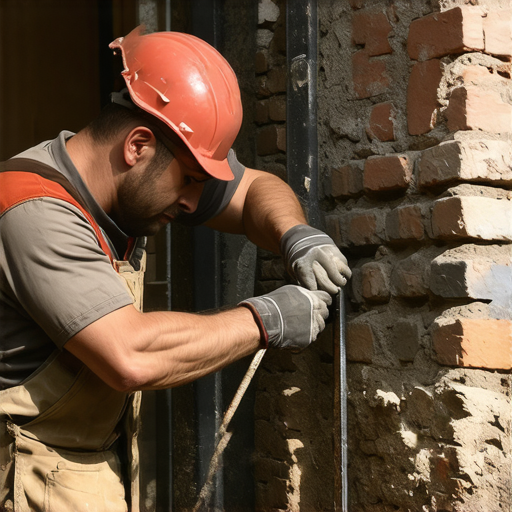
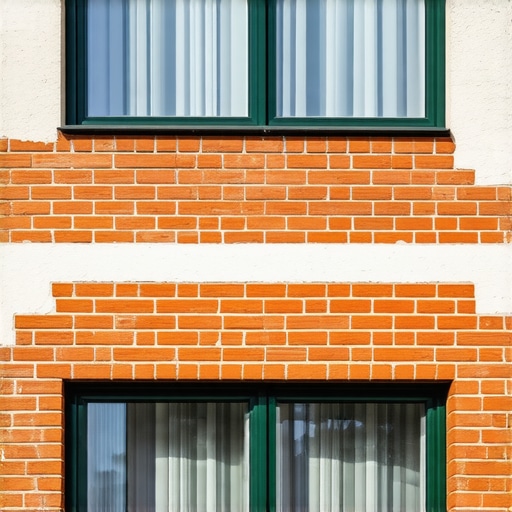
In the realm of masonry preservation, tuckpointing emerges as a critical process that not only restores aesthetic appeal but also fortifies structural integrity. Expert practitioners understand that meticulous tuckpointing involves more than superficial repairs; it demands an understanding of mortar composition, joint dynamics, and weather resilience. By leveraging modern materials like polymer-modified mortars, professionals can extend the lifespan of brickwork significantly, ensuring properties withstand environmental stressors over decades.
Innovative Strategies in Facade Cleaning: Beyond Surface Aesthetics
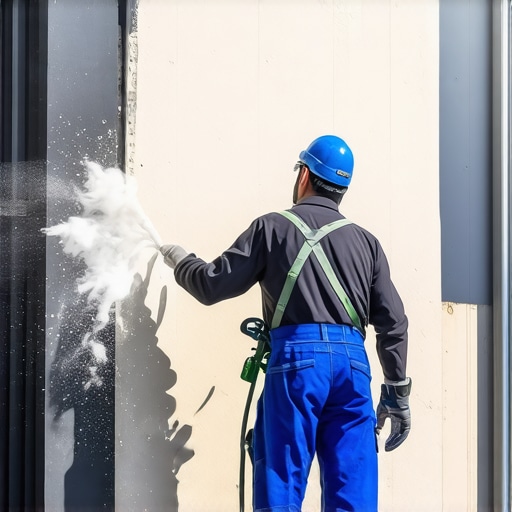
Facade cleaning transcends mere appearance enhancement. It involves advanced techniques such as low-pressure washing combined with eco-friendly cleaning agents, which effectively remove pollutants and biological growth without damaging the substrate. Properly maintained facades contribute to energy efficiency and prevent deterioration caused by acid rain and pollution, which are documented to accelerate masonry decay, as highlighted in recent environmental impact studies (source).
Integrating Structural Analysis for Proactive Preservation
Proactive preservation hinges on the integration of structural analysis tools such as laser scanning and ground-penetrating radar. These technologies enable experts to detect hidden cracks or voids beneath the surface, guiding targeted interventions. For example, early detection of micro-cracks can prevent catastrophic failures, saving costs and maintaining property value over time. Such approaches exemplify the shift from reactive to predictive masonry care, emphasizing durability over temporary fixes.
What Are the Emerging Trends in Masonry Restoration?
How do newer materials and techniques redefine the longevity of masonry structures?
Emerging trends include the use of nanotechnology-enhanced sealants that provide waterproofing and UV protection, as well as the adoption of robotic cleaning systems for hard-to-reach areas. These innovations are driven by the need for precision, efficiency, and minimal disruption, especially in heritage preservation projects. Industry experts argue that embracing these advancements results in more sustainable maintenance cycles and preserves architectural integrity for generations.
For property owners and professionals aiming to maximize lifespan and curb appeal, exploring comprehensive solutions like trusted facade cleaning and masonry repair is essential. Engaging with specialists who employ these advanced practices ensures that masonry assets are not only aesthetically pleasing but also resilient against the relentless forces of nature.
Interested in elevating your masonry preservation strategy? Consider consulting with industry leaders and exploring expert content on foundation and facade restoration, which provides deeper insights into sustainable maintenance practices (source).
Leveraging Modern Technologies for Precision Masonry Care
In the pursuit of long-lasting masonry, the integration of advanced diagnostic tools has revolutionized preservation strategies. Techniques such as 3D laser scanning and infrared thermography allow experts to identify structural inconsistencies invisible to the naked eye, ensuring targeted interventions that preserve integrity. For instance, laser scanning can detect micro-cracks and erosion patterns, guiding meticulous repair efforts that extend the life of brickwork. These innovations exemplify the shift toward data-driven maintenance, emphasizing proactive rather than reactive care.
Reevaluating Common Assumptions About Masonry Durability
Many property owners and even some professionals underestimate the importance of early-stage rehabilitation, believing that superficial repairs suffice. However, durable masonry demands a comprehensive approach that addresses underlying issues such as foundation settlement, moisture infiltration, and mortar degradation. Experts advocate for a holistic assessment process, including foundation analysis and moisture management, to prevent recurring problems and ensure structural longevity. For authoritative insights, consulting reputable sources like trusted foundation restoration experts can provide valuable guidance.
How can integrating innovative materials and traditional craftsmanship redefine masonry longevity?
Emerging materials like nanotechnology-infused sealants and flexible repair mortars offer unprecedented resistance to environmental stressors, including water ingress, UV damage, and temperature fluctuations. When combined with skilled craftsmanship, these materials can enhance aesthetic appeal while fortifying the structure. For example, using polymer-modified mortars in tuckpointing not only improves bond strength but also allows for more precise application in historic preservation projects, maintaining architectural authenticity. This synergy of innovation and tradition is crucial for future-proofing masonry assets.
Interested in elevating your masonry maintenance game? Discover expert techniques and comprehensive service options such as concrete patching and foundation restoration to ensure resilience and beauty for decades to come.
Harnessing the Power of Advanced Sealants and Coatings for Enduring Masonry
Modern masonry preservation extends far beyond traditional mortar repairs, incorporating high-tech solutions like nanotechnology-infused sealants that offer superior waterproofing, UV resistance, and thermal stability. These innovative materials create a protective barrier that significantly delays deterioration caused by environmental factors, ensuring the longevity of historic and contemporary structures alike. For instance, silica-based nano-sealers penetrate deep into porous surfaces, sealing micro-voids that conventional coatings miss, thereby preventing water ingress and reducing freeze-thaw damage. Such advancements enable preservationists to maintain the structural and aesthetic integrity of masonry in a cost-effective, sustainable manner.
Bridging Traditional Craftsmanship with Modern Robotics for Precision Restoration
One of the most exciting developments in masonry care is the integration of robotic systems designed for meticulous cleaning, crack repair, and joint repointing in challenging or hazardous environments. These robots, equipped with precision sensors and adaptive algorithms, replicate expert craftsmanship while operating with unmatched consistency and efficiency. For example, robotic tuckpointing units can apply mortar with exacting precision in tight joints or on intricate architectural details, minimizing human error and reducing labor costs. This symbiosis of craftsmanship and automation not only accelerates restoration timelines but also preserves the nuanced aesthetic qualities of historic masonry, which are often difficult to replicate manually.
What are the most effective methods for assessing the long-term performance of innovative masonry materials in real-world conditions?
Evaluating the durability of new materials requires comprehensive field testing combined with advanced monitoring technologies. Accelerated aging tests simulate years of environmental exposure in controlled settings, while in situ sensors track parameters such as moisture levels, temperature fluctuations, and material degradation over time. Data collected enables engineers to refine formulations and application techniques, ensuring that these materials deliver on their promise of longevity. For authoritative insights, consult studies published by the National Institute of Standards and Technology, which provide rigorous testing protocols and long-term performance assessments for innovative construction materials.
For professionals committed to pushing masonry restoration boundaries, engaging with pioneering research and adopting a proactive maintenance mindset can lead to more resilient, sustainable structures. Explore expert-led workshops, seminars, and publications that delve into the latest breakthroughs, ensuring your practices remain at the forefront of the industry.
Future-Proofing Masonry: The Role of Smart Technologies and Data Analytics
The integration of smart sensors, IoT devices, and data analytics is transforming masonry preservation from reactive to proactive. Embedding sensors within brickwork allows real-time monitoring of structural health indicators such as strain, displacement, and moisture ingress. When paired with sophisticated analytics platforms, these systems can predict potential failure points, schedule timely interventions, and optimize maintenance cycles. For example, early detection of micro-cracks via infrared thermography combined with AI-driven analysis can preempt structural failures, saving significant repair costs and enhancing safety.
As these technologies become more accessible, professionals must develop expertise in data interpretation and sensor integration. Collaborations with software developers and material scientists can lead to tailored solutions that address specific structural challenges, ultimately extending the lifespan of masonry assets while preserving their historical significance.
Embracing a Holistic Approach to Masonry Preservation
True mastery in masonry restoration recognizes that materials, craftsmanship, technology, and environmental factors are interconnected. A holistic approach involves thorough site assessments, innovative material selection, precision application techniques, and ongoing monitoring. This comprehensive strategy ensures that restorations are durable, visually authentic, and minimally invasive—preserving architectural heritage for future generations.
If you’re eager to elevate your masonry preservation expertise, consider diving into specialized training programs, industry conferences, and peer-reviewed publications that focus on sustainable, innovative practices. Staying informed about emerging trends and technologies will empower you to deliver superior results that stand the test of time.
Harnessing the Potential of Self-Healing Mortars for Long-Term Durability
Recent advancements in material science have introduced self-healing mortars that autonomously repair micro-cracks caused by environmental stressors, significantly extending the lifespan of masonry structures. These innovative composites incorporate microcapsules containing healing agents, which are released upon crack formation, sealing the fissures and preventing water ingress. Industry reports highlight that structures utilizing such mortars demonstrate superior resilience against freeze-thaw cycles and pollution-induced deterioration, marking a paradigm shift in proactive masonry maintenance.
Can Intelligent Monitoring Systems Predict Structural Failures Before They Occur?
Integration of IoT-enabled sensors within masonry elements is transforming the landscape of structural health monitoring. These devices continuously track parameters like moisture levels, strain, and temperature, transmitting data to centralized platforms equipped with AI analytics. This real-time insight allows for predictive maintenance, enabling professionals to address potential issues preemptively. According to a comprehensive study published by the American Society of Civil Engineers, such systems improve lifespan and safety, especially in historic or critical infrastructure.
What Role Do Eco-Friendly Sealants Play in Sustainable Masonry Restoration?
Eco-conscious preservation practices now emphasize the use of bio-based, non-toxic sealants that provide durable waterproofing while minimizing environmental impact. These sealants, often derived from renewable resources like plant oils or silica nanoparticles, penetrate porous substrates deeply, creating flexible, breathable barriers that prevent moisture infiltration. Their application reduces the need for frequent repairs and mitigates chemical runoff, aligning masonry conservation with sustainability goals. Industry leaders advocate for adopting these materials to achieve both structural longevity and ecological responsibility.
How do innovative materials and techniques redefine the longevity of masonry structures?
Emerging materials such as nanotechnology-infused sealants, flexible repair mortars, and polymer-modified grouts are revolutionizing masonry durability. When combined with precise application techniques, these advancements enable structures to withstand harsher environmental conditions, resist biological growth, and maintain aesthetic integrity over extended periods. For example, incorporating nanomaterials enhances surface resistance to UV and water damage, while traditional craftsmanship ensures proper integration and visual authenticity. This synergy of innovation and tradition is essential for future-proofing masonry assets and meeting the demands of modern preservation.
Engaging with specialized masonry restoration experts who utilize these innovations can dramatically improve your property’s resilience and appearance. Explore trusted service providers and stay informed about technological breakthroughs to maximize your investment’s longevity.
Enhanced Protective Coatings That Fight Environmental Assaults
The latest in masonry preservation involves advanced nano-coatings that provide superior protection against pollutants, UV radiation, and moisture. These coatings form a transparent, elastic film that adheres seamlessly, preventing micro-cracks and surface erosion. Their deep penetration into porous surfaces creates a molecular bond that withstands thermal expansion and contraction, significantly reducing maintenance needs. As environmental conditions become more severe, such high-performance coatings are becoming indispensable for preserving historical landmarks and modern buildings alike.
Utilizing Robotics for Precision and Safety in Restoration
The deployment of robotic systems in masonry repair represents a leap forward in safety, efficiency, and precision. These autonomous or semi-autonomous units are capable of performing intricate tasks such as joint repointing, surface cleaning, and crack injection in hazardous or confined environments. Equipped with adaptive sensors and AI-guided tools, they replicate expert craftsmanship while minimizing human error and physical risk. This technological synergy ensures that restorations are executed with unmatched consistency, preserving architectural details that are often challenging to replicate manually.
What are the best practices for evaluating the long-term performance of innovative masonry materials?
Assessing the durability of new materials involves accelerated aging tests, long-term field trials, and continuous monitoring via embedded sensors. Data collected over time helps refine formulations and application methods, ensuring they meet real-world demands. For authoritative guidance, consult publications by the National Institute of Standards and Technology, which detail rigorous testing protocols and performance benchmarks essential for industry adoption.
Stay at the forefront of masonry preservation by engaging with industry leaders, attending specialized workshops, and reviewing the latest research. This proactive approach ensures your expertise remains relevant and your projects achieve enduring excellence.
Expert Insights & Advanced Considerations
Innovative Materials Elevate Longevity
Utilizing nanotechnology-infused sealants and flexible repair mortars significantly enhances resistance against environmental stressors, ensuring structures withstand the test of time. These materials, when applied with traditional craftsmanship, deliver both aesthetic and durability benefits, setting new standards in masonry preservation.
Data-Driven Maintenance Optimizes Outcomes
Embedding sensors for real-time structural monitoring allows for predictive maintenance, reducing costs and preventing failures. Advanced analytics platforms interpret this data, enabling proactive interventions that preserve the integrity of masonry assets over decades.
Integrating Smart Technologies Enhances Resilience
The deployment of IoT devices and AI-driven analysis facilitates early detection of issues, facilitating timely repairs. This holistic approach transforms reactive maintenance into a strategic, anticipatory process, safeguarding architectural heritage and modern structures alike.
Robotics Revolutionize Restoration Precision
Robotic systems perform intricate tasks such as joint repointing and crack repair in hazardous environments, ensuring consistency and reducing labor costs. Their ability to replicate expert craftsmanship in challenging settings accelerates restoration timelines while preserving fine architectural details.
Holistic Preservation Strategies Yield Lasting Results
Combining material science, advanced technology, and craftsmanship creates a comprehensive approach to masonry care. This synergy ensures restorations are durable, authentic, and minimally invasive, securing structural and aesthetic excellence for future generations.
Curated Expert Resources
- National Institute of Standards and Technology (NIST): Provides rigorous testing protocols and long-term performance data on innovative masonry materials, guiding best practices.
- Journal of Building Engineering: Features peer-reviewed research on nanotechnology applications, smart sensors, and robotic systems in masonry preservation.
- ASCE Structural Health Monitoring: Offers insights into sensor technologies, data analytics, and predictive maintenance strategies for structural integrity.
- Construction Robotics Institute: Showcases advancements in robotic systems designed for masonry repair, emphasizing automation and precision.
- Historic England Technical Advisory Service: Provides guidelines on integrating modern materials with traditional craftsmanship in heritage preservation.
Final Expert Perspective
In the realm of masonry preservation, embracing innovation—through nanotechnology, smart monitoring, and robotics—can dramatically redefine the longevity and resilience of structures. These advancements, when integrated with expert craftsmanship and holistic planning, offer a future where masonry assets are not only preserved but enhanced. For professionals committed to excellence, staying abreast of these developments and leveraging authoritative resources is essential. Engage deeply, contribute your insights, and lead the evolution of masonry restoration—your expertise shapes the enduring legacy of our built environment.

This article thoroughly highlights the importance of utilizing modern advancements like polymer-modified mortars and nanotechnology in tuckpointing and facade preservation. From my experience working on historic buildings, integrating these innovative materials not only restores aesthetic beauty but also significantly enhances durability, especially against weathering and pollution. I’ve seen immediate results where traditional repairs failed prematurely due to environmental factors.
A challenge I often face is balancing the application of these advanced materials with respecting the original craftsmanship of historic structures. While robotics and smart diagnostics are game-changers, I wonder how industry professionals ensure these modern techniques align with heritage preservation standards? Has anyone here had success in combining traditional artisan skills with cutting-edge technology without compromising architectural integrity? Would love to hear about approaches that respect both innovation and tradition.
The post provides a comprehensive overview of how integrating modern technologies like laser scanning, nanotech sealants, and robotics can truly enhance masonry preservation efforts. Having worked extensively in historic restoration, I can attest to the value of combining traditional craftsmanship with innovative materials. For example, using polymer-modified mortars has allowed us to preserve the aesthetic integrity of heritage buildings while significantly extending their lifespan against pollutants and weathering. What I find particularly exciting is the potential for these technologies to offer data-driven insights that help fine-tune maintenance schedules and prioritize repairs.
One challenge I’ve encountered, similar to what Benjamin mentioned, is ensuring that the use of advanced systems doesn’t overshadow the importance of skilled artisan work—especially when working with historically significant structures. Striking a balance between the two is key. Does anyone have experience with integrating robotic applications or sensors in a way that respects the craftsmanship and authenticity of old masonry? It would be interesting to hear how others navigate this balance to achieve both innovation and preservation fidelity.