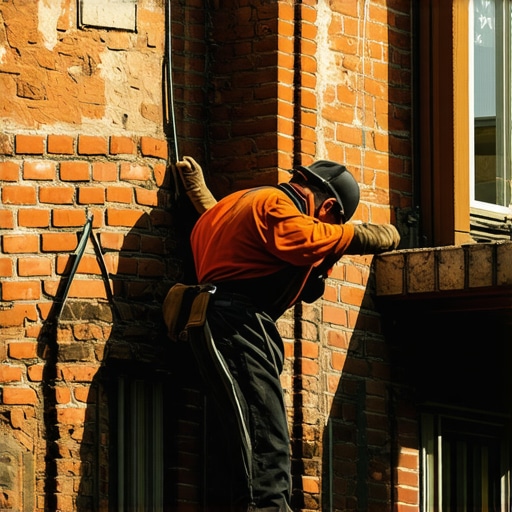
The corner of a historic building is not just a structural union; it is a statement of architectural pride. When dealing with decorative brick quoins—those alternating, proud cornerstones that frame a facade—you are looking at the critical load points of a building’s entire structural envelope. Over my forty years in the trade, I have watched countless historical facades get butchered by well-meaning handymen who treat quoins like simple wallpaper. They slap modern, impermeable gray cement into the joints and wonder why the original brick faces blow off two winters later. If you do not respect the physics of historical masonry, the building will eventually spit your work back out onto the sidewalk.
My grandfather used to tell me that a brick is a breathing creature, and the mortar is its lung. He would take his trusty W. Rose trowel and gently tap an old brick we salvaged from a 19th-century chimney. If it gave off a dull, muddy thud, he would toss it into the rubble heap. But if it rang out with a clear, metallic high-pitched ping, he would smile and say, ‘That one survived the kiln’s hottest fire; it will outlive us both if you give it the right mud.’ That simple lesson is the foundation of historic brick wall restoration. When rebuilding decorative quoins, we must choose materials that work in harmony with the original structure, rather than fighting against it.
“Mortar should always be weaker than the masonry units it binds, acting as a sacrificial element to accommodate thermal and structural movement without damaging the brick.” – BIA Technical Note 20
The Physics of Soft Brick and Hard Cement
To understand why quoins fail, we must look at historic material science. Before the mid-20th century, bricks were fired in low-temperature kilns, resulting in a soft, highly porous interior protected by a slightly denser outer skin. The mortar used to bind them was composed of simple lime and sand—a mix that remained flexible, breathable, and self-healing. When moisture inevitably penetrated the wall, it traveled through the highly permeable lime mortar joints to evaporate harmlessly into the atmosphere. This is the core concept of historic mortar analysis.
When a modern contractor uses a high-strength Portland cement (such as Type M or Type S) to rebuild or perform tuckpointing brick walls on these historic structures, they seal the exits. Portland cement is incredibly dense and virtually impermeable. Moisture entering the wall through micro-cracks becomes trapped behind the hard cement face. In northern climates prone to freeze-thaw cycles, this trapped water expands by nine percent as it freezes. Because the modern mortar is harder than the historic brick, the hydraulic pressure forces its way outward, popping the face right off the brick. This destructive phenomenon is known as spalling, and it is entirely preventable.
“The selection of replacement mortar for historic masonry must be based on a thorough analysis of the original mortar’s physical and chemical properties to prevent irreversible structural damage.” – ASTM C1324 Standard Test Method for Analysis of Hardened Masonry Mortar
Rebuilding Decorative Quoins: Step-by-Step Restoration
Restoring decorative quoins requires a meticulous, systematic approach. We do not simply tear down the corner; we support, analyze, and rebuild with surgical precision. Here is how we preserve the original structural integrity and aesthetic character.
1. Structural Assessment and Shoring
Before touching a single brick, we must assess the structural stability of the corner. Because quoins act as the anchors for adjacent walls, any significant deterioration requires temporary structural shoring. We analyze the load paths and use heavy-duty timber posts to transfer the weight of the upper masonry safely to the ground. During this phase, we also look for signs of foundation movement. If the corner is sinking, structural interventions like foundation slab jacking or helical piers must be completed before we begin our brick column repair.
2. Mortar Analysis and Custom Formulation
We take a small, unweathered sample of the original mortar from deep within the joint and subject it to acid digestion testing. This historic mortar analysis allows us to separate the binder from the aggregate, identifying the exact ratio of lime to sand and the sieve size of the original sand grains. For pre-1940 structures, we typically formulate a custom Type O or straight lime putty mix. This guarantees that the new mortar will possess the necessary flexibility and vapor permeability to protect the surrounding brickwork.
3. Dismantling and Cleaning
We carefully chisel out the failing joints using hand tools or specialized pneumatic chisels. High-speed rotary grinders should never be used on historic quoins, as they easily slip and slice into the soft brick edges, destroying the sharp lines of the corner. Each salvaged brick is numbered, cleaned of old mortar, and set aside. We brush the joints clean of loose dust and debris, then thoroughly mist the cavity. If you lay dry, historic bricks into fresh mortar without pre-wetting them, the dry brick will instantly suck the water out of your mix. This causes the mortar to dry out too quickly, preventing proper hydration and leaving you with a crumbly, useless joint.
4. Re-laying and Buttering the Bricks
We scoop a bead of our custom-mixed mud onto the hawk and begin rebuilding the corner. We ‘butter’ the head and bed joints of each brick, ensuring full coverage without voids or air pockets. It is critical to match the original joint thickness exactly—historic quoins often feature incredibly tight joints, sometimes as thin as one-eighth of an inch. We use a slicker to compress the joints tightly, forcing out any microscopic air pockets and creating a dense, weather-resistant finish. For decorative corners, we pay special attention to the profile of the joint strike, replicating the original historic weathered or struck profile.
When to Call the Professionals
Rebuilding decorative brick quoins is not a weekend DIY project. It requires an intimate understanding of historic preservation standards, structural physics, and material science. If your building’s corners are showing signs of cracking, bulging, or spalling, it is vital to act quickly. Ignoring these warning signs can lead to catastrophic structural failure, requiring expensive emergency stabilization or masonry rescue after disaster. Protect your architectural heritage by choosing specialists who understand the difference between throwing mud and preserving history.