The Ghost of the Mason’s Thumb
I remember standing on a rickety scaffold in the late 70s, my mentor—a man whose hands looked like they were carved from granite—poking a fresh joint with a calloused thumb. He didn’t care about the aesthetic; he cared about the ‘set.’ If that mud didn’t have the right suction, the whole wall was a lie. He taught me that a building is a living, breathing organism of clay and lime. Most people see a brick wall and see a solid object. I see a hydraulic system under constant pressure from the atmosphere. When a homeowner decides to tackle a ‘weekend DIY’ re-pointing project, they aren’t just risking a messy finish; they are often signing a death warrant for their masonry. Professional re-pointing services aren’t about making things look pretty—though that is a byproduct—it’s about structural integrity and the physics of vapor permeability.
The Chemistry of the ‘Sacrificial’ Joint
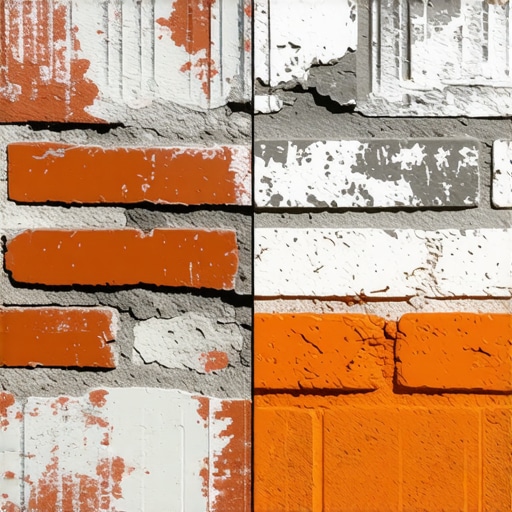
The biggest mistake the average DIYer makes is walking into a big-box hardware store and buying a bag of high-strength Portland cement for a 100-year-old wall. In the world of historic brick salvage and restoration, we live by one rule: the mortar must be softer than the brick. This is known as the sacrificial principle. Old-world bricks were fired at lower temperatures, making them porous and relatively soft. If you ‘butter’ those bricks with a modern, rigid Type S mortar, you’ve created a trap. When the building shifts—and it will—the mortar won’t give. Instead, the brick face will snap, a process we call spalling.
“Water penetration is the single greatest threat to masonry durability. The use of mortar with a higher compressive strength than the masonry units can lead to irreversible structural damage during thermal expansion cycles.” – BIA Technical Note 7
We use sustainable tuckpointing mortars, often lime-based, which allow moisture to wick out through the joint rather than being trapped behind a wall of hard cement. This microscopic movement of water is what keeps a chimney rebuild service from becoming a repeat job three years later.
Micro-Zooming: The Physics of Capillary Suction
To understand why professional tuckpointing looks better, you have to look at the ‘tooth’ of the brick. When we perform a structural masonry inspection, we aren’t just looking for cracked brick wall repair needs; we are looking at the bond. A professional mason will rake out the old, failing mud to a consistent depth of at least 3/4 of an inch. We don’t just smear new mud over the top—that’s ‘feather-edging,’ and it’s the hallmark of a hack. If you don’t rake it deep, the new mortar has no mechanical bond. Then comes the hydration. If you put dry mud into a dry brick wall, the brick will suck the water out of the mortar instantly. This ‘burns’ the mortar, leaving it powdery and weak. We pre-hydrate the wall, managing the suction so the cementitious crystals can grow deep into the pores of the brick. That’s how you get a joint that lasts a century instead of a season.
The Commercial Parapet Wall Repair Nightmare
On larger scales, like a commercial parapet wall repair, the stakes are even higher. Parapets are the most exposed part of any building, hammered by wind and rain from both sides. When a handyman tries to fix these, they often ignore the flashing or use a ‘lick-and-stick’ approach. Without professional structural repointing, the freeze-thaw cycle becomes a jackhammer. In northern climates, water enters the microscopic fissures in the mortar. When it hits freezing temperatures, that water expands by 9%. This isn’t a suggestion; it’s a law of physics. This expansion exerts thousands of pounds of pressure per square inch, pushing the bricks outward. Professional foundation waterproofing and masonry work account for this by using air-entrained mortars that provide tiny ‘cushions’ for the ice to expand into without shattering the joint.
The Geometry of the Strike
A DIY job always looks ‘muddy’ because the amateur doesn’t understand the ‘slicker’ or the timing of the strike. We wait for the mortar to be ‘thumb-print hard’ before we run the jointer. This compacts the aggregate and the binder against the brick, creating a weather-tight seal. A sloppy DIYer leaves a ‘grapevine’ joint or a ‘V’ joint that is porous and inconsistent. This leads to water pooling on the ledges of the brick, which eventually necessitates a retaining wall block replacement or a full-scale rebuild.
“The selection of mortar should be based on the properties of the masonry units and the environmental exposure. Improper joint finishing can increase water penetration by up to 50%.” – ASTM C270 Standards for Unit Masonry
Whether it’s a simple cracked brick wall repair or a complex chimney rebuild, the difference is in the compaction. When we ‘strike’ a joint, we are literally squeezing the air out, making the mortar more dense and less permeable to liquid water while maintaining its ability to pass vapor.
The Financial Reality of Doing it Twice
The cynicism I feel toward the ‘quick fix’ comes from a place of seeing homeowners lose thousands. They think they are saving money by skipping a professional structural masonry inspection. They buy some caulk or a bag of premix, and they hide the problem. But masonry problems don’t go away; they just get more expensive. What starts as a simple re-pointing service ends up being a full brick replacement because the internal steel lintels have rusted and expanded (what we call ‘rust-jacking’) due to trapped moisture. In the end, professional masonry is an investment in the building’s lifespan. It’s the difference between a structure that stands for two hundred years and one that becomes a liability in twenty. Don’t let a weekend project turn into a structural catastrophe. Respect the mud, respect the brick, and for heaven’s sake, keep the Portland cement away from your historic home.