I was standing on a forty-foot ladder, squinting at a hairline fissure that meandered like a dry riverbed through a three-story brick chimney. To the homeowner, it was just a cosmetic blemish, something to be covered with a bit of caulk and forgotten. But when I slid my digital scope into a void in the mortar joint, I didn’t see solid masonry. I saw a disaster in slow motion. The structural steel rebar inside had oxidized, expanding like a blooming onion, and was literally tearing the masonry apart from the inside out. This wasn’t a case for a handyman; it was a forensic emergency. When a chimney cracks, it isn’t just about the brick; it is about the physics of a thousand-pound vertical spear losing its grip on the earth. This is the reality of masonry failure.
The Anatomy of the Stair-Step: Reading the Crack
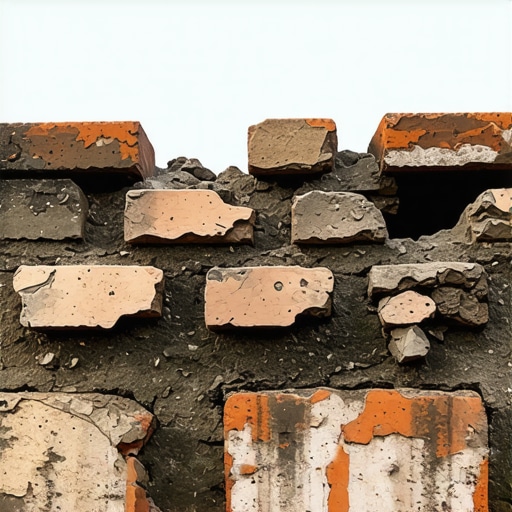
In the world of forensic masonry, we don’t just see cracks; we read them. A vertical crack might mean one thing, but the classic stair-step pattern following the mortar joints is the signature of settlement. This happens because the chimney, often the heaviest part of a residential structure, is exerting immense pressure on a small footprint of soil. If your foundation wasn’t prepped with the right concrete flatwork services, the weight of the chimney begins to shear away from the house. We call this differential settlement. The house moves one way, the chimney moves another, and the mud (the mortar) is the first thing to give. When you see those zig-zag lines, you aren’t just looking at old mortar; you are looking at the earth failing to support the masonry above it. This often necessitates foundation underpinning to stabilize the stack before the entire unit peels away from the siding like a wet label. The physics are simple: water expands about 9% when it freezes. If that water is trapped in a micro-crack, it exerts thousands of pounds of pressure per square inch. Over a decade of freeze-thaw cycles in the North, that pressure will shatter the face of a hard-fired brick, a process we call spalling. Brick spalling prevention starts with understanding the porosity of your materials. If you use a high-strength Portland cement on an old, soft brick, you are signing the death warrant of that wall.
“Water penetration is the single greatest threat to masonry durability.” – BIA Technical Note 7
Micro-Zoom: The Chemistry of Efflorescence and Salt Pressure
You might notice a white, powdery substance on your chimney and think it is just salt. We call it brick efflorescence removal when we clean it, but the science is far more insidious. Efflorescence is the outward sign of internal moisture migration. As water travels through the brick, it dissolves minerals. When that water reaches the surface and evaporates, the salts stay behind. But there is a secondary stage called sub-fluorescence. This is where the salts crystallize inside the pores of the brick. The crystalline growth exerts internal pressure that exceeds the tensile strength of the masonry. You can’t just wash it off; you have to stop the water at the source. This is where foundation waterproofing and proper drainage become the masonry’s only hope. If the moisture is coming from the ground through capillary suction (the “wicking” effect), your chimney is essentially acting like a giant straw, pulling minerals from the soil and depositing them into your living room’s structural core.
Drone Chimney Inspections and Forensic Diagnostics
Gone are the days when we just guessed from the ground. Today, drone chimney inspections allow us to see the “crown” or the “wash” of the chimney—the concrete slab at the very top. If that crown has even a single hairline crack, every rainstorm is funneling water down the center of the masonry. This creates a cold joint between the flue liner and the exterior brick. Once that water is inside, it begins to rot the tile grouts on masonry components and can lead to a complete internal collapse. During a masonry rescue after disaster, such as a localized flood or a seismic event, we often find that the chimney’s internal structure has turned into a slush of wet soot and crumbling brick because the “lid” was compromised. A drone chimney inspection can catch the honeycombing of the mortar before it becomes a structural failure. When we see the mortar losing its tooth (its ability to grip the brick), we know it is time for commercial tuckpointing. This isn’t just slapping new mud on top. It involves grinding out the old, decayed joints to a specific depth and buttering the bricks with a mortar that is slightly softer than the brick itself. This is the sacrificial principle of masonry: the mortar must fail before the brick does.
“Mortar shall be classified as Type M, S, N, or O, with selection based on the specific structural requirements and the compressive strength of the masonry units.” – ASTM C270
The Physics of Heat and Outdoor Kitchen Masonry
While many focus on the chimney, the same structural principles apply to an outdoor kitchen masonry build. People think because it’s outdoors, they can use any concrete. But the thermal expansion of a wood-fired pizza oven or a large grill against a masonry wall creates massive stress. If you don’t build in relief joints, the heat will cause the soldier course (bricks standing on end) to pop right out of the wall. When we butter a brick for a high-heat environment, we use specialized refractory mortars, not your standard 80-pound bag of pre-mix. The goal is to manage the expansion. Without that foresight, the masonry will crack, and once a crack exists, the freeze-thaw cycle begins its destructive work. Whether it is a soaring chimney or a stone patio, the enemy is always the same: unmanaged moisture and thermal stress. If you see a crack, don’t reach for a tube of silicone. Reach for a slicker and a hawk, and call someone who understands the difference between a cosmetic fix and a structural save. If you ignore the warning signs, you won’t just be looking at a crack; you’ll be looking at a pile of rubble where your home’s dignity used to be.