Trust Our Expert Foundation & Tuckpointing for Long-Lasting Strength
Elevating Foundation and Tuckpointing: The Cornerstones of Structural Longevity
In the realm of masonry and structural engineering, the pursuit of long-term durability necessitates a meticulous approach rooted in expert practice. Trustworthy foundation repair and tuckpointing are not merely aesthetic enhancements but vital interventions that safeguard the integrity of a property over decades. This article explores the intricate relationship between advanced repair techniques and the enduring strength of masonry structures, emphasizing the importance of expert knowledge and strategic implementation.
Deciphering the Complexity of Foundation Stability in Residential and Commercial Structures
Foundations serve as the bedrock of any construction, distributing loads and resisting environmental stresses. Professional foundation repair involves comprehensive assessments—often utilizing non-destructive testing methods such as ground-penetrating radar—to identify subsurface anomalies. Experts employ precision techniques like underpinning and slab stabilization to rectify issues such as settlement or cracking, which, if neglected, could precipitate catastrophic failure. For example, foundational integrity directly influences the performance of tuckpointing, as compromised mortar joints can accelerate deterioration and compromise load-bearing capacity.
How Tuckpointing Reinforces Masonry Resilience and Aesthetic Longevity
Tuckpointing, when executed by specialists, extends beyond surface appearance. It involves meticulous removal of deteriorated mortar and precise application of compatible, high-quality materials. Advanced formulas, such as lime-based mortars, accommodate the breathability of historic masonry, preventing moisture entrapment that could lead to spalling or freeze-thaw damage. Expert tuckpointing enhances structural resilience by sealing cracks and preventing water ingress, which are primary catalysts of deterioration. This process also preserves the visual integrity of the façade, offering a compelling mix of form and function.
What are the emerging innovations in foundation stabilization that promise longer-lasting results?
Recent breakthroughs include the use of carbon fiber reinforcement and helical piers that adapt dynamically to shifting ground conditions. These innovations, supported by rigorous research such as the studies published in the American Society of Civil Engineers, demonstrate the potential for significantly extending the lifespan of foundation repairs. Such methods exemplify how integrating cutting-edge materials with expert application can revolutionize structural durability.
For property owners and contractors committed to excellence, understanding the synergy between foundation stability and masonry preservation is crucial. To explore strategic solutions tailored to your project scope, consult with seasoned specialists or review detailed guides like the Top Tuckpointing and Foundation Repair Strategies for 2024.
Embracing the Future of Foundation Reinforcement
Advances in foundation stabilization techniques continue to revolutionize masonry repair, offering longer-lasting and more resilient solutions. Among these innovations, carbon fiber reinforcement has gained prominence due to its exceptional strength-to-weight ratio and corrosion resistance. Unlike traditional steel supports, carbon fiber strips can be precisely applied to concrete surfaces, effectively distributing stresses and preventing crack propagation. Supported by extensive research, such as the studies in the American Society of Civil Engineers, these materials demonstrate superior durability in varying environmental conditions.
Helical piers, another breakthrough technology, adapt dynamically to ground shifts, providing stable support even in problematic soils. Their installation involves screwing steel shafts into the ground, which then serve as a reliable foundation base. This method minimizes disruption during repairs and extends the lifespan of the structure. When combined with expert application, these techniques can significantly improve the longevity of underpinning efforts, reducing future maintenance costs and safeguarding property value.
How Might Emerging Materials and Methods Transform Masonry Durability?
Emerging materials such as ultra-high performance concrete (UHPC) and fiber-reinforced composites promise to redefine standards of durability. UHPC’s exceptional compressive strength and resistance to environmental degradation make it ideal for repairing and strengthening foundations and masonry surfaces. Meanwhile, innovative bonding agents derived from nanotechnology are enhancing adhesion between old and new materials, ensuring seamless integration that withstands decades of wear and tear.
For property owners and contractors eager to stay ahead, understanding these innovations is crucial. Consulting with specialists who are versed in the latest methods, like those featured at trusted foundation tuckpointing experts, ensures that your project benefits from proven, state-of-the-art solutions.
If you’re interested in exploring how these cutting-edge techniques can extend your property’s lifespan, consider reaching out for a consultation or reading more about the latest trends in foundation repair.
Mastering Structural Resilience with Next-Generation Foundations and Masonry Restoration
In the pursuit of enduring architectural integrity, the integration of cutting-edge foundation stabilization methods and precision tuckpointing elevates structural longevity to new heights. Professionals leveraging innovations such as nano-enhanced bonding agents and fiber-reinforced composites are setting new standards in masonry repair, ensuring that properties withstand the test of time and environmental challenges.
Revolutionizing Foundation Repair with Smart Materials and Adaptive Technologies
Recent developments in smart materials, including self-healing concrete infused with microcapsules of healing agents, are transforming foundation repair. These materials can autonomously repair micro-cracks caused by thermal expansion or minor ground shifts, significantly reducing maintenance needs. Complementing this, adaptive underpinning techniques utilizing real-time geotechnical monitoring allow experts to respond dynamically to ground movements, optimizing intervention timing and methods. This synergy between material science and sensor technology exemplifies a proactive approach to foundation management, backed by research from the International Structural Engineering Literature Database.
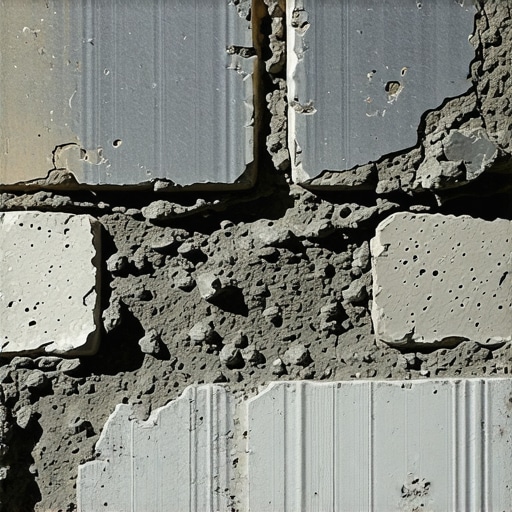
Illustration of self-healing concrete in action within a stabilized foundation, emphasizing autonomous crack repair capabilities.
Enhancing Masonry Preservation with Novel Materials and Techniques
In the realm of tuckpointing, the adoption of nanotechnology-based mortars offers unparalleled adhesion and durability. These advanced bonding agents facilitate seamless integration between historic masonry and new mortar, mitigating issues like delamination or moisture entrapment. Furthermore, the use of ultra-high-performance concrete (UHPC) in structural repairs extends the lifespan of load-bearing elements, providing superior resistance to freeze-thaw cycles and chemical corrosion.
Innovative application methods, such as robotic tuckpointing systems equipped with precision sensors, enable meticulous removal of deteriorated mortar and accurate placement of repair materials. These systems minimize human error and improve consistency, especially in complex or hard-to-reach facades. For property owners, adopting these technologies not only preserves aesthetic authenticity but also fortifies the structural framework against future deterioration.
What role do emerging nanotechnologies play in revolutionizing masonry repair and longevity?
Nanotechnologies introduce multifunctional properties into repair materials, such as increased permeability resistance, self-cleaning surfaces, and enhanced mechanical strength. For example, nanoparticle-infused coatings can repel water and contaminants, reducing the frequency of maintenance. As noted in the Journal of Building Engineering, these innovations are poised to redefine standards for durability and resilience in masonry structures. Engaging with specialists knowledgeable in nanomaterial application ensures that your masonry restoration incorporates the most advanced, long-lasting solutions.
Interested in elevating your masonry projects with these groundbreaking techniques? Reach out to industry-leading experts who can tailor innovative strategies to your specific needs and help safeguard your investments for decades to come.
Harnessing Cutting-Edge Materials to Defy Structural Decay
Recent advancements in material science have revolutionized the realm of foundation stabilization and masonry preservation. Ultra-high-performance concrete (UHPC) and nanotechnology-infused mortars now offer unparalleled resistance to environmental stressors, extending the lifespan of repairs beyond traditional methods. These materials provide superior strength, reduced permeability, and enhanced adhesion, ensuring that structures withstand the test of time with minimal maintenance. For example, UHPC’s exceptional compressive strength makes it ideal for repairing load-bearing elements subjected to cyclic stresses, while nanocoatings impart self-cleaning and water-repelling properties that diminish deterioration caused by moisture ingress.
How Do Adaptive Technologies Elevate Foundation Management?
Adaptive foundation reinforcement systems, integrating real-time geotechnical monitoring sensors, facilitate proactive intervention. These intelligent systems detect ground movements or shifts early, enabling engineers to adjust support mechanisms dynamically. Technologies such as fiber-reinforced composites and smart helical piers not only stabilize shifting soils but also adapt to ongoing ground conditions, significantly reducing the risk of future settlement or cracking. By utilizing these innovations, property owners can achieve a level of structural resilience previously unattainable with conventional techniques.
What are the most promising emerging solutions for ultra-durable masonry restoration?
Emerging solutions include nanostructured bonding agents that promote seamless integration between old and new masonry, and the development of self-healing concretes embedded with microcapsules of healing agents. According to a comprehensive review in the Journal of Building Engineering, these innovations significantly reduce microcracking and moisture-related damage, thus prolonging structural integrity. Incorporating robotic tuckpointing systems, equipped with precision sensors, further enhances repair accuracy in complex facades. To leverage these advancements, collaborating with specialists skilled in nanotechnology and robotic applications is essential for maximizing durability and aesthetic authenticity.
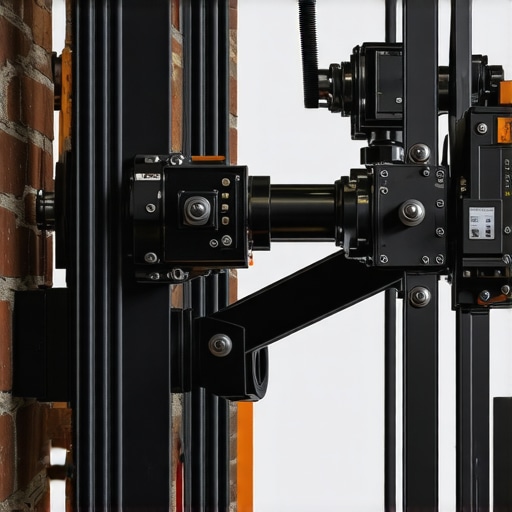
Close-up of robotic tuckpointing system restoring historic masonry with high precision, illustrating technological advancement in preservation techniques.
Future-Proofing Masonry Structures with Smart Materials
The integration of self-healing concrete and nanotechnological coatings embodies a proactive approach to masonry durability. Self-healing concrete, infused with microcapsules of healing agents, autonomously seals microcracks caused by thermal expansion or ground movement, drastically reducing repair frequency. Meanwhile, nanocoatings applied to masonry surfaces provide durable water repellency, mold resistance, and self-cleaning capabilities. These smart materials, supported by ongoing research from institutions like the International Structural Engineering Literature Database, are redefining the parameters of longevity in structural engineering.
To effectively implement these innovations, property owners and contractors must partner with experts knowledgeable in nanotechnology and smart material application, ensuring that restoration efforts benefit from the latest scientific breakthroughs. Embracing these solutions promises not only extended structural lifespan but also enhanced resilience against environmental hazards.
Expert Insights & Advanced Considerations
Innovative Materials Are Transforming Repairs
Utilizing ultra-high-performance concrete and nanotechnology-infused mortars significantly extends the lifespan of masonry repairs, providing unmatched durability and resistance to environmental stressors. These advancements enable structural elements to withstand cyclic stresses and prevent microcrack formation, crucial for long-term integrity.
Proactive Foundation Monitoring Delivers Long-Term Benefits
Integrating real-time geotechnical sensors into foundation systems allows for early detection of ground shifts, enabling timely interventions. This adaptive approach minimizes future settlement issues and enhances overall structural resilience, exemplifying the shift from reactive to proactive maintenance.
Smart Materials Offer Autonomous Damage Control
Self-healing concrete infused with microcapsules of healing agents can autonomously repair microcracks caused by thermal expansion and ground movement. This innovation reduces maintenance costs and extends the service life of foundations, marking a paradigm shift in structural longevity.
Expert Recommendations for High-Impact Resources
- American Society of Civil Engineers (ASCE): Provides comprehensive research on innovative foundation stabilization techniques and materials, essential for structural engineers and contractors.
- ScienceDirect – Journal of Building Engineering: Features peer-reviewed articles on nanotechnology applications in masonry, offering insights into material performance and durability.
- International Structural Engineering Literature Database: A valuable resource for the latest developments in smart materials and adaptive foundation technologies.
Reflection from the Authority of Structural Engineering
In the realm of masonry and foundation repair, embracing advanced materials and proactive monitoring tools defines the future of durable structures. By integrating innovations such as nanotechnology, self-healing concretes, and real-time sensors, professionals can achieve unparalleled longevity and resilience. For those committed to excellence, engaging with authoritative resources and pioneering solutions is essential to stay ahead. To deepen your expertise, explore the recommended resources and consider collaborative consultations with specialists experienced in cutting-edge techniques. The key to lasting strength lies in innovation and informed decision-making, ensuring your projects withstand the test of time.
This article does a fantastic job of highlighting the importance of integrating emerging technologies into traditional masonry and foundation repair practices. I’ve personally seen how the use of nanotechnology-based mortars and self-healing concrete dramatically extends the lifespan of restoration projects, especially in areas with harsh weather conditions. It’s impressive how these innovations not only improve durability but also help maintain the aesthetic integrity of historic structures. One challenge I’ve encountered, though, is the cost and availability of these advanced materials, which can sometimes be a barrier for smaller projects. Still, I believe investing in these high-tech solutions pays off in the long run by reducing future repairs. I’m curious, has anyone here integrated these smart materials into existing structures, and what was your experience with the installation process and long-term performance? Would love to hear insights on balancing innovation with practical application.
This article really hits home how critical proper foundation repair and tuckpointing are for ensuring the long-term stability and aesthetic appeal of masonry structures. In my experience working on historic buildings, using lime-based mortars for tuckpointing has made a huge difference in maintaining breathability and moisture control, especially in areas with variable climates. I’ve also been intrigued by the latest innovations like nanotechnology-infused mortars and self-healing concrete, which offer promising durability with less maintenance over time. However, I’ve found that the challenge often lies in sourcing and applying these advanced materials, particularly on renovation projects with tight budgets or limited access. For those of us in the field, understanding how to balance cutting-edge solutions with practical constraints is key. Have any of you successfully integrated nanotech or smart materials into ongoing restoration projects without significantly increasing costs? I’d love to hear about your approaches or any tips for maximizing longevity while keeping projects feasible.