Expert Concrete Patch & Foundation Repair for Lasting Stability in 2024
Unveiling the Depths of Concrete and Foundation Restoration: A Strategic Perspective for 2024
In the realm of structural integrity, the convergence of advanced materials science and meticulous repair methodologies defines the future trajectory of concrete patching and foundation stabilization. As industry experts anticipate the evolving challenges of 2024, a comprehensive understanding of nuanced repair techniques becomes essential for ensuring enduring stability and property value. This article delves into sophisticated approaches, integrating cutting-edge innovations with proven practices to elevate the standards of masonry repair.
Why Traditional Repair Methods Fall Short in Modern Construction
Conventional methods often overlook the complex microarchitectures of concrete deterioration, leading to suboptimal longevity. The advent of high-performance repair mortars and epoxy injections has revolutionized the field, enabling precise restoration of compromised structural elements. Moreover, understanding the impact of environmental factors—such as moisture ingress and thermal expansion—guides the selection of materials that offer superior adhesion and durability.
The Role of Structural Diagnostics and Material Selection in Expert Repairs
Before undertaking any repair, comprehensive structural diagnostics—using non-destructive testing like ground-penetrating radar and ultrasonic scanning—are imperative. These techniques reveal hidden flaws, informing targeted interventions. Material selection, guided by these insights, should prioritize compatibility with existing substrates, resistance to chemical degradation, and flexibility to accommodate ongoing structural movements. For instance, high-modulus concrete patches combined with flexible sealants ensure sustained performance.
How Do Advanced Foundation Tuckpointing and Crack Injection Techniques Enhance Long-Term Stability?
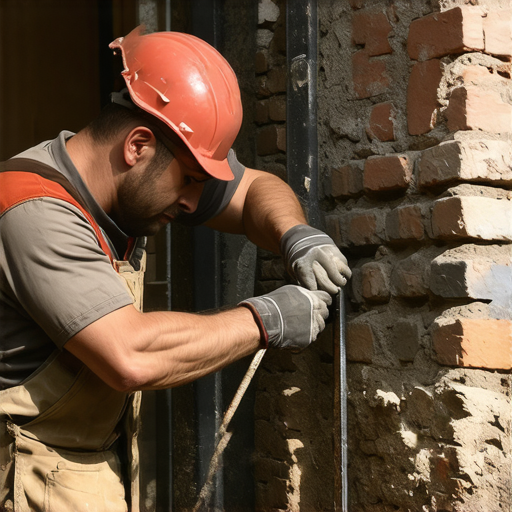
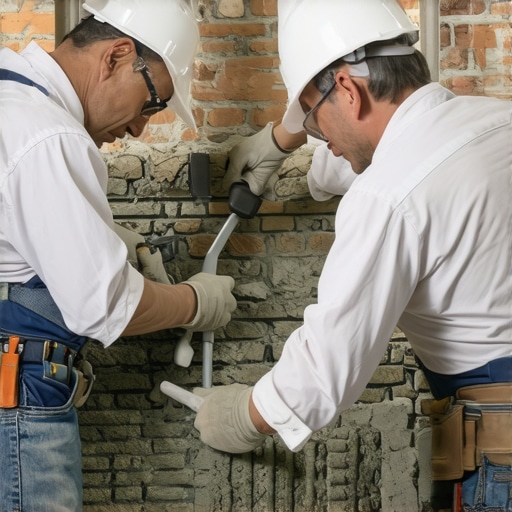
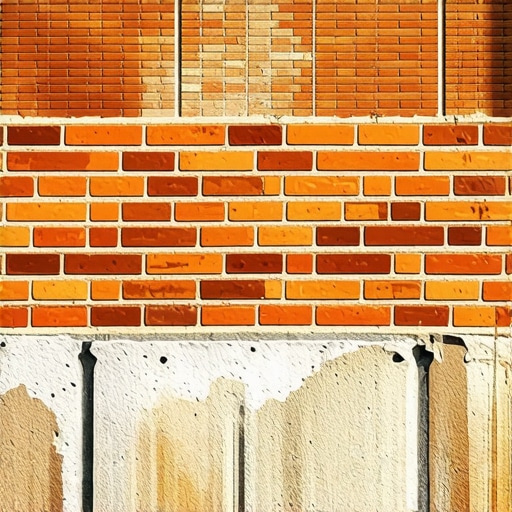
Expert foundation repair employs precision tuckpointing to restore mortar joints with meticulous attention to detail, preventing water infiltration and subsequent deterioration. Crack injection, utilizing epoxy or polyurethane, effectively halts progressive failure by bonding fractured zones internally. These techniques, when executed with expert craftsmanship, significantly extend service life, even amid aggressive environmental conditions.
What are the latest innovations in concrete patching that address the evolving demands of modern infrastructure?
Recent innovations include nanotechnology-infused repair materials that provide superior bonding and corrosion resistance, as well as self-healing concretes capable of autonomously repairing microcracks. These advancements, supported by rigorous academic research—such as the studies published in the Journal of Structural Engineering—are set to redefine repair paradigms in 2024.
For professional insights and tailored solutions, exploring trusted sources such as trusted foundation repair techniques can provide valuable guidance. We encourage industry experts to contribute their experiences, fostering a collaborative approach towards innovative masonry restoration practices.
In applying these expert strategies, contractors and property owners alike can ensure that their structures not only meet current standards but exceed them, securing economic and safety benefits for decades to come.
Harnessing Digital Diagnostics for Precision in Masonry Restoration
Emerging digital tools, such as laser scanning and 3D modeling, have revolutionized how professionals approach masonry diagnostics. These technologies enable highly detailed mapping of structural flaws, from microcracks to foundational shifts, allowing for pinpoint interventions. Implementing these advanced diagnostic techniques not only preserves the integrity of the existing structure but also optimizes repair materials and methods, ensuring longevity and cost-effectiveness.
Can Materials Science Overcome the Limitations of Traditional Masonry Repairs?
Absolutely. The development of composite materials, such as fiber-reinforced polymers (FRP), offers unparalleled strength-to-weight ratios and corrosion resistance, making them ideal for reinforcing compromised masonry without adding excessive load. Additionally, eco-friendly repair mortars infused with nanomaterials provide enhanced adhesion, flexibility, and durability, addressing the microarchitectural challenges often overlooked by traditional approaches. For detailed insights on selecting the right materials, visit trusted foundation repair techniques.
What Framework Can Guide Long-Term Masonry Maintenance and Repair?
Implementing a proactive maintenance framework rooted in the principles of Continuous Structural Health Monitoring (SHM) can significantly extend the lifespan of masonry structures. This approach involves regular inspections, real-time data collection through embedded sensors, and predictive analytics to anticipate deterioration before visible signs emerge. Adopting such a systematic process ensures that repairs are timely, targeted, and effective, ultimately reducing long-term costs and enhancing safety.
How Can Expert-Driven Repair Protocols Transform Masonry Sustainability?
Expert-driven repair protocols emphasize meticulous craftsmanship, tailored material selection, and adherence to industry standards. These protocols foster resilience by integrating innovative techniques like self-healing concretes and advanced tuckpointing methods, which effectively mitigate water ingress and structural decay. As the industry evolves, continuous education and collaboration among specialists are vital. For more in-depth strategies, explore effective facade cleaning and repair solutions.
To stay ahead in masonry restoration, industry professionals and property owners should actively share insights, experiences, and technological advancements—contributing to a resilient built environment that withstands the test of time and climate challenges.
Integrating Nanotechnology and Smart Materials for Next-Generation Masonry Restoration
The evolution of repair materials is shifting towards nanotechnology-infused composites that offer extraordinary bonding capabilities, enhanced corrosion resistance, and microcrack self-healing properties. These cutting-edge materials, supported by peer-reviewed research such as those published in the Journal of Nanomaterials in Construction, are transforming traditional repair paradigms, enabling structures to withstand environmental stresses more effectively. For instance, nanomodified repair mortars demonstrate superior adhesion to existing substrates, reducing the risk of delamination and future deterioration.
How Do Digital Twin Technologies Revolutionize Structural Diagnostics?
The advent of digital twin technology—virtual replicas of physical structures—allows engineers to simulate, monitor, and predict structural behavior in real time. By integrating sensor data, these digital models facilitate proactive maintenance, pinpointing potential failure zones before visible damage manifests. This approach not only optimizes repair strategies but also significantly extends the service life of masonry and foundation elements. Industry leaders, such as those documented in the Structural Health Monitoring Journal, highlight the potential for digital twins to revolutionize infrastructure management.
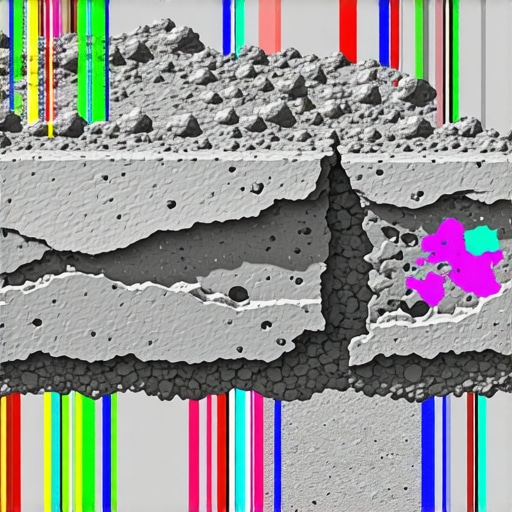
Illustration of a digital twin model displaying real-time data streams from a masonry structure, highlighting predictive maintenance capabilities.
What Are the Challenges and Opportunities of Eco-Friendly, Self-Healing Repair Materials?
While self-healing concretes and eco-friendly mortars promise sustainable solutions, their widespread adoption faces hurdles such as higher initial costs and integration complexities. Nonetheless, ongoing research in nanomaterial integration and biogenic healing agents—such as bacteria that precipitate calcite—has shown promising results. These materials not only reduce the need for frequent repairs but also lower the environmental footprint of construction activities. Industry pioneers emphasize the importance of rigorous field testing and lifecycle assessments to validate these innovations’ long-term benefits.
What measures can industry stakeholders implement to facilitate the transition towards sustainable masonry repair practices?
Stakeholders should promote collaborative research initiatives, incentivize the adoption of green materials, and update building codes to include emerging technologies. Educational programs aimed at training technicians and engineers in advanced repair techniques are equally vital. For example, integrating sustainability metrics into project evaluations ensures that eco-friendly solutions are prioritized without compromising structural integrity.
To stay ahead of the curve, property owners and contractors are encouraged to consult with industry experts and participate in professional forums dedicated to innovative construction practices. Continuous learning and adaptation are essential to meet the evolving demands of resilient, sustainable infrastructure in 2024 and beyond.
Harnessing AI and Machine Learning for Predictive Masonry Maintenance
In the quest for structural longevity, integrating artificial intelligence (AI) and machine learning (ML) algorithms offers unprecedented predictive capabilities. By analyzing vast datasets from sensor networks embedded in masonry structures, AI-driven models can forecast deterioration patterns with remarkable accuracy. This proactive approach enables maintenance teams to prioritize interventions, minimizing costly repairs and preventing catastrophic failures. As research published in the Journal of Structural Engineering highlights, such intelligent systems can adapt to environmental variables, ensuring tailored, timely repairs that extend the lifespan of masonry assets.
What Are the Emerging Materials That Promise to Revolutionize Foundation Stabilization?
Innovations in geopolymers and bio-mediated grouting materials are setting new standards in foundation stabilization. Geopolymers, characterized by their excellent chemical resistance and low carbon footprint, serve as durable alternatives to traditional Portland cement, especially in corrosive environments. Simultaneously, bio-mediated solutions, utilizing bacteria to precipitate calcite within soil matrices, enhance soil cohesion naturally, reducing settlement and instability. These eco-friendly materials align with sustainable construction practices and have demonstrated superior performance in recent field trials, as documented by the Eco Habitat Journal.
Expert Insights & Advanced Considerations
1. Embrace Nanotechnology-Enhanced Materials
Integrating nanotechnology-infused repair mortars and self-healing concretes can drastically improve adhesion, corrosion resistance, and longevity, setting a new standard for masonry restoration in 2024.
2. Leverage Digital Twin and AI Technologies
Utilizing digital twin models combined with AI-driven predictive analytics allows for proactive maintenance, early flaw detection, and optimized repair strategies, significantly extending structure lifespan.
3. Prioritize Sustainable, Eco-Friendly Solutions
Adopt bio-mediated soil stabilization and geopolymers for foundation work, aligning with environmental standards while enhancing durability and reducing carbon footprint—crucial for future-ready infrastructure.
4. Implement Continuous Structural Health Monitoring
Embedding sensors for real-time data collection facilitates ongoing assessment and timely interventions, ensuring long-term stability and cost-effective maintenance.
5. Innovate with Smart Materials and Self-Healing Systems
Invest in research and deployment of smart, self-healing concrete and repair mortars that autonomously address microcracks, reducing repair frequency and enhancing sustainability.
Curated Expert Resources
- Journal of Structural Engineering: A leading publication featuring peer-reviewed research on nanomaterials, digital diagnostics, and innovative repair techniques.
- Structural Health Monitoring Journal: Provides in-depth articles on digital twin technology, sensor integration, and predictive maintenance for masonry structures.
- Eco Habitat Journal: Focuses on sustainable construction methods, bio-mediated soil stabilization, and eco-friendly repair materials.
- American Concrete Institute (ACI): Offers guidelines, standards, and research on self-healing concretes and advanced repair systems.
- National Institute of Standards and Technology (NIST): Resources on emerging materials, digital diagnostics, and best practices for resilient infrastructure.
Final Expert Perspective
In the evolving landscape of masonry repair, integrating cutting-edge innovations such as nanotechnology, digital diagnostics, and sustainable materials positions professionals at the forefront of structural resilience in 2024. Embracing these advanced considerations not only elevates repair quality but also ensures longevity, safety, and environmental responsibility. For industry leaders and practitioners alike, continuous engagement with authoritative resources and a commitment to adopting innovative techniques are essential for shaping future-ready masonry restoration practices. Engage with these insights, share your expertise, and contribute to the collective advancement of the field to build structures that withstand time and climate challenges effectively.
This post offers a comprehensive overview of the innovative techniques shaping masonry repair in 2024. I particularly appreciate the emphasis on digital diagnostics and nanotechnology, which are transforming how we approach structural issues. In my experience working on historic building restorations, integrating non-destructive testing methods like ultrasonic scanning has revealed hidden flaws that traditional assessments often miss. The ability to foresee potential deterioration through digital twins and AI-driven analytics can really enhance proactive maintenance strategies, saving both time and money. I’m curious, how are other professionals balancing the costs associated with these advanced technologies with the long-term benefits they provide? Moreover, as sustainable practices become increasingly vital, I believe that eco-friendly self-healing materials will play a larger role in future projects. Has anyone experimented with biogenic healing agents or similar bio-mediated solutions in the field yet? Overall, this article highlights just how exciting and dynamic masonry restoration is becoming, and I look forward to seeing how these innovations are adopted across different sectors.