4 Brick Spalling Fixes That Actually Protect Your 2026 Facade
The Anatomy of a Dying Facade
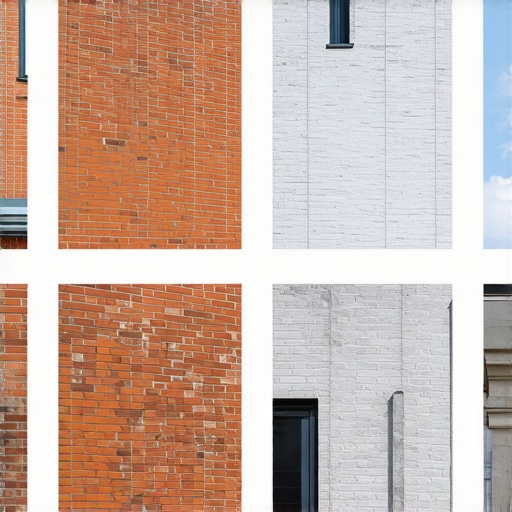
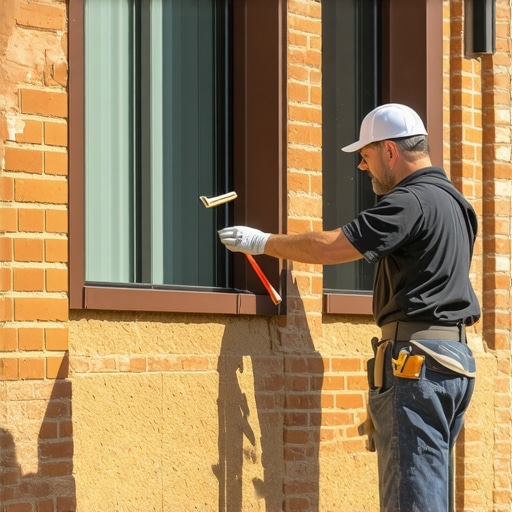
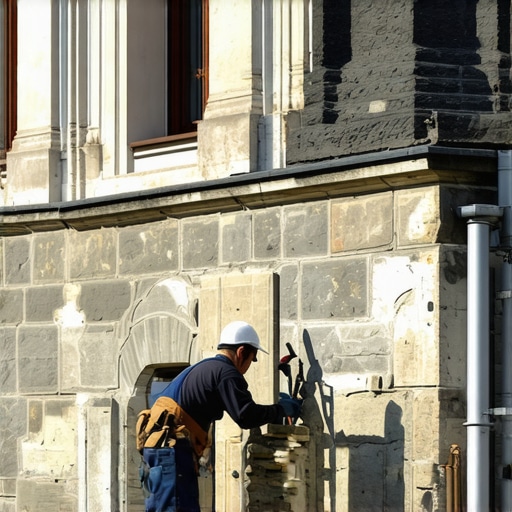
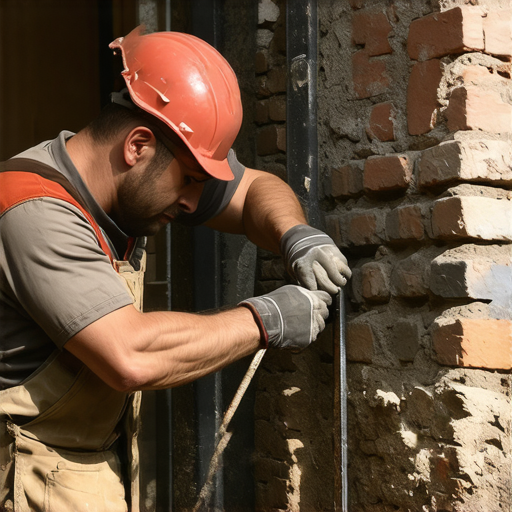
I remember walking up to a century-old brownstone last November where the owner thought they just had a bit of ‘dusting’ on the front steps. I took my masonry hammer and gave one of the face bricks a light tap; the entire outer inch of the unit didn’t just fall—it disintegrated into a pile of red silt. When I put my digital scope into the cavity, I saw the structural steel lintel wasn’t just rusting; it had expanded so much from oxidation that it was lifting the entire soldier course like a slow-motion car jack. This wasn’t a cosmetic issue. This was a forensic failure of the building’s skin. Most homeowners see a ‘flake’ and think it is age. As a third-generation mason, I see a thermal disaster waiting to happen. Brick spalling is the physical manifestation of an internal war between moisture and temperature. When water enters the pores of a low-fired clay unit and hits the freezing mark, it expands by roughly 9%. That pressure is exerted from the inside out, exceeding the internal tensile strength of the brick. By 2026, with the erratic freeze-thaw cycles we are seeing, a ‘wait and see’ approach is a death sentence for your masonry. If you are noticing the faces of your bricks popping off, you are already behind the curve.
“Water penetration is the single greatest threat to masonry durability, leading to efflorescence, subflorescence, and the eventual mechanical breakdown of the clay matrix.” – BIA Technical Note 7
1. The Lintel Salvation: Beyond the Surface
You cannot fix spalling if the skeleton is rotting. Often, the localized spalling you see above a window or door isn’t a brick problem—it is a brick lintel replacement necessity. When the steel angle iron behind the brick begins to corrode, it undergoes ‘oxide jacking.’ This exertive force is immense. I’ve seen 400-pound lintels bow under the weight of the rust scale. To fix this, we don’t just butter the joints; we have to shore up the masonry, remove the failing units, and install new galvanized steel with proper flashing and weep holes. Without the weep holes, the moisture stays trapped against the steel, and the cycle repeats. This is where the physics of the ‘cold joint’ becomes your enemy. If the new mortar doesn’t have the same ‘tooth’ or suction as the original, you’re just creating a new failure point for the next winter.
2. The Surgical Precision of Masonry Birdsmouth Cuts
When we talk about concrete masonry unit restoration or high-end brickwork, the corners are where the moisture loves to hide. Standard 45-degree miters are for carpenters, not masons. In a forensic repair, we utilize masonry birdsmouth cuts. This involves notched carving that allows the units to interlock with a mechanical bond that resists the lateral pressure of soil or thermal expansion. It’s about surface area. The more ‘mud’—what you civilians call mortar—that can contact the internal webbing of the unit, the better the suction. When I’m on a hawk and trowel, I’m looking for that perfect ‘shred’ in the mix. If the mortar is too wet, it ‘runs’ and loses its breathability; if it’s too dry, it won’t hydrate the brick’s surface, leading to a bond failure. We see this often in retaining wall installation where the installer skipped the drainage layer, leaving the blocks to sit in a constant state of saturation.
[IMAGE_PLACEHOLDER]
3. Flush Pointing Services and the Sacrificial Mortar Rule
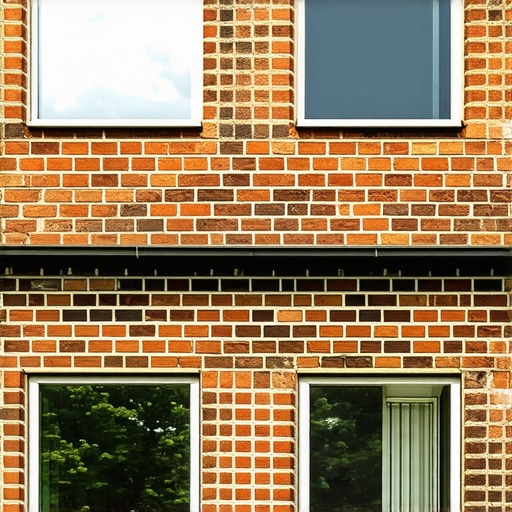
One of the biggest scams in modern masonry is the ‘handyman special’ where someone smears Type S mortar over 100-year-old lime-based joints. I call this the ‘Hard Shell’ trap. Your brick is soft; your mortar must be softer. This is the ‘Sacrificial Principle’ of masonry. If the mortar is harder than the brick (which modern Portland cement usually is), the moisture cannot escape through the joints. Instead, it is forced through the brick faces, causing them to pop and shatter. Professional flush pointing services involve grinding out the old, decayed lime mud to a depth of at least one inch and replacing it with a custom-mixed mortar—usually Type O or Type K for historic facades—that matches the original’s compressive strength. This ensures that the ‘wicking’ action happens in the joint, not the brick. We also see this failure in brick veneer installation where the air gap is clogged with mortar droppings, creating a bridge for water to cross from the exterior skin to the interior sheathing.
“Mortar should always be weaker than the masonry units so that any stress-induced cracking occurs in the joints, which are easier to repair than the units themselves.” – ASTM C270 Standard Specification
4. The Real Science of Porous Stone Sealers
Stop buying ‘waterproofer’ from the big-box stores. Most of those are film-formers that create a plastic-like skin over your stone or brick. In a patio stone realignment or a facade fix, you need porous stone sealers—specifically silanes or siloxanes. These don’t ‘coat’ the stone; they chemically bond with the substrate to change its surface tension. Water will bead off, but vapor can still escape from the inside. If you seal a wall with a non-breathable coating, you are essentially shrink-wrapping a wet sponge. The sun hits the wall, the water turns to vapor, it can’t get out, and it literally blows the face of the brick off. This is also critical in retaining wall block replacement. If the block can’t breathe, the hydrostatic pressure from the soil behind it will push the salt (efflorescence) to the surface, where it crystallizes and eats the concrete from the inside out. For those looking at mortarless masonry systems, the physics changes slightly, but the need for capillary breaks remains the same. Whether you are dealing with a retaining wall installation or a simple chimney repair, the goal is always the same: manage the water, or the water will manage you.